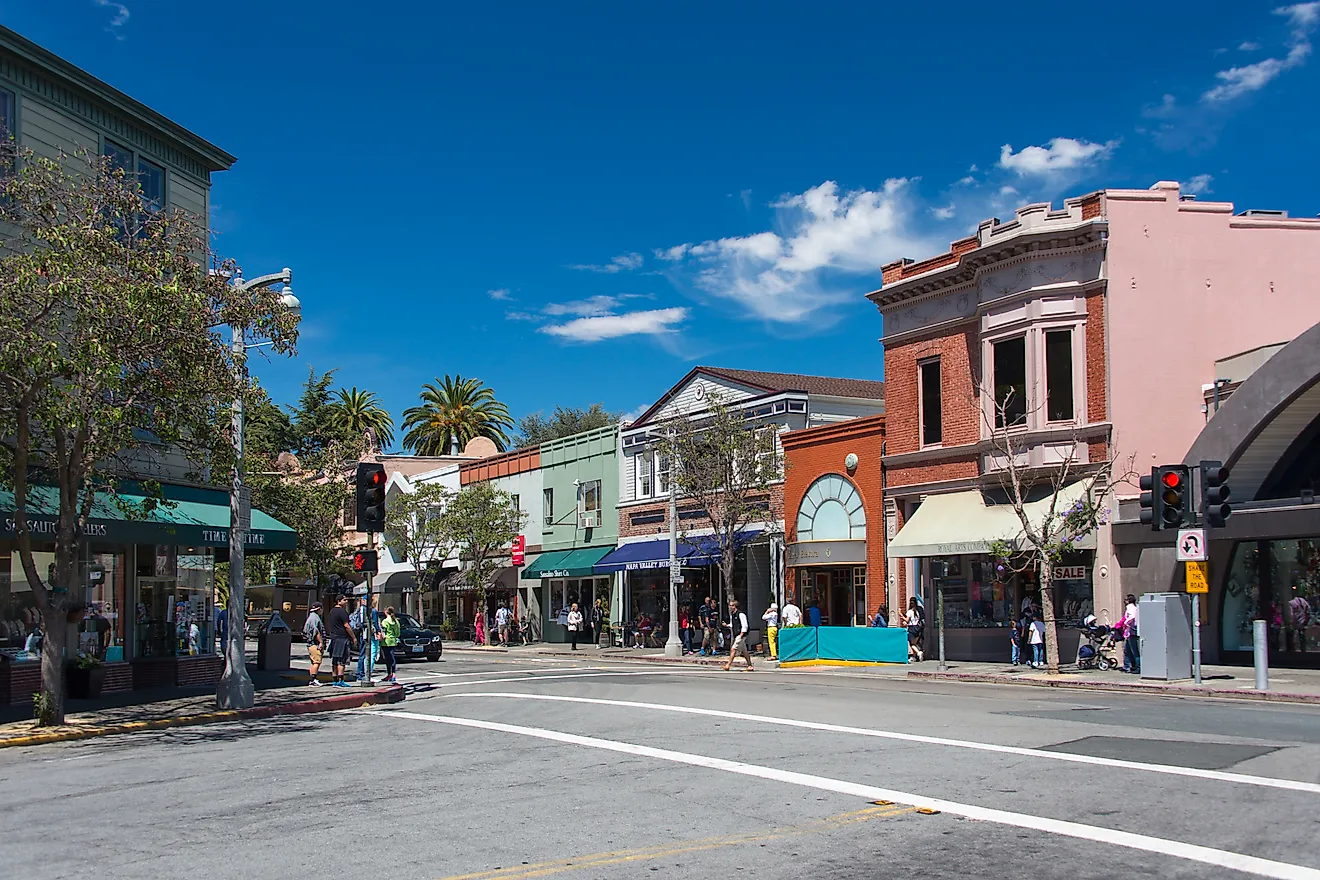
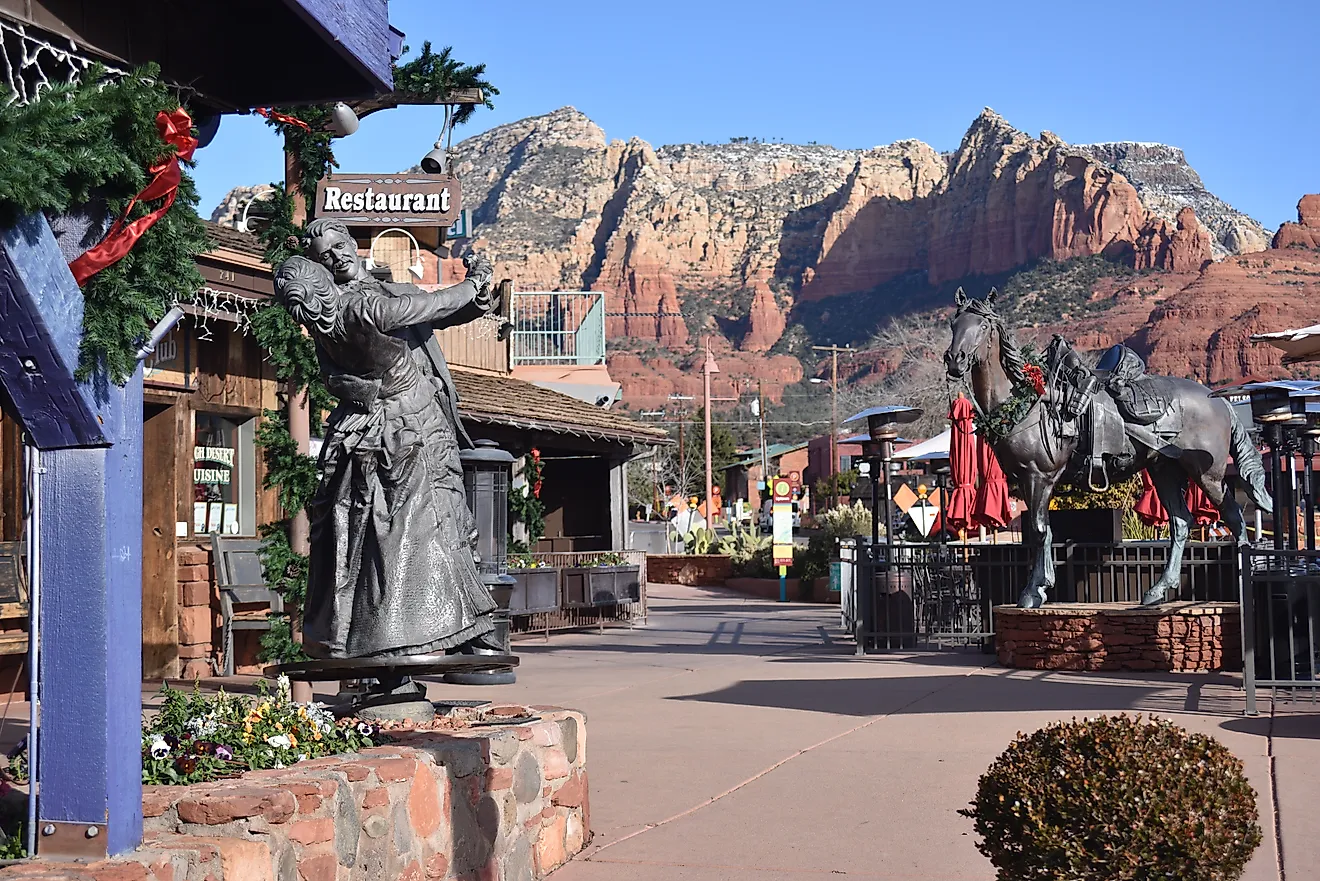
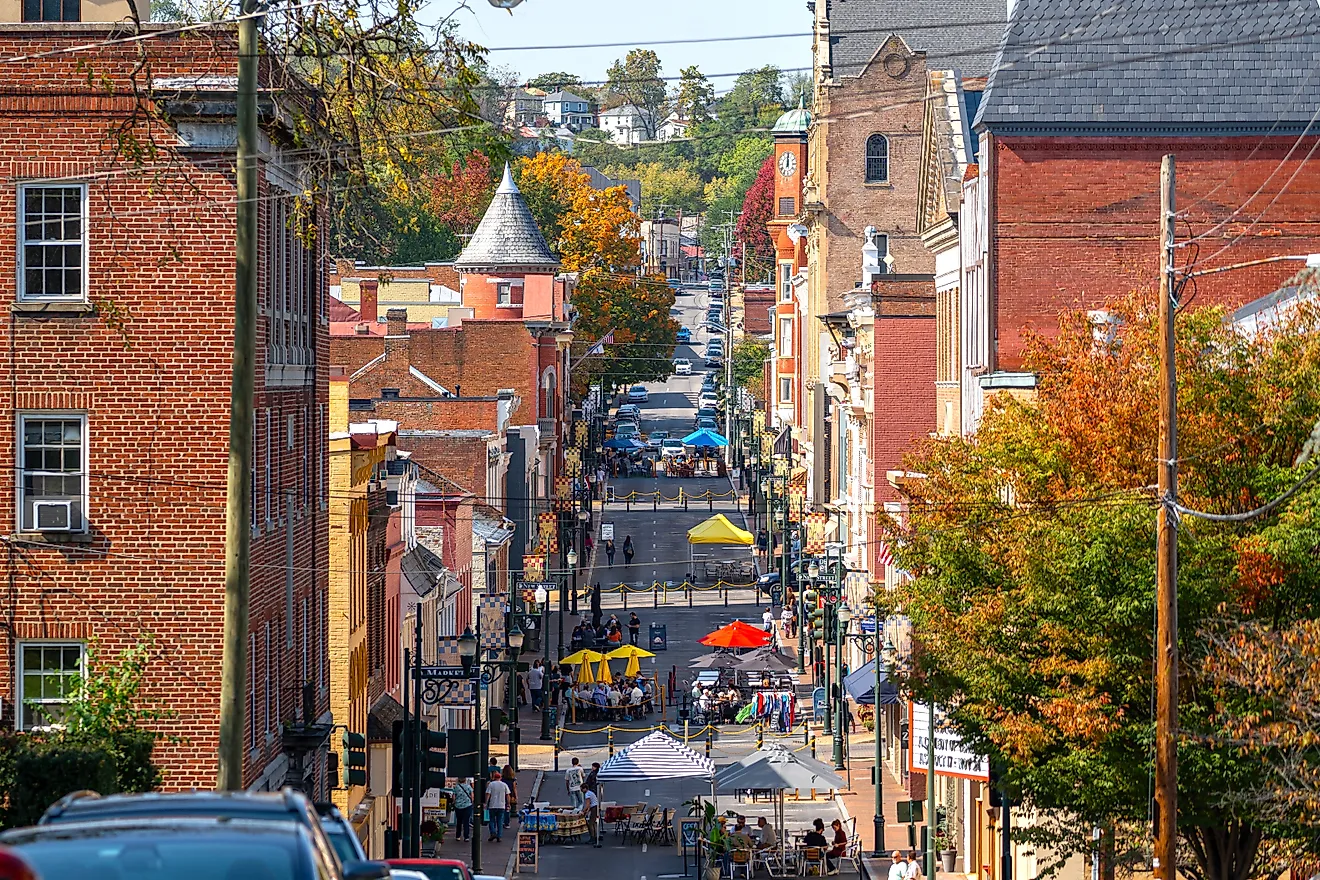
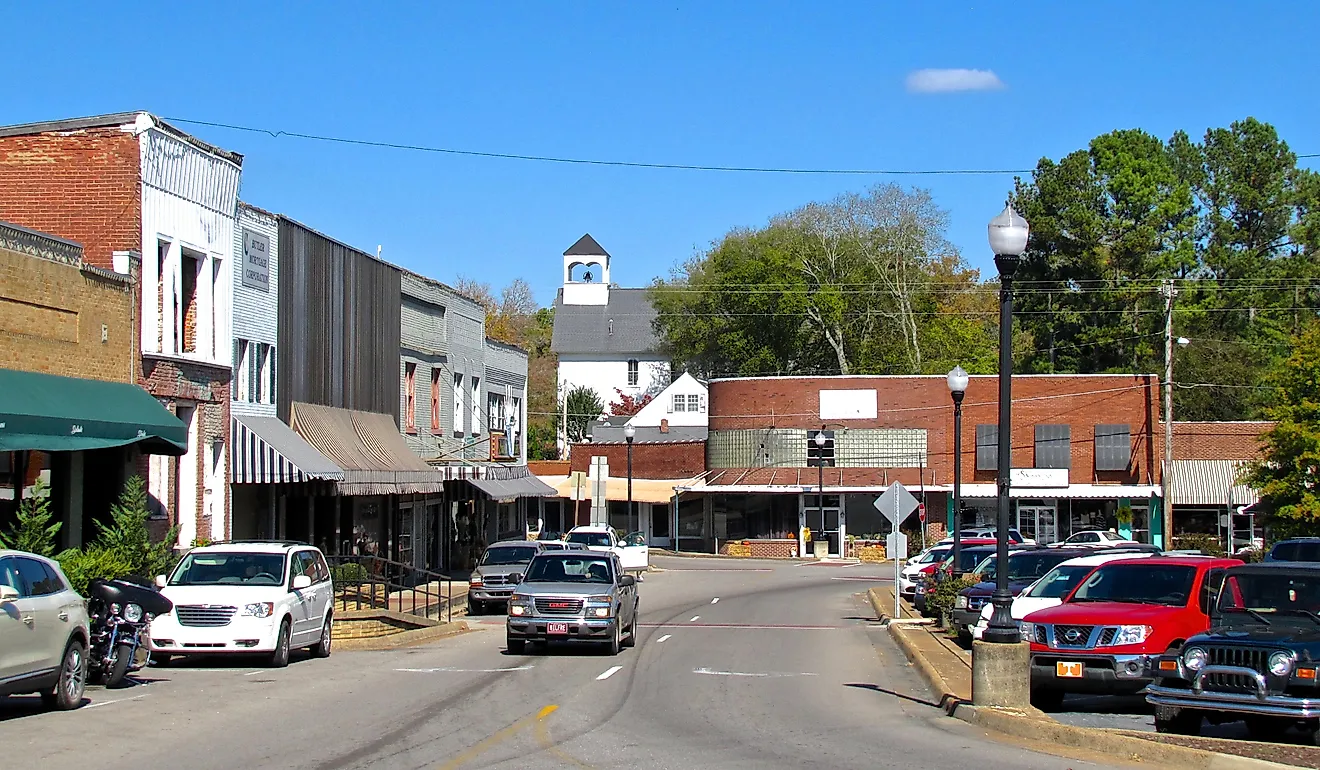
7 Best Places To Live On The Pacific Coast
Pacific Coast housing markets that work for a regular paycheck mostly sit north of San Francisco. Aberdeen, Washington runs typical home prices around $270,000 (about two-thirds of the national median). Coos Bay, Oregon runs near $300,000. Eureka and Crescent City in northern California both sit around $400-420,000, well below California's statewide median of $810,000. The seven coastal towns below also run on actual local employment: NOAA research vessels at Newport, oyster farming at Coos Bay, working timber and fishing economies at Aberdeen and Astoria. Cost of living, healthcare access, school districts, and what people actually do for work all come ahead of the postcard view.
Eureka, California

Eureka anchors the Northern California coast with a population of about 26,000 and typical home prices around $420,000 (well below California's $810,000 statewide median). The town's economy runs on a mix of healthcare (St. Joseph Hospital, the largest employer in Humboldt County at over 1,500 jobs), Cal Poly Humboldt 8 miles north in Arcata (about 6,000 students, the major employment anchor for the region) and the Port of Humboldt Bay.
The Eureka City Schools district runs five elementary, two middle, and one comprehensive high school. Humboldt County's relatively low population density (about 32 per square mile, against California's 256 statewide) keeps real-estate competition manageable. The combined Eureka-Arcata MSA runs a year-round mild climate (average summer highs in the mid-60s, winter lows in the low 40s), with December rainfall over 7 inches. Healthcare specialty care that exceeds local hospital capacity routes either south to San Francisco (4.5 hours by car) or to Mad River Community Hospital in Arcata.
Crescent City, California

Crescent City (population about 6,400) is the most affordable California coastal town for buyers, with typical home prices around $400,000 and a generally lower cost of living than Eureka. The town sits at the mouth of the Smith River and is the seat of Del Norte County. The major local employers are Pelican Bay State Prison (about 1,400 jobs), Sutter Coast Hospital, the Del Norte Unified School District, and the seafood-processing industry that supports the working harbor.
The coastline's tsunami exposure is a real consideration: Crescent City has been hit by 33 destructive tsunamis since 1933, including the March 27, 1964 Alaska earthquake tsunami that killed 11 people and destroyed 29 city blocks. The current downtown is rebuilt above the tsunami hazard zone, but residents enroll in the federal NOAA emergency notification system as standard practice. Jedediah Smith Redwoods State Park is 9 miles east of town, and Battery Point Lighthouse (1856) marks the harbor entrance.
Coos Bay, Oregon

Coos Bay (population about 16,000) is the largest city on the southern Oregon coast and operates the deepest natural harbor on the Pacific Coast between San Francisco and Seattle (the federal channel runs to a depth of 47 feet at the bar). Typical home prices run near $300,000, the second-most-affordable on this list. The local economy runs on the port (Roseburg Forest Products lumber export, container shipping), the Mill Casino owned by the Coquille Indian Tribe (about 700 jobs), Bay Area Hospital (the regional medical center at 172 beds), and Southwestern Oregon Community College.
The Coos Bay School District is the largest district in the South Coast region. The town carries one of the oldest working oyster farms in Oregon (Clausen Oysters, in business since 1934) on the South Slough estuary. Year-round mild climate (summer highs in the upper 60s, winter lows in the upper 30s) and modest rainfall by Oregon coast standards (60 inches annually) keep the year predictable. Eugene is about 1 hour 45 minutes east via Highway 38 for specialty medical care and the regional airport.
Astoria, Oregon

Astoria (population about 10,000) was the first permanent US settlement west of the Rockies (founded 1811) and operates as a working port at the mouth of the Columbia River. Typical home prices run around $500,000, mid-range for this list. The local economy combines maritime industries (the Columbia River Bar Pilots, container shipping, commercial fishing), Columbia Memorial Hospital (the regional 49-bed facility), Clatsop Community College, and the tourism economy serving about 1.5 million annual visitors.
The Astoria School District runs three elementary, one middle, and one comprehensive high school. The Astoria-Megler Bridge connects to Washington state across the Columbia (the longest continuous truss bridge in North America at 4.1 miles), with Portland about 1 hour 45 minutes east. The town's walkable downtown grid, hospital within city limits, and active port economy make Astoria one of the more livable Oregon coast options. Annual rainfall runs about 67 inches, with year-round mild temperatures.
Newport, Oregon

Newport (population about 10,200) houses one of the largest concentrations of marine-science employment on the US West Coast. The Hatfield Marine Science Center (operated by Oregon State University) and the NOAA Marine Operations Center-Pacific between them employ several hundred scientists, technicians, and ship crew. NOAA's Pacific fleet base houses the research vessels R/V Ronald H. Brown, R/V Bell M. Shimada, and R/V Reuben Lasker, with associated full-time crew jobs.
Typical Newport home prices run around $510,000. The Lincoln County School District covers Newport's three elementary, one middle, and one comprehensive high school, plus the Newport Charter High School. Samaritan Pacific Communities Hospital is the regional 25-bed facility. The Oregon Coast Aquarium, the Oregon Coast Community College, and the Lincoln County Fairgrounds round out the institutional anchor list. Corvallis (home of Oregon State University) is about 1 hour 15 minutes east for specialty medical and academic resources.
Sequim, Washington

Sequim (pronounced "skwim," population about 8,400) sits in the Olympic Rain Shadow and receives less than 17 inches of annual rainfall, roughly one-third the rainfall of nearby coastal towns and one of the driest coastal climates anywhere on the US Pacific. The dry microclimate has made the town a retirement destination for the past 30 years, with the median resident age around 60 (compared to Washington statewide median of 38).
Typical home prices run around $520,000. The local economy combines the Jamestown S'Klallam Tribe's significant employment base (the Tribe runs 7 Cedars Casino, a major regional resort), Olympic Medical Center (the regional hospital with locations in Sequim and Port Angeles, total 67 beds), and the agricultural sector (lavender is the headline crop, but the valley also runs apple orchards and small-scale dairy). The Sequim School District runs three elementary, one middle, and one comprehensive high school. Port Angeles is 17 miles west for ferry access to Victoria, BC, and the larger Olympic Memorial Hospital.
Aberdeen, Washington

Aberdeen (population about 16,500) is the most affordable on this list at typical home prices around $270,000, well below the national median of $403,000 and a fraction of Washington statewide ($630,000). The town sits at the confluence of the Wishkah and Chehalis Rivers at the head of Grays Harbor. The local economy runs on the Port of Grays Harbor (one of three deep-water ports in Washington outside of Puget Sound), Grays Harbor Community Hospital (the regional 105-bed facility), Grays Harbor College, and the Quinault Indian Nation's Quinault Beach Resort & Casino about 30 miles north.
The Aberdeen School District runs four elementary, one middle, and one comprehensive high school. The town's median household income runs about $44,000 (well below state median of $90,000), which is the trade-off for the entry-level home prices. Olympia is about 50 minutes east on US 12 for specialty medical care and the regional airport, and Seattle is about 2 hours 15 minutes northeast.
What Pacific Coast Affordability Actually Looks Like
Pacific Coast housing on a regular paycheck still exists, but the geography is specific. Aberdeen and Coos Bay sit in the $270,000-$300,000 range and trade on working-class wage scales. Eureka, Crescent City, Astoria, Newport, and Sequim run between $400,000 and $520,000 with stronger local economies (research vessels at Newport, hospital systems at Eureka and Astoria, retirement-tax appeal at Sequim). All seven sit north of the speculative real-estate pressure that pushes California coastal towns past $1 million. Each town's livability comes down to its specific employer mix and the trade-offs that follow, not the ocean view, which all of them have anyway.