6 Tick Infested Areas In Maine
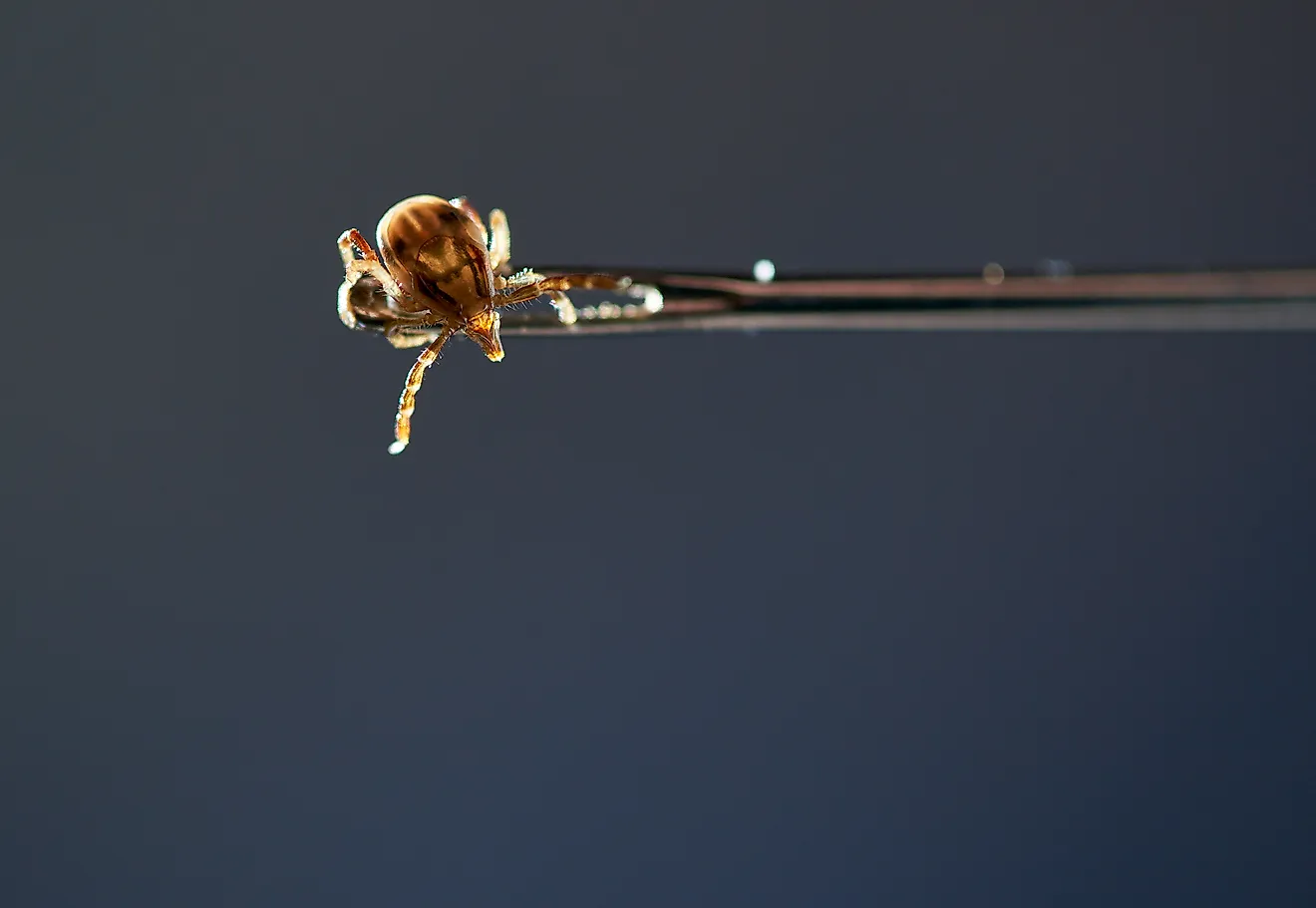
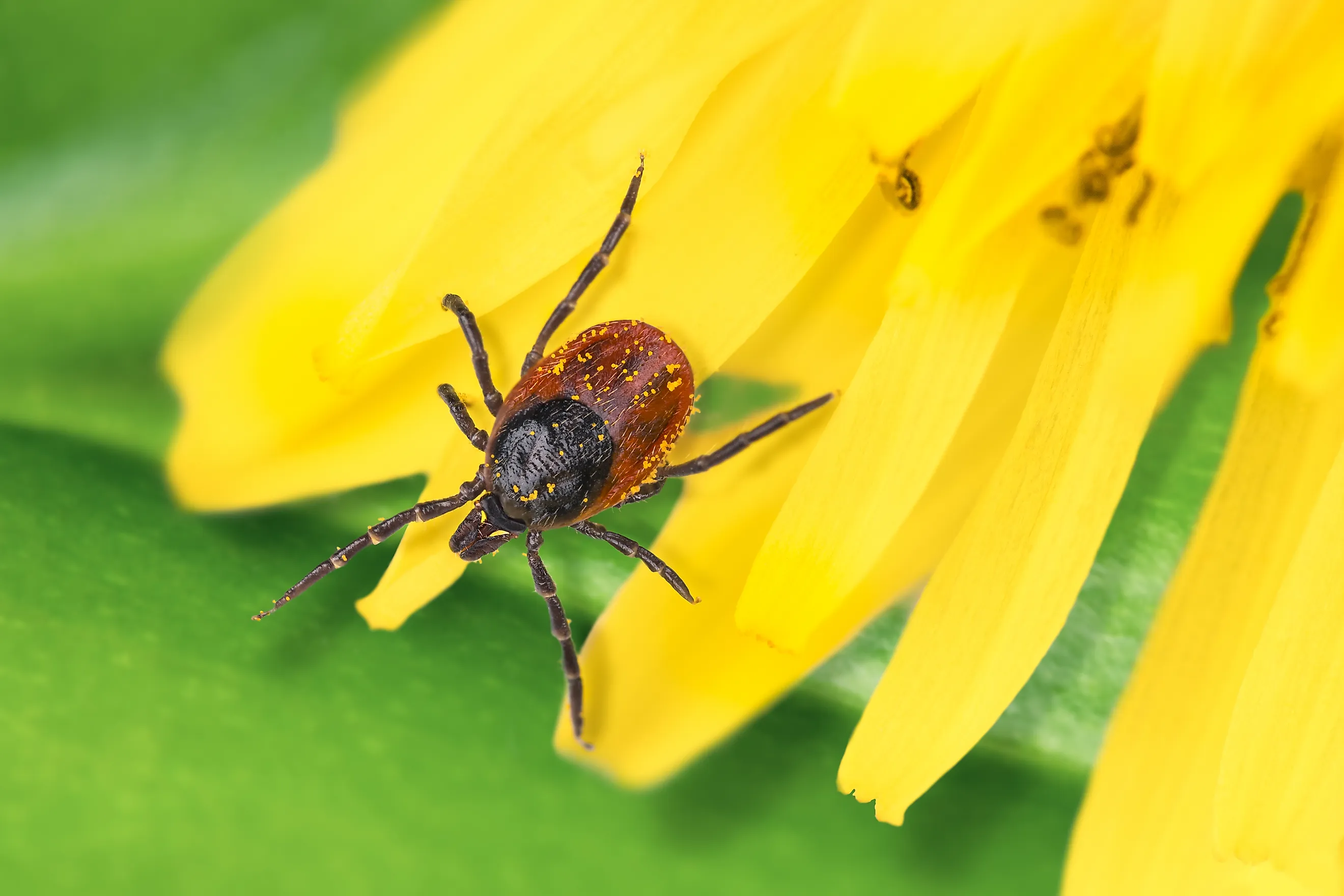
By midsummer, the University of Maine Cooperative Extension Tick Lab is flooded with poppy-seed-sized nymphs pulled from gardeners, hikers, and dogs along the midcoast. The numbers tell a clear story: tick risk in Maine is not spread evenly. The species that matters most is the blacklegged tick, better known as the deer tick (Ixodes scapularis), with the American dog tick (Dermacentor variabilis) common in open, grassy ground. Surveillance from both the Maine CDC and the UMaine Tick Lab shows tick activity and infection rates climbing steadily on a north-to-south gradient, concentrating in the midcoast and southern counties. The diseases documented in Maine deer ticks are Lyme disease, anaplasmosis, babesiosis, Borrelia miyamotoi, and Powassan virus. The six areas below are where the data points most clearly, from the midcoast strongholds to the southern coast.
Camden Hills State Park, Knox County

By midsummer, the wooded trails of Camden Hills State Park, woven directly into town, put residents in tick habitat within minutes of their own doors. Knox County records the highest tick-borne disease burden in the state. In 2024, the county recorded about 710 cases of Lyme disease, 302 cases of anaplasmosis, and 98 cases of babesiosis per 100,000 people; all three figures were far above statewide averages.

The terrain is classic deer tick country: deciduous forest with thick leaf litter, brushy field edges, and a dense, suburbanized deer population pressed against residential neighborhoods. The deer tick drives this risk here. Roughly 43 percent of submitted adult deer ticks tested positive for the Lyme bacterium, and the county posted one of the highest babesiosis-pathogen rates in the state.
Lincoln County

The narrow, fingerlike peninsulas reaching toward the Gulf of Maine pack forest, salt marsh edge, and residential land into thin strips, leaving little distance between homes and prime deer tick habitat. Lincoln County sends more ticks to the UMaine lab per capita than any other county in Maine, roughly 635 submissions per 100,000 residents, more than four times the state rate. The deer tick is the species of concern. Documented disease here is substantial: a 2024 Lyme incidence of 699 per 100,000, with anaplasmosis at 79, both among the highest in the state. More than half of adult ticks submitted from the county carried the Lyme bacterium, the highest rate in Maine. The River-Link trail system, roughly seven miles of backcountry paths running along the spine of the Boothbay Peninsula between the Sheepscot and Damariscotta Rivers, threads hikers straight through this habitat. Migratory birds landing along this coast are believed to continually reseed local tick populations, helping explain why the midcoast remains the focal point of the state's tick activity.
Belfast, Waldo County

The landscape around Belfast mixes reverting farmland, hedgerows, and second-growth deciduous woods, the kind of brushy transitional edge where questing deer ticks and their rodent hosts thrive. Waldo County rounds out the midcoast cluster that carries Maine's heaviest tick-borne disease load. Its 2024 Lyme disease incidence was 608 per 100,000, with anaplasmosis at 332, both well above the statewide figures.

The deer tick (Ixodes scapularis) is the relevant species. Tick testing here found a Lyme-bacterium infection rate of nearly 49 percent in adult ticks, among the highest rates in the state. Just as telling, Waldo had one of the lowest adult-to-nymph ratios in Maine, which researchers link to higher human disease risk because the tiny, easily missed nymphs are the stage most likely to transmit infection unnoticed. The 46-mile Hills to Sea Trail, which winds through old farmland and mixed woods from Unity into Belfast, carries walkers directly through this kind of tick questing habitat.
Acadia National Park - Hancock County

Lying partially in Hancock County, the carriage trails and wooded paths of Acadia National Park draw residents into deciduous and mixed forests with deep leaf litter and abundant white-tailed deer, ideal conditions for the deer tick (Ixodes scapularis). Hancock County combines this heavy recreational forest use with strong surveillance signals. It ranked among the top counties for ticks submitted per capita, around 62 per 100,000 residents, and recorded a 2024 Lyme incidence of 676 per 100,000, anaplasmosis at 286, and the highest hard tick relapsing fever rate of any county at 16.

About 44 percent of adult ticks submitted from the county tested positive for the Lyme bacterium. Because so much of the county's outdoor activity happens inside one heavily visited park, encounters here tend to cluster along the same wooded corridors that locals walk and bike spring through fall, like the Jordan Pond Path, whose western shore runs as narrow singletrack through cedar groves and marshy edges.
Kennebec River - Sagadahoc County

The mix of riverine woodland, coastal scrub, and humid lowland along the lower Kennebec River near Phippsburg provides the moisture deer ticks need to survive off-host, packing risk into one of Maine's smallest counties. Sagadahoc's Lyme disease incidence climbed to 371 per 100,000 in 2024, with anaplasmosis at 202, both above the statewide rate. The deer tick is most common in this area. Notably, Sagadahoc had the lowest adult-to-nymph ratio of any Maine county, a pattern surveillance researchers associate with active local tick reproduction and elevated human risk. That low ratio is a reminder that this small corner of the state carries an outsized share of risk.
York County

York County sits where Maine's deer ticks were first detected decades ago, with Babesia microti documented in ticks from the state's two southernmost counties before it spread north. In 2024, surveillance recorded a Lyme incidence of 131 per 100,000 and anaplasmosis at 6, lower than the midcoast counties, as the epicenter has shifted northward. The southern coastal lowlands offer mild winters, sandy brushy soils, and suburban woodlots threaded with deer trails, providing the perfect environment to sustain dense deer tick populations.

The Wells Reserve at Laudholm, a 2,250-acre stretch of fields, forest, and salt marsh trails in Wells, is a known deer tick hot spot where regular hikers plan their walks around peak nymph season. Babesiosis, a malaria-like parasite, remains a real and rising concern here. The county's warmer microclimate also lengthens the active season, since deer ticks quest any time temperatures climb above freezing.
Staying Safe, in Maine, Through Tick Season
Tick risk in Maine peaks from May through July, when nymphs are active and easy to miss, with a second adult surge through October. Residents in the midcoast and southern counties should treat clothing and gear with permethrin, use EPA-approved repellents, and do daily full-body checks after any time spent in leaf litter, tall grass, or brushy edges, including their own yards. If you remove an attached tick, you can have it identified at no charge and tested for a fee through the University of Maine Cooperative Extension Tick Lab's Submit-A-Tick program at ticks.umaine.edu, and you can review county-level disease trends on the Maine CDC tracking network. For symptoms or guidance, the Maine CDC maintains current tick-borne disease information at maine.gov/lyme and can be reached at 1-800-821-5821.