This Quiet Maine Town Is An Underrated Gem For Nature Lovers
Wells sits on Maine's southern coast in York County with around 11,300 year-round residents on roughly 60 square miles of land. Founded in 1643 and incorporated in 1653, it ranks as the third-oldest town in the state. The community has stayed agricultural and coastal rather than a tourist resort. Headquarters of one of the country's longest stretches of coastal national wildlife refuge sits inside town limits. Wells often gets overlooked next to flashier Maine destinations further up the coast. Anyone visiting for the wildlife, the salt marshes, or the working harbour finds more to do than a single weekend can hold.
Rachel Carson National Wildlife Refuge

Rachel Carson National Wildlife Refuge is the headline natural attraction in Wells and the centerpiece of the entire southern Maine coast. Established by Congress in 1966 as the Coastal Maine National Wildlife Refuge and renamed in 1970 for the marine biologist and Silent Spring author who spent much of her life on this coast, the refuge now totals 9,125 acres across 11 divisions stretching 50 miles between Kittery and Cape Elizabeth. The refuge headquarters sits on Route 9 in Wells, with the one-mile Rachel Carson Trail starting from the parking area as a self-guided loop with 11 numbered interpretive stations passing through forested upland, salt marsh, and estuary overlook. Federally threatened species the refuge protects include the piping plover and least tern, with smaller breeding populations of bald eagles and American black duck, plus the New England cottontail (Maine's only true native rabbit, now state-endangered).
Wells National Estuarine Research Reserve

The Wells National Estuarine Research Reserve, designated in 1984 as part of NOAA's national reserve system, covers 2,250 acres along the Webhannet and Little Rivers and serves as a working research lab for estuarine science. The reserve is headquartered at Laudholm Farm, a restored 19th-century saltwater farm with a visitor center inside the original 1880s farmhouse. Seven miles of interconnected trails cross forests, fields, freshwater wetlands, salt marsh, and a sandy barrier beach (Laudholm Beach), accessible only by walking from the trailhead. The most-walked combination is the Knight Trail to Barrier Beach Trail, roughly 1.4 miles each way, which passes through every major habitat in the reserve and ends at a beach with no road access for cars. Active research projects on site track sea-level rise, salt-marsh die-off, and shellfish populations year-round.
Wells Beach and Drakes Island

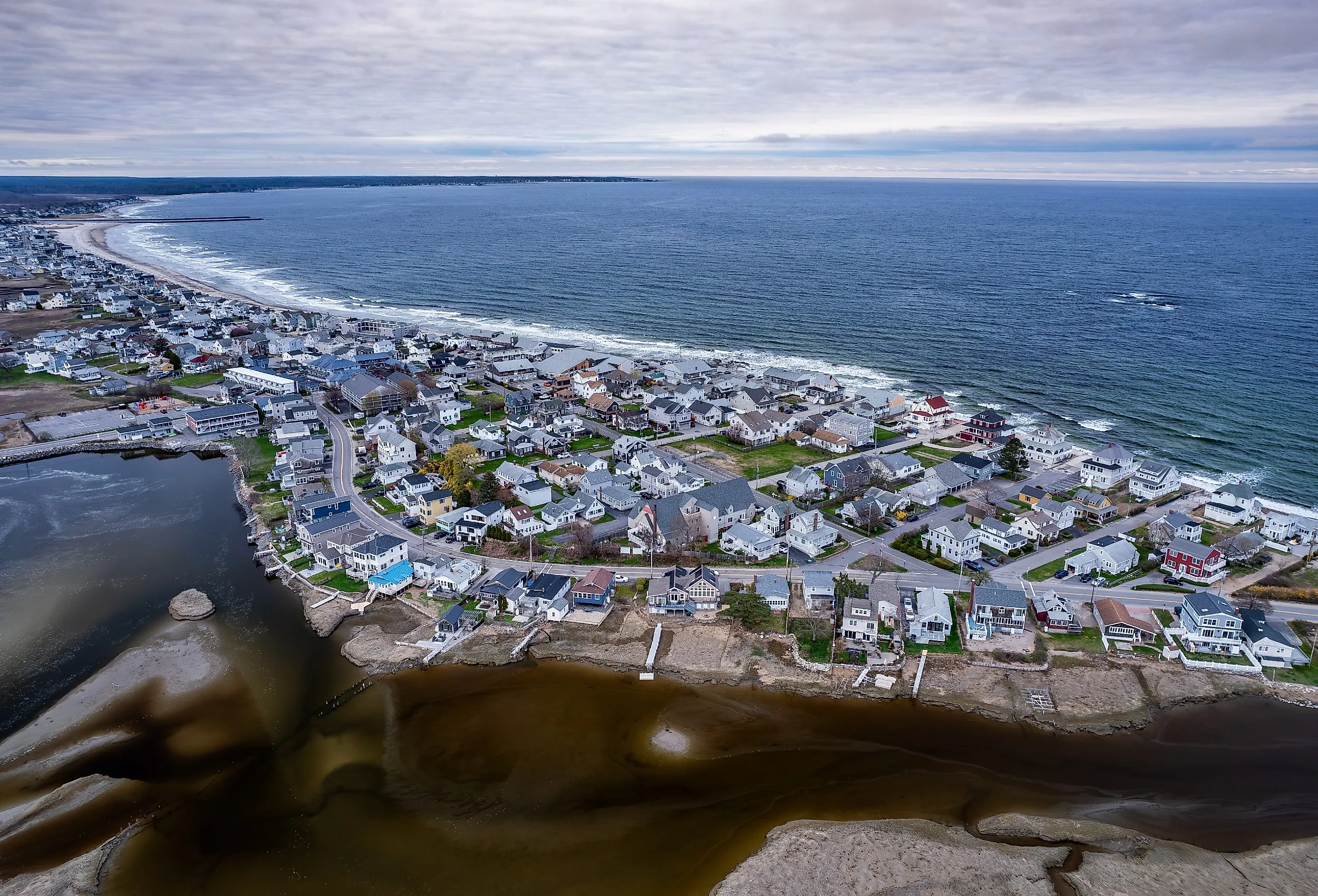
Wells Beach runs 1.5 miles of fine sand fronting the Atlantic between the Webhannet River outlet and Webhannet River breakwater, with town parking, public restrooms, and lifeguarded swimming in summer. The beach connects directly to Wells Harbor and the Webhannet River jetties at the south end, useful for surfcasting after the tide turns. Drakes Island Beach, just south of Wells Beach and reached by Drakes Island Road, runs another mile of barrier beach with fewer crowds and less infrastructure (parking is residential and limited, no lifeguards). Between the two beach areas, the Webhannet River salt marsh holds one of the largest contiguous salt-marsh habitats in southern Maine, with kayak launch access from Wells Harbor Road on the south side of the river.
Local Working Farms

Spiller Farm on Branch Road has run as a pick-your-own operation since the 1970s with successive crops of strawberries (mid-June through early July), blueberries (July), apples (late August through October), and pumpkins (September-October). The farm also keeps goats, chickens, and pigs accessible to visitors in the petting-farm area. Wells also hosts a Saturday morning summer farmers market on the Wells town hall lawn between June and October, with about a dozen vendors selling produce, bread, cheese, seafood, and prepared foods. Pricey Farm on Route 9 is the other working farm visible from the road, with sweet corn and tomatoes in late summer.
Wells Harbor and Webhannet River Paddling

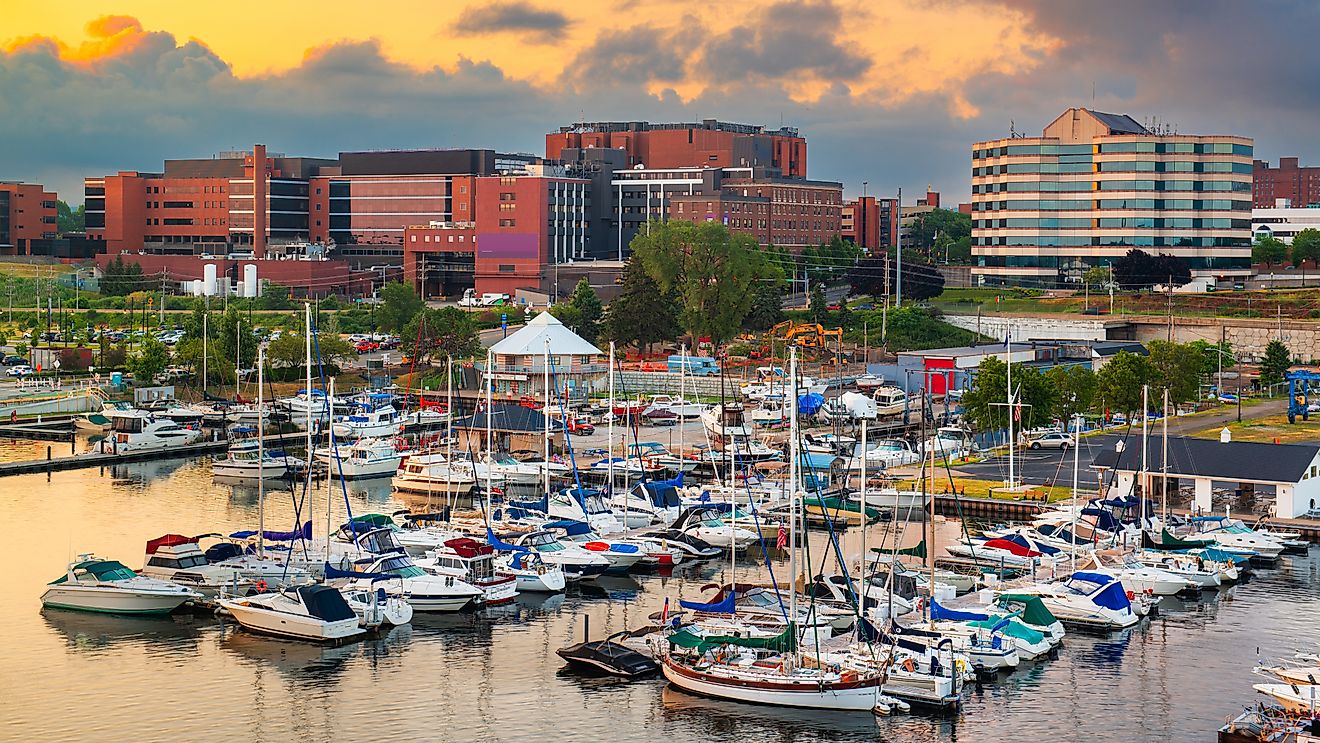
The Webhannet River is the standard local paddle, with a public launch at the north end of Atlantic Avenue near Wells Beach and a more-used launch on the south side at the end of Harbor Road in Wells Harbor itself. The river is fully tidal with a strong incoming and outgoing flow, so timing matters; the easiest paddle is launching at high tide and following the marsh creeks before the water drops. Webhannet River Boatyard at Wells Harbor handles kayak rentals, fishing tackle, and bait, plus charter boat and fishing tour bookings. Hobbs Harborside Restaurant on Harbor Road, open seasonally, runs a patio over the harbour and a seafood menu including chowders, whole lobster, and stuffed haddock. The harbour is also Wells's commercial lobstering base, with about a dozen working boats running traps in season.
Planning the Visit

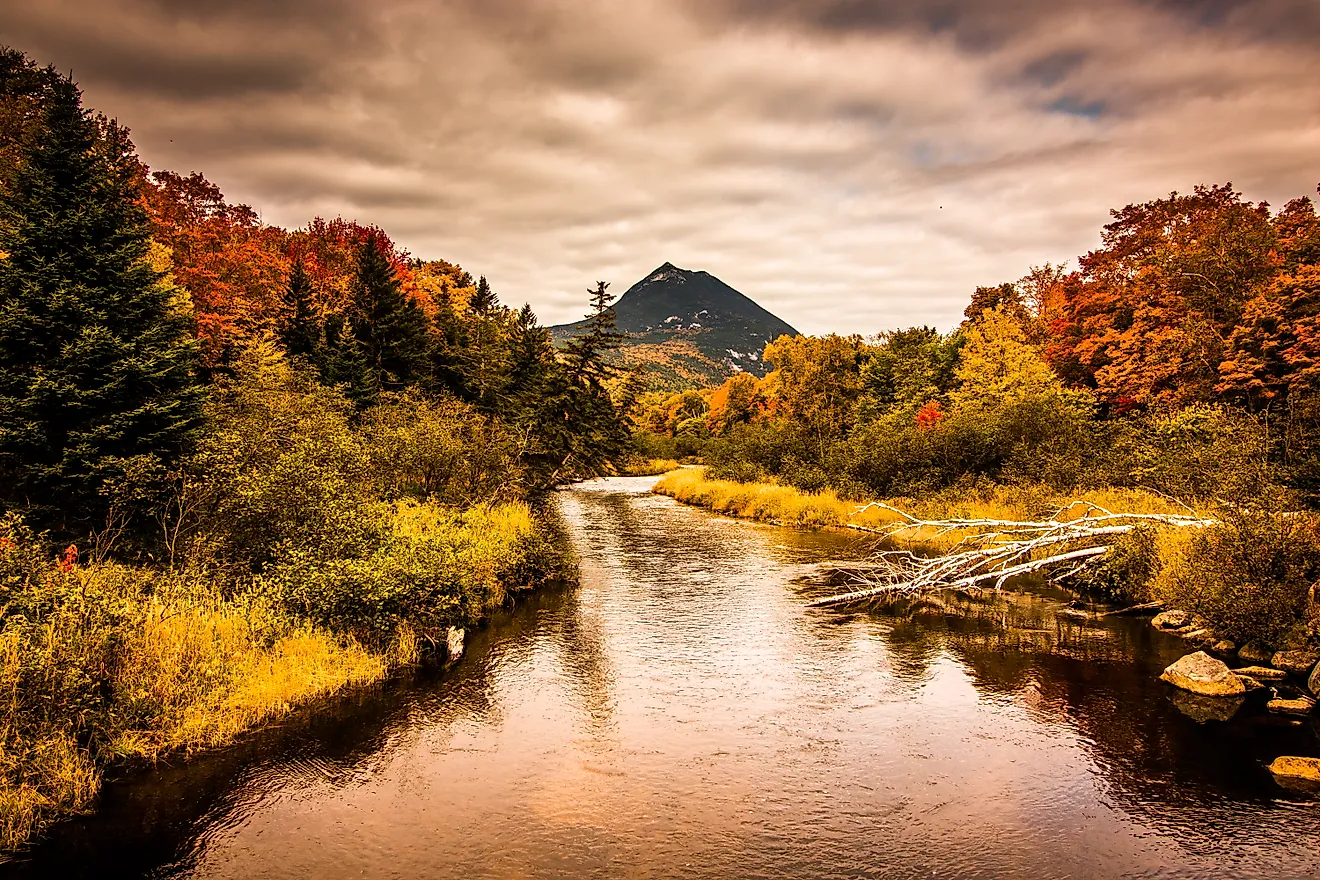
Spring through fall is the window for Wells, with late spring and early fall the strongest for wildlife. Rachel Carson NWR runs its biggest shorebird migration in late August through September, when thousands of semipalmated plovers, sanderlings, and least sandpipers pass through; fall foliage in the upland forest peaks in the second week of October. Early morning (around sunrise) and the hour before sunset are the highest-activity windows for wildlife. Mosquitoes and biting greenhead flies are heaviest in July and August around wet habitats, so cover-up clothing and repellent containing DEET or picaridin help. Maine Department of Marine Resources also recommends avoiding ocean swimming for 24 to 48 hours after heavy rain because of bacterial runoff into the coastal water.
Why Wells Holds Up
Wells doesn't make most weekend-getaway lists for Maine because it doesn't have the immediate visual punch of Bar Harbor or the celebrity of Kennebunkport next door. What it has instead is a 9,125-acre national wildlife refuge headquartered in town, a 2,250-acre estuarine research reserve next door, a working harbour with a small lobster fleet, two barrier beaches with different personalities, and a few working farms still selling fruit you pick yourself. For anyone who weights time outdoors over time on a postcard, that math comes out in Wells's favor.