6 Most Rattlesnake Infested Areas in The Ozarks
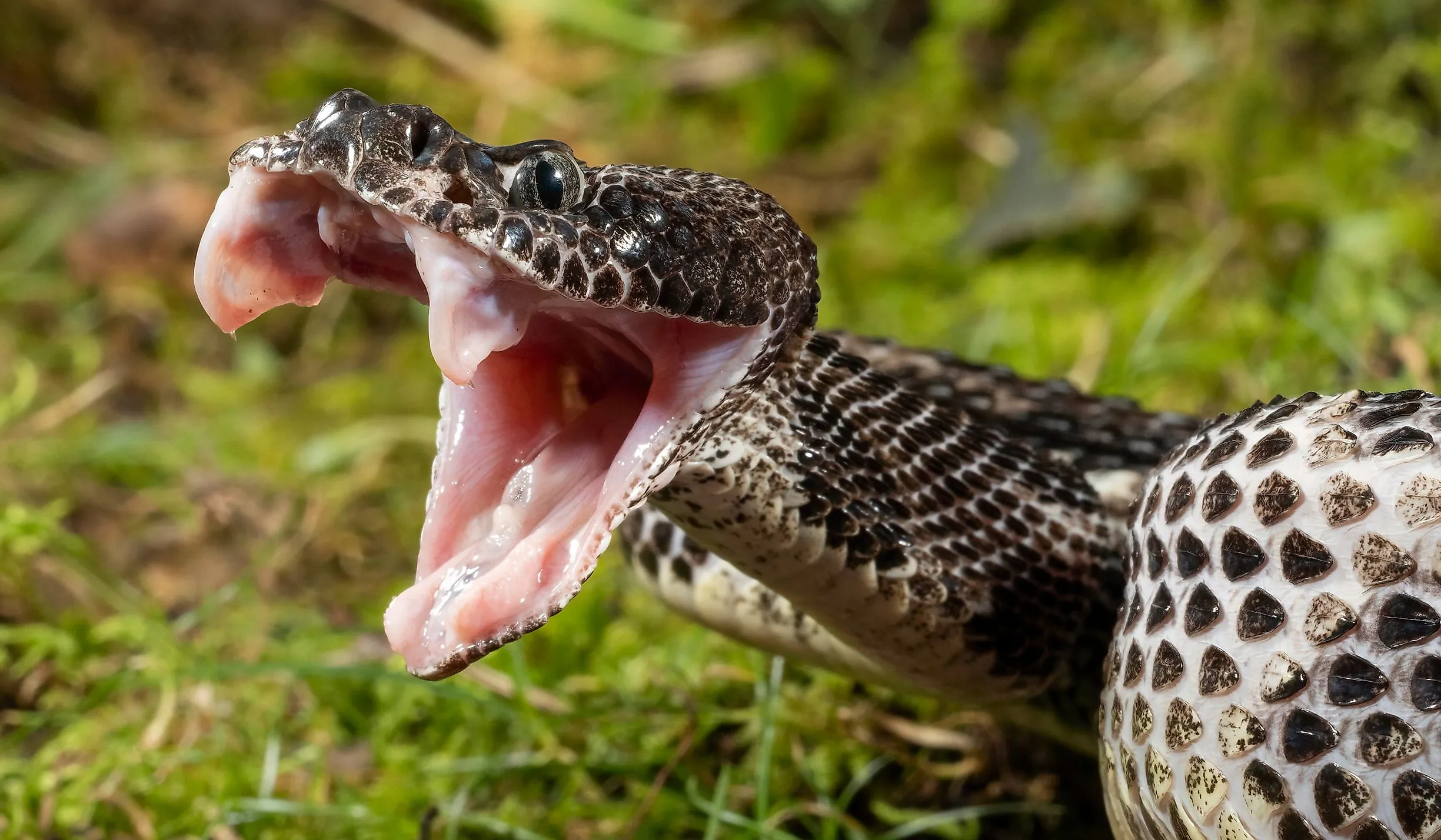
The Ozarks are home to two rattlesnake species encountered regularly across the region: the timber rattlesnake, which occurs widely in both Missouri and Arkansas, and the western pygmy rattlesnake, found mainly in the southern Ozarks into Arkansas. The western diamondback rattlesnake turns up at the western fringes in Arkansas where the Ozarks meet the Ouachita Mountains, but it is not a core Ozark species. All three are venomous. Native snakes are protected in Missouri, and Arkansas has more limited protections, but the general rule across the region is: leave them alone. A provoked rattler can be unpredictable, so calm, steady movement away from a rattling snake is always the right call. These six areas hold the highest concentrations of rattlesnakes in the Ozarks.
Ozark-St. Francis National Forest

The Boston Mountains of the Ozark National Forest are defined by steep ridges, narrow valleys, and extensive sandstone and limestone outcrops, terrain that supports strong rattlesnake habitat. South-facing bluff lines and rocky slopes offer the den sites and basking areas timber rattlesnakes rely on. More rugged, exposed sections of western Arkansas also occasionally turn up western diamondbacks, though the species is more at home further south in the Ouachita Mountains. These snakes use the forest's broken topography as movement corridors, traveling along ridgelines and through rocky openings during the warmer months.
Research on timber rattlesnakes in the Ozarks has shown that they use a wider range of vertical habitat than most people expect, including climbing into low vegetation and, in some cases, higher into trees while foraging. Most activity still concentrates around rocky slopes, forest edges, and sunlit openings where prey is abundant and body temperatures can be regulated through the day.

Much of this region is remote and lightly traveled, with long stretches of habitat extending well beyond marked trails. Encounters are uncommon but possible, particularly in spring through early fall when snakes are active and moving between den sites, foraging areas, and seasonal cover.
Buffalo National River

America's first designated national river, the Buffalo National River runs undammed for 135 miles through the Arkansas Boston Mountains, cutting beneath sandstone and limestone bluffs that rise more than 400 feet near Ponca. At the base of those bluffs, where leaf litter gathers against warm, south-facing rock, conditions create prime timber rattlesnake habitat. Timber rattlesnakes, sometimes called canebrake rattlers in this region, are common, and the western pygmy rattlesnake also turns up in suitable habitat along the river corridor.

The pygmy rattlesnake is the harder of the two to spot. It usually measures between 15 and 20 inches, stays motionless under rocks and leaf litter, and its tiny rattle produces a faint, high-pitched buzz often compared to a grasshopper. By the time hikers hear it, they're usually already close. Timber rattlesnakes are larger and easier to see in spring and early fall, when they bask on rock faces along the river. Hikers and anglers share this ground with them.
Ozark National Scenic Riverways

Designated in 1964 as the first national park unit built around a river system, the Ozark National Scenic Riverways protect more than 300 caves and hundreds of springs along the Current and Jacks Fork rivers. The rock crevices above those spring outlets make for excellent natural den sites for rattlesnakes. Timber rattlesnakes use the south-facing bluff lines above the Current River from spring through early fall, forage and move at night during warmer months, and bask on exposed rock in the cooler morning hours.
Big Spring, the largest spring in the Ozark Plateau, pushes out an average of more than 270 million gallons of water per day from the base of a limestone bluff. The surrounding karst features, including sinkholes and exposed rock, create favorable habitat for snakes near the spring run. Western pygmy rattlesnakes are more often associated with glade and edge habitats than the main river corridor.
Table Rock Lake

The hills around the lake hold oak and hickory forest broken up by open cedar glades, a combination that suits the western pygmy rattlesnake well. This snake's rattle is so faint it's often only audible at very close range, roughly the distance from your outstretched hand to a rock you're about to grab, and many people don't hear it until they're already close. The lake's extensive rocky shoreline gives these snakes strong habitat between glades, forest edges, and adjacent rocky areas, and flat limestone slabs along the coves are worth checking before sitting down on them. Timber rattlesnakes are also present, using the forested ridgelines behind the shoreline through the warmer months before returning to rocky den sites for winter.
Roaring River State Park

Roaring River State Park's spring is one of the deepest in the United States, reaching 472 feet into the limestone below. Those same limestone formations create the bluff-face crevices above ground that rattlesnakes use as winter den sites. The Devil's Kitchen Trail runs 1.5 miles through collapsed rock formations and limestone bluffs, passing through exactly the kind of sheltered rocky terrain rattlesnakes use for thermal cover well into fall. The Fire Tower Trail in the Roaring River Hills Wild Area is a 4.4-mile loop through deep hollows and chert-covered ridges that sees fewer visitors and remains suitable snake habitat. Timber rattlesnakes across the southwest Ozarks bask openly on rock during cooler months, and an open sunny ledge in October deserves a second look before stepping onto it.
Greers Ferry Lake

Greers Ferry Lake supports a variety of snake species, and visitors sometimes mistake harmless ones for venomous. The diamondback watersnake, often confused with venomous species for its dark patterning and defensive behavior, is non-venomous and has no rattle. The rough green snake, another very common non-venomous species, is bright green and frequently seen in trees and bushes along the shoreline.

Where rattlesnakes do occur, timber rattlesnakes move between the surrounding forested hillsides and the lake's edge, while western pygmy rattlesnakes are more often found on the south-facing rocky slopes above the lake in the Ozark Highlands. Below the dam, the Little Red River tailwaters draw anglers year-round into rocky areas where suitable snake habitat is nearby during the warmer months.
Watch Your Step In The Ozarks
There is no open season on snakes in Missouri, where native species are broadly protected under state wildlife regulations, and Arkansas has more limited protections that still restrict killing snakes outside of immediate threat situations. Wear boots with ankle coverage on rocky terrain. Check the ground before placing hands near bluffs and logs. Look over open rock surfaces before sitting down. A threatened snake may stop rattling and defend itself, which is why most bites in both states happen to people who try to handle or kill one. The pygmy rattlesnake on a lake shoreline deserves the same caution as a five-foot timber rattler on a trail.