5 Most Rattlesnake Infested Areas in The Adirondack Mountains
The Adirondack Mountains in New York are one of the few places in the Northeast where the timber rattlesnake still survives, with small, localized populations found along rocky ridges, lake shorelines, and sun-warmed slopes. Spread across more than six million acres, the region includes pockets of habitat where these snakes persist, particularly along the eastern and southeastern edges of the park.
While sightings remain uncommon, certain areas consistently report more activity due to den sites and favorable terrain. These five locations stand out as the most rattlesnake-prone areas in the Adirondacks, especially during the warmer months from late spring through early fall.
Lake George Shoreline and Islands

Lake George is one of the most iconic lakes upstate, as it's a glorious spot to enjoy year-round. Visitors to the rocky trails need to be cautious, as reports of snakes biting dogs have emerged over the years. These are timber rattlesnakes, a species known for returning to the same den sites each year, often using rocky ledges and crevices along the shoreline and nearby slopes. Young snakes are born in the fall and follow their mother's scent trail to their den for hibernation in the winter months. These snakes are occasionally seen on rocky slopes in hardwood forests.
Sagamore Island is regarded as "Rattlesnake Island," as it occasionally sees larger rattlesnakes call the island home. Although rattlesnake sightings are rare in Lake George, they are out there hunting small rodents and birds in solitude, and once in a rare blue moon, they can be seen swimming on the lake itself. Another island where snakes have been seen is Turtle Island.
South Bay

South Bay Creek on Lake Champlain, a narrow waterway near the town of Whitehall, is a highly productive area and a premier fishing destination. The area is also frequented by wildlife, including northern pike, largemouth bass, catfish, and other local species. On land, the timber rattlesnake can occasionally be seen near the South Bay ridge north of Fort Ann, especially on rocky, sun-exposed slopes.
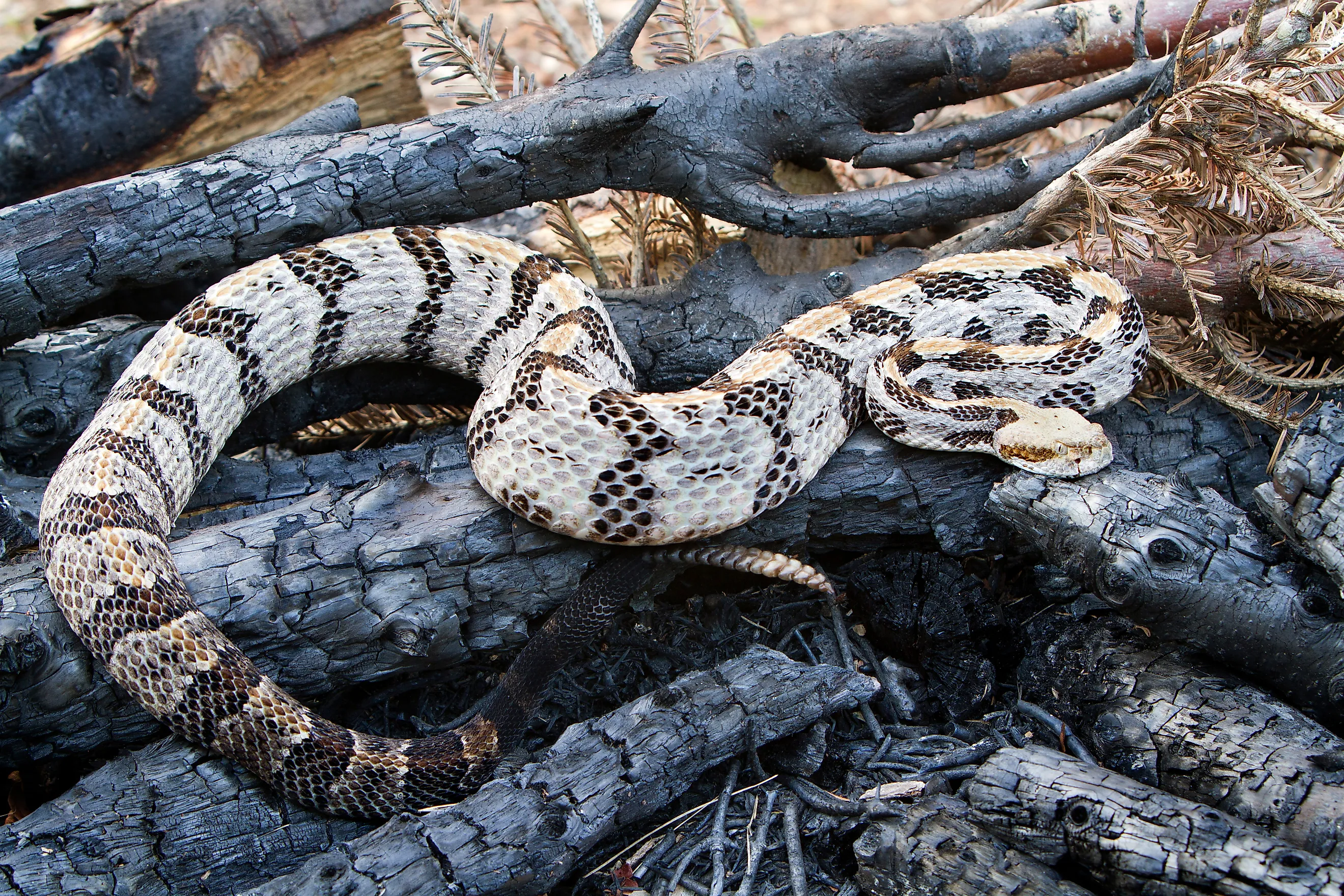
These snakes typically grow to 90-150 cm (35-60 inches) and are heavy-bodied, with dark crossbands over a gray or yellowish background that help them blend into leaf litter and rock. They are active from late April to mid-October and rely on camouflage more than aggression, often remaining still unless disturbed. Please use caution when hiking and avoid disturbing these snakes.
Lake Champlain Valley

The rest of the Lake Champlain Valley is over 120 miles of lake shorelines, rolling hills, farms, and adorable towns throughout New York and Vermont. Throughout the valley, there are areas where the timber rattlesnake calls home. The snakes are usually found along the shoreline between Westport and Essex, as well as in the mountainous terrain in the area.
A very popular trail in the valley is nicknamed "Rattlesnake Mountain," an old logging road that turns into a footpath that climbs to a summit where hikers can enjoy immaculate views of Lake Champlain, Willsboro Point, and the green forests of Vermont. This trail is also the northern limit for timber rattlesnakes, and they can use debris and rocks along the route to hide from people. Thus, it is advised to stay on marked trails and watch for any movement nearby.
Tongue Mountain Range Trails

The Tongue Mountain Range Trails are known for timber rattlesnake activity, as the rocky ridges and exposed slopes provide ideal habitat for these snakes. The 18+ mile trail system was damaged by storms over the years, but those same conditions have made the loop a tough, adventurous trail to explore, with open rock faces and ledges that snakes use for basking.
Hikers are also treated to stunning views of Lake George, the Adirondack Mountains, and the surrounding forests. There are numerous splits and other trails within that lead to multiple mountain peaks offering different views of the surrounding landscape. However, as with all trails, there is wildlife that calls it home, especially timber rattlesnakes.
These snakes are often seen on rocky ridges, including Fifth Peak and First Peak, and are active during warm mornings and evenings. Some individuals in this area can grow to nearly 5 feet (1.5 m) in length, and they rely on camouflage to blend into the forest floor and stone, making them difficult to spot. They enjoy basking in the sun on exposed rocks but retreat into wooded areas or crevices when disturbed. When encountering these venomous animals, keep your dogs on a leash, keep them as far away as possible, avoid hidden basking snakes, and watch your step on rocky sections of the trail.
Split Rock Mountain

Split Rock Mountain is located on the eastern side of the Adirondacks near Lake Champlain and the Vermont State Line. It is 3,700 acres of undeveloped land full of cliffs, wild forests, numerous foothills, and endless trails. The undisturbed natural region can be accessed by driving on Route 9N and Route 22 in Westport, then turning right onto Lakeshore Road 0.5 miles later to reach the trailheads. People can go fishing, camping, hiking, hunting, and much more during their visit.
Like the Tongue Mountain Trail, Split Rock also has its share of timber rattlesnakes calling the region home. The region is home to one of the northernmost breeding populations on the East Coast. Although the snakes are typically shy, they are out there minding their own business, unless they're provoked or threatened. Hikers must avoid approaching these venomous snakes, especially in late summer, when they leave their dens to bask in the sun.
Rattlesnakes In The Adirondacks
As long as people can avoid getting near these venomous slithering serpents, the Adirondacks are one of the most scenic areas in the country. There are views for days, year-round activities, from skiing, snowboarding, hiking, boating in the lakes, and camping. When hiking in Split Rock Mountain or Tongue Mountain Trails, keep a serious six-foot distance from the snakes, and they won't bother you. Don't attack or threaten them; they are an endangered species trying to live their lives, as are people visiting the region, trying to live their lives as peacefully as possible.