7 Snake Infested State Parks In Missouri
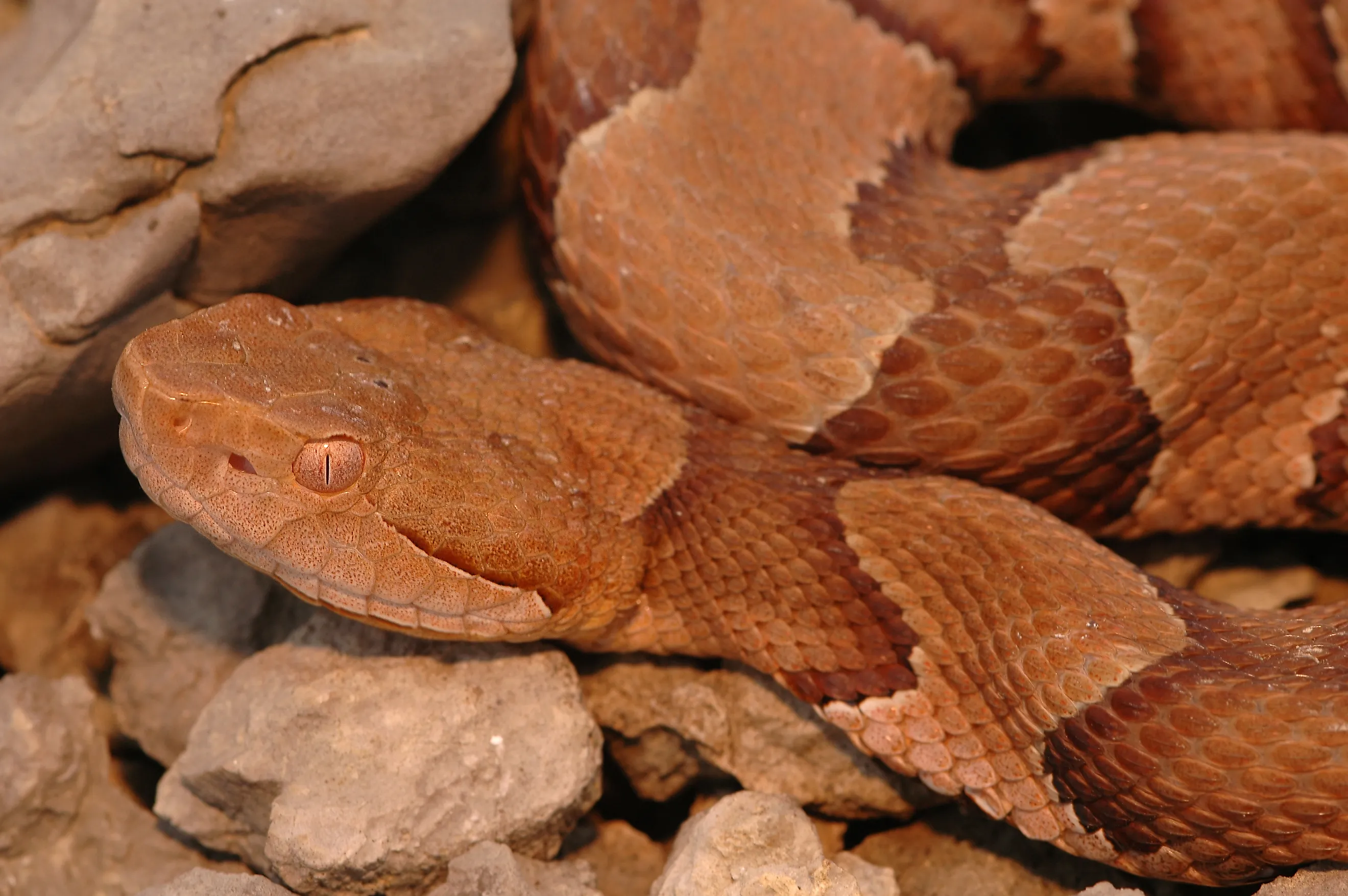
Missouri’s state parks reveal a rock-rich side of the Ozarks where rivers cut through limestone and dolomite, while nearby Precambrian granite of the St. Francois Mountains adds to a landscape shaped by karst processes over millions of years. Visitors will find parks where cliff-lined rivers, springheads, and hardwood ridges meet a diversity of reptiles, including venomous species that make the region notable for natural-history observers and cautious outdoorspeople alike.
The state’s parks include karst features, clear Ozark rivers, and abundant rock outcrops that create habitats for snakes such as the timber rattlesnake and the eastern copperhead while also offering popular trails, caves, and river recreation. Each park entry outlines the landscape to expect, why snakes are commonly encountered there, and safe practices for visitors who plan to hike, fish, or explore caves along Ozark waterways. So lace on sturdy hiking boots and set out to learn more about these wild corners of Missouri, where every trail and river bend offers a new lesson in natural history and adventure.
Johnson’s Shut-Ins State Park

Johnson’s Shut-Ins State Park centers on a dramatic stretch of the East Fork of the Black River where Precambrian rhyolite has resisted erosion and forced whitewater through narrow channels known as shut-ins. Rockslides, exposed outcrops, and shallow pools create warm, sunbaked ledges that snakes find attractive for basking. The combination of rocky talus and adjacent forest offers ideal denning and overwintering sites for species that favor crevices and south-facing slopes.
Park staff document a diversity of snakes in the region, and visitors are more likely to sight nonvenomous species, although the timber rattlesnake and copperhead are part of the Ozark snake community and occupy similar rocky, wooded habitats, especially on isolated ledges and glades. Hikers should stay on maintained trails, keep dogs leashed, and avoid placing hands or feet into crevices or under rock overhangs where snakes hide. The park’s river access and shallow pools make it a summer magnet for families and paddlers; careful attention to where one steps on the rocky landscape reduces the risk of an unwanted encounter.
Ha Ha Tonka State Park

At Ha Ha Tonka State Park, karst processes are on conspicuous display: springs, sinkholes, caves, and a dramatic natural bridge all result from the slow dissolution of carbonate bedrock in the Ozarks. The park’s deep gorge and sheer bluff faces create a mosaic of microhabitats where snakes find food, shelter, and sunning spots. The spring that feeds downstream rivers supports riparian corridors rich in amphibians and small mammals, which in turn provide prey for a variety of snake species.
Because the park has abundant cliff ledges and forested slopes, reptiles that favor rocky terrain are more often encountered here than in flatland parks. Naturalists have observed venomous species in karst landscapes across the Ozarks, where rock outcrops and quarry remnants provide denning crevices. Visitors who explore the ruins of Ha Ha Tonka Castle or scramble onto overlook bluffs should wear sturdy footwear, watch their step on loose rock, and be cautious when pausing near thick groundcover or stonework where a snake might be concealed. Guided programs and interpretive signage often stress wildlife safety and respect for reptile habitat.
Roaring River State Park

Roaring River State Park is renowned for its spring-fed trout stream and the narrow, steep valley that contains it, a setting that channels warm south-facing slopes and cool riparian pockets into a compact, biologically rich landscape. The park’s hatchery and the deep blue spring contribute to a vibrant mosaic of aquatic and terrestrial life; snakes that feed on frogs, small fish, and rodents are part of that food web.

Rocky benches and old stone structures created by early park development and Civilian Conservation Corps work provide ideal daytime refuges where snakes may bask before slipping back into leaf litter or rock cracks. Timber rattlesnakes historically used rocky, forested hollows in the Ozark hills for denning, and copperheads are regularly recorded in wooded, rocky river valleys. Anglers and trail users should wear boots and avoid reaching into brush or rock crevices. The park’s trails follow ridgelines and creekside benches, making careful route selection and common-sense caution the best ways to reduce close encounters with the region’s snakes.
Meramec State Park

The Meramec River gives Meramec State Park its character — carving broad bends, cutbanks, and caves into Mississippian dolomite and limestone; more than 40 caves lie within the park boundaries. Karst springs feed the river, creating a network of aquatic refuges and riparian forests that support amphibians, rodents, and birds, key prey items for many snake species. Rock ledges, cave mouths, and collapsed sinkholes offer ready shelter for snakes that prefer cool, moist crevices for part of the day and warmer rock surfaces for basking.
Historic human use of the Meramec valley has left quarry scars and old structures, which add to the mosaic of potential den and basking sites. Visitors who float, fish, or walk trail systems along the river should pay attention to where they step along bluffs or among boulder talus, and anglers should avoid reaching under rocks while wading. Park interpreters highlight both the rich karst geology and the importance of respecting wildlife, including snakes, which play a role in controlling rodent populations along river corridors.
Onondaga Cave State Park

Onondaga Cave State Park is named for its nationally significant cave system, and the park’s surface features are an extension of an extensive karst network. The cave’s cool interior supports trogloxenes, such as bats and transient amphibians, while the surface Vilander Bluff Natural Area provides high, rocky overlooks above the Meramec River. The diversity of microclimates, from cool subterranean passages to sunny glades, creates varied opportunities for reptiles. Rocky outcrops, wooded slopes, and cave entrances attract snakes that hunt along edges and near water.
Although caves themselves do not often host the densest concentrations of snakes, the immediate surface landscape provides corridors for movement and foraging. When park visitors enter cave tours, they can learn about cave ecology and the need to limit disturbance to wildlife; outside the cave, staying on designated trails reduces the likelihood of accidental encounters with snakes that use talus, brush, and river-edge logs as cover. The park’s educational programming often highlights safe wildlife viewing and the role of karst landscapes in shaping regional biodiversity.
Taum Sauk Mountain State Park

Taum Sauk Mountain State Park includes Missouri’s highest ground and a set of glades, highland forests, and wet-weather waterfalls in the St. Francois Mountains and nearby Ozark uplands. The park’s rocky glades and south-facing outcrops warm rapidly in spring, creating preferred basking locations for snakes after emerging from winter dens. The park’s species lists note both the timber rattlesnake and the copperhead among the fauna of upland rocky areas, along with numerous nonvenomous species that share the same general habitat.
Trail networks that climb to Mina Sauk Falls and panoramic overlooks run along ridgetop ledges and through oak-hickory woodland; hikers who leave trails to scramble on rock ledges increase their chance of a close encounter with a sunning snake. Wildlife managers and naturalists advise carrying a map, wearing appropriate footwear, and giving snakes a wide berth. The combination of high elevation, rocky glades, and seasonal wet-weather features makes the park both an appealing destination for hikers and a place where reptile awareness is warranted.
Elephant Rocks State Park

The massive red granite boulders of Elephant Rocks State Park form a trainlike series of outcrops and talus slopes that are a magnet for people who like to climb and photograph unusual geology. Those same boulder trains provide the nooks, crevices, and warm, sheltered microhabitats that many snakes favor for daytime shelter and for overwintering. Granite talus can retain heat into evening hours and give snakes reliable basking spots in early spring.
Because the park’s primary attraction is easy access to exposed rock, encounters with snakes are most likely along the base of the boulders, in nearby oak woods, and within leaf-litter-filled fissures. Park signage and educational materials encourage visitors to respect wildlife and to observe from a safe distance. For naturalists and photographers, the boulder maze is a rich setting for observing reptiles, but everyone should climb with caution, watch where they place hands and feet, and avoid stepping into narrow gaps between boulders where a snake might be concealed.
Respect the Rocks, Respect the Wildlife

Missouri’s Ozark parks owe much of their reptile richness to the karst and rocky landscapes that shape local ecology. Venomous species such as the timber rattlesnake and the eastern copperhead are part of the state’s natural tapestry, yet bites are rare when visitors practice sensible precautions: Stay on trails, wear sturdy footwear, do not place hands into crevices, keep pets under control, and learn the visual cues of venomous snakes.
Natural-history signage and park staff provide context for safe visits and often emphasize the important ecological roles snakes play in controlling rodent and amphibian populations. A well-prepared visit offers the chance to enjoy rivers, caves, glades, and granite halls while minimizing risk to both people and wildlife. Explore Missouri’s parks with curiosity and care.