6 Most Rattlesnake Infested Areas in Maryland
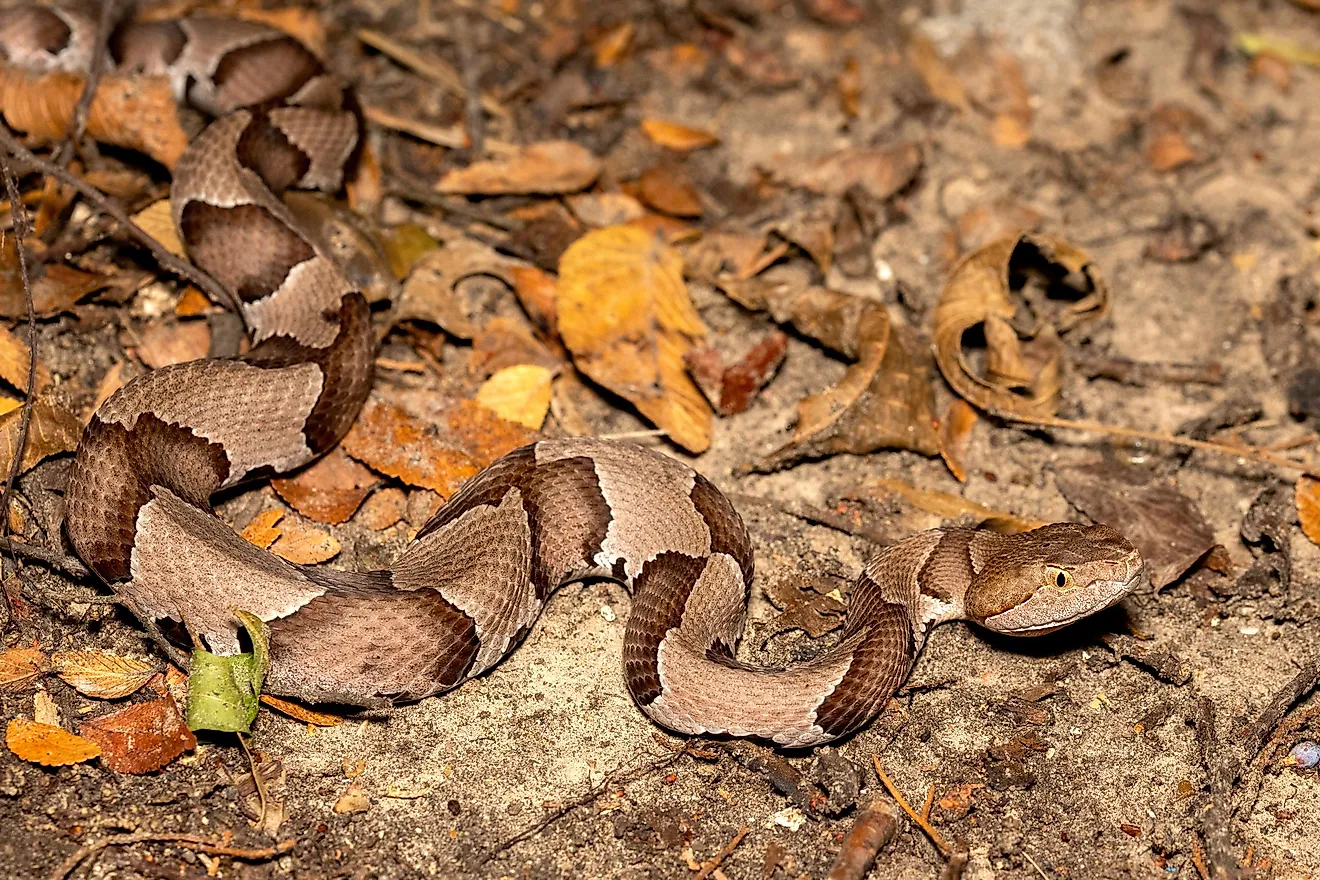
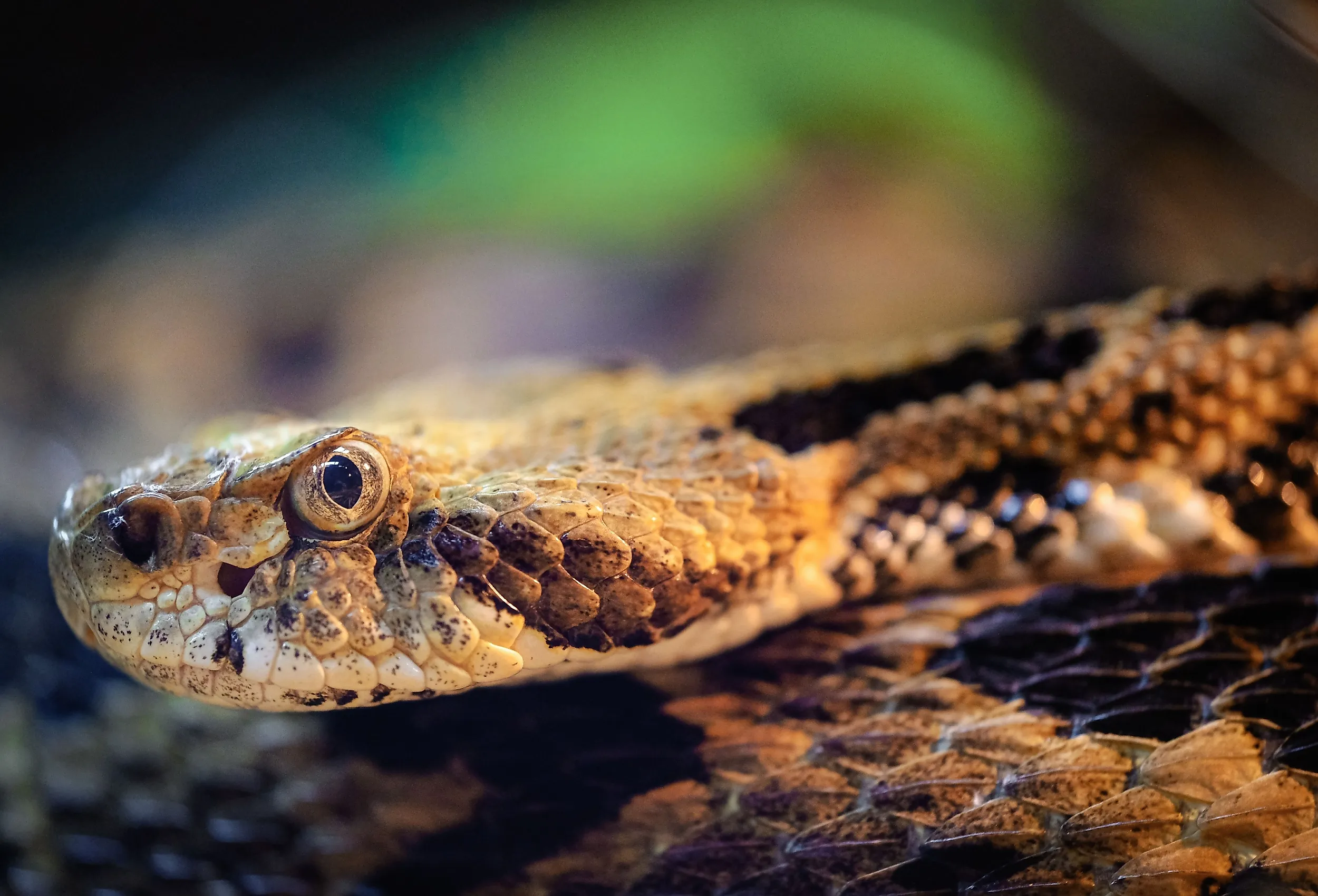
The timber rattlesnake (Crotalus horridus) is one of two venomous snakes native to Maryland, and its range within the state is narrow. Timber rattlesnakes need specific conditions to survive the winter: rocky ledges and talus fields where deep fissures drop below the frost line, south-facing slopes warm enough to support spring basking, and surrounding hardwood forest rich in rodents. Those requirements are only met in the western third of the state, where long Appalachian ridges, sandstone and quartzite outcrops, and relatively undisturbed public forest still support stable populations. Maryland lists the timber rattlesnake as a species in need of conservation, and populations outside the western mountains are either gone or significantly reduced. The six places below are the sites most closely associated with the species' ongoing presence in the state, and they share the same basic set of ecological ingredients.
Chimney Rock And Wolf Rock (Catoctin Mountain)

Frederick County marks the eastern edge of Maryland's primary timber rattlesnake range, and few places illustrate that better than the rocky heights around Chimney Rock and Wolf Rock on Catoctin Mountain. Steep talus slopes and exposed quartzite outcrops create textbook denning habitat, with deep fissures between boulders providing below-frost winter refuge and sunlit ledges offering efficient basking surface in spring and early summer.
The higher trails around Wolf Rock are especially well suited to the species because the broken quartzite retains warmth well into the afternoon. Combined with dense surrounding forest and a strong small-mammal prey base, the mountain holds everything a timber rattlesnake needs within a relatively compact range.
South Mountain's Appalachian Ridge

Running south through Washington and Frederick Counties, South Mountain forms one of the most continuous rattlesnake-friendly ridges in the state. Its long spine of rocky overlooks, mountain laurel thickets, and scattered boulder fields mirrors the upland terrain timber rattlesnakes favor throughout the Appalachians.
Areas near overlooks such as Annapolis Rocks and the quieter trail sections farther south hold particularly strong habitat. Warm rock shelves, continuous forest cover, and plentiful prey species such as gray squirrels and chipmunks combine to make the ridge a dependable stronghold. Because the Appalachian Trail crosses so much of this terrain, South Mountain is also one of the places where hikers are most likely to see the species at a safe distance.
Green Ridge State Forest

Green Ridge State Forest in Allegany County may be the best timber rattlesnake landscape in the state. At roughly 49,000 acres, it is Maryland's second-largest state forest, and it combines rugged ridge systems with steep Potomac River breaks, remote oak and hickory forests, and long stretches of minimally developed backcountry. The forest's isolation is a major factor. Timber rattlesnakes thrive where rocky den sites remain undisturbed year after year, and Green Ridge's shale slopes, dry south-facing hillsides, and remote ravines provide exactly that. Mast-producing hardwoods keep rodent populations strong, so feeding grounds remain reliable across the forest.
Savage River State Forest

Farther west, Savage River State Forest covers more than 54,000 acres across Garrett and Allegany Counties, making it the largest state forest in Maryland. It contains ridgelines, sandstone outcrops, and heavily wooded slopes that see less visitor pressure than many of the state's better-known parks, and its higher elevations expand the species' seasonal options.
The mix of elevation changes and rocky forest edges gives timber rattlesnakes multiple thermoregulatory options through the day. Cool forest interiors provide shelter during hotter hours, while nearby ledges and openings allow easy basking. The scale of the forest and the continuity of suitable habitat make Savage River one of the most defensible locations for a list focused on concentrated rattlesnake presence.
Rocky Gap And Evitts Mountain

Rocky Gap State Park is best known to visitors for Lake Habeeb, but the more important rattlesnake habitat lies above the waterline on the slopes of Evitts Mountain. The mountain's tilted sandstone slabs and fractured ridges create extensive crevice systems that serve as both summer shelter and overwintering sites.
Open rocky clearings along the mountain slope are particularly attractive to the species because they combine direct sunlight, low vegetation, and immediate access to forest cover. Seasonal movement between the cooler lower slopes and the warmer ridgeline allows timber rattlesnakes to regulate body temperature efficiently without traveling far from their dens.
Dans Mountain Wildlife Management Area

Dans Mountain is one of the most rugged snake-friendly landscapes in western Maryland. The Wildlife Management Area's steep slopes, sandstone cliffs, and mixed hardwood forests create a classic timber rattlesnake setting.
The mountain's ledges and broken rock shelves are especially important because they provide the sheltered crevices the species uses for denning. Compared with busier recreation areas, the relatively low level of foot traffic likely helps maintain more stable long-term habitat use, which makes Dans Mountain one of the state's most distinct rattlesnake-prone environments.
Timber Rattlesnakes In Maryland

Timber rattlesnakes are generally docile and defensive rather than aggressive. Bites are uncommon and almost always occur when the snake is approached too closely or accidentally stepped on, so keeping distance is the single most reliable safety measure. If a bite does occur, the person should remain calm, keep the bitten limb still and below heart level, remove rings or tight clothing that could constrict swelling, and reach emergency care as quickly as possible. Antivenom treatment is most effective when administered early.
Across these six sites, the same ecological ingredients keep showing up: fractured rock for denning, elevated forests for shelter, mast-producing hardwood stands for prey, and limited human disturbance. That combination is why Maryland's timber rattlesnakes are clustered in the western third of the state and largely absent everywhere else. These landscapes are not overrun with snakes. They are the places where the geology and ecology still work for one of the state's more specialized native predators.