6 Most Alligator Filled Places in Mississippi
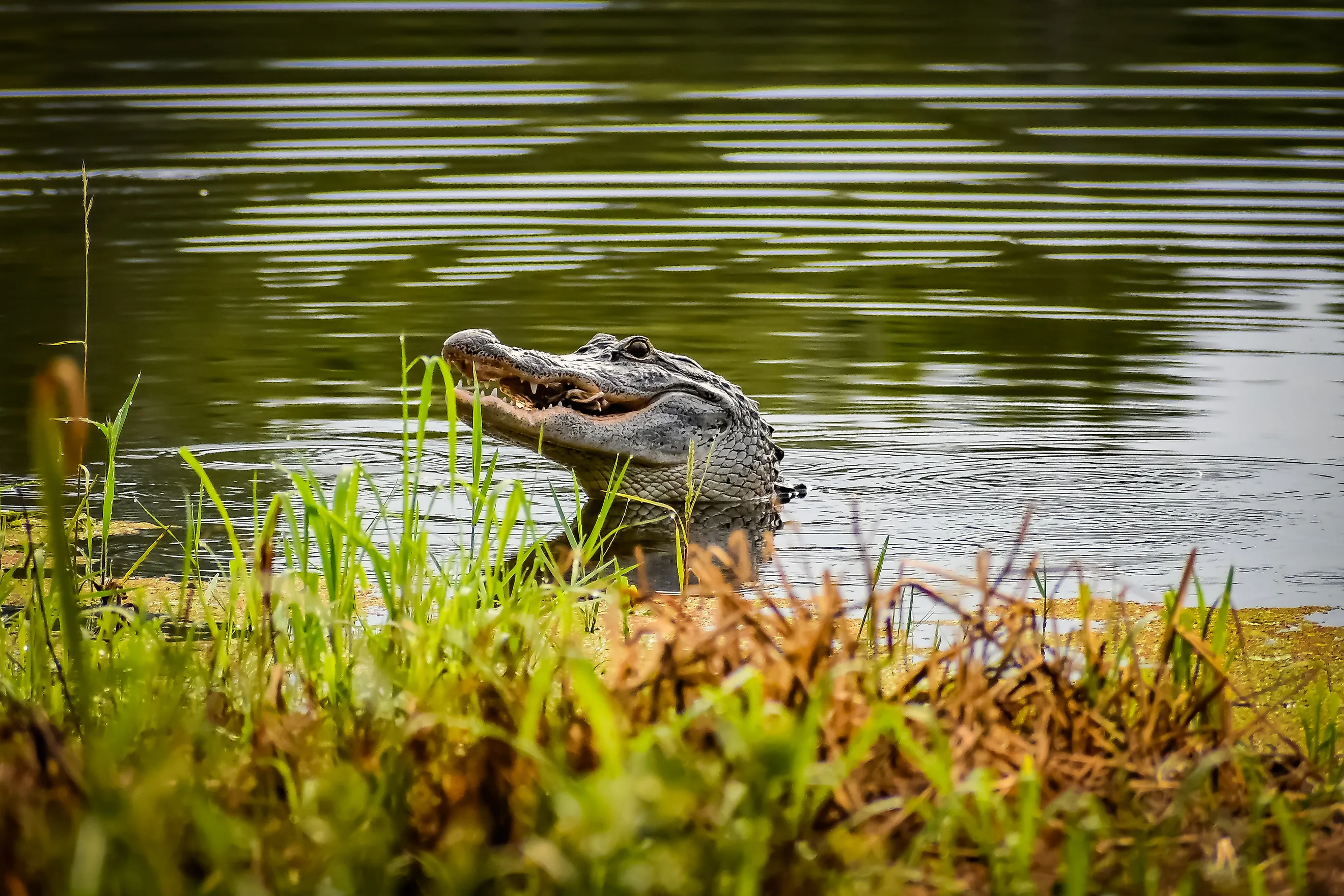
Alligators can be found in every county of Mississippi but are particularly prevalent in the southeastern region, where their preferred habitat is freshwater swamps, rivers, and lakes. There are around 32,000 - 38,000 alligators in Mississippi, and they’re known for their size. The alligators of Mississippi are larger, on average, than those found in other states, such as Florida or Louisiana, reaching over 10 feet long.
Alligators are a key species and a vital contributor to Mississippi’s diverse ecosystems. If you’re exploring Mississippi’s beautiful outdoors and near a freshwater body of water, you’ll likely be near an alligator but don’t panic. Gators generally aren’t a threat to humans unless they are harassed or fed. They don’t see people as food and prefer to avoid interactions. If you see one in the wild, keep your distance, stay calm, and enjoy the sight of one of nature’s most fascinating creatures!
Pascagoula River Basin

Around a quarter of Mississippi’s alligator population is found in the Pascagoula River Basin. This area is the ideal habitat for gators thanks to the vast network of rivers and bayous in the sprawling Pascagoula River drainage system, the last unimpeded major river system in the contiguous United States. Record-breaking gators have been sighted in the Pascagoula River Basin, reaching almost 14ft long. They thrive in these waters thanks to the abundance of freshwater fish species such as bass, bullhead, and sturgeon, as well as plentiful turtles and birds — all good sources of food for hungry alligators.
There are some heavily populated areas within the basin, including the towns of Pascagoula, Moss Point, Meridian, Hattiesburg, and Laurel, which can lead to interactions between alligators and humans. So-called ‘nuisance alligators’ are alligators which have lost their fear of humans and are regular visitors to populated areas. These must be reported to the Mississippi Department of Wildlife, Fisheries, and Parks who will safely remove them.
Yazoo River

Alligators are found throughout the Yazoo River which follows the course of the better-known Mississippi River and runs by cities including Greenwood and Yazoo City. The river’s large alligator population makes it a popular spot for hunters. Alligator hunting is legal in Mississippi, although it is heavily regulated. Permits are required and hunting is only allowed in specific seasons.
In 2023, the Yazoo River was thrust into the spotlight thanks to a record-breaking catch. After a seven-hour battle, a group of hunters pulled a huge 14 ft, 3 inches gator from the water, the longest officially recorded in the state. One of the Yazoo’s tributaries, Little Sunflower River, is known for its huge gators. A recent conservation study found that 22% of the alligators found in the river were over 10ft long.
Alligator Lake

As the name suggests, Alligator Lake in Mississippi’s Washington County is home to quite a few of the prehistoric predators. This approximately 60-acre oxbow lake lies in Leroy Percy State Park, built in the 1930s and is the oldest state park in Mississippi. The park is also a designated wildlife management area.
The lake is well-stocked with crappie, sunfish, and bass, but anglers have to compete with the lake’s many resident alligators, who can often be seen sunning themselves on the banks, draped over logs, or sheltering under the Cypress Trees on the shoreline. Visitors to the park can safely view the alligators from an observation tower overlooking the water.
Tchoutacabouffa River

The Tchoutacabouffa River, located north of Biloxi, is another alligator hotspot. Winding through the De Soto National Forest for over 30 miles, this beautiful body of water takes its name from the French spelling of the Biloxi word for ‘broken pot’ and is a fishing paradise stocked with plentiful crappie and bass.
The thriving fish population and deep freshwaters of the river make it a haven for alligators which are frequently sighted in the Tchoutacabouffa. The alligators here are generally smaller than those found elsewhere, but most are under 10 feet long. This is because there are several urban and residential areas along the Tchoutacabouffa River. More development means more human-alligator interaction, so larger alligators are removed.
Ross Barnett Reservoir

Locally called ‘the Rez,’ the Ross Barnett Reservoir ranks among the busiest recreation spots in Central Mississippi. Each year, hundreds visit to fish, boat, hike, and camp. With a sizable alligator population, it’s one of the few places in the state where gators and humans coexist peacefully. Its freshwater habitat offers marshy banks, gentle currents, and abundant fish — ideal conditions for gators. Hunters are allowed to hunt during the designated alligator season, usually in late summer.
Pearl River

The Pearl River runs south to the coast through Louisiana and Mississippi before draining into the Gulf of Mexico. It’s a busy river, with lots of recreational use. The Pearl flows through the LeFleur Bluffs State Park, named for a French explorer who set up a trading camp on the banks of the river, where visitors can camp, fish, boat, and hike scenic nature trails.
The Pearl River, a vibrant habitat for wildlife, hosts numerous species such as the endangered gulf sturgeon and ringed sawback turtle. This rich diversity has enabled the river’s resident alligator population to flourish. In 2022, hunters captured a female alligator measuring 10 ft 3 inches, setting a new state record for the largest female alligator.
Respecting and Understanding Mississippi’s Gator Population
Alligators are amazing creatures. They can reach a speed of up to 20mph in the water, they live between 35 and 50 years, and they can go without food for several months. They’re also one of the oldest creatures on earth and can trace their beginnings back through the centuries thanks to fossil records.
Although there have been several reports of alligator-related injuries in Mississippi, these incidents usually happen when the animal is harassed, has been fed by humans before, or is startled and reacts defensively. Gators generally do not want to eat humans, but they do enjoy preying on small pets. If you’re traveling with a pet, stay extra cautious around water. Don’t let fear of alligators prevent you from enjoying Mississippi’s beautiful waters—just take safety measures like keeping pets on a leash, avoiding swimming at night, and paying attention to signs, as most lakeside or river recreation areas will post alligator warnings when necessary.