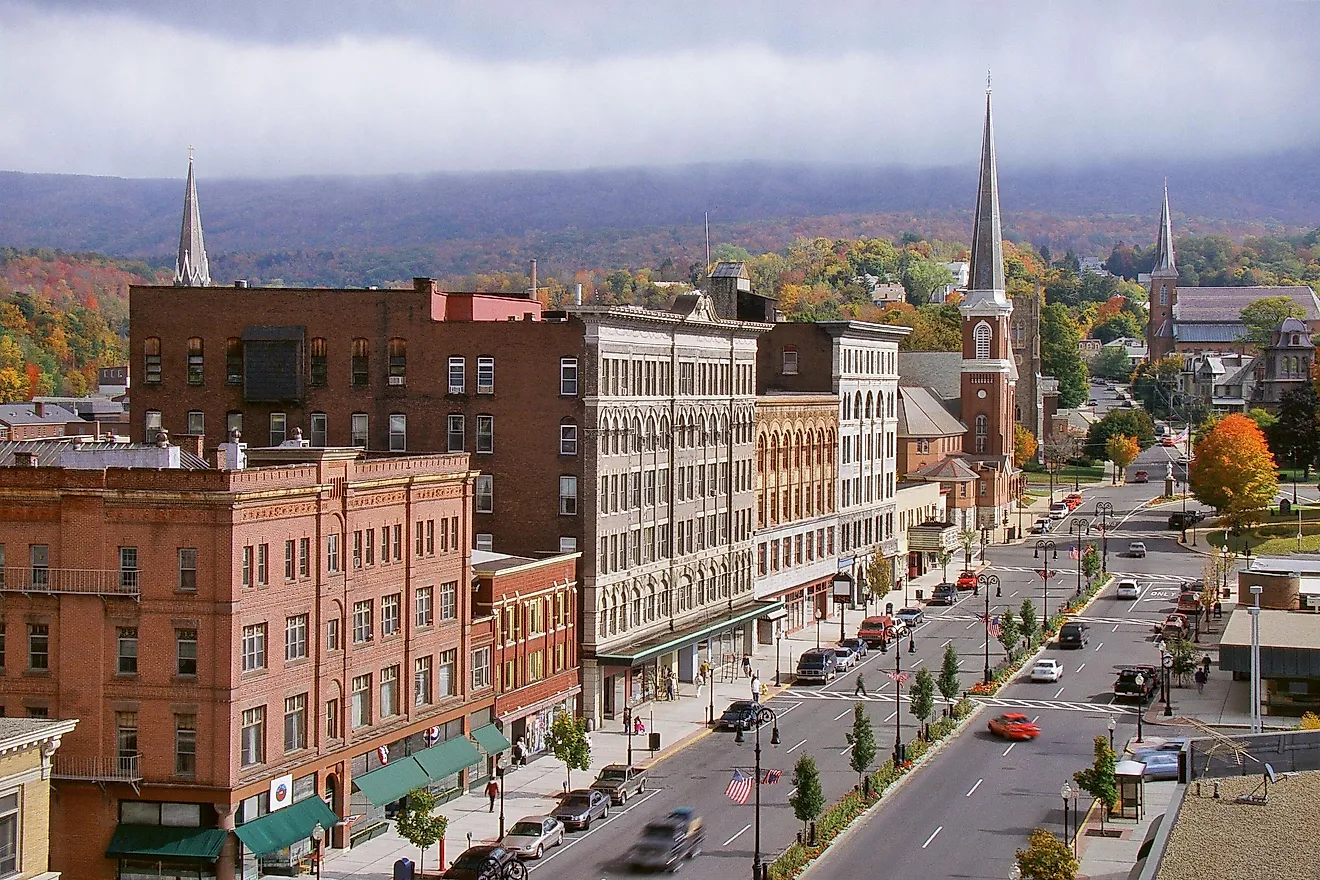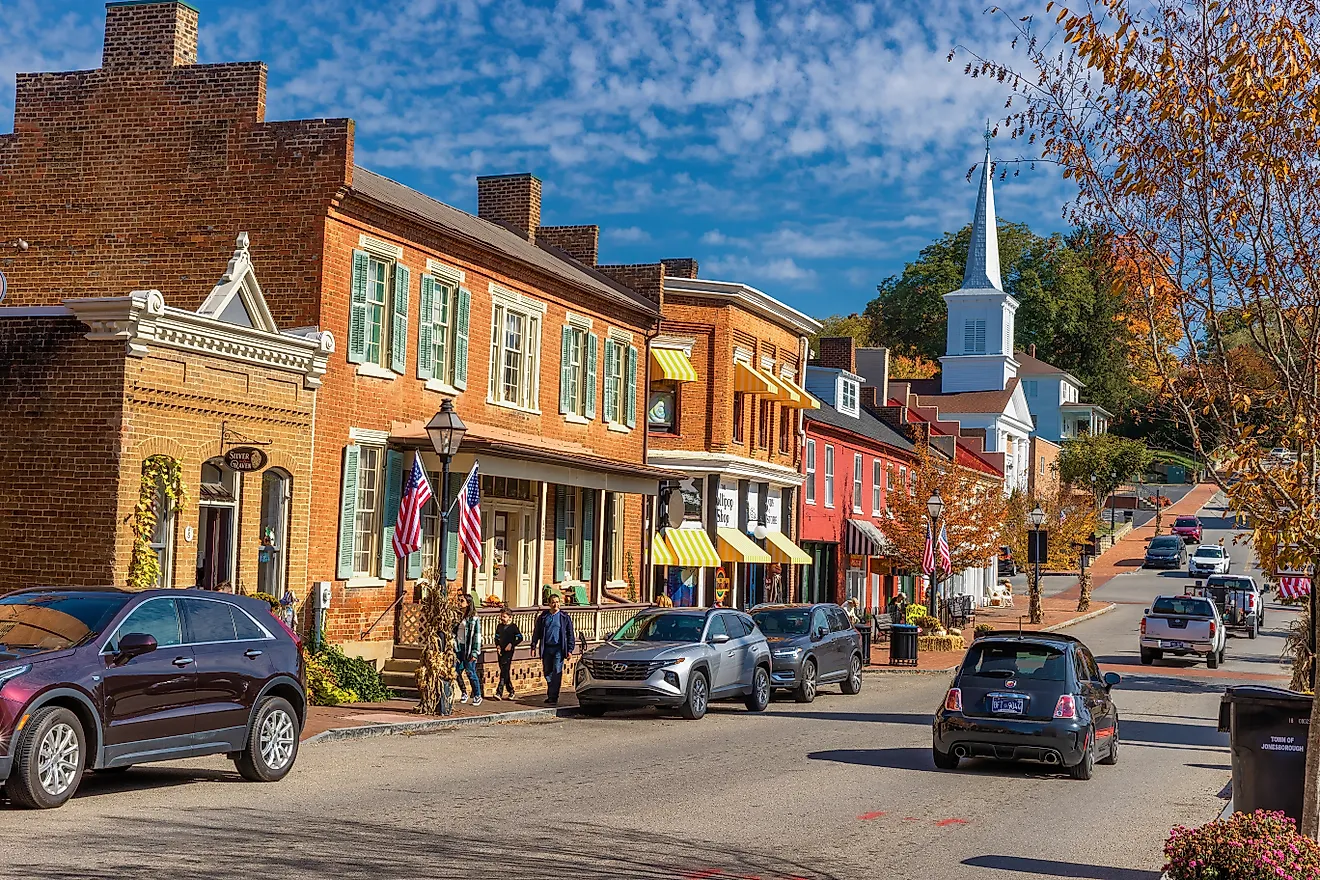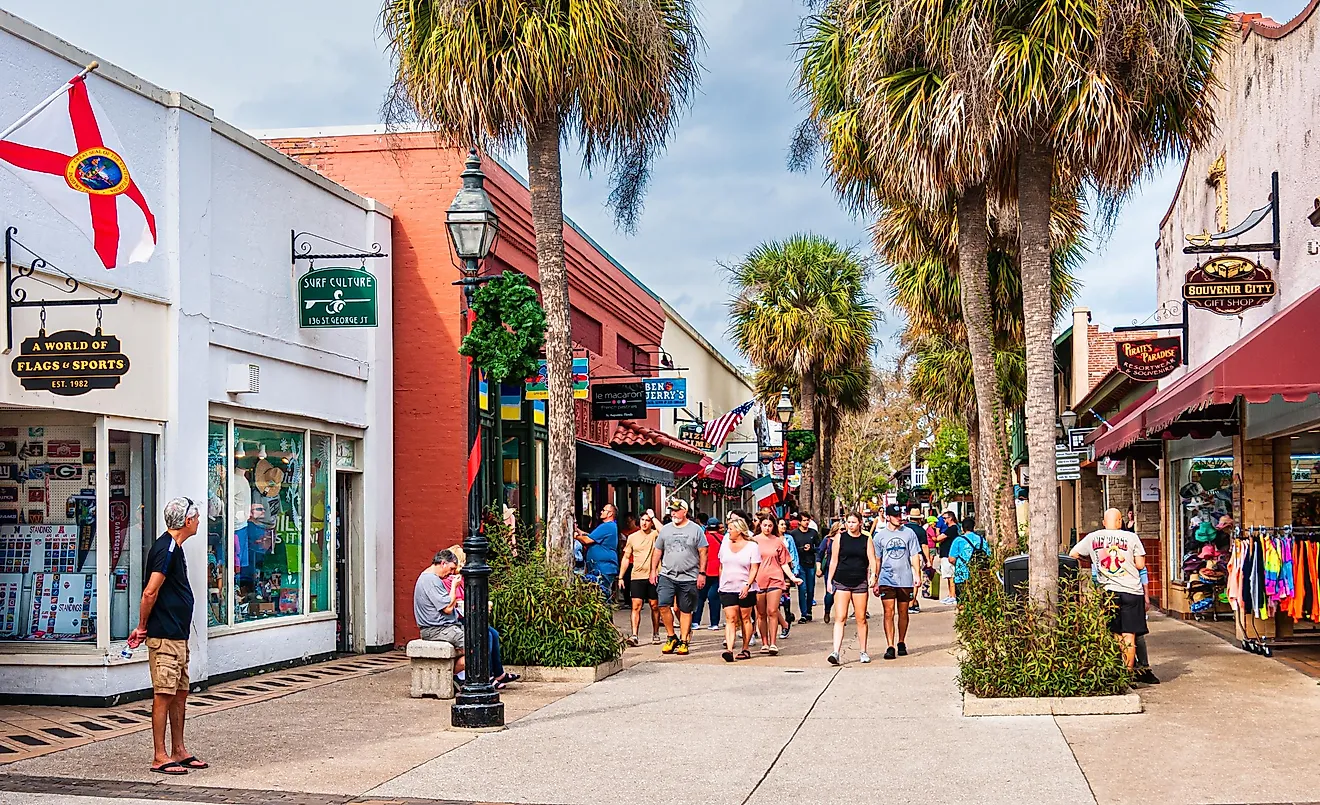
Where People Are Moving To In Northern California In 2026
Most California headlines track the people leaving. The bigger 2026 story runs the other way, inside the state's own borders. Priced out of the Bay Area, families are pushing into the Central Valley and the Sacramento suburbs. A few hours north, whole neighborhoods are rebuilding on ground the Camp Fire took in 2018. Others are landing in regional hubs where the hospital and the college do the hiring. These seven places show where Californians are moving and staying in state.
Lathrop

Lathrop is the clearest boomtown on the list. The state's Department of Finance clocked it at 40,942 residents in its January 2026 estimates, a 5.5% jump in a single year that added 2,151 people, making it the second-fastest-growing California city with more than 30,000 residents. Most of the newcomers are Bay Area households trading Alameda County prices for room to breathe.
The draw is attainable new construction. Most of it is going up in River Islands, a master-planned waterfront community on the San Joaquin Delta. The state counted 765 new single-family homes in Lathrop in 2025, nearly 95% of all its new housing and the third-highest single-family total of any city in California. Residents walk and cycle the paths around the River Islands lakes. Mossdale Crossing Regional Park puts a boat launch and fishing access on the river. And each fall, Dell'Osso Family Farms runs a corn maze and holiday events on the edge of town.
Mountain House
No California city grew faster in 2025. The Department of Finance clocked Mountain House at 30,687 residents in its January 2026 estimates, a 5.6% jump that added 1,639 people and made it the fastest-growing city in the state among those over 30,000, just ahead of Lathrop a few miles up the road. For a place that only became a city in July 2024, that is a remarkable opening act.
The whole town was built on purpose. Mountain House is a master-planned community in San Joaquin County, laid out with tree-lined streets that connect to parks and trails and schools within walking distance of the homes. New neighborhoods are still going in, including The Lakes, a waterfront development on the west side. The draw is plain: it sits roughly 55 miles from San Jose and a short drive from the East Bay, so a Bay Area worker can own far more house here than back over the Altamont. A growing town center anchors the community with a library, pools, and gathering space.
Roseville

Roseville is less a bedroom community than a full-service employment center in its own right. It sits in Placer County, which the Department of Finance ranked as California's fastest-growing county in its January 2026 estimates, up 1.39%. Most of the people arriving come from elsewhere in California, with neighboring Sacramento County the largest single source.
Roseville keeps building to match, adding 1,151 single-family homes in 2025, one of the highest single-family totals in the state. The Maidu Museum and Historic Site protects petroglyphs and interpretive trails on the east side of town, and Maidu Regional Park wraps trails and gardens around it. Miner's Ravine Trail runs a paved route for walkers and cyclists. The Fountains and the Westfield Galleria cover an afternoon of shopping and dining.
Lincoln

Lincoln rides the same Placer County wave as Roseville, just farther out. The county was California's fastest-growing in the Department of Finance's January 2026 estimates, and Lincoln has been one of its steadiest gainers, climbing from just under 50,000 residents at the 2020 census toward the high 50,000s on a steady run of new subdivisions. It draws the same Sacramento-region and Bay Area overflow, with more land and lower prices than the closer-in suburbs.
Lincoln is not just rooftops, though. Gladding, McBean has been firing architectural terra cotta from the local clay here since 1875, one of the oldest companies in California, and its kilns supplied ornament for landmarks as far off as the Wrigley Building in Chicago. The preserved downtown around Beermann Plaza still runs on independent shops and local restaurants and hosts community events through the year. On the edge of town, Thunder Valley Casino Resort, opened in 2003 by the United Auburn Indian Community, has grown into one of the area's largest employers and draws visitors from across the region.
Hollister

Hollister is a South Bay spillover story. It sits in San Benito County, which the state ranked third among California counties for percentage growth in its January 2026 estimates, and migration data points to Santa Clara County as the dominant source, with households trading some Silicon Valley proximity for space and rolling-hill country.
Hollister also holds an identity newer subdivisions cannot manufacture. The city runs a historic-home walking tour through its older streets, and a downtown public-art route threads the same blocks. The certified farmers market sets up in season. And the Hollister Rally carries a motorcycle tradition dating to 1947, when a Fourth of July gathering turned the town into what enthusiasts still call the birthplace of the American biker, the event that inspired the 1953 film "The Wild One."
Paradise

Paradise needs a different lens. Its growth is a recovery, not a real-estate boom. The Camp Fire leveled the town in 2018, and it has been rebuilding ever since. In its January 2026 estimates, the Department of Finance put Paradise at 10,581 residents and pegged its 9.2% jump, the largest housing-driven population growth of any city in the state, directly to new home construction. State housing officials have pointed to fresh affordable developments as the rebuild continues.
Community life is returning with the rooftops. Paradise Lake reopened its shoreline to boating and walking. The Gold Nugget Museum keeps the town's Gold Rush history. Theatre on the Ridge stages local productions, and the Paradise Performing Arts Center books concerts and touring shows.
Santa Rosa

Santa Rosa is the urban version of the wine-country move. In Sonoma County, migration has done nearly all of the recent population work, and most of those arrivals come from within California, with Marin County a leading source. The pull is a real regional job base sitting right beside the vineyards.
Santa Rosa is the North Bay's hub for hospitals, government, shopping, and jobs, with tourism and high-tech manufacturing on top. The Charles M. Schulz Museum honors the cartoonist who drew Peanuts here for the last decades of his life, and Snoopy's Home Ice keeps a public skating rink next door. Historic Railroad Square fills its stone-fronted blocks with shops and restaurants. A city map even guides visitors to more than 100 Peanuts character statues scattered around town.
One Region, Many Reasons
These seven communities run on different engines. Some newcomers chase new construction or a regional paycheck. Others want space, a working small town, or the chance to rebuild what they lost. What ties all seven together is real, documented growth in a state whose headlines usually run the other way.