5 Tick Infested Areas In Southern California
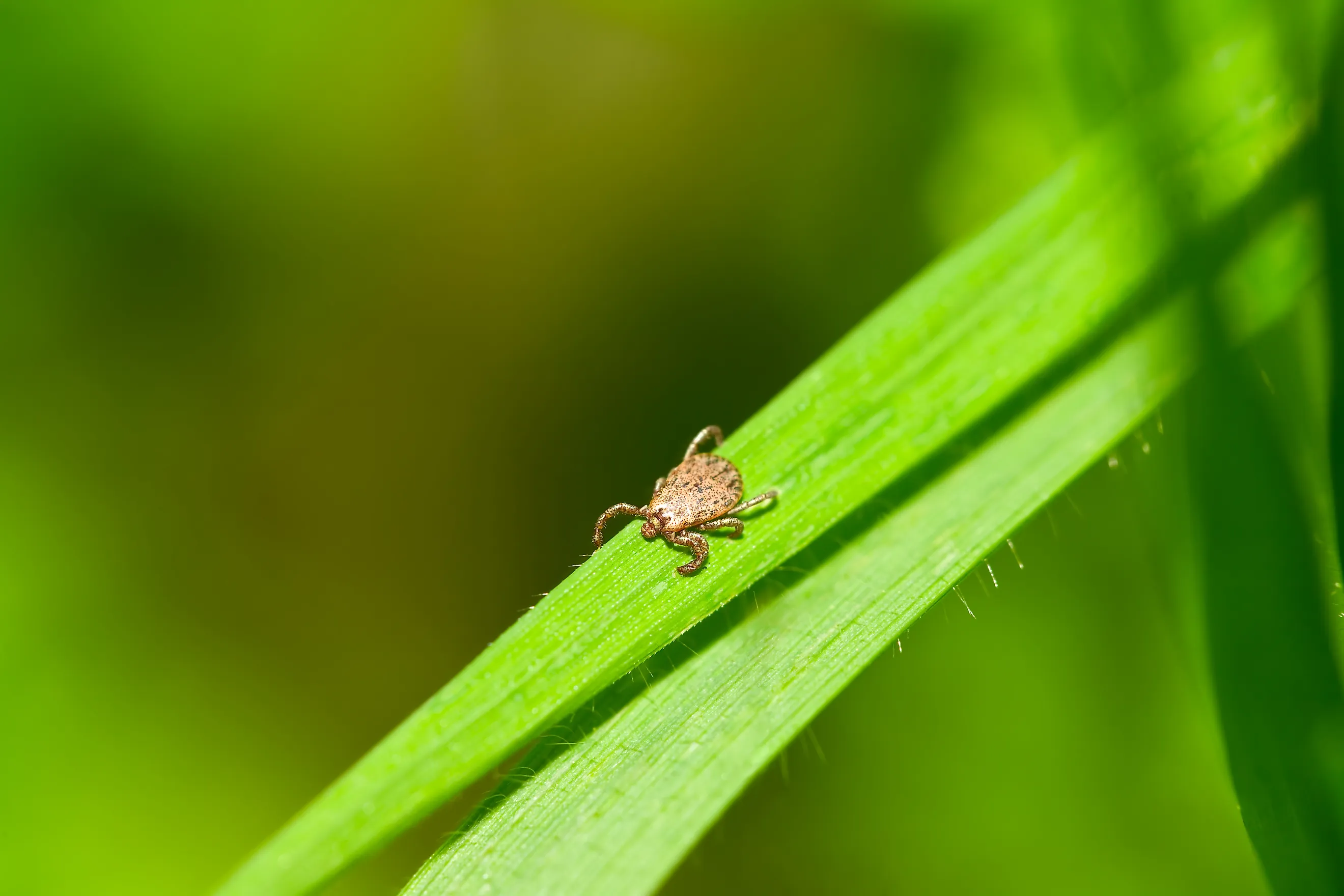
Ticks in Southern California keep to the edges, where trails cut through oak shade, chaparral, and canyon brush rather than open ground. Two species drive most of the risk here. The western blacklegged tick (Ixodes pacificus) carries the bacterium behind Lyme disease, though infection rates in the south stay far below Northern California's. The Pacific Coast tick (Dermacentor occidentalis) matters for a different reason: it can pass along Pacific Coast tick fever and related spotted-fever infections. Health agencies have counted both species by the hundreds at specific recreation sites, and a handful of Pacific Coast ticks pulled from these trails have tested positive for the pathogen that causes Pacific Coast tick fever.
San Gabriel Mountains

Public health researchers picked the Sturtevant Falls Trail, in the Chantry Flat Recreation Area northeast of Pasadena, as a sentinel site precisely because its conditions favor ticks. Dense oak canopy and deep leaf litter hold humidity and even out temperature swings, and ticks need both to survive between blood meals. The western blacklegged tick sticks close to oak woodland, while the Pacific Coast tick turns up in the surrounding brush and shrub.
The California Department of Public Health ran its Southern California sentinel program at Sturtevant Falls to track seasonal tick activity and pathogen levels. Over a stretch from early 2019 into the summer of 2020, collectors reported 525 western blacklegged ticks and 250 Pacific Coast ticks from the trail. One female Pacific Coast tick tested positive for Rickettsia philipii, the spotted-fever bacterium once labeled Rickettsia 364D and now recognized as the cause of Pacific Coast tick fever.
Beyond Lyme disease, the western blacklegged tick can also transmit anaplasmosis and hard-tick relapsing fever, though the Lyme risk this far south runs well below the rate in Northern California. The 2020 Bobcat Fire swept through the area afterward and closed out that phase of the surveillance work.
Puente Hills And Schabarum Regional Park

When the Bobcat Fire shut down Chantry Flat, the state moved its sentinel operation to Schabarum Regional Park, in the undeveloped hills around Rowland Heights and Hacienda Heights. The grass, shrub cover, and leaf litter there give ticks somewhere to wait for a passing host. The Pacific Coast tick concentrates along the ecotone, the seam where chaparral meets grassland, with access to both plant types and the wildlife that crosses between them.
The counts at Schabarum climbed well past the earlier site. Collectors reported 503 western blacklegged ticks, 1,288 Pacific Coast ticks, and 27 American dog ticks (Dermacentor similis, the western species split off from the American dog tick group). Eighteen female Pacific Coast ticks tested positive for Rickettsia philipii, the largest local pathogen finding from any of these surveillance trails.
The American dog tick can carry Rocky Mountain spotted fever and tularemia. A tick species turning up at a site does not by itself mean disease is spreading there, only that the vector is present.
Ventura County Mountain Trails

The trails climbing out of Ojai and into the Los Padres National Forest pass through the oak woodland and chaparral that ticks favor, shaded and slow to dry out. The western blacklegged tick shifts hosts as it grows: larvae and nymphs feed on lizards, birds, and rodents, while adults go after larger mammals such as deer. Coastal moisture pushing inland through the mountain passes keeps conditions damp enough for ticks to persist through the year.
County vector-control crews have turned up ticks along these routes repeatedly. In 2022, they reported 31 western blacklegged ticks and 17 Pacific Coast ticks from the Potrero John Trail, and 5 western blacklegged ticks alongside 89 Pacific Coast ticks from the nearby Cozy Dell Trail. The 2021 surveys ran the same direction, with Cozy Dell producing 2 western blacklegged ticks and 158 Pacific Coast ticks.
Ventura County reports that adult western blacklegged ticks show up most often between December and June, when humidity runs higher, which lines up with the late-fall-through-spring window when this species is most active. Pacific Coast ticks can transmit Pacific Coast tick fever. Worth noting: none of the western blacklegged ticks collected in the county's 2022 survey carried the Lyme disease bacterium.
San Diego County Wildland Trails

San Diego County's backcountry trails run through chaparral, coastal sage scrub, and oak woodland, a spread of habitats that supports an unusually varied tick population. In the mild coastal climate, several species hold on at once. Pacific Coast ticks cluster where chaparral meets grassland, while western blacklegged ticks stay in the denser, leaf-littered woodland. County vector-control staff name both as common local species and warn that between them they can pass along Lyme disease, tularemia, and spotted fevers.
A long-running county study found Pacific Coast ticks the most abundant species collected from vegetation, peaking in March and April. Western blacklegged ticks came second, peaking a month earlier, in February and March. Adult Pacific Coast ticks turned up most often on black-tailed deer, while the immature stages fed heavily on rodents.
More recent county surveillance still tracks all three species across the trail network. Every one of the 77 batches of western blacklegged ticks tested for Lyme disease in 2024 came back negative, and county investigators often trace reported Lyme infections to exposures picked up outside San Diego entirely.
Coastal And Inland Orange County Hills

Orange County's surviving wildland, a patchwork of chaparral, grassland, brush, and woodland, suits both the Pacific Coast and western blacklegged tick. Along the coast, where the marine layer raises humidity, the Pacific Coast tick ranks among the most common ticks in the county. Older surveys confirm the western blacklegged tick locally, and more recent statewide work has repeatedly collected Pacific Coast ticks in the area.
Researchers have paid Orange County particular attention in their Pacific Coast tick fever work. Scientists sampling adult Pacific Coast ticks across California detected Rickettsia philipii in specimens from Orange County, direct evidence that the pathogen circulates locally in the tick that spreads the disease. The Orange County Vector Control District likewise names the Pacific Coast tick among the most common ticks countywide, especially near the coast.
The western blacklegged tick here can carry Lyme disease, though California's highest-risk zones sit farther north, in the northern coastal counties, the Sierra foothills, and the San Francisco Bay Area.
Staying Ahead Of The Bite
The pattern across all five areas is consistent: exposure concentrates around brush, tall grass, wooded trails, and canyon vegetation at the wildland edge, not in some remote backcountry most people never reach. State health guidance is straightforward. Use an EPA-registered repellent, check yourself and your pets after time outdoors, shower once you are back inside, and run the clothes you wore into tick habitat through a hot dryer cycle. Late fall through spring is the stretch to watch for western blacklegged tick activity, while Pacific Coast ticks can turn up in other seasons. For anyone wanting to check conditions close to home, the California Department of Public Health keeps an interactive Lyme Disease and Tick Surveillance Map with local records.