5 Tick Infested Areas In North Carolina
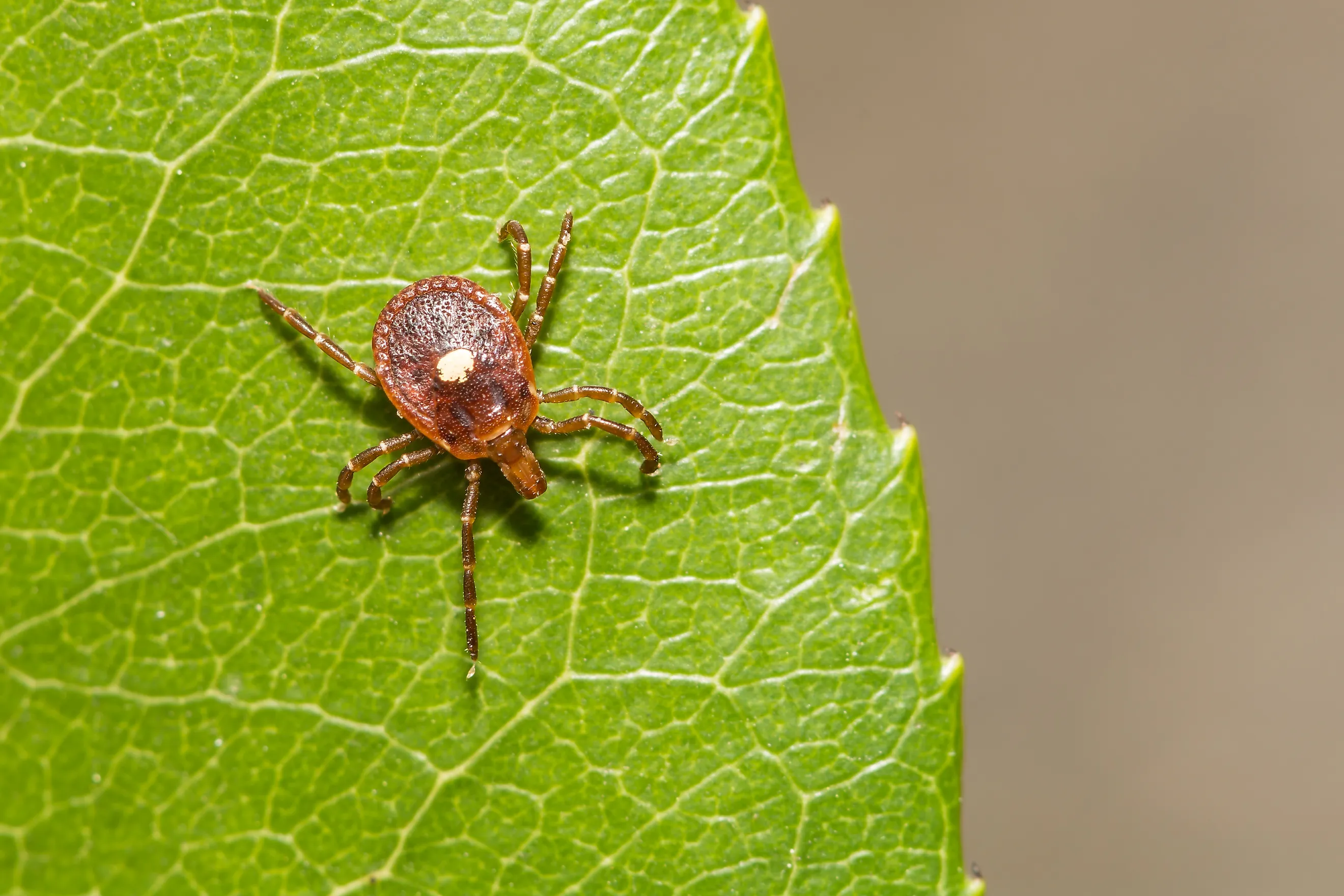
North Carolina supports a healthy and varied tick population, largely due to its plethora of forest cover, warm seasonal conditions, and abundant wildlife hosts. Species such as lone star ticks (Amblyomma americanum), blacklegged ticks (Ixodes scapularis), and American dog ticks (Dermacentor variabilis) are established across practically all of the state, with concentrations rising in wooded recreation areas, around riverways, and lowland pine forests.
Places like the Croatan National Forest, the Sandhills, and sections of the Piedmont consistently register high encounter rates, namely in spring through early fall when tick activity peaks. Find out more about these spots and why they are so infested with these potentially disease-carrying arachnids.
Uwharrie National Forest

Uwharrie National Forest is among the most tick-prone areas in North Carolina, particularly for lone star ticks. Covering more than 50,000 acres in the state's Piedmont region, the forest contains extensive hardwood stands, dense understory vegetation, and abundant wildlife that help sustain such large tick populations. White-tailed deer are especially important hosts for adult lone star ticks, while smaller mammals and birds support younger life stages.
Hikers, campers, hunters, and mountain bikers frequently use the forest's trail network, increasing the chances of tick encounters with humans. Lone star ticks are also aggressive host-seekers and will actively move toward people and animals rather than waiting passively on vegetation. You certainly want to be mindful of this, as the species is associated with several illnesses, including ehrlichiosis and Alpha-gal syndrome, the latter triggering an allergy to red meat.
The lone star tick range has expanded significantly across North Carolina during recent decades, with tick activity usually being highest from spring through early fall, though run-ins can occur year-round.
Croatan National Forest

The Croatan National Forest is another major hotspot for lone star ticks, as well as American dog ticks. Located between New Bern and the Crystal Coast, this forest contains extensive pine forests, pocosins, wetlands, and brushy habitat that provide ideal conditions for ticks. The area's warm climate and high humidity allow ticks to remain active for much of the year, while local white-tailed deer, raccoons, opossums, wild turkeys, and numerous small mammals serve as hosts throughout their life cycle.
Croatan's extensive network of hiking trails, hunting areas, and backcountry roads brings thousands of human visitors into this tick-infested preserve annually. Knowing that, American dog ticks are particularly common along grassy edges and trail corridors, where they wait for passing hosts. The species can also transmit Rocky Mountain spotted fever, a disease that remains a concern across several regions around the United States.
Great Smoky Mountains

The Great Smoky Mountains of western North Carolina supports several tick species, including blacklegged ticks, American dog ticks, and increasing numbers of lone star ticks at lower elevations. Its combination of dense forests, abundant wildlife, and millions of annual visitors creates frequent opportunities for tick bites. Blacklegged ticks here are of particular concern because they can transmit the bacteria that cause Lyme disease.
While cooler temperatures at higher elevations can limit tick activity, lower valleys and foothill areas often support substantial populations. Trails, campsites, forest edges, and areas with heavy leaf litter are especially productive tick zones, and encounters are most common from spring through fall, though some species can remain active during mild winter periods.
Sandhills Game Lands

The Sandhills Game Lands in the south-central portion of the state are a significant hotspot for lone star ticks, mainly in spots where its longleaf pine forests meet shrub cover. Their abundance has increased across much of the southeastern United States, including North Carolina's Sandhills region, no less.
Spanning more than 60,000 acres across Richmond, Scotland, Hoke, and Moore counties, the property supports large populations of deer, wild turkeys, foxes, and small mammals that often act as hosts throughout the tick life cycle.
Lone star ticks thrive in the area's warm, sandy environments and are commonly found along game trails, woodland edges, and patches of dense vegetation. As said before, unlike some tick species that remain stationary while waiting for hosts, lone star ticks also actively move toward nearby animals and people.
Eno River State Park

Eno River State Park in the northern Piedmont just outside of Durham is a consistent site for blacklegged ticks and American dog ticks, primarily along its wooded river corridor and adjacent upland forests. The park’s landscape is defined by steep slopes, mixed hardwood stands, and lots of leaf litter that retains moisture well into the warmer months. Moreover, chipmunks, deer, mice, and a range of ground-foraging birds maintain the host network that supports tick development.
Popular paths such as the Cox Mountain Trail and Buckquarter Creek Trail pass through shaded, brush-lined sections where ticks are commonly encountered. Blacklegged ticks are the main concern here due to their association with Lyme disease transmission, while American dog ticks are more often found in open or transitional areas. As usual, seasonal activity is at its highest in late spring and summer, when humidity levels and host movement are also high across this river valley system.
Be Tick Aware in the Wilds of North Carolina
From coastal pine forests to Piedmont reservoirs and mountain valleys, multiple species in this southern state maintain stable populations where hosts are consistent. Seasonal peaks in the warmer months increase exposure risk statewide, especially in wooded areas, trails, and game lands where outdoor adventurers frequent and contact with vegetation is unavoidable. With that, try to wear long clothing while hiking and always check for latched-on ticks before entering your car or home.