5 Rattlesnake Hotspots In Colorado
Comprising semi-desert shrubland, redrock canyons, vast plains, and forested foothills, Colorado seems perfect for all kinds of rattlesnakes. Yet the Centennial State boasts just three rattlesnake species—the prairie rattlesnake, western massasauga, and the Western rattlesnake—a low number compared to states like Arizona (~13) and Texas (~10). But do not confuse a lack of rattlesnake species with a lack of rattlesnakes in general. Rattlesnakes from those three species cover much of the state, save for the alpine Rockies, and congregate in the following locales. Feast your eyes on—or shield them from—five rattlesnake hotspots in Colorado.
Garden of the Gods

If Garden of the Gods is literally a garden of the gods, the gods must be snaky. Perhaps they are Quetzalcōātl and Kukulkan, two serpentine deities from Mesoamerican mythology, who, judging by the myriad rattlesnakes in this Colorado park, give special protection to their corporeal models.
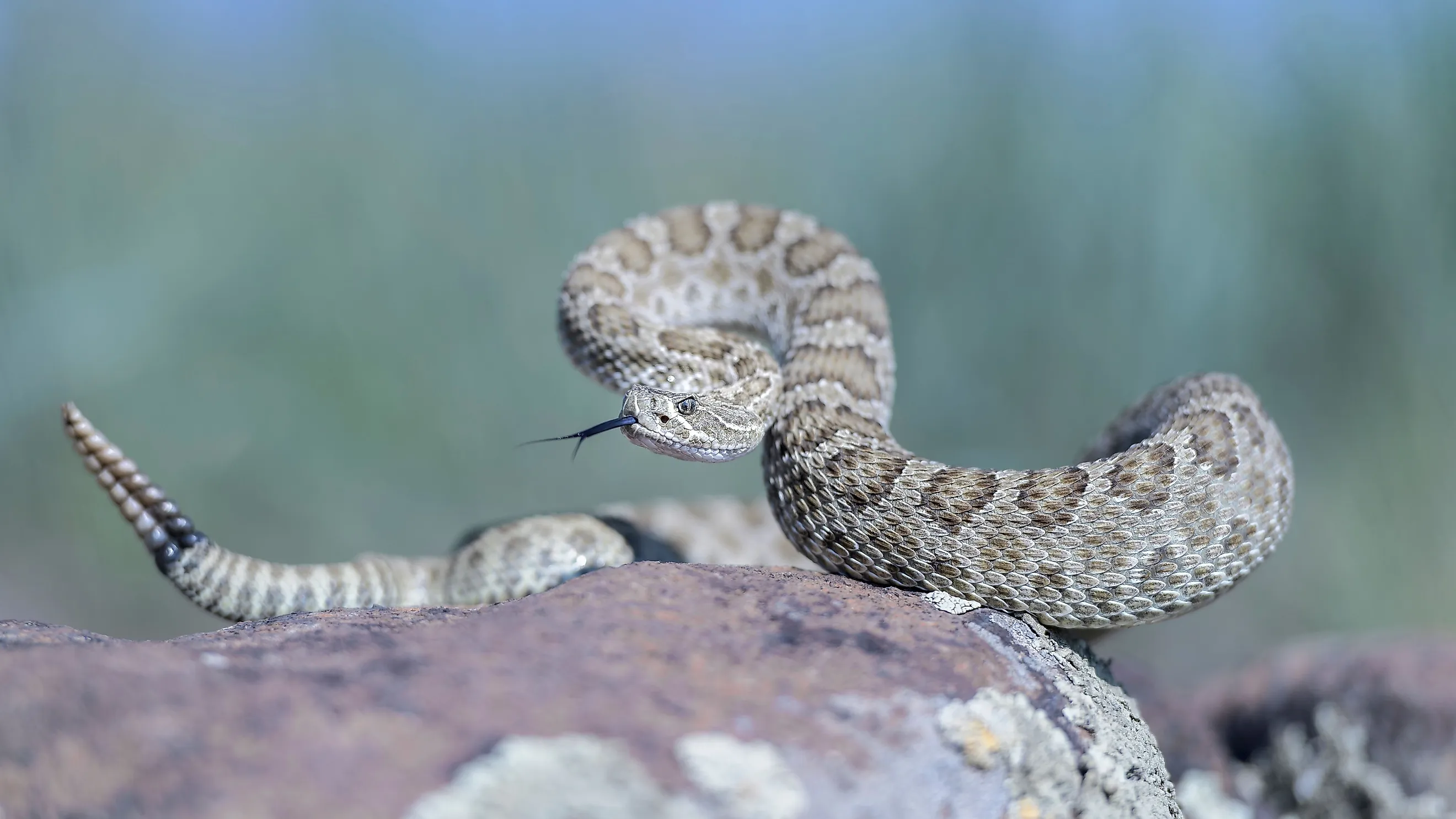
Slithering through the Garden between redrock formations—so enrapturing as to have allegedly inspired that divine moniker—is the prairie rattlesnake (Crotalus viridis). As advertised, this species inhabits the Great Plains from northern Mexico to southern Canada, being especially abundant at the eastern edge of Colorado's Rockies. This is where Garden of the Gods sits among other snaky preserves on the outskirts of Colorado Springs. Despite their abundance, rattlesnakes have inflicted, over the past two decades, just four bites on Garden visitors, none fatal.
Comanche National Grassland

Along with the prairie rattlesnake, the Comanche National Grassland shelters a species that is rarer in Colorado: the western massasauga (Sistrurus tergeminus). Smaller than many other rattlers, the western massasauga typically delivers less venom, but any bite is still a medical emergency. The western massasauga eschews the touristic Rockies for Colorado's sparse southeastern plains, much of which is preserved as the Comanche National Grassland. You can hike for days, even weeks, across Comanche's almost 450,000 acres without encountering a western massausauga, which spends its time camouflaged in shortgrass while hunting lizards and rodents. Though you are more likely to spot a prairie rattlesnake in Comanche, you are most likely to spot no rattlesnakes. "Hotspot" is relative for snakes when compared to humans, who have largely reduced serpentine populations. People live their entire lives among rattlers, whether that be at the foot of the Rockies or the heart of the prairies or the remaining Coloradan arteries, without glimpsing one.
Coyote Ridge Natural Area

Another Rockies edge-case is the Coyote Ridge Natural Area, which sits where the foothills meet the plains near Fort Collins in north-central Colorado. With more than four miles of natural surface trails that rise about 600 feet in elevation, this preserve offers plenty of spectacular sights—rattlesnakes included. Only one species, the prairie rattlesnake, occupies Coyote Ridge, but it is often seen on or alongside trails in spring and fall.
Coyote Ridge is not the only rattler hub around Fort Collins. This city is so rattlesnaky that its website has an awareness page listing places "Where You Are Likely to Encounter Rattlesnakes." Besides Coyote Ridge, it lists the Cathy Fromme Prairie Natural Area, Pineridge Natural Area, Reservoir Ridge Natural Area, and Bobcat Ridge Natural Area. It also notes emergency phone locations in case of a bite.
Unlisted but also worth noting is the MegaDen, a communal overwintering site near Fort Collins with up to 2,000 rattlesnakes, one of the largest such dens known to science. It sits on private property, but the public can watch its writhing inhabitants via a near-24/7 livestream during active months. You can even watch for individual rattlers with names like Pansy, Sammy, Tweezers, Cookie, Gladys, and Stubby.
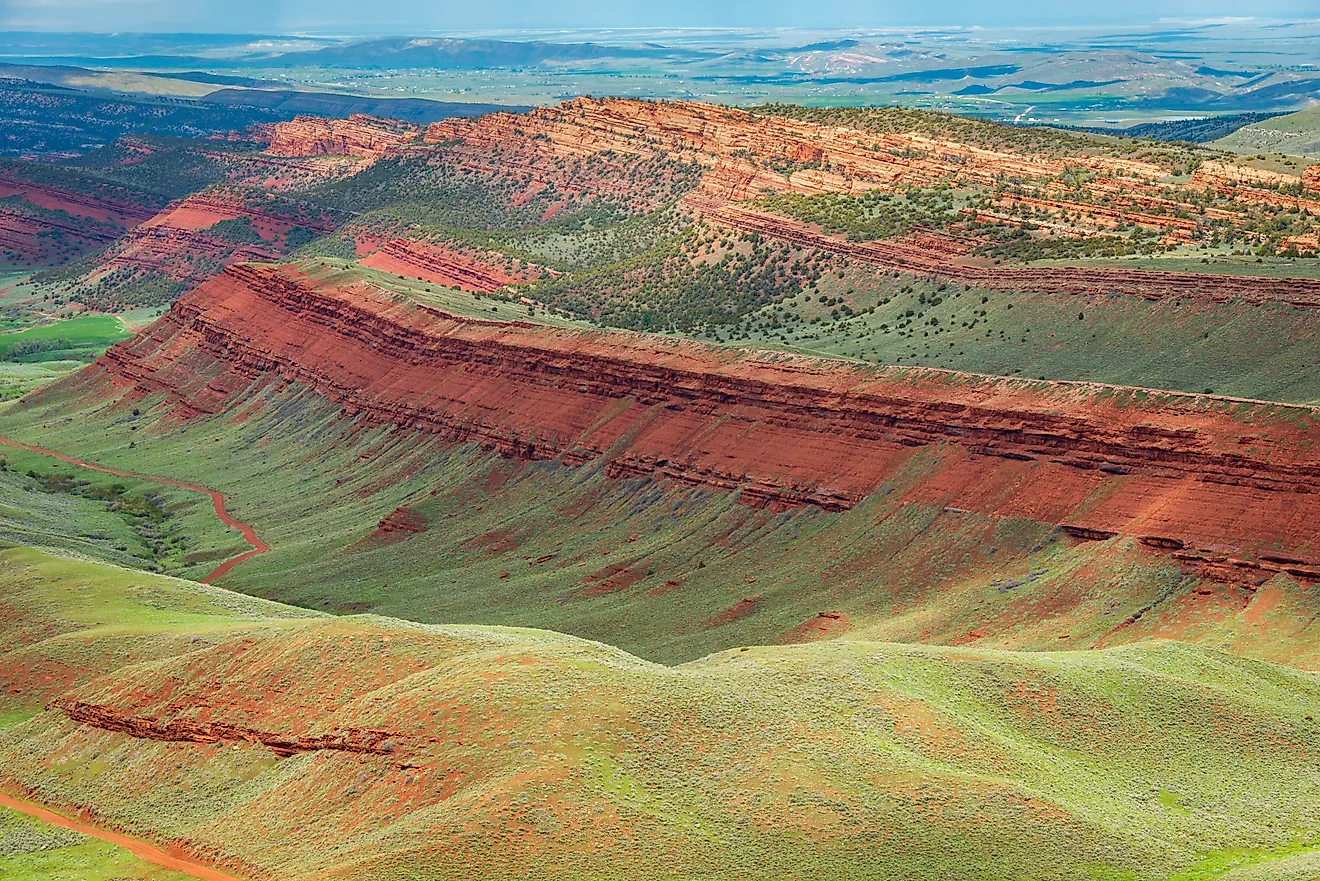
Colorado National Monument

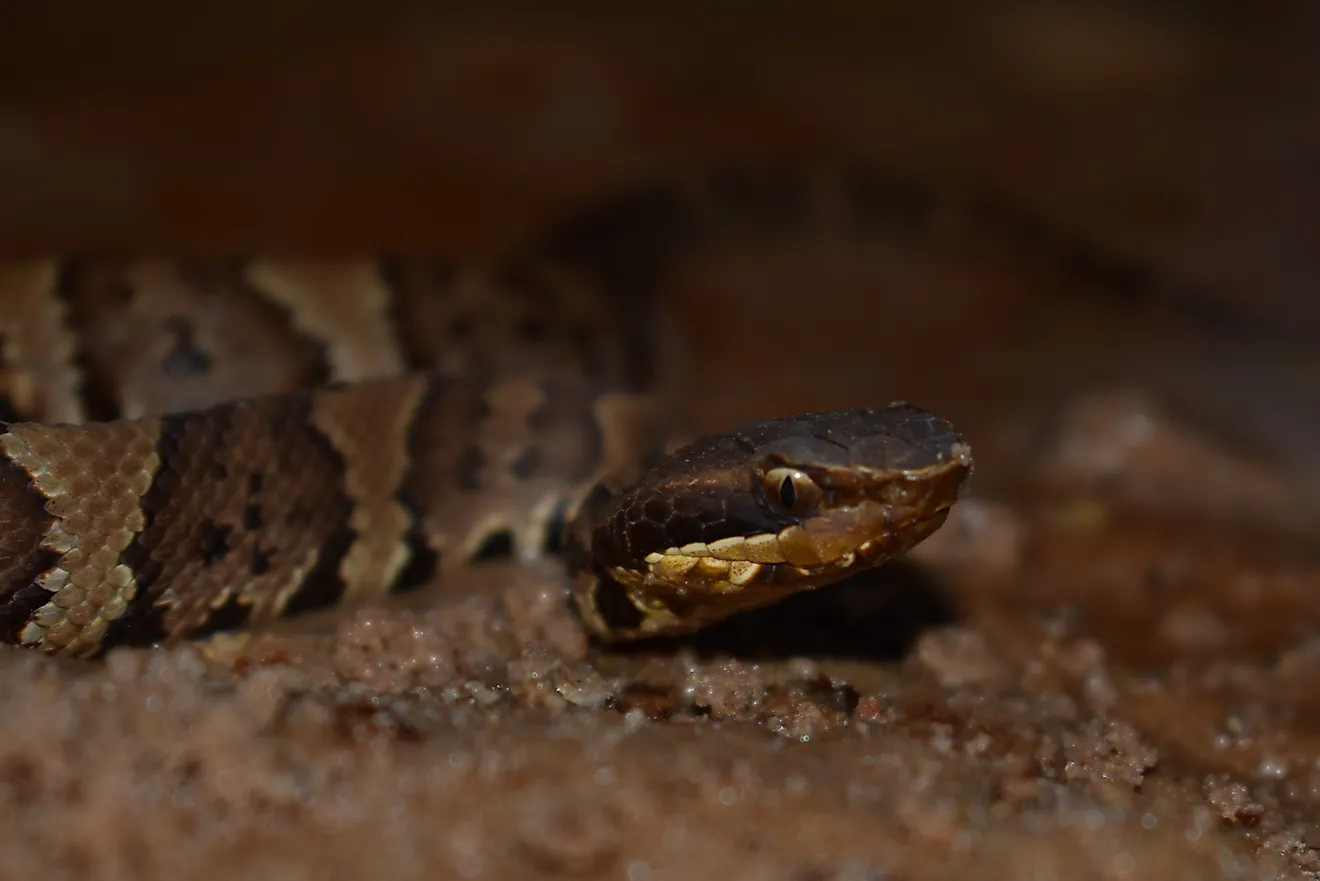
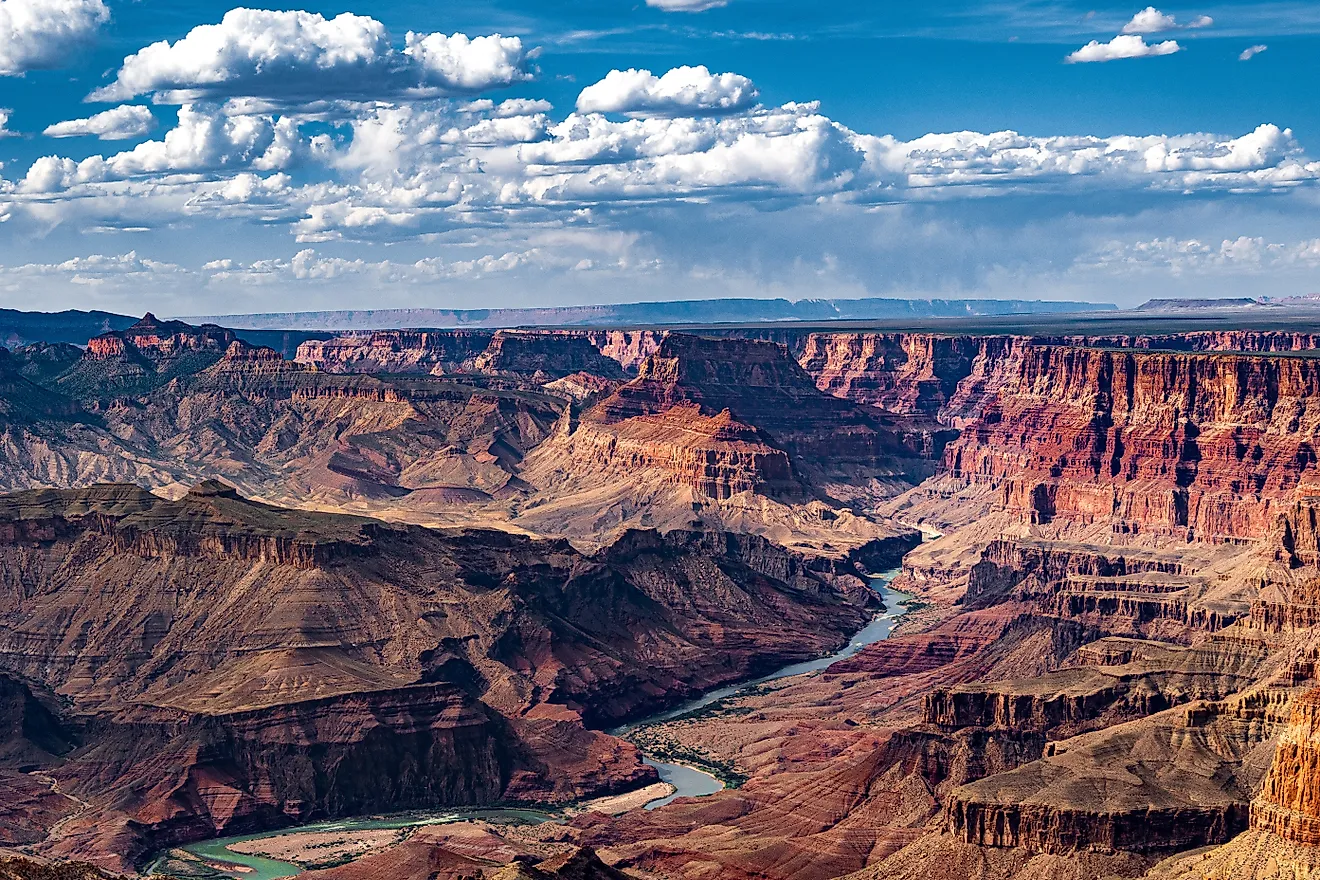
The Colorado National Monument is a unique rattlesnake hotspot on the west side of Colorado's Rockies. Again, "hotspot" is relative, but it is one of the best-known public places in the state for finding western rattlesnakes (Crotalus oreganus). But Colorado-based individuals from this species are not like those from more westerly states. They form a subspecies called the midget faded rattlesnake (Crotalus oreganus concolor), which, at about two feet in length, is substantially smaller than the western rattlesnake further west, which can stretch to five feet. Thus, the rattlers you might encounter at the Colorado National Monument, a redrock chasm preserved near Grand Junction, will be quite small and probably timid. That does not mean you should throw caution to the wind. If anything, you should be more cautious around the Monument, since the midget faded rattlesnake, given its size, is more easily stepped on and made to bite in self-defense. According to the National Park Service, the midget faded rattlesnake is the only venomous snake found in the monument.
North Table Mountain Park

Yet another rattlesnake haunt on the Colorado Rockies' eastern edge, but situated in the city of Golden just outside Denver, is North Table Mountain Park. True to its name, this park covers North Table Mountain, which, untrue to its name, is actually a mesa. Do not mesa around while hiking its 15-plus miles of trails. The prairie rattlesnake is prevalent—so prevalent that scientists use this site to study rattlers, and trails sometimes close due to rattlesnake activity.
While encounters are possible, especially during warmer months, park staff and researchers emphasize awareness and respect for wildlife, noting that most rattlesnakes avoid people when given space and are an important part of the local ecosystem. Staying on designated trails and watching where you step helps ensure a safe visit for both hikers and snakes.
Whether you want to see Colorado rattlesnakes or avoid them, make note of the Garden of the Gods, Comanche National Grassland, Coyote Ridge Natural Area, Colorado National Monument, and North Table Mountain Park. In those five Coloradan locales, rattlesnakes thrive. Yet just because rattlers are plentiful in such preserves does not mean that, if you visit, your paths will cross. But if so, keep your distance, and they shall keep theirs. There is more than enough room for humans and snakes.