The Most Picturesque Towns In Arkansas
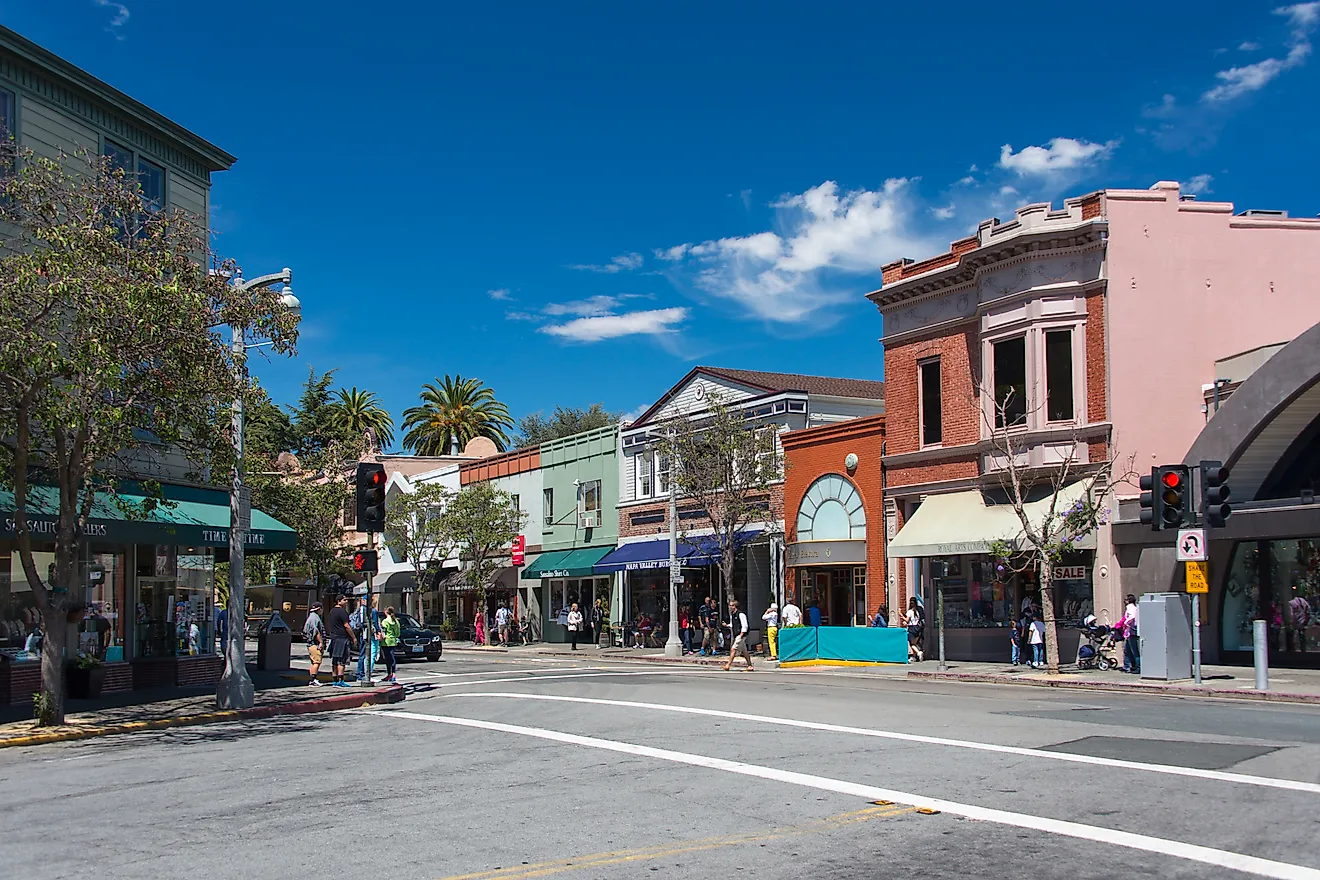
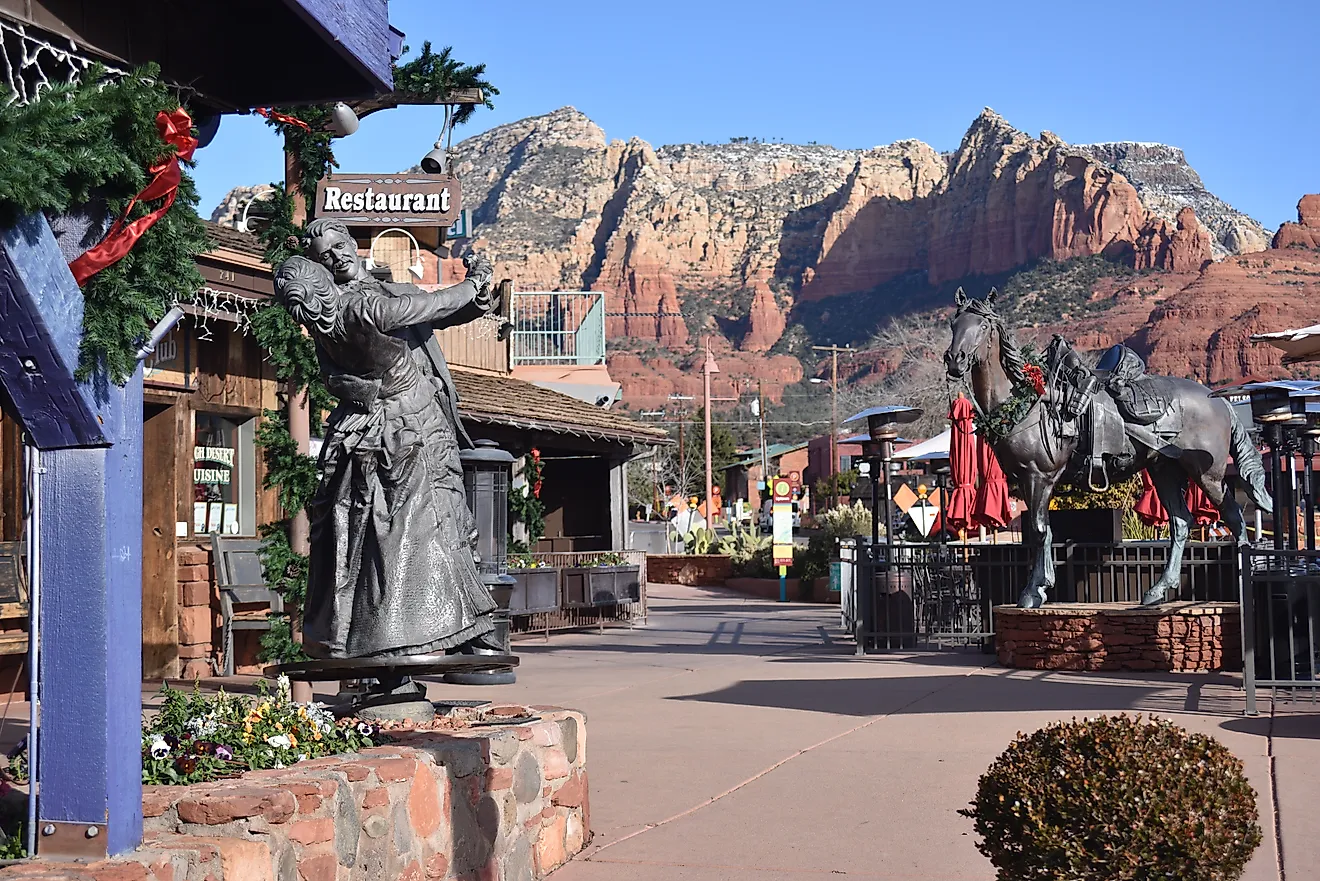
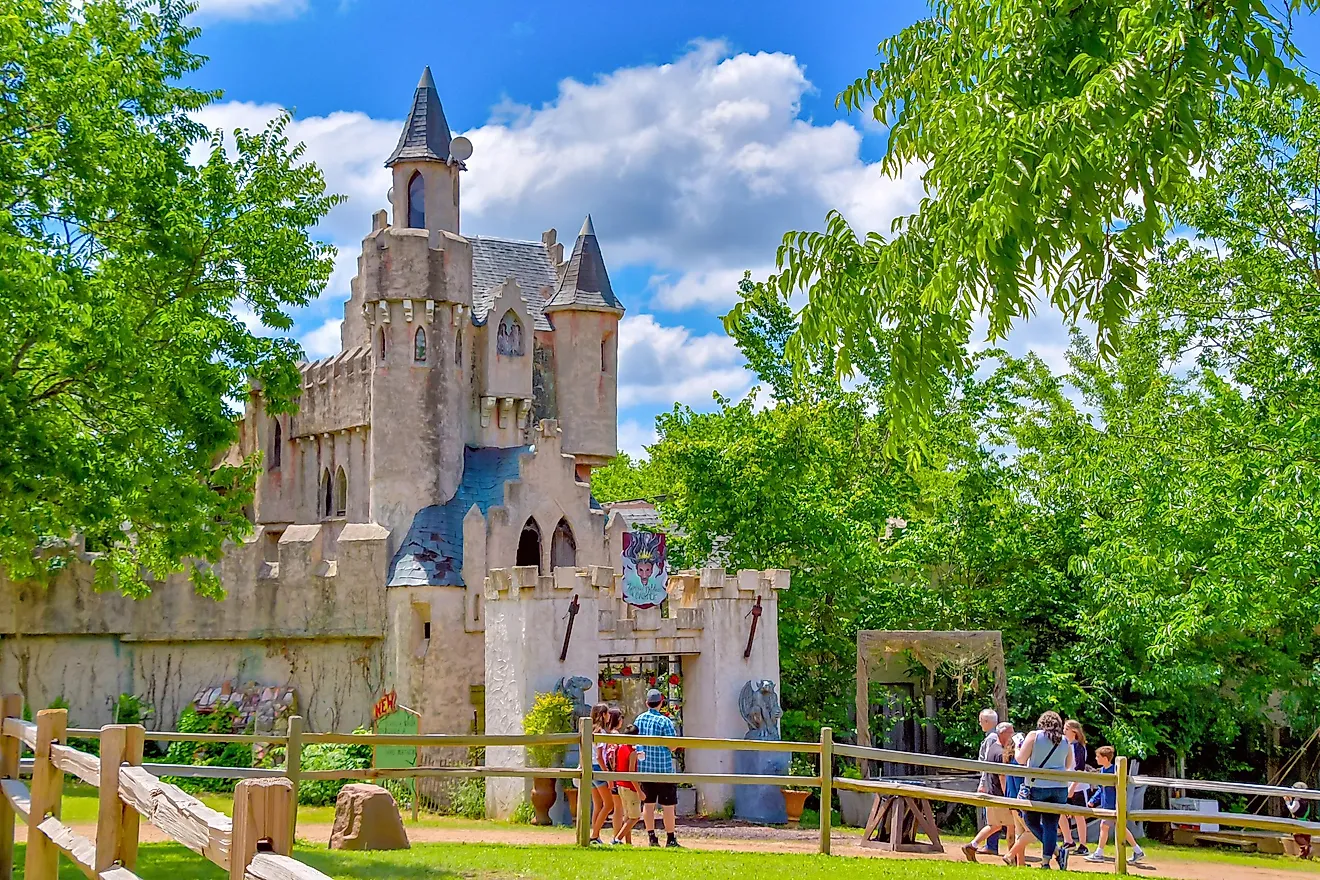
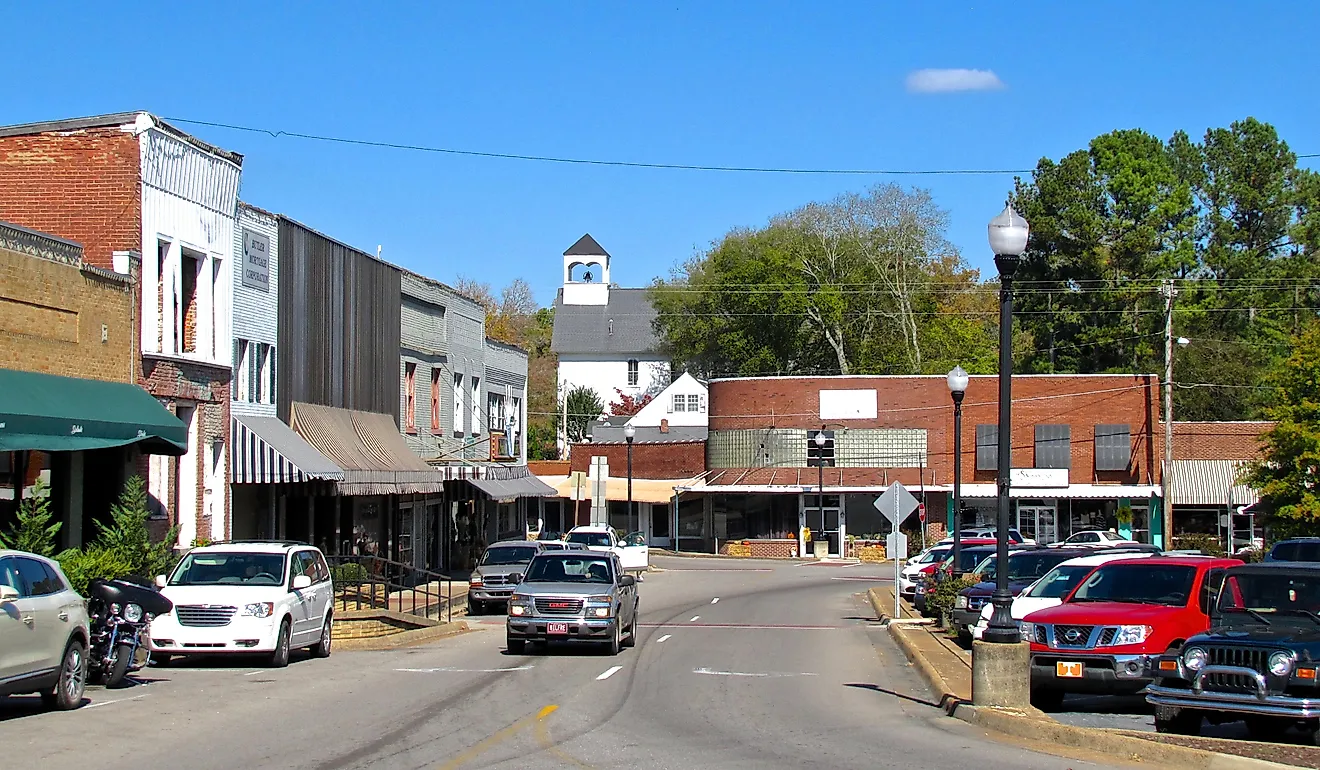
Eureka Springs has nearly a thousand Victorian buildings stacked along its hillside streets. Heber Springs still has seven of the original mineral springs flowing through Spring Park downtown. Batesville's Riverside Park holds the state champion Chinkapin Oak with a 117-foot crown spread. Van Buren's Main Street is lined with 19th-century brick storefronts and the King Opera House from 1891. Across these eight Arkansas towns, the visual character is built from local stone, spring-fed water, and Ozark terrain.
Eureka Springs

Eureka Springs unfolds across steep Ozark hillsides as a dense run of Victorian architecture. The town holds the largest collection of Victorian buildings in the central US, with nearly 1,000 historic structures stacked along winding, elevated streets. Queen Anne gingerbread trim, Italianate cornices, and native limestone stonework remain intact after more than a century. The Crescent Hotel and Spa, built in 1886 from native limestone, rises above the town from West Mountain. Basin Spring Park preserves one of the town's 60-plus natural springs beneath a Victorian-era arched entryway.
The natural terrain inside the city limits adds a second layer to the architecture. Just outside town, Lake Leatherwood City Park spreads across forested Ozark hills with over 25 miles of trails. Crescent Spring sits under an elaborate Victorian-era gazebo with a copper roof and wooden posts overlooking the water. Grotto Spring flows from a stone-lined cavern reached by a short descending stairway.
Jasper

Jasper is a small Ozark town where rough-cut native stone buildings, manicured lawns, and mountain ridges combine into a tight visual package. Locally owned storefronts surround the central courthouse lawn in stone and painted wood, reflecting a building tradition rooted in the materials of the surrounding hills. The Newton County Courthouse, completed in 1939, rises above the square in solid masonry and remains the focal point of civic life. The Ozark Café, in continuous operation since 1909, fronts the square with a facade that preserves the town's long-running role as a social hub.
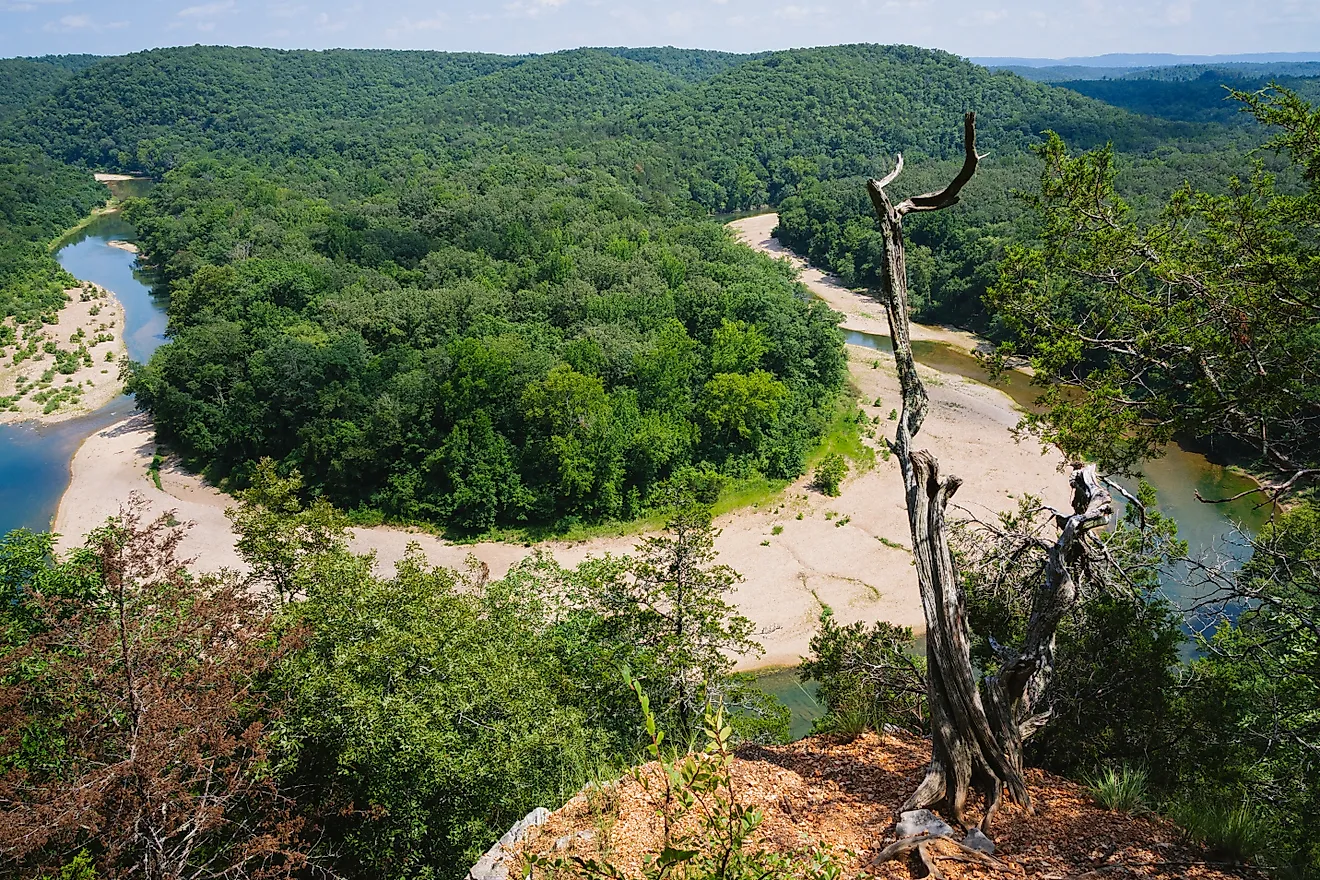
A river and mountains frame the town on every side. The Little Buffalo River flows through the center of town and is accessible from Bradley Park, its clear water and shaded banks forming a natural extension of the public space. A pavilion and small performance stage overlook the river, tying community activity directly to the landscape. The surrounding Ozark Mountains push their forested ridges high above the town's rooftops in every direction.
Heber Springs

Heber Springs is a lakeside town where a 1914 courthouse square meets the waters of Greers Ferry Lake. The Cleburne County Courthouse, a two-story Jeffersonian Revival brick structure, commands the historic downtown square. The surrounding commercial district holds century-old brick storefronts now housing art galleries and antique dealers. Spring Park, in the heart of downtown on East Main Street, preserves seven original mineral springs along shaded paths and pavilions.
Water defines the town at every turn. Greers Ferry Lake wraps around the northern and western edges, reflecting the green Ozark ridges above. Sandy Beach stretches more than 1,500 feet of white sand along the lake's edge within the city. Below the massive Greers Ferry Dam, the Little Red River emerges cold and clear, its trout-filled current flowing beneath a canopy of overhanging hardwoods.
Batesville

Batesville is Arkansas's oldest city, and its historic districts preserve residential architecture spanning the decades since the 1840s. Victorian-era mansions feature ornate bay windows and carved wooden cornices. The Melba Theater, built in 1875 as an opera house, was remodeled in 1940 in Art Deco style with geometric lines and a glowing Main Street marquee.
The White River defines the southern edge of Batesville with broad, slow-moving water backed by heavily wooded banks. Riverside Park stretches along the river with walking paths, open lawns, and an amphitheater. The park holds the state champion Chinkapin Oak, a tree with a crown spread of 117 feet and a circumference of 212 inches. Polk Bayou winds through town in clear, calm water, its mossy banks accessible for kayaking and canoeing.
El Dorado

El Dorado's downtown square blends early 20th-century architectural grandeur with the green spaces that frame its historic core. The city's 1920s oil boom built a commercial district full of Art Deco facades, brick storefronts, and classically-inspired civic buildings. The Union County Courthouse, completed in 1928, anchors the square with smooth limestone and a colonnaded frontage. Nearby, the Rialto Theatre, opened in 1929, runs decorative brickwork and Egyptian-influenced detailing around the entrance.
Green spaces add a quieter rhythm to downtown. The South Arkansas Arboretum State Park spreads across roughly 13 acres of pine and hardwood forest just minutes from the square, with walking trails through native plantings, seasonal blooms, and shaded woodland paths. The Murphy Arts District has added open public gathering areas and landscaped grounds, giving downtown a more contemporary, community-focused feel.
Van Buren

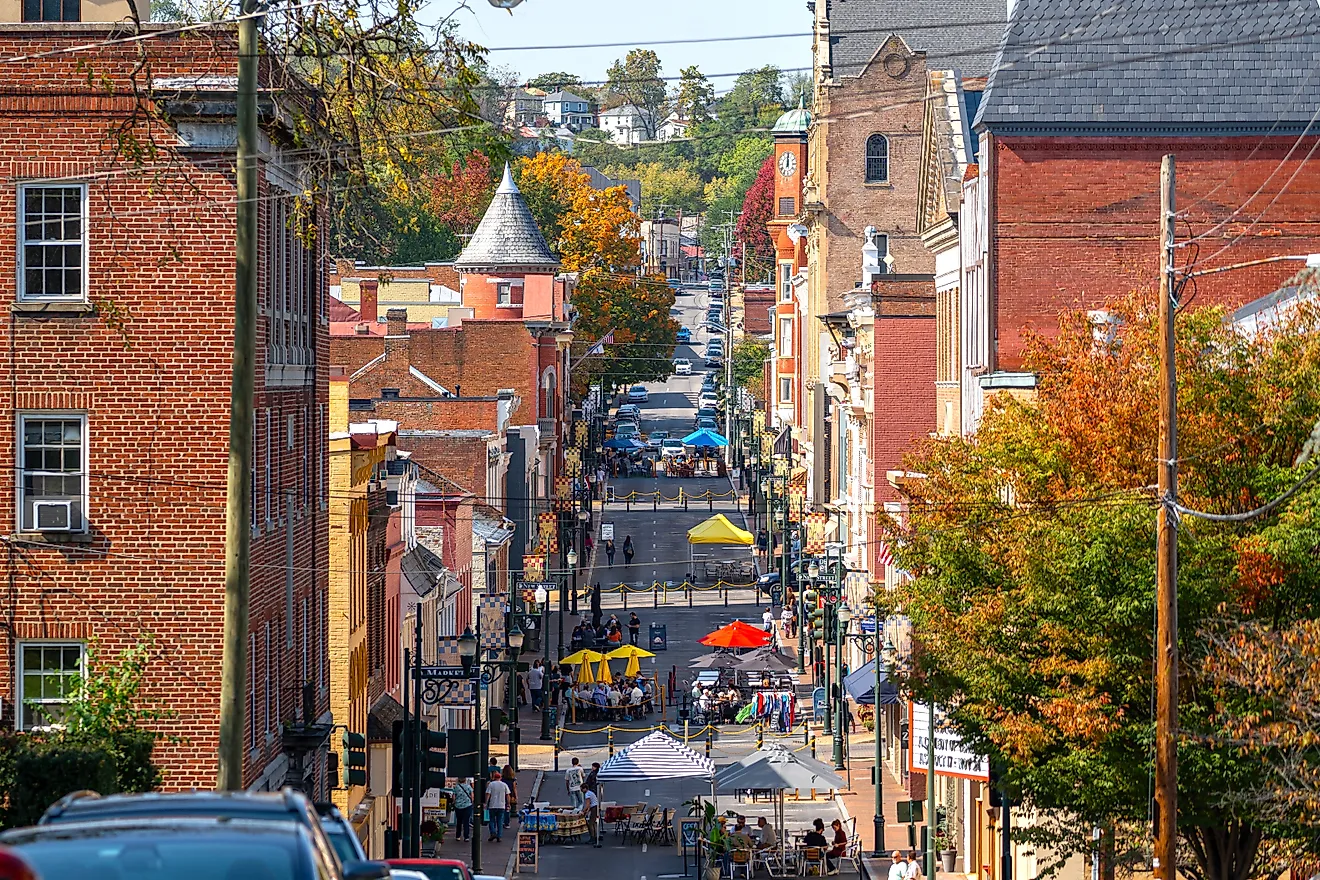
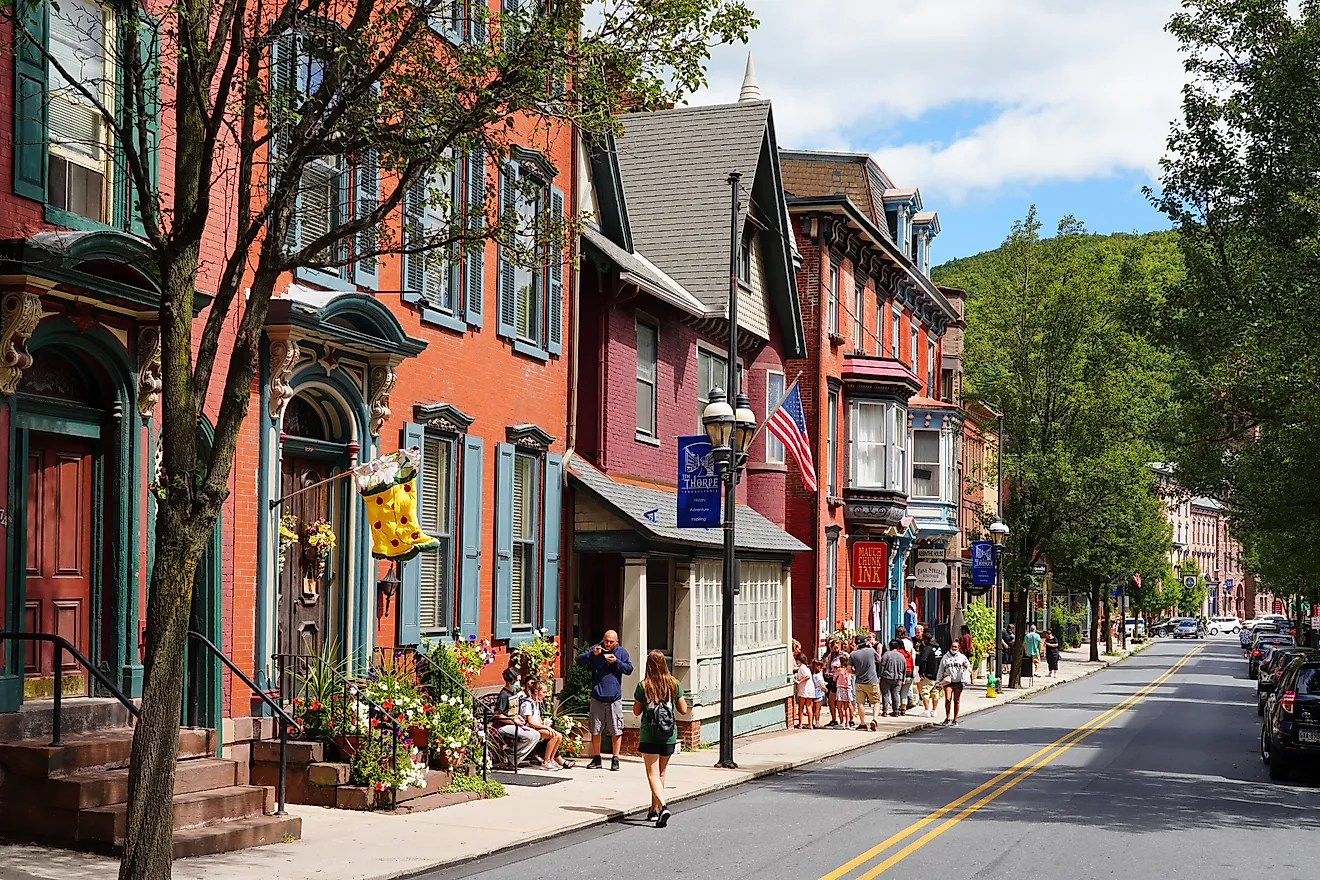
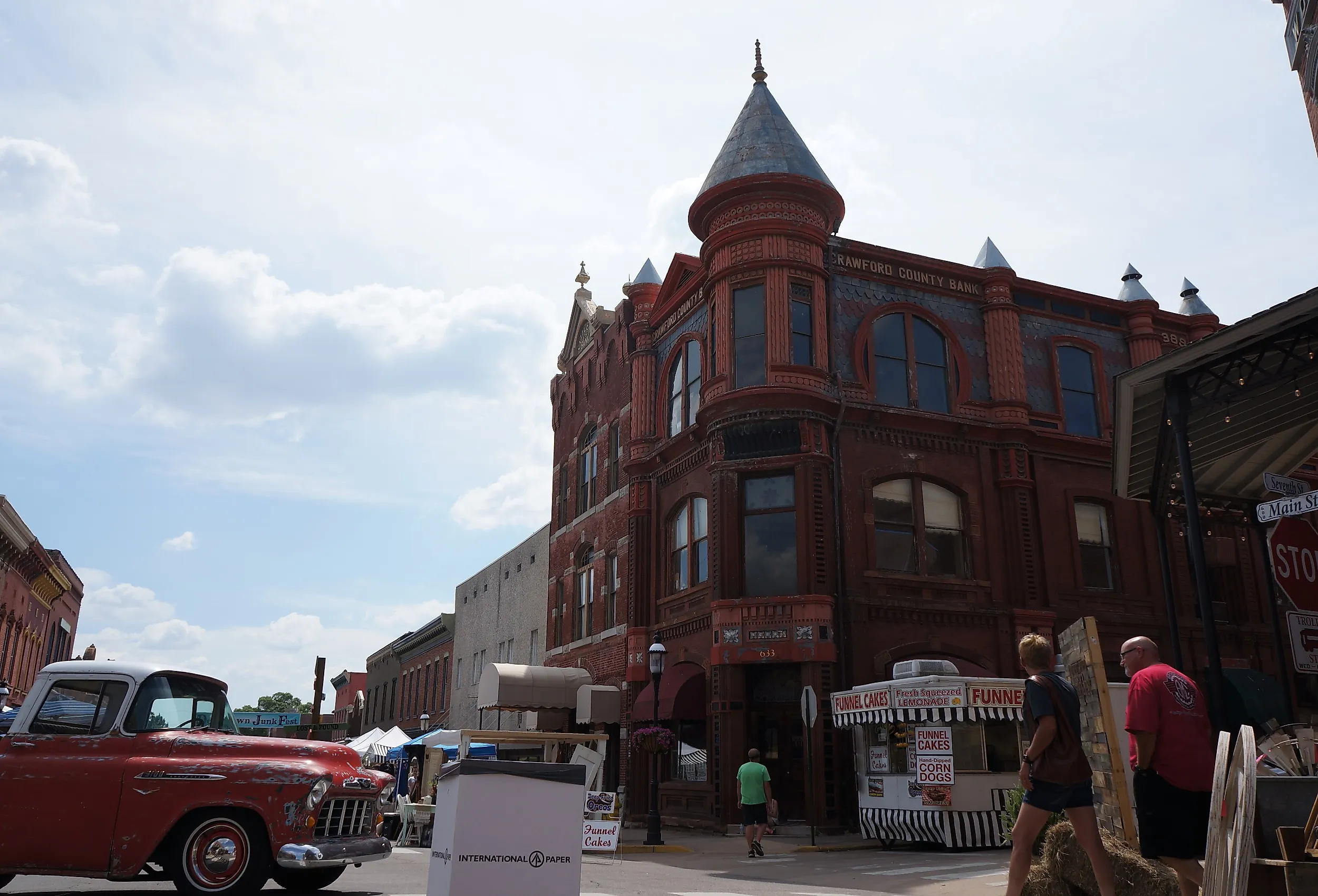
Van Buren is a preserved river town where red brick storefronts and cast iron detailing run a cohesive Victorian-era streetscape. The Main Street is lined with well-preserved 19th-century commercial buildings, where warm brick facades, arched windows, and ornate cornices give the district a unified character. The King Opera House, built in 1891, remains an active cultural venue, hosting shows to this day.
Van Buren's western and southern edges are defined by two bodies of water that frame the town. The Arkansas River forms the southern boundary, its broad waters separating Van Buren from Fort Smith on the opposite bank. Lee Creek flows through the western side of the city, its wooded banks accessible for hiking and fishing.
Siloam Springs

Siloam Springs blends a historic downtown with a landscape shaped by flowing spring water and public green spaces at its core. Sager Creek threads through the heart of historic downtown, flowing beneath pedestrian bridges whose stone-walled banks frame the water. The downtown holds commercial buildings in Classical Revival and Art Deco styles. The First National Bank Building, a circa-1890 structure, runs stone-trimmed brick detailing and grand arched windows across its upper floor.
The parks lining Sager Creek give the town its garden-like quality through the center. Twin Springs Park preserves original springs from the founding period, gathered within a historic garden of tiered fountains, circular flower beds, and stonework. Memorial Park, behind the public library, holds the open-air Chautauqua Amphitheater, a splash pad, a veterans memorial, and a farmers market promenade. The Siloam Springs Kayak Park brings sculpted whitewater rapids to a 700-foot stretch of the Illinois River about four miles south of downtown.
Arkadelphia

Arkadelphia is a small river town whose downtown square is anchored by red brick and stone. The Clark County Courthouse, built in 1899, has three hexagonal corner towers, a tall square clock tower, rounded arch windows, and intricate terra cotta detailing. The Clark County Public Library has operated continuously for over a century beside it.
Arkadelphia's two university campuses extend the town's tree-shaded character well beyond the square. Ouachita Baptist University, founded in 1886, runs traditional red brick buildings across a wooded campus. Its eastern edge overlooks the Ouachita River from a bluff. Just across from Ouachita Baptist, Henderson State University adds further collegiate red brick architecture along its own manicured grounds.
Beyond the historic core, the town opens into outdoor landscapes. DeSoto Bluff Trail offers elevated views above the Ouachita River, where wooded terrain drops toward the water below. Feaster Park provides open lawns, walking paths, and a riverside setting that connects the town more directly to its surroundings.
Built From Stone, Spring, and River
The towns above wear their age in different ways. Eureka Springs has protected nearly 1,000 Victorian buildings on its hillsides. Heber Springs keeps seven original mineral springs active in a downtown park, with Greers Ferry Lake's broad waters minutes away. Arkadelphia pairs two red brick university campuses with the wooded banks of the Ouachita River. Each town carries a distinct visual character built from local stone, spring-fed water, and Ozark or river-valley terrain.