5 Best Natural Wonders To Visit In Louisiana This Year
Dominated by wetlands and bayous, Louisiana’s landscape is full of natural wonders. In the Atchafalaya Basin, you can paddle through sprawling bayous lined with cypress trees and watch for alligators in one of the country’s richest swamp ecosystems. Kisatchie National Forest offers a completely different scene, with sandstone bluffs and rare longleaf pine savannas. Avery Island is another fantastic spot, with its salt-dome landscape and spring birding opportunities among herons, geese, and snowy egrets. Paired with boat tours, wildlife watching, and seasonal blooms, these extraordinary sites are perfect for when you want an escape from the ordinary.
Atchafalaya Basin

Spanning nearly 1.4 million acres, Louisiana’s Atchafalaya Basin is the largest river swamp in North America. Beginning near the town of Simmesport, the wide-reaching wetland stretches 140 miles south to the Gulf of Mexico (America), functioning as a natural filter and spillway for the Mississippi River. Its breathtaking ridges and ancient cypress trees also help shield against hurricanes, allowing a diverse ecosystem to thrive here. Home to hundreds of species, this natural wonder is a stunning centerpiece of Louisiana's wild side.

The Atchafalaya National Wildlife Refuge is the perfect place to enjoy the basin’s bayous, cypress swamps, and bottomland forests. After the fall hunting season, winter shines as the best time to hike, offering cooler temperatures and fewer foliage-obstructed trails. Alternatively, spring is the best season for birdwatching, offering a higher chance to spot colorful neotropical songbirds migrating through. As for those looking to paddle through the refuge, the Big and Little Alabama bayous are best explored outside of May through September for fewer bugs and less intense heat.
Honey Island Swamp

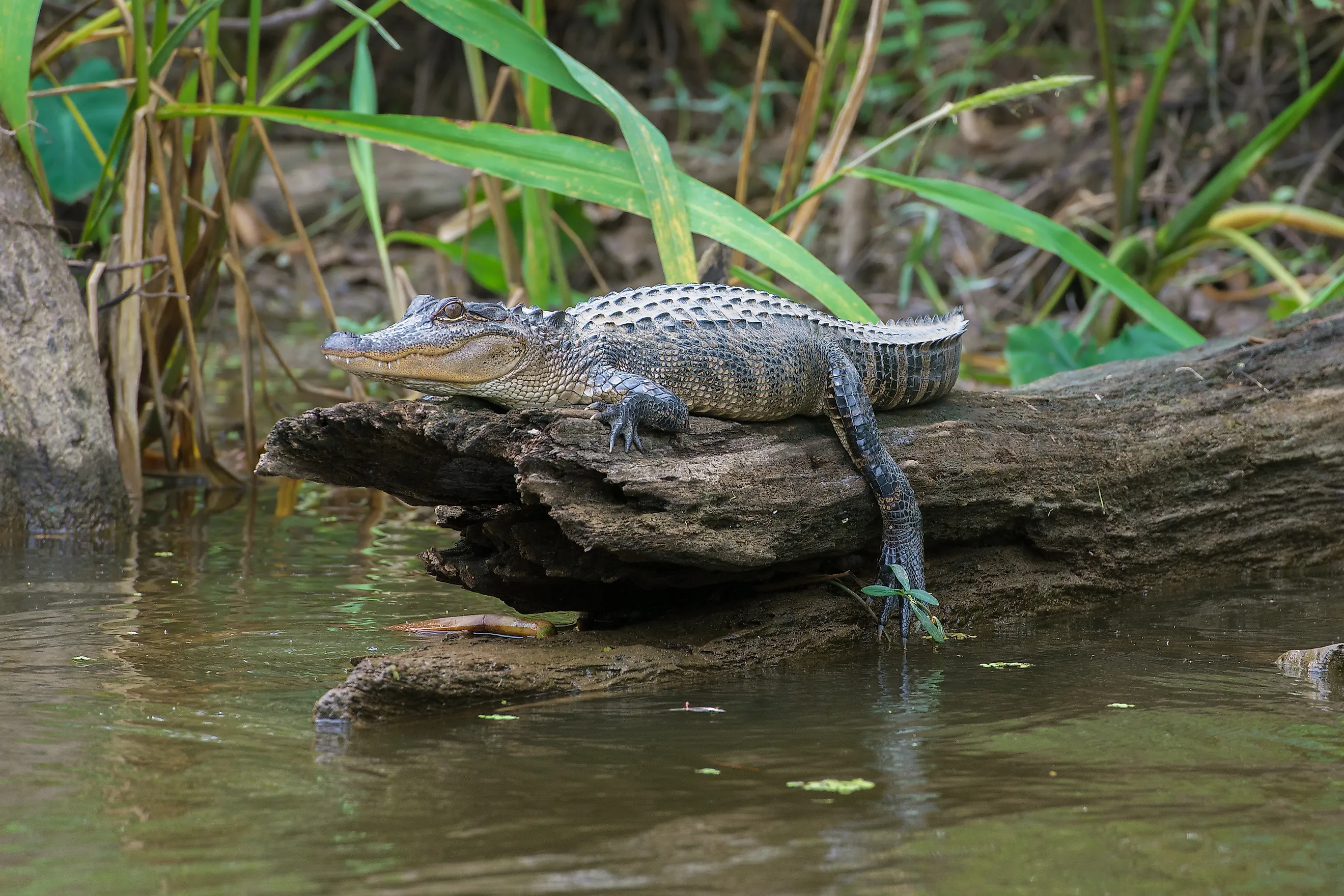
Smaller than the Atchafalaya Basin, but no less striking, the Honey Island Swamp is one of Louisiana’s last untouched wilderness areas. Skirting the Pearl River in southeastern Louisiana, the over 77,000-acre wonder is studded with cypress trees draped in Spanish moss. Sequestered and protected from human development, this bewitching bayou is teeming with wildlife. During warmer months, alligators can be spotted sunning or gliding through the water, while fall and winter increase your chance to see egrets, wild pigs, and great blue herons.

Boat tours are the most popular way to explore the Honey Island Swamp. Spring and fall are the preferred seasons to visit, with milder temperatures and spry wildlife. In the spring, birds, alligators, and other animals become more active in search of food and mates, while fall spotlights wildlife preparing for winter. With Honey Island Swamp Tours, knowledgeable Louisiana natives will guide you deep into the swamp, including its shallow backwater areas. Along the way, you will see and hear a range of resident and migratory wildlife, from alligators to waterfowl.
Kisatchie National Forest

There are endless ways to explore Kisatchie National Forest, a wonder spanning over 604,000 acres in central and northern Louisiana. The state’s only national forest, Kisatchie, boasts a spectacular range of ecosystems, spread across 5 Ranger Districts. Its landscapes include bayous, lakes, bald cypress groves, and rare longleaf pine savannas, while wildlife ranges from common alligators to endangered red cockaded woodpeckers. Although each district offers its own distinct scenes, they are all spectacular and worth exploring.

Panoramic views are a staple of the Kisatchie Ranger District, where sandstone bluffs can be hiked at the Longleaf Vista Recreation Area. Elsewhere, the Winn District stands out for its Saline Bayou boating and equestrian trails, while the Catahoula District spotlights bottomland hardwood hikes, like the Glenn Emery Trail. Sightseeing hikers can also enjoy the Calcasieu District in the spring, when dogwoods and wild azaleas bloom at the Kincaid Lake Recreation Area. Alternatively, up toward the Arkansas border, serene scenes stretch to the Caney District, where summer visitors can cool off in the Corney and Caney Lakes.
Catahoula Lake

Outside Kisatchie National Forest, Catahoula Lake is the largest natural freshwater lake in Louisiana. The ancient waterway is a popular setting for sightseeing, wildlife watching, and outdoor fun. Fed by creeks and Louisiana's Little River, the lake covers over 46 square miles of land and is surrounded by flora such as baldcypress, buttonbush, and water elm. As a wetland rich in herbaceous plants, Catahoula is also a significant habitat for waterfowl that rely on its ecosystem for food.
The Catahoula National Wildlife Refuge is a picturesque place to explore the lake and its wildlife. Fall is the best time to visit for birding, with waterfowl migration at its peak, with tens of thousands of pintails, mallards, and wood ducks. As an added perk, temperatures are more comfortable at the refuge this time of year. Springtime is also recommended for comfortable hiking weather, nesting bird sightings, and wildflower blooms around the lake. Conversely, summer is not the best time to visit, as water levels are low, humidity is high, and bugs are at their peak.
Avery Island

Down in southern Louisiana, Avery Island is a geological anomaly with a fascinating past. Known as the birthplace of Tabasco sauce, Avery has grown its iconic peppers here since 1868. However, the island’s unique geological origins stretch far further back. Formed over millions of years, Avery is one of the region’s 5 salt domes surrounded by coastal marshes and swamps. Rising almost 163 feet above sea level, it is the highest point on the Louisiana Gulf Coast.

After passing the toll bridge onto Avery Island, there are plenty of ways to savor its splendor. Open to the public since 1935, Jungle Gardens is the main outdoor attraction. Although the botanical site is designed with non-native flora, including bamboo, it also highlights Avery Island’s natural features. Native ferns and live oaks frame the attraction, growing wild across the island. For birding, spring is the best time to see migratory species here, while early spring and late fall are preferred to enjoy Avery Island with less intense temperatures. Potential wildlife sightings include various birds, such as herons, geese, and snowy egrets, along with the occasional alligator and deer.
Explore Louisiana's Wild Side In 2026
From its Arkansas border to its Gulf shores, Louisiana is teeming with spectacular scenes. Better yet, the state’s natural wonders are as vast as they are beautiful, allowing wanderlusts to unplug and let loose without the hurdle of crowds. Even the more touristy attractions, like Honey Island Swamp Tours, factor in authenticity by delving deep with native guides. Other sites invite you to explore at your own whim, whether hiking through Kisatchie National Forest or paddling an Atchafalaya Basin bayou. But no matter which wonder you choose or how you explore it, you are in for an unforgettable adventure.