The Worst Storms of All Time - Blizzard of 1978
A blizzard is a massive winter storm characterized by heavy or blowing snow and sustained winds or frequent gusts of at least 35 miles per hour, which reduce visibility to a quarter mile or less for several hours. In 1978, the United States endured two unforgettable blizzards that shut down whole regions and left lasting memories for those who lived through them. The first, often called the “Great Blizzard of 1978,” struck in late January and mainly affected the Great Lakes region and the Ohio Valley, paralyzing states such as Ohio, Indiana, and Michigan with whiteout conditions and deadly wind chills.
Just days later, on February 5th, a second major system developed. This second storm, known as the Northeastern United States blizzard of 1978, proved to be the deadliest of the two and is the primary focus of this article. It hit densely populated coastal states and coincided with exceptionally high tides, multiplying its destructive power.
The three U.S. states most severely affected by the Northeastern blizzard of 1978 were Rhode Island, Connecticut, and Massachusetts. Millions of people in these states lived near the coastline or in tightly packed urban areas, which meant that heavy snow, hurricane-force winds, and severe coastal flooding combined to create disastrous conditions. While the January storm in the Midwest wreaked havoc across open plains and rural communities, the February blizzard struck some of the most densely populated corridors in the United States, which contributed significantly to its higher death toll and wide-ranging economic impact.
Storm Formation

The Northeastern United States blizzard began to take shape on the eve of February 5th, 1978, when a developing low-pressure system moved up the East Coast and interacted with very cold Arctic air already in place over New England. On Sunday night and into early Monday, the storm rapidly intensified as it tapped Atlantic moisture and strengthened just off the coast. By Monday morning, snow began to fall across much of southern New England, accompanied by increasingly strong, gusty winds. Many commuters set out for work or school as usual, not fully aware of how intense and long-lasting the storm would become. As the day progressed, snowfall rates increased dramatically, and visibility dropped to near zero in many locations, stranding thousands of people on highways and city streets.
The snowstorm continued through Monday and into Tuesday. By Tuesday morning, the storm had essentially stalled off the New England coast, allowing it to dump extraordinary amounts of snow over the same areas for an unusually long period of time. Meteorologists observed continuous snowfall for more than 30 hours in some locations, with localized reports of 32 hours of nearly nonstop snow. The city of Boston in Massachusetts recorded snowfall of 27.1 inches, while Providence in Rhode Island recorded unprecedented levels of snow reaching 27.6 inches. Farther south, Atlantic City in New Jersey accumulated around 20.1 inches of snow. These totals were made even more disruptive by fierce winds, which blew the snow into towering drifts that completely buried cars and blocked the doors of homes and businesses. With roadways impassable and public transit crippled, normal business activities in cities across the region came to a complete stop.
Storm Strength

The Blizzard of 1978 brought not only heavy snow but also exceptional winds. Sustained speeds reached up to 86 miles per hour along parts of the coast, with gusts as high as 111 miles per hour in exposed areas. These hurricane-force winds whipped snow into blinding whiteouts, making travel extremely hazardous or outright impossible. While a typical winter storm in the region might bring six to ten hours of snow, this blizzard produced more than 30 hours of continuous snowfall, dramatically increasing totals and the weight of snow on roofs, power lines, and trees.
Together, the powerful winds and persistent snow took a severe toll on infrastructure. The storm destroyed or badly damaged many homes, coastal cottages, and commercial buildings. Power and telephone lines were brought down by falling trees and the heavy load of ice and snow, leaving hundreds of thousands without electricity or reliable communication. Thunder and lightning—known as “thundersnow”—were reported at the storm’s peak, underscoring its intensity. Along the coast, the storm’s arrival during astronomically high tides produced record storm surges that smashed seawalls, flooded neighborhoods, and tore apart piers and marinas.
Effects of the Blizzard

The February 1978 storm caused widespread destruction and a tragic loss of life, making it the deadliest of the two major U.S. blizzards that year. In the Northeastern states, about 100 people died from causes ranging from car accidents to exposure to drowning in coastal flooding. Another 4,500 were injured. Economic losses were severe: an estimated $520 million (in 1978 dollars) was borne by businesses, local governments, and individuals as factories, offices, and shops stayed closed for days and damaged infrastructure needed major repairs.
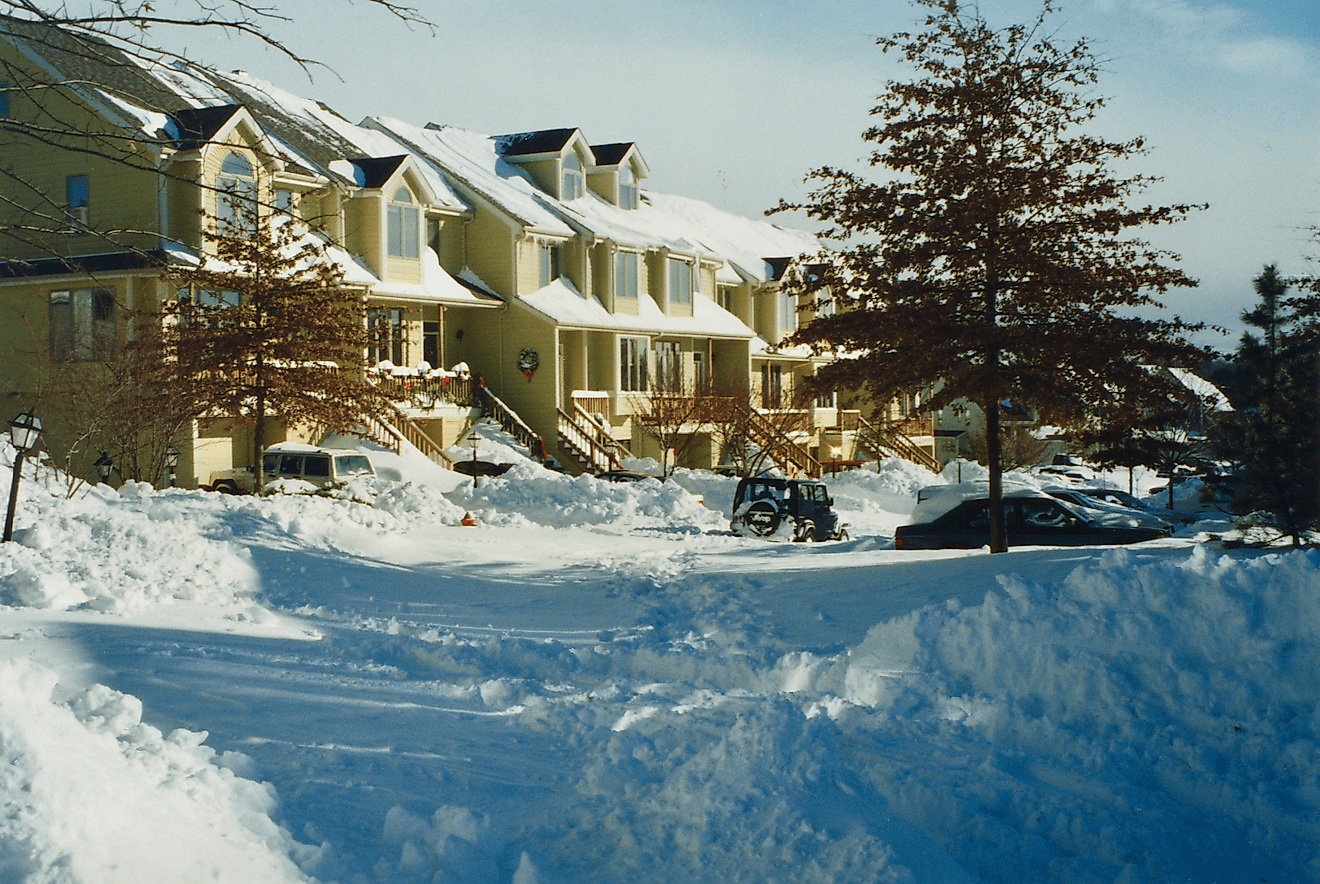
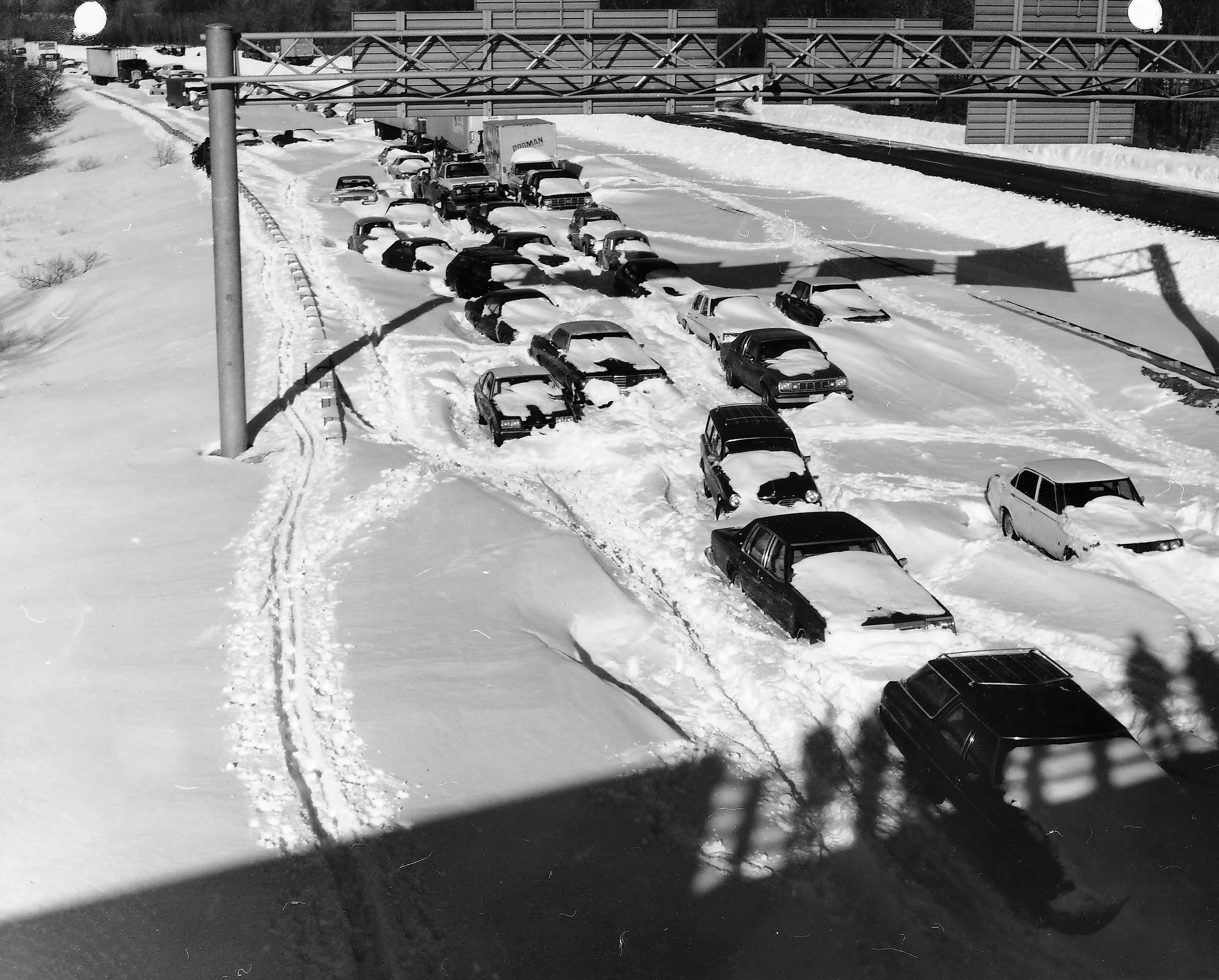
The human impact was stark. Many people were left temporarily homeless after coastal houses were destroyed by waves or made uninhabitable by flooding and structural damage. In some communities, snowdrifts reached second-story windows, forcing residents to dig their way out. Whiteout conditions led to massive traffic jams that quickly became life-threatening as vehicles were buried under drifting snow. More than 3,500 vehicles were abandoned and later found buried along highways and major roads, with many more stranded in driveways and parking lots. To prevent further accidents and clear routes for plows and emergency vehicles, Massachusetts imposed a near-total ban on nonessential traffic for several days, especially in and around Boston.
Transportation across the region largely shut down. Airports closed for extended periods due to deep snow and poor visibility, while rail and bus services were severely disrupted. In Boston, spectators at an ice hockey game were stranded overnight in the arena when it became too dangerous to travel home. Coastal communities were hit hard by flooding, as waves crashed over seawalls, flooded streets, and destroyed many fishing vessels and small craft, dealing a serious blow to the local fishing industry. In major cities such as New York City, schools and many public offices remained closed during the storm and for days afterward while crews worked to clear snow and restore basic services.
Aftermath of the Storm
In the immediate aftermath of the blizzard, daily life in much of New England turned into a large-scale clean-up and relief effort. Damage to roads, bridges, and power lines left many residents without power, heat, running water, or access to food and medical care. About 10,000 people were forced from their homes into emergency shelters set up in schools, churches, and community buildings, where they received warmth, meals, and a safe place to sleep.
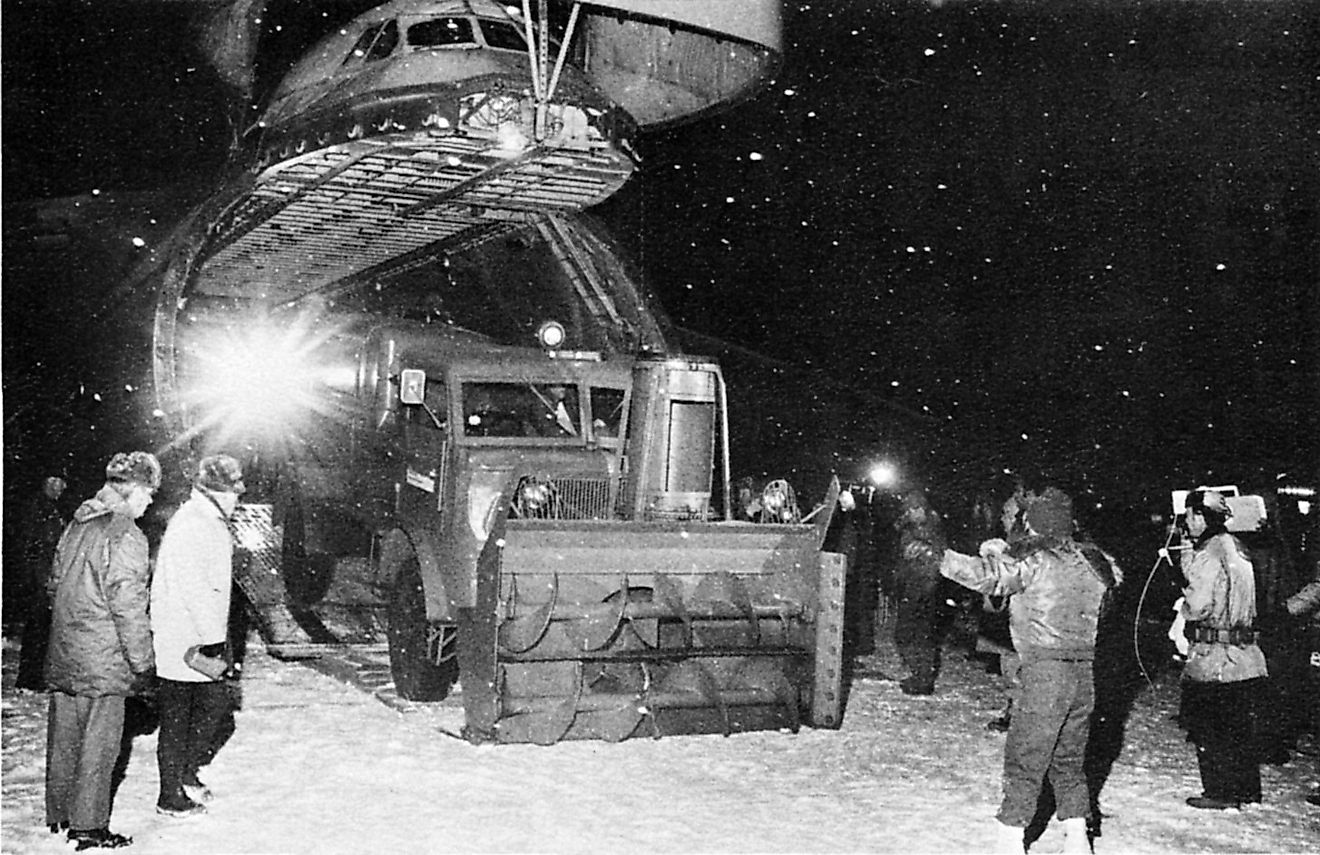
The United States National Guard played a central role, clearing snow-choked roads with heavy equipment, delivering essential supplies, and assisting in search-and-rescue operations. The Red Cross and other relief organizations distributed food, blankets, and basic necessities, while volunteers checked on vulnerable neighbors, including the elderly and people with disabilities. The military also provided equipment and logistical support, particularly in coastal communities where entire neighborhoods required evacuation or protection.
Beyond the immediate emergency response, the blizzard of February 1978 prompted important changes in how the region prepares for winter storms. Meteorologists and emergency managers reviewed the event to improve weather forecasting, public warnings, and communication with local governments. Many communities revisited building codes, particularly for coastal structures and seawalls, and updated emergency plans for school closures, road bans, and mass transit shutdowns. For those who experienced it, the Northeastern United States blizzard of 1978 stands out not only as the deadliest of the two great storms of that winter, but also as a defining event that reshaped the way residents and authorities think about the power of extreme weather and the importance of preparedness.