The Ten Deadliest Blizzards In History
The ten deadliest blizzards in history rival hurricanes and earthquakes for sheer loss of life. The worst of all, the 1972 Iran Blizzard, killed more than 4,000 people as eight metres of snow erased entire villages. Others, like the Carolean Death March in Scandinavia or the Hakkōda Mountains disaster in Japan, turned military exercises into mass-casualty events when cold, wind, and poor planning collided.
These ten events span three centuries and four continents, from the Great Blizzard of 1888 and the Armistice Day storm in the United States to the 1993 “Storm of the Century”, the 2008 Afghanistan blizzard, and China’s paralyzing 2008 winter storms. Together, they reveal how deadly combinations of sudden temperature crashes, whiteout conditions, and failed infrastructure can be, even in the modern forecasting era.
1. 1972 Iran Blizzard (Iran, 4,000 dead)

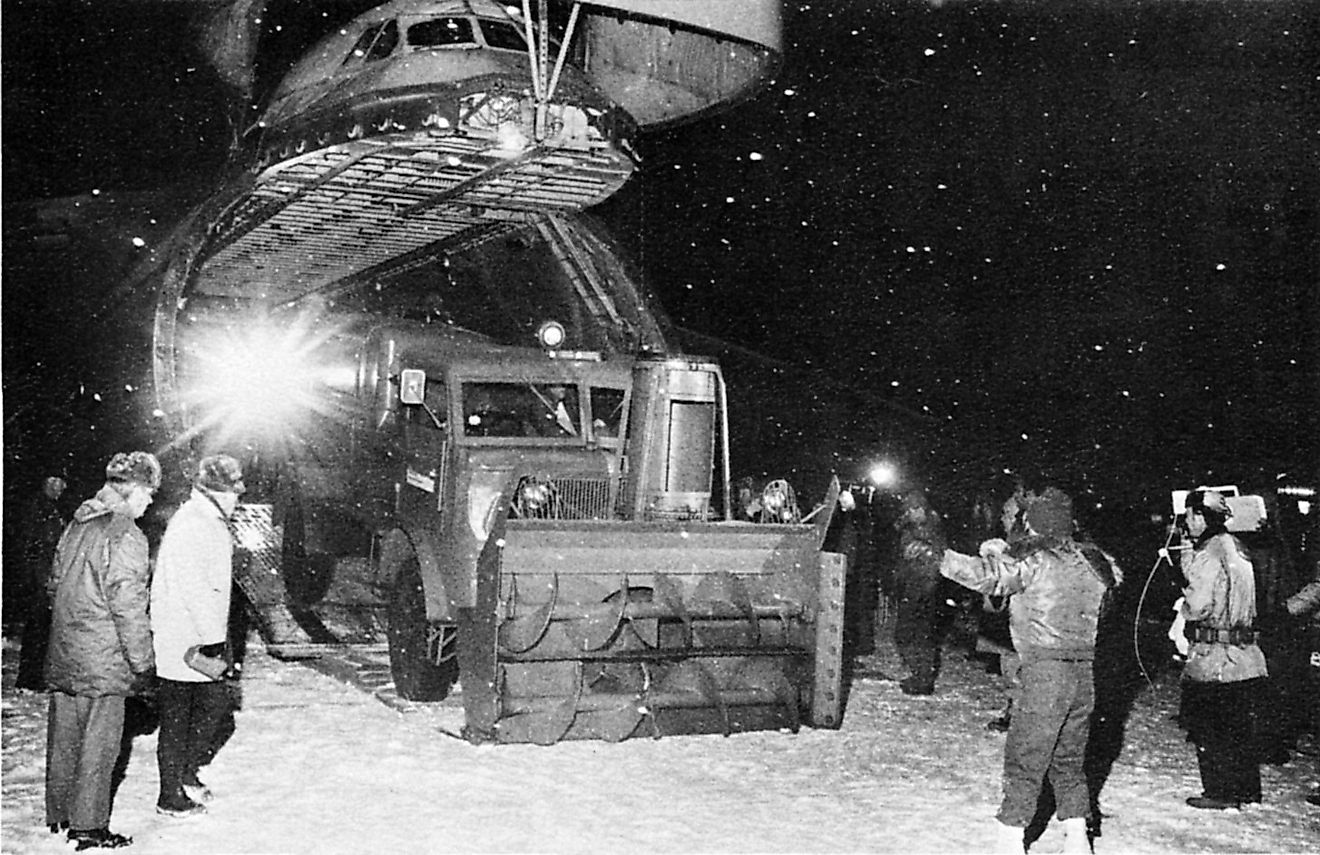
The 1972 Iran blizzard was the deadliest recorded winter storm, striking western, northwestern, central, and southern Iran from 3 to 9 February 1972 after years of drought. Successive snowstorms dumped up to 8 metres of snow, and temperatures fell to −25 °C, burying around 200 villages and killing more than 4,000 people. Transport, power lines, and communications collapsed; buses and roads were blocked, hundreds of villages were cut off, and schools closed across many cities. Brief lulls allowed helicopters to drop food and search for survivors, but in some villages, such as Sheklab, all the inhabitants perished beneath the deep, compacted snow.
2. Carolean Death March (Sweden-Norway, 3700 dead)

The Carolean Death March was the disastrous 1718-1719 retreat of Swedish Carolean soldiers under Carl Gustaf Armfeldt from Trøndelag, Norway, to Jämtland, Sweden, during the Great Northern War. After a failed attempt to capture Trondheim, Armfeldt's starving, exhausted, poorly equipped force shrank from 10,000 to about 6,000 men. Ordered home following King Charles XII's death, they chose the shortest route across the Tydal mountains in January 1719. A sudden, intense blizzard near Øyfjellet brought extreme, deadly cold and drifting snow, causing chaos. Roughly 3,000 soldiers froze on the mountains, 700 more died en route to Duved, and many survivors were permanently crippled. Memorials, plays, and songs later commemorated the tragedy.
3. 2008 Afghanistan Blizzard (Afghanistan, 926 dead)
Afghanistan's exceptionally harsh winter in early 2008 brought temperatures as low as -30 °C and up to 180 centimetres of snow, killing about 926 people and over 100,000 sheep and goats. Many victims were poor villagers and shepherds trapped by blizzards in remote mountains, suffering severe frostbite and amputations. Aid groups and foreign soldiers distributed clothing, blankets, food, and fuel, but countless families still lived in unheated mud shelters or makeshift camps, leaving children and displaced people especially vulnerable there.
4. Great Blizzard of 1888 (US-Canada, 400 dead)

The Great Blizzard of 1888, or Great White Hurricane, struck March 11-14, 1888, becoming one of the most severe and deadliest blizzards in American history. It paralyzed the U.S. East Coast from Chesapeake Bay to Maine and parts of Atlantic Canada. Between 10 and 58 inches of snow fell, with drifts up to 50 feet and winds near hurricane force. Railroads, roads, and telegraph lines were shut down for days, trapping residents at home. Around 400 people died, including at least 100 seamen on over 200 wrecked or grounded ships. The chaos spurred burying utilities underground and building early subway systems. Severe post-storm flooding, especially in Brooklyn, caused additional damage.
5. 1993 "Storm of the Century" (North America, 318 dead)

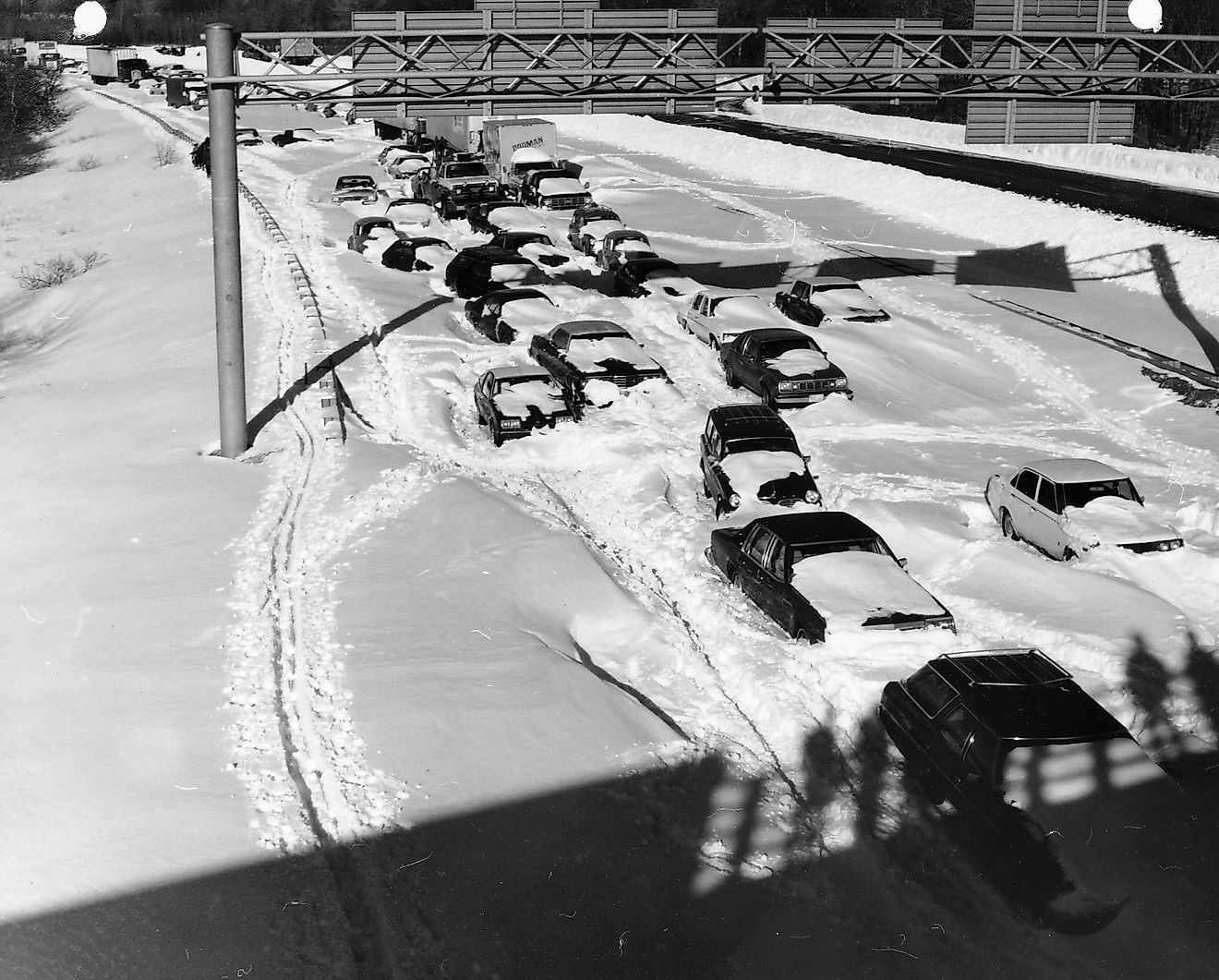
The 1993 Storm of the Century was a powerful nor'easter and cyclonic winter storm that formed over the Gulf of Mexico on March 12 and swept across the eastern United States, Canada, Cuba, the Bahamas, and the Gulf of Mexico before dissipating on March 15. With a central pressure near 960 mbar, hurricane-force winds, record cold, and up to 56 inches of snow in the Appalachians, it caused blizzard conditions and coastal storm surges. Over 10 million lost power, travel was halted, 11 tornadoes struck Florida, and at least 318 people died, with estimated damages of $5.5 billion in 1993 U.S. dollars.
6. The Schoolhouse Blizzard (US, 235 dead)

The Schoolhouse Blizzard of January 12, 1888, struck the U.S. Great Plains suddenly, on an unseasonably warm day, killing about 235 people, many of them schoolchildren. A powerful Arctic front collided with moist Gulf air, plunging temperatures from near freezing to far below zero, with fierce winds and powdery snow creating instant whiteouts. Caught while traveling or at school, children and adults became lost or stranded. Heroic teachers saved some classes, while others perished in the storm that bitter winter.
7. Hakkoda Mountains Disaster (Japan, 199 dead)

On 23 January 1902, 210 Imperial Japanese Army soldiers began a winter training march through Japan's Hakkōda Mountains toward Tashiro Hot Spring. Slowed by heavy sleds and lacking local guides, they were caught in a fierce blizzard with temperatures near −41 °C. Disoriented in the snow, they wandered for days; 193 died on the mountain, and six more, leaving only 11 survivors, many with amputations. The catastrophe is considered the deadliest mountaineering disaster and later inspired books, films, and a museum.
8. North American Blizzard of 1996 (US, 154 dead)

The January 1996 United States blizzard was a Category 5 "Extreme" nor'easter that struck January 6-8, dumping up to 4 feet of snow from Virginia to New England and paralyzing the East Coast. Arctic high pressure fed intense cold and strong winds, producing whiteouts, drifts over 8-10 feet, and widespread power outages. Major cities such as Washington, D.C., Baltimore, Philadelphia, New York, and Boston shut down, with all roads closed in New Jersey. At least 154 people died in the storm and 33 more in subsequent flooding, as rapid warming and heavy rain quickly melted the deep snowpack, causing major river flooding and about $3 billion in damage nationwide overall.
9. Armistice Day Blizzard (US, 146 dead)

The Armistice Day Blizzard of November 11-12, 1940, was a powerful early-season "panhandle hook" winter storm that swept from Kansas to Michigan. After a warm morning near 65°F in the Upper Midwest, conditions deteriorated rapidly as an intense low drew moist Gulf air into plunging Arctic cold, unleashing heavy rain, then severe snow, 50-80 mph winds, twenty-foot drifts and temperature drops of about 50°F. Around 146-154 people died, including many duck hunters and sailors on Lake Michigan. The disaster exposed forecasting failures and led to expanded, more localized weather services.
10. 2008 Chinese Winter Storms (China, 129 dead)

The 2008 Chinese winter storms were a series of snow, ice, and cold waves from late January to early February that struck southern and central China, regions unaccustomed to heavy snow. Blizzards and sub-zero temperatures crippled power grids, water supplies, transport and communications, leaving cities like Chenzhou without power or water for up to two weeks and stranding millions of New Year travellers as railways, highways and airports closed. At least 129 people died, hundreds of thousands of buildings were damaged, farmland and forests were widely lost, economic losses topped 150 billion yuan, and a military-led relief effort was launched.
The Ten Deadliest Blizzards In The World
| Rank | Blizzard | Location | Year |
|---|---|---|---|
| 1 | 1972 Iran Blizzard | Iran | 1972 |
| 2 | Carolean Death March | Sweden-Norway (Tydal Mountains) | 1718-1719 |
| 3 | 2008 Afghanistan Blizzard | Afghanistan (mountainous regions) | 2008 |
| 4 | Great Blizzard of 1888 | U.S. East Coast & Atlantic Canada | 1888 |
| 5 | 1993 “Storm of the Century” | Eastern North America (US, Canada, Cuba, Bahamas) | 1993 |
| 6 | Children’s Blizzard | U.S. Great Plains | 1888 |
| 7 | Hakkōda Mountains Disaster | Hakkōda Mountains, Japan | 1902 |
| 8 | North American Blizzard of 1996 | U.S. East Coast (Virginia-New England) | 1996 |
| 9 | Armistice Day Blizzard | U.S. Midwest (Kansas-Michigan) | 1940 |
| 10 | 2008 Chinese Winter Storms | Southern & Central China | 2008 |