Why Some National Parks Have No Trees
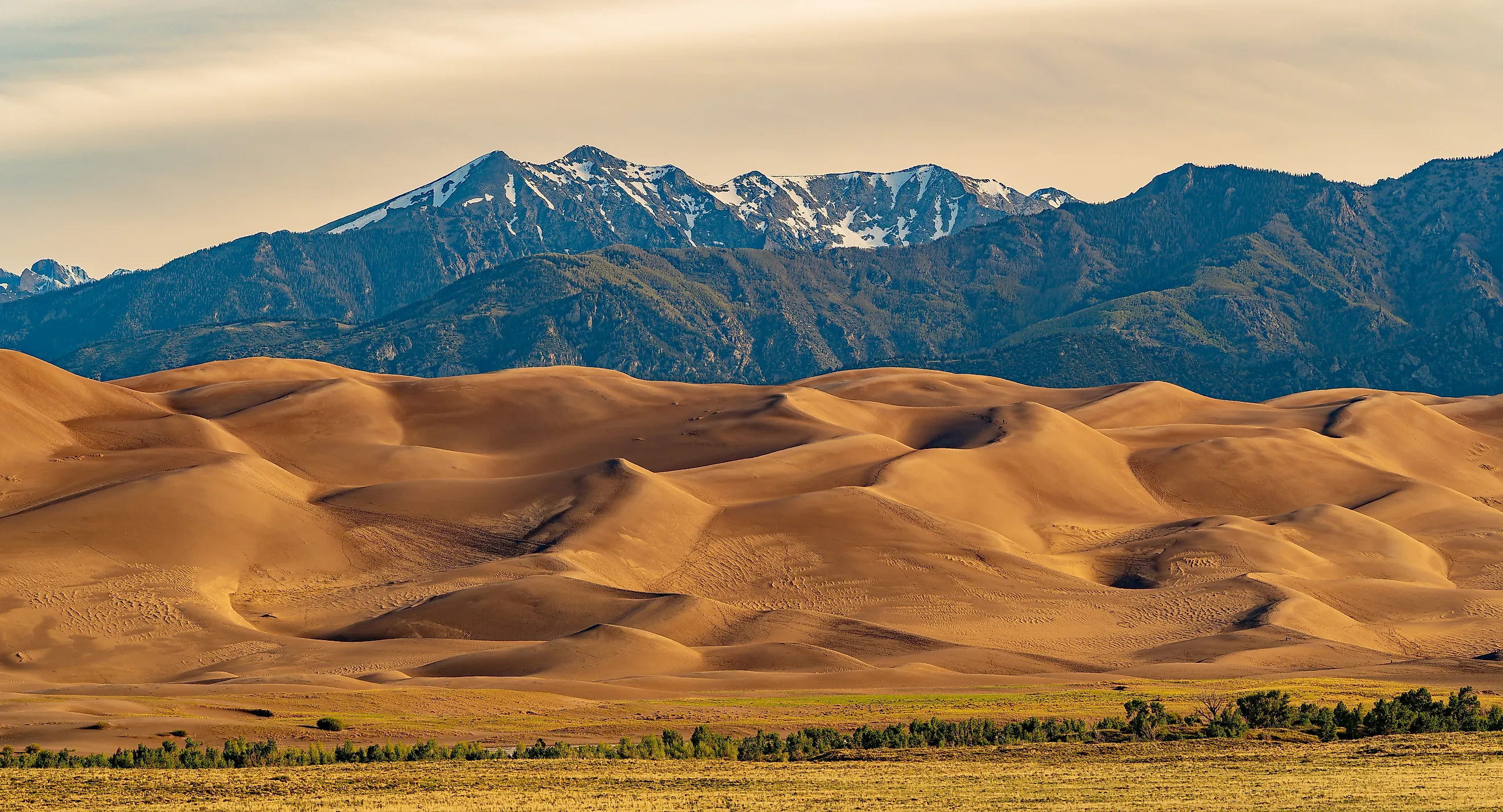
We tend to picture a national park as a forest: towering pines, shady trails, the works. So it can be a genuine surprise to stand in one of the many parks where there is not a tree in sight, just sand, salt, tundra, or grass rolling to the horizon. It turns out trees are far pickier than we give them credit for. They need a fairly specific set of conditions to survive, and knock out any one of them and the forest simply never gets started. Here are the reasons some of the most spectacular national parks are completely, deliberately bald.
Trees Are Pickier Than They Look

To grow into a forest, trees need a handful of things all at once: enough water, enough warmth, a growing season long enough to build wood, and stable soil their roots can actually hold onto. Take away any single one of those and trees tap out, leaving the field to hardier plants like grasses, shrubs, and succulents that can tough it out where trees cannot. On top of that, some landscapes are actively kept treeless by forces like frequent fire or relentless wind that kill young saplings before they ever get established. Every treeless park below is really just a different version of one of those conditions failing.
Too Dry: The Deserts

The most obvious tree-killer is a simple lack of water. Trees are thirsty, and a true desert cannot supply enough to keep one alive. Death Valley National Park is the poster child, averaging a meager two inches of rain a year across a scorching, sun-blasted landscape that includes the lowest, hottest ground in North America. Instead of forests you get salt flats, sand dunes, and specialized desert plants that store water and space themselves far apart to avoid competing for every drop. The plants that do survive here are marvels of thrift, but a leafy shade tree needs far more than the desert will ever hand out.
Too High and Too Cold: The Tree Line

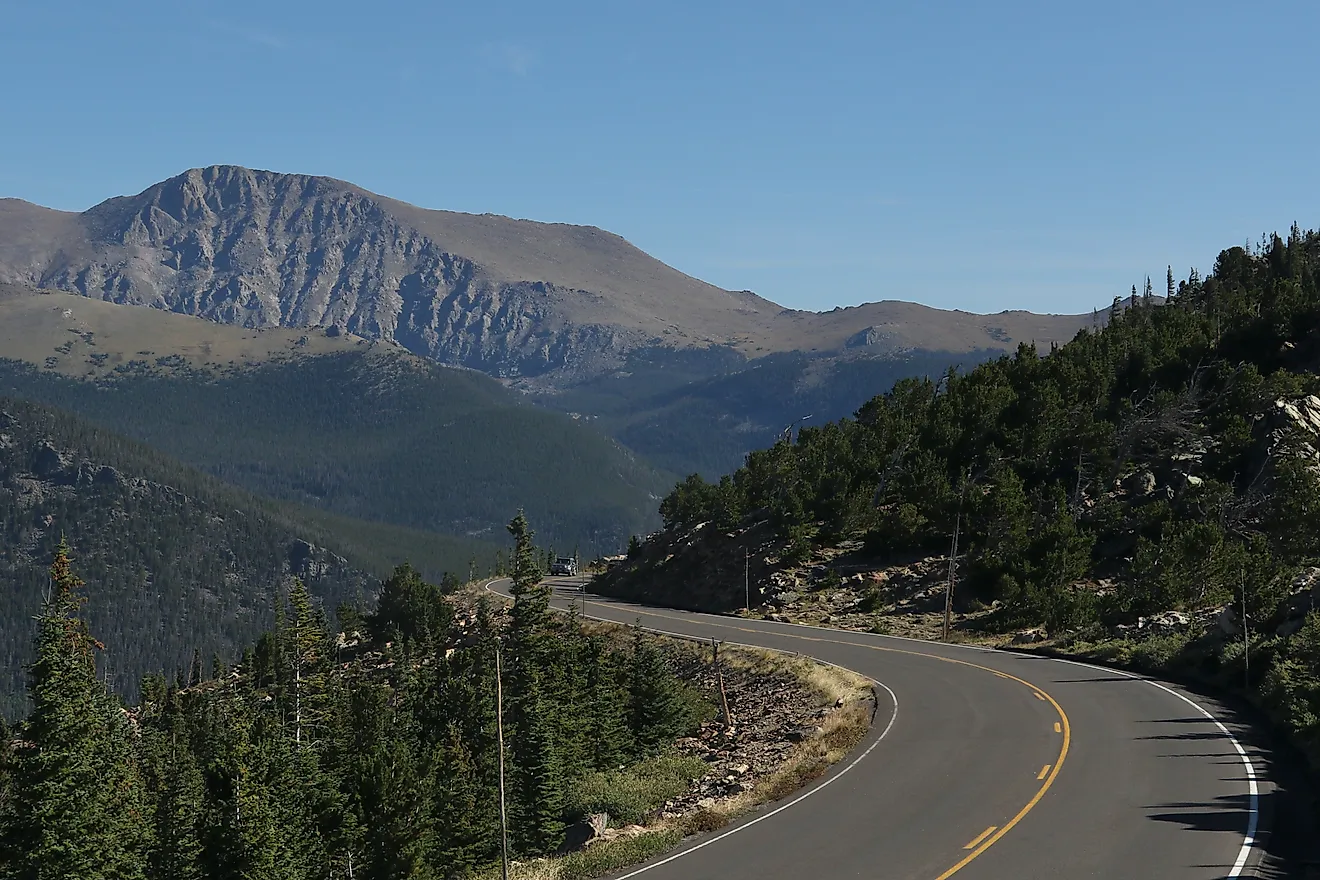
Climb high enough on any mountain and you eventually cross the tree line, the elevation above which trees simply cannot grow. In Rocky Mountain National Park, that line sits around 11,000 to 11,500 feet, and a remarkable one-third of the entire park lies above it in open alpine tundra. Up there, the growing season is brutally short, the wind is relentless, and the cold is punishing, so the landscape gives way to hardy, ground-hugging plants instead. The exact same thing happens with latitude rather than altitude in the far north, where the Arctic parks sit beyond the tree line entirely, their frozen ground and long dark winters producing treeless tundra all the way to the pole.
When the Ground Itself Says No

Sometimes there is plenty of water and warmth, but the ground itself refuses to cooperate. At White Sands National Park in New Mexico, the world's largest gypsum dune field, the surface is not ordinary soil but a sea of shifting, mineral-heavy sand that buries and starves most plants before they can take hold. The same goes for the salt flats of Death Valley, where the soil is so briny that few living things tolerate it, and for constantly eroding badlands, whose crumbling clay never stays put long enough for a root system to develop. When the very foundation is too salty, too loose, or too mobile, no forest can ever get a grip.
Fresh Lava, No Soil Yet

Here is a treeless landscape that is treeless simply because it is brand new. At places like Hawaii Volcanoes National Park and Idaho's Craters of the Moon, huge expanses are covered in recently cooled lava, and fresh lava is not soil, it is bare, sterile rock. Before anything can grow, that rock has to be broken down over decades and centuries by rain, wind, and pioneering life like lichens and mosses into something a plant can actually root in. Only after this slow process, called primary succession, has built up a thin layer of soil can tougher shrubs and eventually trees move in. Stand on a young lava field and you are looking at a forest that has simply not had time to be born yet.
Too Wet, So Grass Wins

Strangely, too much water can be just as hostile to trees as too little. Everglades National Park is famously described as a "river of grass," a vast, shallow, slow-moving wetland where the waterlogged ground and periodic fires favor sawgrass over forest across enormous stretches. Most trees cannot survive with their roots permanently drowned, so in the Everglades they cluster only where they can keep their feet dry, on slightly raised patches called tree islands or hammocks, and along the salty mangrove coast. The result is a park that is technically stuffed with plant life yet reads as a wide-open grassy horizon, because the trees are penned into the few dry footholds available.
The Joshua Tree Twist

We will end with the ultimate technicality. Joshua Tree National Park is named for the spiky, arm-waving plants scattered across its Mojave Desert half, which everyone happily calls trees. Except they are not. The Joshua tree is Yucca brevifolia, a member of the asparagus family, and it lacks the woody trunk and growth rings that define a true tree. Botanically, it is a giant yucca, essentially an oversized desert succulent doing a very convincing tree impression. So even the one national park that puts "tree" right in its name is, by a strict definition, a treeless desert too. Trees, it turns out, are not just picky about where they grow. They are picky about what even counts as one of them.