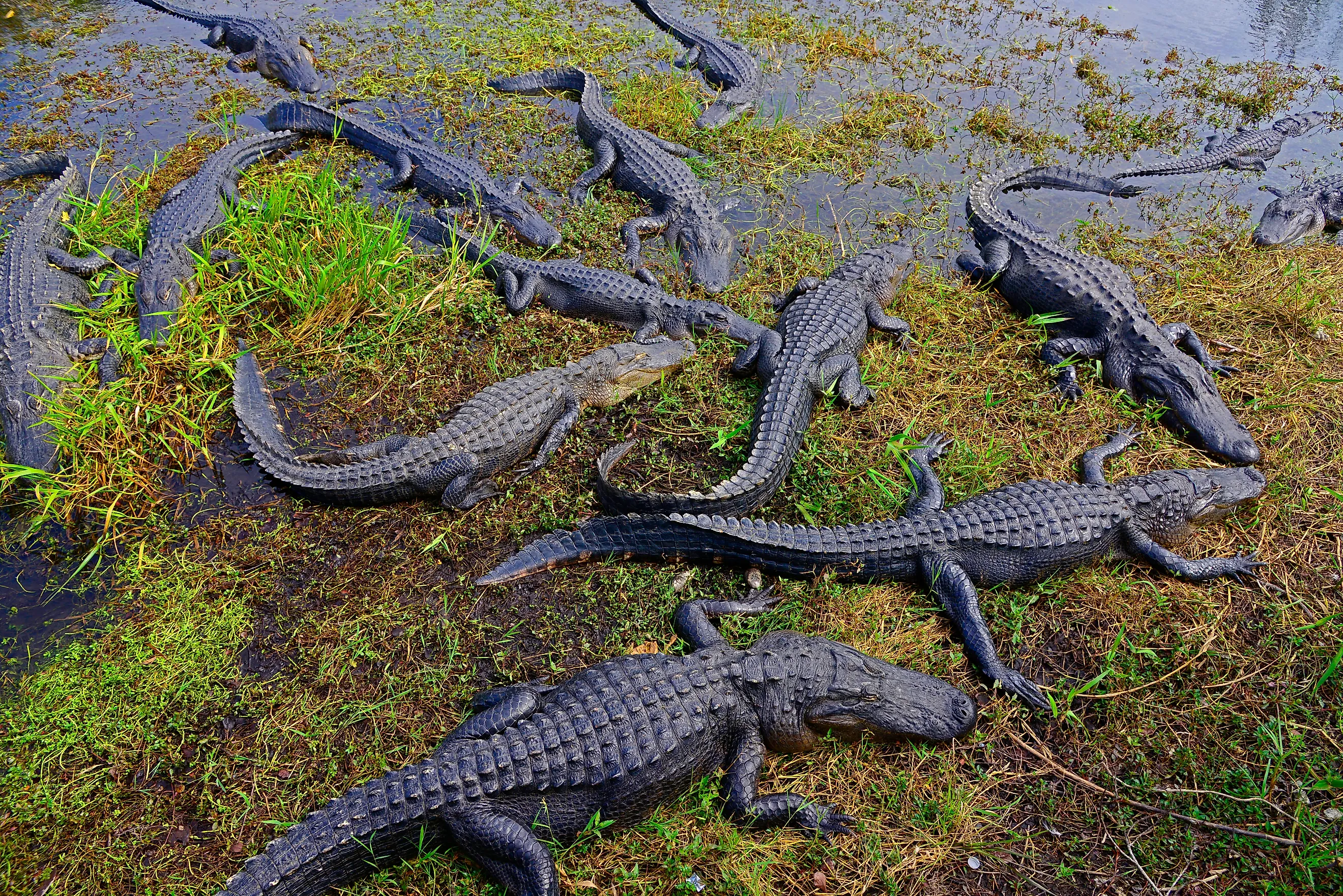
Why Alligators Don't Live In Western National Parks
Go to almost any national park in the American West and you will meet the locals: bison, elk, bighorn sheep, marmots, the occasional bear rifling through a cooler. What you will never meet is an alligator. This is not an oversight, and it is not because the gators never got around to it. The American alligator has an unusually strict list of demands, and the West fails nearly every one. A gator is, at heart, a warm-water couch potato with 80 teeth, and the mountains and deserts out west are the opposite of everything it wants. Here is why the biggest parks in the country are permanently gator-free.
What a Gator Actually Wants

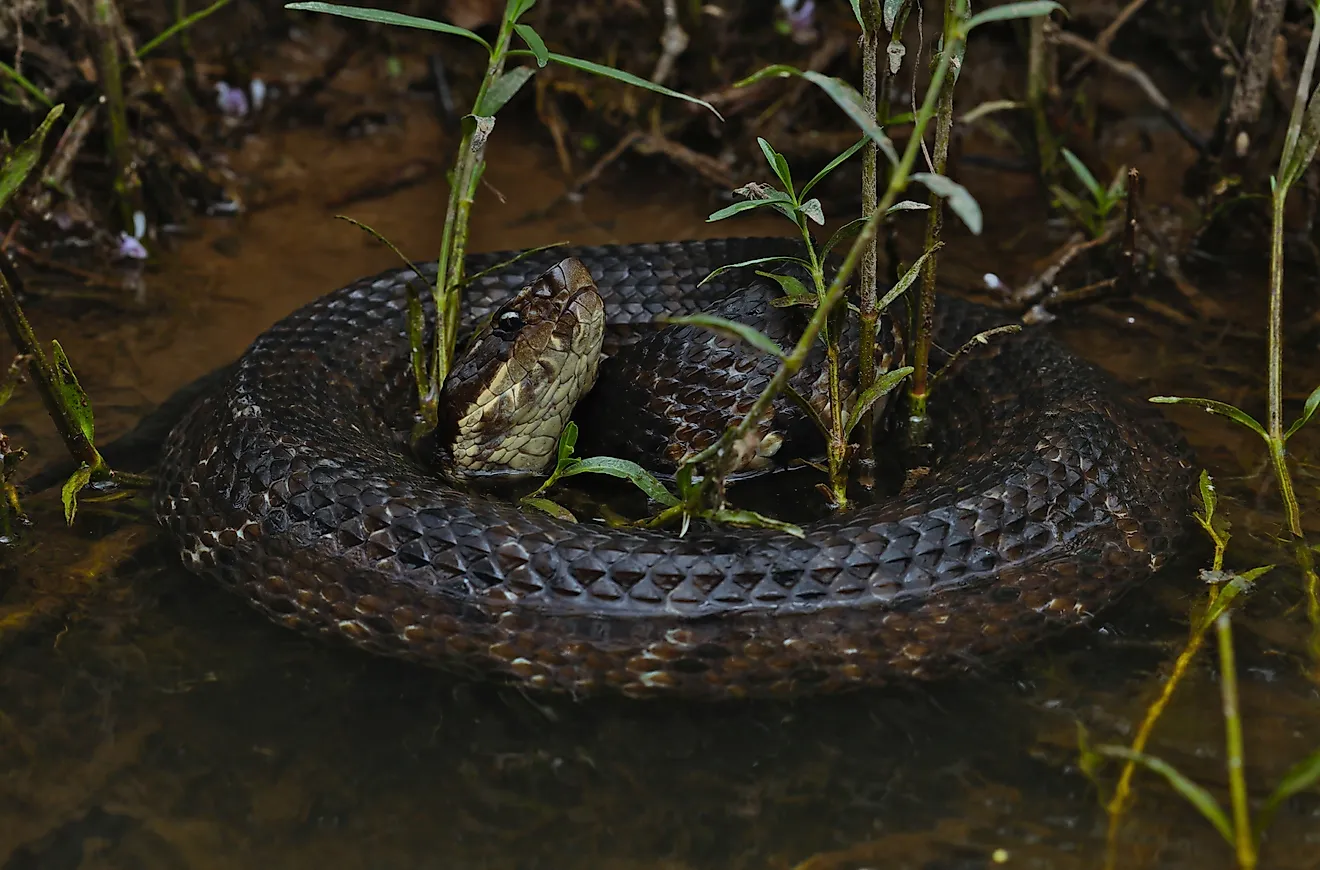
To understand why the West is a non-starter, you have to know what a gator is looking for. Alligators are ectotherms, which means they cannot heat themselves and have to borrow warmth from their surroundings. So the first requirement is a mild climate that almost never freezes hard. The second is water, specifically slow or still freshwater no more than a few meters deep, with a soft muddy bottom for lounging and denning. Add a steady buffet of fish, birds, and turtles, and you have gator paradise. This describes the swamps, marshes, and bayous of the Southeast almost perfectly, which is exactly why the Everglades is crawling with them. Now hold that checklist up against the western parks.
Too Cold and Too High

Start with the mountain parks, because they wash out immediately. Yellowstone, Rocky Mountain, and Glacier all sit at high elevation and spend months of the year buried in snow, with lakes that freeze solid. For an animal that cannot generate its own body heat, that is a death sentence. A gator dropped into a high alpine lake would not settle in and adapt. It would slow down, stop moving, and become a very expensive popsicle. Yellowstone does have warm water, of course, but it comes in the form of hot springs that are near boiling and acidic, which is arguably a worse option than the cold.
Too Dry

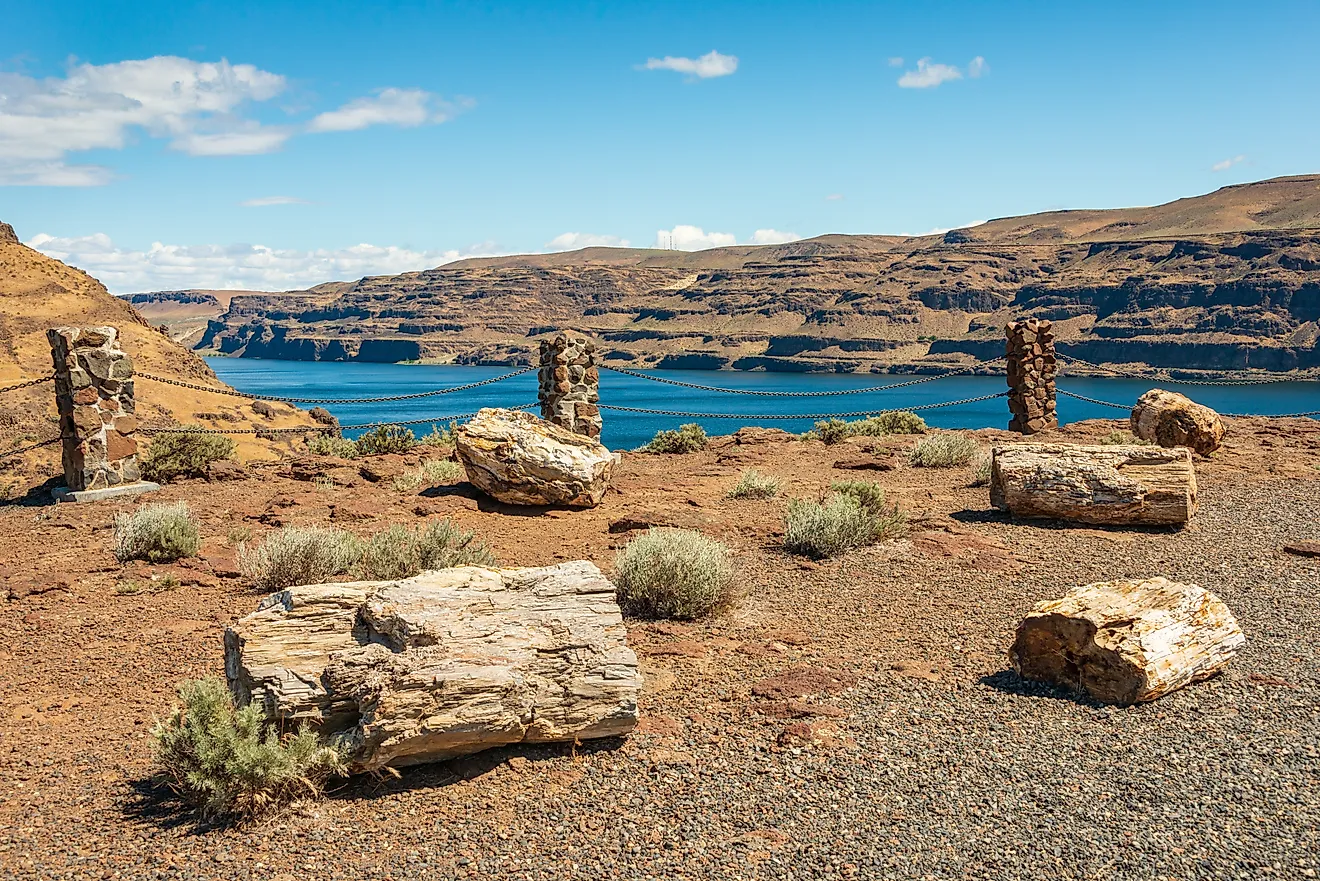
The desert parks fail for the opposite reason. Joshua Tree, along with places like Arches, Canyonlands, and the rim country of the desert Southwest, offers scorching days, cold nights, and almost no standing water at all. An alligator needs a wetland to live in, and a wetland is the one thing a desert is defined by not having. A gator in Joshua Tree would be less an apex predator and more a large leather handbag waiting to happen. Warmth alone is not enough. Without water, the whole plan collapses.
Too Fast and Too Steep

Even the western parks that do have serious water have the wrong kind. The Grand Canyon has the Colorado River, but that water is cold snowmelt racing through a mile-deep gorge, and Yosemite's rivers spend half their length falling off cliffs. Gators want lazy, still, sun-warmed water they can float in for hours. They have no interest in whitewater. Western rivers also tend to run through steep, narrow, disconnected valleys rather than the broad flat floodplains gators spread out across in the Southeast, so even the calmer stretches are walled off from one another. There is simply nowhere for a population to settle and grow.
Where the Gator Line Actually Stops

Put all of this together and the alligator's range has a hard western edge, and it lands right around eastern Texas. East of that line you get the warm, wet, low-lying country gators require. West of it, the wetlands thin out and the land tilts up into plains, mountains, and desert. The gators are not being stubborn or shy. They have followed their habitat to its natural boundary and stopped, because there is nothing past it that meets the list. The great western parks begin more or less where gator country ends.
Leave the Parks to the Bison
So the absence of alligators in Yosemite or Yellowstone is not a quirk or a gap waiting to be filled. It is the predictable result of a very fussy reptile meeting a landscape built entirely wrong for it: too cold up high, too dry down low, and too fast in between. The West has some of the most dramatic scenery on the planet. It just happens to be terrible gator real estate, and the gators, for their part, are not missing it one bit.