What Happens When A National Park Runs Out Of Water
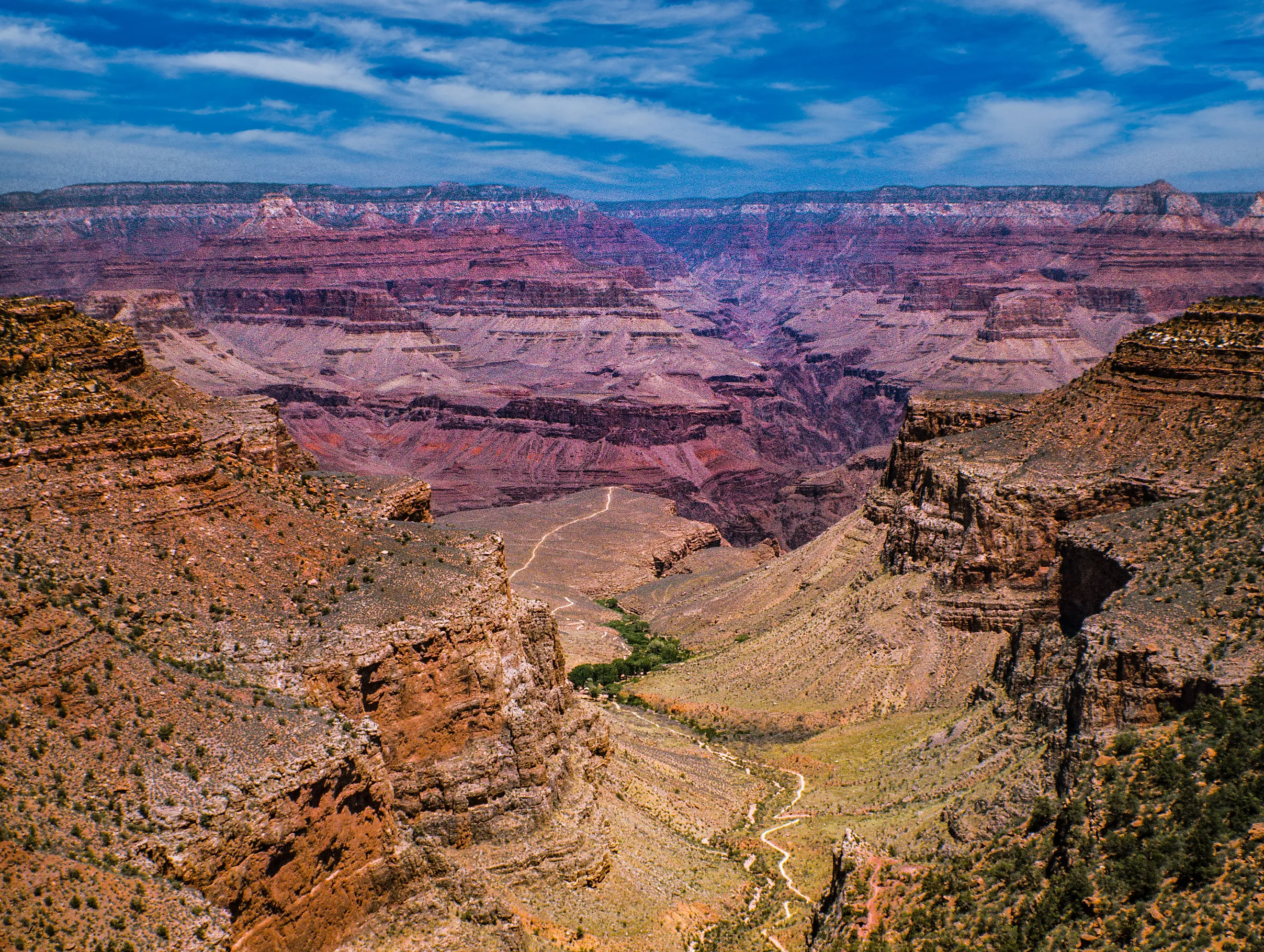
Half a mile below the South Rim of the Grand Canyon, a steel pipe laid in the 1960s carries drinking water up to the lodges, campgrounds, and faucets that keep the park running. It has broken more than eighty-five times since 2010. Every break means crews rappelling into the canyon to weld a patch while the storage tanks up top slowly empty. That single aging pipe is a small version of a much larger story, because water is the one thing a national park cannot do without and the one thing a growing number of them are struggling to keep. More than 323 million people visited the parks in 2025, and the plumbing they rely on was mostly built for a quieter era. So what actually happens when a national park runs low on water? The answer is a careful, staged response run by park staff and federal scientists, and it is worth walking through, because it tells you a lot about how these places survive.
Why Parks Run Short In The First Place

There is rarely one clean cause. Two pressures tend to stack on top of each other, and the Grand Canyon shows both at once. The first is old infrastructure. The pipes, pumps, and storage tanks in many parks date back fifty to a hundred years, built when far fewer people came through the gates and long before anyone imagined the crowds these places draw now. The Grand Canyon's Transcanyon Waterline is the textbook case, which is why the Park Service is spending 208 million dollars to replace it, with the work expected to wrap up in 2027.
The second pressure is the water itself. Hotter summers and deeper droughts have thinned the springs, creeks, and reservoirs that many parks pump from, especially across the arid Southwest. These sources are not vanishing overnight, but in a dry year they refill more slowly than a busy park's visitors and operations draw them down, and that gap is where the trouble starts. Put an aging pipe and a shrinking spring in the same canyon and you have the makings of a shortage well before anyone posts a warning sign.
How Park Staff Respond, Step By Step

Most parks sit too far from any town's water system to simply tap in, so they rely on what they can store and pump on-site. That means staff watch their tank levels constantly, even in good years. When the numbers start to slide, the Grand Canyon and parks like it move through a five-stage system, and each stage tightens the screws a little more.
Stage one is mostly watching, with staff keeping a closer eye on the tanks. Stage two asks visitors, employees, and park residents to cut back voluntarily, the familiar shorter-showers-and-full-loads-of-laundry routine. At stage three the requests become rules: water-dependent amenities start closing, and because firefighting depends on that same water, fire restrictions usually kick in too. Stage four is where a shortage stops being a warning and becomes a reality. Overnight lodging may shut, open campgrounds switch to dry camping where visitors haul in their own supply, and campfires are banned outright. Stage five is the last resort, and it can mean closing visitor services or the park itself, the point at which staying open would put people at real risk.
Alongside the restrictions, staff often bring water in from outside. The main tool is water hauling: the park contracts with federal or private suppliers to truck in tanks of drinking water from a reliable source elsewhere. Crater Lake staff have done exactly this during dry stretches, and at the Grand Canyon, hauled and pumped water is a routine part of operations, since the terrain leaves few easier options. Every drop has to come from a certified drinking-water source, and the trucks and tanks that carry it get inspected on a strict schedule, because the whole point is water people can safely drink.
What Visitors Actually Notice

Visitors usually feel a shortage before they hear about one. As soon as tank levels drop, the first cutbacks land on everyday conveniences. Non-essential faucets and drinking fountains go dark, flush toilets get swapped for portable ones, and showers for overnight guests are trimmed or shut off depending on how tight things are. If the squeeze deepens, it can reach visitor centers, small on-site museums, and campgrounds where sanitation becomes a genuine concern. When even the backcountry springs and streams that hikers count on begin to fail, rangers may limit or close popular backpacking trails, though that is reserved for the worst cases. Staff and park residents live under the same rules; nobody gets a pass.
The bigger risk is what a shortage does to safety. When there is no reliable water on the trail, hikers have to carry everything they will drink and cook with, and people badly underestimate how much that is, especially in a remote desert park in July. Misjudge it and dehydration or heat illness follows fast. Rangers are the first responders when that happens, and a stretch of hard days can pile up rescues faster than a short-staffed park can handle, sometimes pulling in help from nearby communities. It is not the everyday reality of a park under restrictions, but it is the reason the restrictions exist.
The Toll On Wildlife And Habitat

People are not the only ones going thirsty. Parks are set aside partly to protect the plants and animals inside them, and plenty of those species are already rare or struggling. Take water out of that equation and the strain spreads through the whole web: springs and streams shrink, water quality slips as what remains grows more concentrated, pollutants gather in the pools that are left, and dry vegetation raises the fire risk. In the worst and longest droughts, native plants and animals can disappear from a park, and a habitat can change shape entirely. Most of that damage, though, shows up slowly, months or years after a dry season, which is what makes it easy to miss and hard to reverse.
Many of the same moves that protect visitors also protect wildlife. Cutting overall use, limiting backcountry access, and banning campfires all ease the draw on a park's water and leave more of it for the animals and plants that have nowhere else to go. But the most useful work happens before any emergency. The Park Service pairs with the U.S. Geological Survey to track and test the health of a park's water through a long-running monitoring partnership, with USGS stations gathering data across the parks. Scientists use those readings to spot vulnerabilities early and build management plans around them, so a park can plan for a dry year instead of simply reacting to one.
Is The Whole Park System At Risk?

The honest answer is sobering but not apocalyptic. A March 2026 study funded by the Park Service assessed 259 parks for their exposure to fire, drought, pests and disease, and sea-level rise, and found that 77 percent rank as highly vulnerable to climate change, whether across the board or to one high-impact threat. Parks in the Midwest and East carry the heaviest overall risk, while much of the Southwest faces the sharpest combination of drought and fire. No park is drying into a wasteland, and total depletion is not around the corner. But the shortages are already real and already here: staff at Big Bend enacted water restrictions after the only Chisos Basin water source failed in December 2025, and rangers at Glacier closed some Logan Pass restrooms in the summer of 2025 when heavy use outran the supply.
What The Broken Pipe Is Telling Us
Those two problems, the century-old plumbing and the shifting climate, are the ones the researchers return to again and again, and they are the same two pressures stacked in the Grand Canyon. The encouraging part is that none of this is a mystery to the people who run the parks. They know which pipes are failing and which springs are thinning, they have a staged playbook for a bad year, and they are already spending real money to fix the worst of it, that 208-million-dollar waterline chief among them. A park running low on water is not a sign that anyone has given up. It is a place being managed carefully through a hard stretch, and the sooner the aging infrastructure and the drier climate get the attention they need, the more of these landscapes stay open for the millions who keep showing up to see them.