The National Parks With Significant Seasonal Closures
Mother Nature sets the visiting hours at some of America's most popular national parks. While many remain open year-round, seasonal closures can put their best-known attractions out of reach for months. At Joshua Tree, extreme summer heat shuts down the 49 Palms Oasis Trail. Isle Royale takes seasonal restrictions even further, closing entirely for nearly six months. These six national parks prove that timing can make all the difference when planning a visit.
Denali National Park and Preserve, Alaska
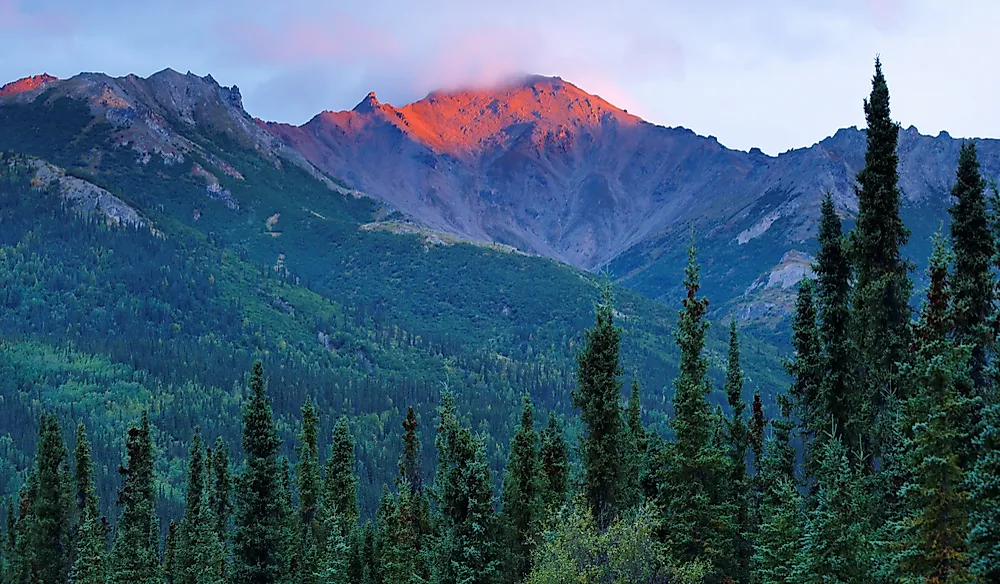
This park is six million acres of pure wilderness made up of taiga forests that rise higher to alpine tundra. Although the park is open year-round, much of it closes during the winter because of the extreme Alaskan weather. Denali Park Road is 92 miles long and the only road in the park. Just the first three miles of it are open to personal vehicles in early winter. The Murie Science and Learning Center is the only visitor center open. However, winter still brings many opportunities in the park, such as visiting the sled dog kennels, snowshoe hiking, and biking on the Roadside Bike Trail.
Visitors should also take note that there is no public transportation in the park outside the summer. The summer season of mid-May through mid-September is peak season in Denali National Park. The first 15 miles of Denali Park Road opens to personal vehicles, and most visitor centers are open. The main Denali Visitor Center opens to show exhibits, a film, and a chance to interact with park rangers. There are opportunities to take various bus tours that have different specialties, like wildlife viewing, park education, and hopping off the bus for a bit of hiking. Hiking is the park's most popular activity, and there are also sled dog demonstrations and guided walks.
Grand Teton National Park, Wyoming

This national park in northwestern Wyoming draws visitors for its famous Jackson Hole Valley, mountains, and big animals like moose and bears. It is also a national park that is open every day of the year but has partial closures during the colder seasons. Teton Park Road and Moose-Wilson Road close on November 1 and do not reopen until April and May. Other roads in the park close due to wintery conditions. Campgrounds, restaurants, and most visitor facilities close in the fall and reopen in late spring. However, this should not deter people from taking in the beauty of the park during its slower season. Fall brings aspen trees turning golden and the chance to see bison and elk on the move as they head south. Spring is good for walking and cycling on the Grand Teton Pathway.
Yellowstone National Park, Wyoming

This park is over 3,400 square miles of land mostly in Wyoming, with small portions in Montana and Idaho. It is popular for its volcanic landscape consisting of colorful hot springs, erupting geysers, and boardwalks that make it accessible to see these wondrous features. People come to see wolves, bears, bison, elk, and cougars. June through September is peak visiting season and when most facilities are open. Temperatures are warm and give the best viewing for wildflowers, gushing waterfalls, fall colors, and bird migrations. Wolf pups and elk calves roam around, and chorus frogs sing.
Come winter, entrance to Yellowstone National Park is only through the north and northeast entrance in Montana, and many roads close to vehicles. Just one lodge and one hotel in the park are open, while Mammoth Campground spots come on a first-served basis. Park visitor centers and museums mostly close September through November and do not reopen until March through May. Yet, much of Yellowstone still thrives in winter. Visitors battle fewer crowds and may go to major attractions like the Grand Canyon of the Yellowstone and Old Faithful by snowmobile or guided tour. Guides also take guests on trails via snowshoes or skis. Visitors should also consider the spring season, when bears and their babies emerge from hibernation, some wildflowers bloom, and birds migrate.
Yosemite National Park, California

Millions of people go to this park each year in central California to see the massive sequoia trees, valleys, waterfalls, granite mountains, and meadow wilderness. Like most parks, summertime is the busiest and gives visitors access to all the visitor centers, roadways, lodging, and restaurants. There are climbing lessons and guided hikes during this season. The Tuolumne Meadows Visitor Center is only open in summer. This center has exhibits for the park's history, wildlife, and geology. Visitors should plan accordingly during winter. Tioga Road (HWY 120) through the park generally closes in November and does not open again until late spring. This means visitors cannot get into the park from the east or drive to Tuolumne Meadows. Glacier Point Road also has the same closure, so guests cannot drive to Glacier Point.
Yet, Yosemite National Park is great to see in the winter among lesser crowds, with over 750 miles of hiking routes. Colder temperatures allow for ice skating, skiing, snow tubing, and snowshoe hikes. Guests should understand there will be fewer options for restaurants, camping, exhibit-viewing, and stays in lodges and cabins.
Joshua Tree National Park, California

This national park in southern California is particularly known for its Joshua trees, with their characteristic spiky bunches of evergreen leaves. Mountains, valleys, and sand dunes spread out over the park's desert environment. Spring is the busiest season at the park because of favorable weather and the blooming yellow, orange, red, and pink flowers.
In contrast to most other national parks in the US, summer is the low season in Joshua Tree National Park and thus creates some limited access. The 49 Palms Oasis Trail is closed every year during June through September because of the trail's more difficult terrain and limited shade. The closure is to prevent incidents that might occur from these traits combined with the seasonal heat. Five other backpacking zones close from June 1 through September 1. June through August is when some campgrounds close or have partial closures due to less demand. Additionally, campfires and any type of flame are prohibited June 15 through October 1 because of the seasonal hike in wildfire risks. Indian Cove Ranger Station is also closed during summer. However, those who do not mind these closures, restrictions, and higher temperatures can still take advantage of the park's hiking, biking, rock climbing, and stargazing.
Isle Royale National Park, Michigan

This is the only national park in the US that completely closes for a set amount of time every year from November 1 to April 15. The severe winter weather creates dangerous conditions for the park to be open during that time. Isle Royale National Park totals 850 square miles, and visitors can only get there by ferry or a seaplane. No pets are allowed at the park, and tent camping at certain sites can be closed during the season to limit human-wildlife interactions.
Visitors have from April 16 through October 31 to investigate the park on foot, by kayak, and by canoe. Park rangers can give guided hiking and sightseeing tours in certain areas. Among the sights are rare plants, 19th-century lighthouses, an old industrial fishery site, and up to 19 mammals that include wolves and moose. Visitors can take advantage of the park's shorter season by staying longer than one day. For those who do not want to camp, the main island has Rock Harbor Lodge and Washington Harbor Camper Cabins. Greenstone Grill restaurant serves breakfast, lunch, and dinner starting in June and until mid-September.
Apart from one national park in the US, all others are open every day of the year, which gives visitors many options and flexible scheduling to choose the season they find most attractive. Winter still brings out the beauty of landscapes, along with winter activities. Summer can create limitations in Joshua Tree National Park, but also fewer crowds to deal with. Park access and amenities may be restricted, but if guests prepare ahead of time, they are sure to have experiences to last a lifetime.