The National Forests With The Most Beavers
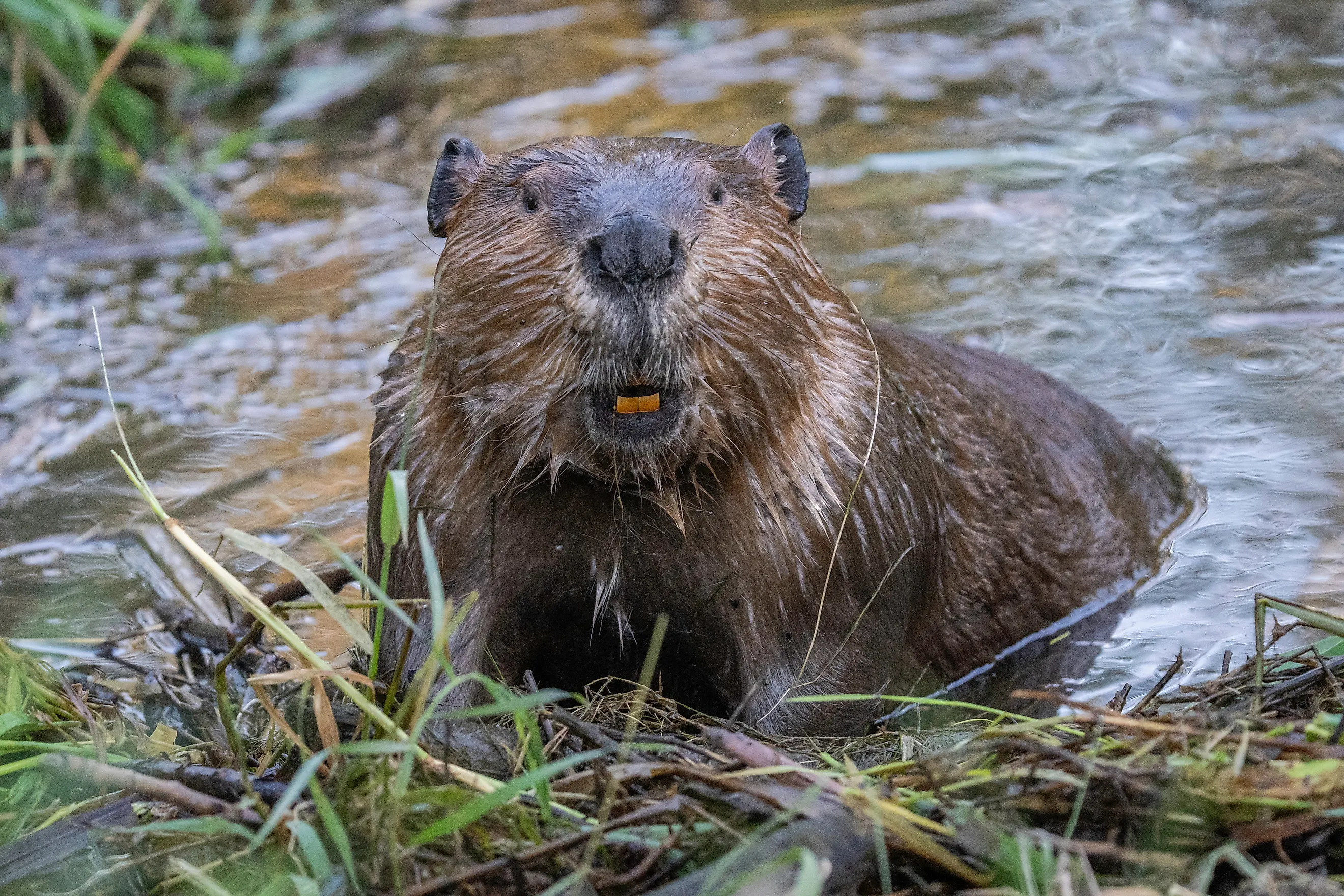
On Alaska's Copper River Delta, inside the Chugach National Forest, beaver ponds are so common that they dominate the streams, stair-stepping across the wetlands one dam after another. Scenes like this were nearly lost. Fur trappers wiped beavers out of much of North America by the early 1900s, and the continent's population, once estimated in the tens of millions, has never fully recovered. But beavers have made a strong comeback across the national forests, where large stretches of wild streams give them room to work. No agency counts every beaver on every forest, so these are the forests where beavers are documented in large numbers by long-term research, or where they have become central to how the forest is managed.
Chugach National Forest, Alaska

The Copper River Delta, near Cordova, is one of the largest wetlands on the Pacific coast of North America, and beavers have shaped much of it. According to Forest Service researchers, beaver ponds dominate the stream habitats here, creating deep, quiet pools that stay open beneath the ice in winter.
Those ponds have become nurseries for young coho salmon, which grow and survive the winter in them before heading to sea. In the fall, when adult coho return to spawn, their eggs and carcasses enrich the ponds and help feed the next generation of fish. On the delta, beavers and salmon have become partners, each shaping the habitat the other needs.
Tongass National Forest, Alaska

The largest national forest in the country is laced with beaver ponds, from remote valley floors to the edge of Juneau. At the Mendenhall Glacier Visitor Center, the Tongass National Forest runs a live camera inside a beaver lodge on Steep Creek, letting viewers around the world watch beavers nap, groom, and chew their way through the day.

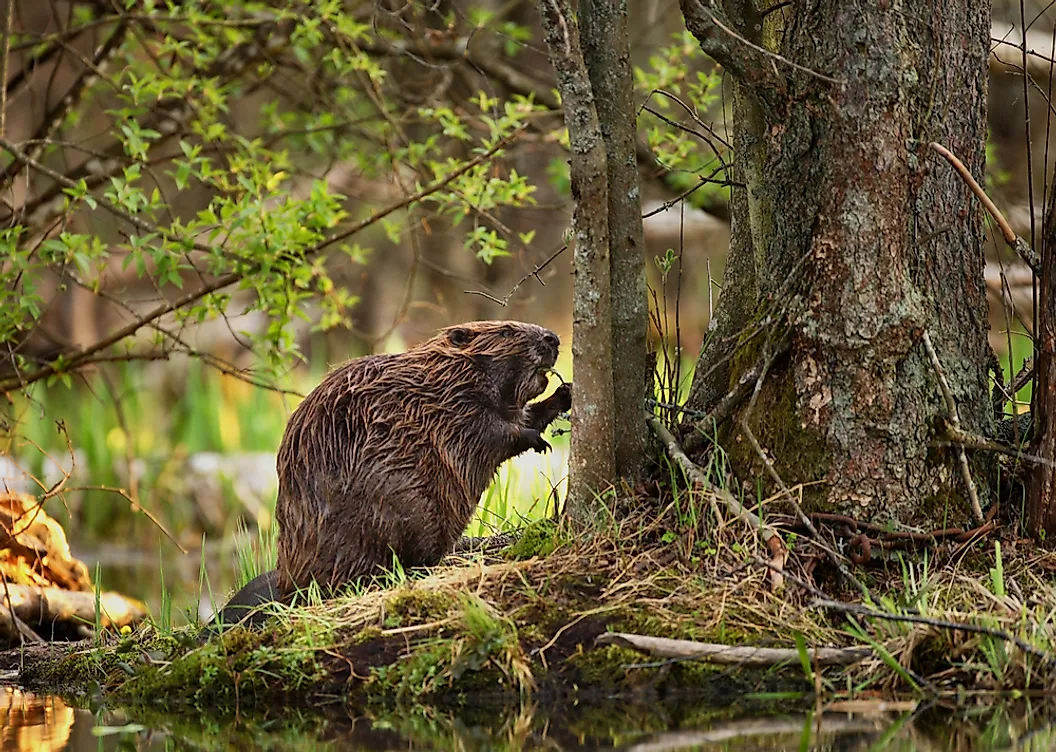
Closeup eye level portrait of a beaver feeding on a tree branch.
The forest's biologists walk a careful line here. Beaver ponds give young salmon excellent places to grow, but too many dams can block adult fish from reaching their spawning gravel, so the Forest Service manages Steep Creek to leave room for both.
Okanogan-Wenatchee National Forest, Washington

In Washington's Methow Valley, beavers are being invited back on purpose. Trappers stripped the valley of its beavers in the 1820s and 1830s, and its streams dried and eroded without them. Since 2008, the Methow Valley Beaver Project, led by Forest Service biologists with state and local partners, has captured more than 300 nuisance beavers from private land and moved them, often as family groups, to streams high in the Okanogan-Wenatchee National Forest.
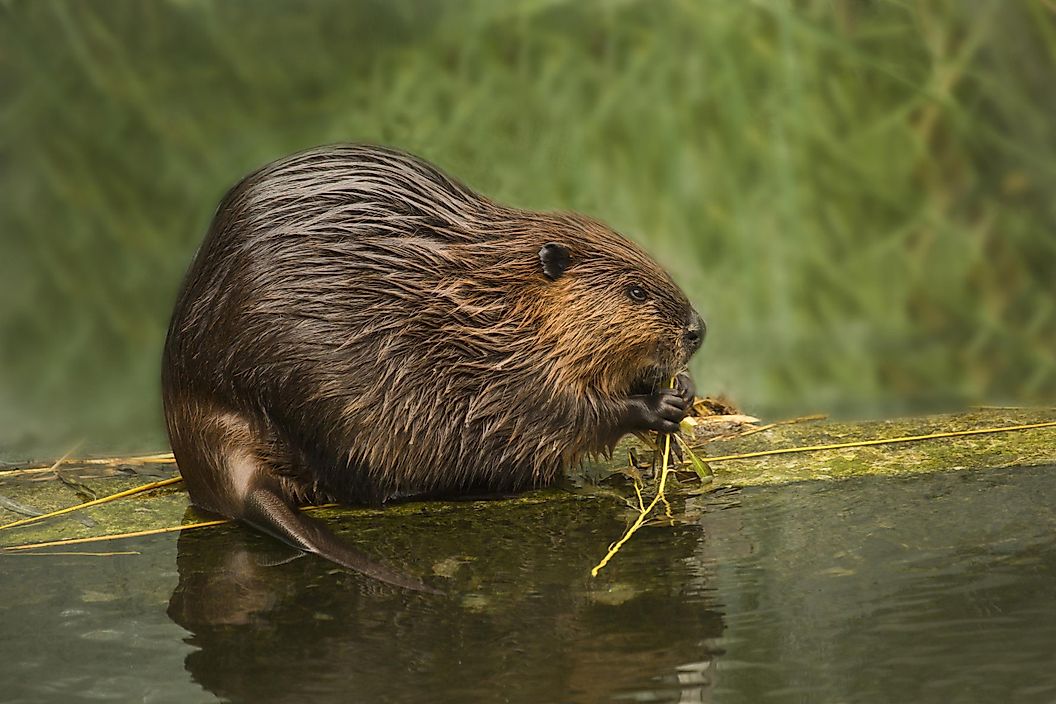
The goal is water. Beaver dams slow spring snowmelt and store it in ponds and soil, keeping streams running later into summer for salmon, steelhead, and bull trout. The project has become a model for beaver relocation across the West.
Chequamegon-Nicolet National Forest, Wisconsin

Northern Wisconsin's Chequamegon-Nicolet National Forest holds one of the longest-running records of beaver colonies on any national forest. Since 1987, researchers have counted active colonies along the forest's streams every fall, tracking how the population rises and falls with drought, harsh winters, and management.

Here, the story runs the other way. Beaver dams can warm and silt up the cold-water streams that brook trout need, so as part of Wisconsin's statewide beaver program, the forest removes beavers from selected trout streams while leaving them on others. It is a working example of how national forests balance wildlife, fishing, and habitat under their multiple-use mission.
Beavers, Forests, And Parks
Some of the densest beaver populations ever measured in the US live not in national forests but in national parks. Minnesota's Voyageurs National Park and Michigan's Isle Royale National Park, both in the north woods, report some of the highest beaver densities in North America. The difference matters. Parks are managed mainly for preservation, while national forests juggle timber, grazing, recreation, and fish habitat, which is why beavers on a national forest may be welcomed on one stream and moved off the next. Either way, they remain one of the most powerful forces in the forest, building wetlands that store water, slow floods, and shelter fish, birds, and amphibians.