The National Forests Where Wild Horses Still Run
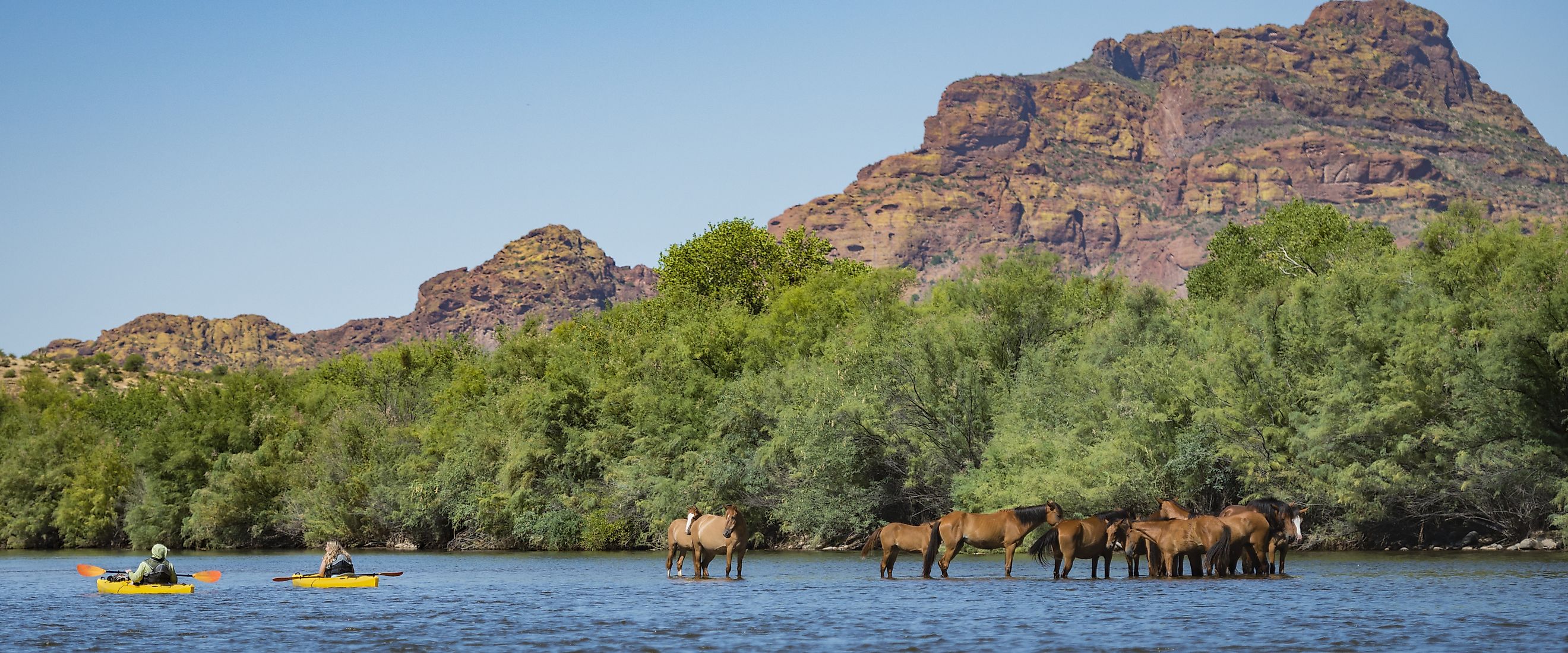
National forests with wild horse herds are found mainly in the western mountains and Pacific Northwest. Federal agencies such as the US Forest Service and the Bureau of Land Management (BLM) manage the herds, overseeing health and population while considering ecological conditions. Wild horses roam desert and forest landscapes across Nevada, Montana, California, and central Oregon. The Pryor Mountain mustang herd inhabits the Douglas fir forests and shrublands of Montana's Custer Gallatin National Forest. Similarly, around 300 Salt River Wild Horses dwell in the saguaro cactus desert landscape of Arizona's Tonto National Forest. These national forests illustrate the varied landscapes and natural habitats that support wild horse herds across the American West.
Modoc National Forest

Northeast California is home to the Devil's Garden Plateau Wild Horse Territory, one of the largest federally managed wild horse herds. Managed by the US Forest Service, the territory has a target population limit of 206 to 402 horses. However, recent official census data estimates that more than 700 wild horses actually live on and around the territory. Horses are about 14 to 15 hands tall with common colors and markings, including bay, black, and roan, with sorrel, gray, palomino, and buckskins also within the herd. Some have large, feathered legs that help protect them in extreme weather and from sharp rocks. You can sometimes see the horses near the Big Sage Reservoir and Quaking Aspen areas.
The Devil's Garden Plateau Wild Horse Territory is located within the Modoc National Forest. The Forest Service manages 258,114 acres of this territory, and the BLM handles 7,759 acres. To control herd size, the Forest Service places gathered horses for adoption through facilities like the Double Devil Wild Horse Corrals, following specific USFS adoption and sale guidelines. Their size and temperament make them suitable for ranch work, trail riding, and police work.
Custer Gallatin National Forest

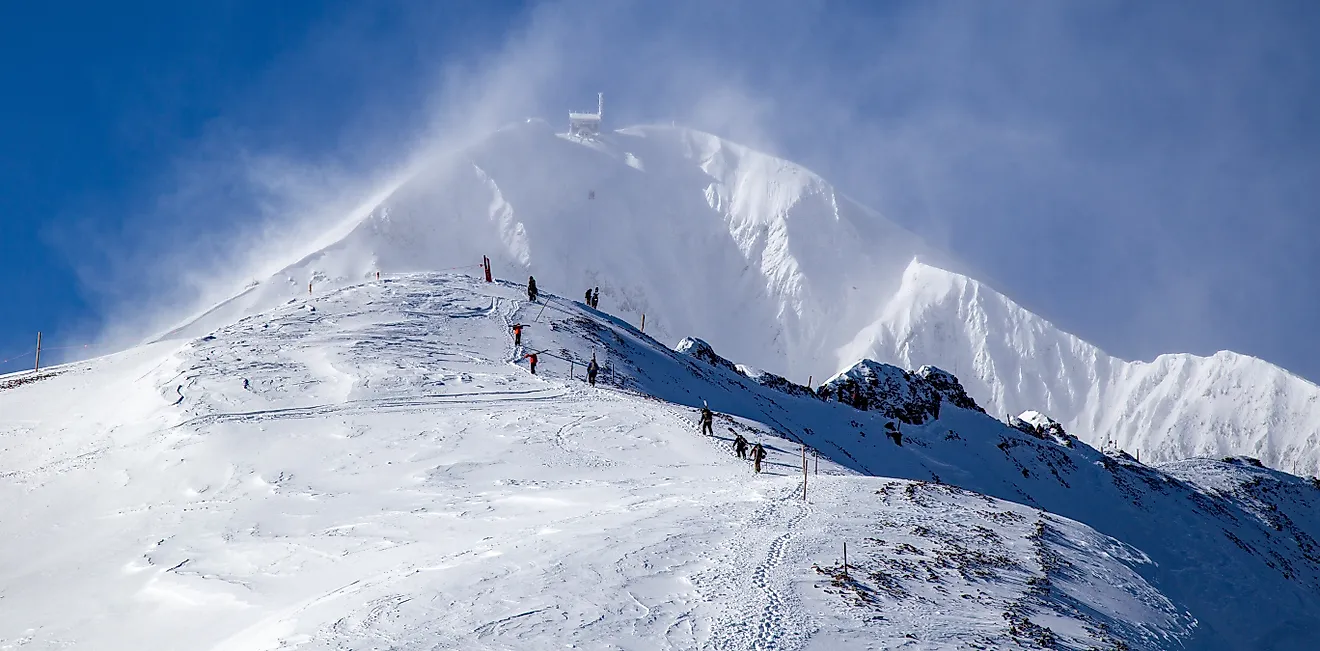
The Pryor Mountain mustang herd roams the Pryor Mountain Wild Horse Range, which spans the Montana-Wyoming border. It includes a designated wild horse territory within Custer Gallatin National Forest. The range was established by order of Secretary of the Interior Stewart L. Udall in 1968. Today, it encompasses more than 38,000 acres managed by the BLM, the National Park Service, the US Forest Service, and private landowners.
Federal agencies work jointly to manage the herd and balance the population, since overpopulation can reduce food and water. As of 2026, the property had approximately 187 adult horses. When gathering to control herd size, the population could drop to 150, which may happen in 2027, with an eventual size of 107 horses. The gathered horses are then sold or placed in off-range pastures. Since 1971, about 668 horses have been removed, and BLM reports that they have all been placed.
Sharing similarities to the quarter horse, these wild horses likely descended from a mix of domestic Spanish and European breeds. Horses come in a variety of colors, including bay, black, dun, buckskin, and palomino. They sometimes also have striped or bi-colored manes, legs, and tails. Adult horses are typically 13 to 14 hands tall. The range includes vegetation such as shrub grass, black sagebrush, Douglas fir, and juniper.
Inyo National Forest

California's Inyo National Forest is approximately 2.1 million acres across the eastern Sierra Nevada Mountains. The US Forest Service manages two wild horse territories within the forest, the Montgomery Pass and the White Mountain Wild Horse Territories. Both were established under the Wild Free-Roaming Horses and Burros Act of 1971.
The Montgomery Pass Wild Horse Territory spans about 207,900 acres in California and Nevada, including about 65,900 acres of Inyo National Forest land. The territory is managed for a herd of 138 to 230 horses. A 2020 census estimated 654 horses in the area, well above its designated range. Horses in this area have expanded their range beyond the designated territory, with some documented as far as 20 miles away, increasing concerns about forage use and impacts on winter range and resources.
The White Mountain Wild Horse Territory covers nearly 265,800 acres of terrain in California and Nevada, including about 181,800 acres within the Inyo National Forest, and is managed for 70 to 80 horses. In addition, wild mustangs have been reported in the remote Pizona area, a region with juniper forests and meadows.
Tonto National Forest

The Salt River horses roam the Lower Salt River and Saguaro Lake areas of Arizona's Tonto National Forest. The designated Salt River Horse Management Area is approximately 20,000 acres along both sides of the lower Salt River. Horses sometimes appear near the riverbanks at Coon Bluff or elsewhere in the surrounding Sonoran Desert landscape. According to the US Forest Service, research indicates the present-day herd descended from horses that wandered onto national forest land from neighboring tribal lands and became established in the area.
Unlike federally protected wild horses managed under the 1971 Wild Free-Roaming Horses and Burros Act, the Salt River horses are not federally designated. Instead, Arizona law protects them, and the state, the US Forest Service, and a third-party management organization manage them in cooperation. The Arizona Department of Agriculture oversees the herd's management plan, and the Salt River Wild Horse Management Group serves as a third-party management organization.
Ochoco National Forest

In Central Oregon, the Ochoco National Forest is home to the Big Summit Wild Horse Territory, a designated area of approximately 27,000 acres. The territory includes canyons, meadows, volcanic peaks, and old-growth ponderosa pine forests. Near Walton Lake, the territory provides habitat for a herd of wild horses believed to have descended from ranch horses released by local owners about a century ago.
The Big Summit herd is the only officially designated wild horse population in the Pacific Northwest that is managed entirely by the US Forest Service rather than the BLM. Under the Forest Service's 2021 herd management plan, the appropriate management level is 47 to 57 horses. To help limit overpopulation, the agency uses controlled gathers to remove excess horses. Horses removed from the territory are taken to holding facilities and released for adoption.
National Forests with Wild Horse Populations
National forests vary widely in size and terrain, providing diverse habitats and food sources for wild horse herds. Horses have been seen near the riverbanks at Coon Bluff in Arizona's Tonto National Forest and near Walton Lake in Oregon's Ochoco National Forest. In California's Modoc National Forest, animals with bay, roan, and buckskin coloring turn up around Big Sage Reservoir and the Quaking Aspen area. These sightings are a chance to watch wild horses in natural forest environments and learn something of their history and ecological impact.