The Difference Between Old-Growth And Second-Growth Forests
Old-growth forests can be hundreds of years old and still absorb carbon dioxide from the air. Layered canopies, standing snags, and fallen logs reveal generations of growth and decay. Second-growth forests tell a different story. They return after logging, agricultural abandonment, or severe fire and may recover substantial biodiversity over time. Mature forests contain well-established trees but may lack the layered canopies, deadwood, and varied tree ages associated with old growth. This is why age alone does not determine how forests are classified. Structure, species, climate, and disturbance history reveal how each forest developed. The key difference between old-growth and second-growth forests lies in whether the ecosystem has retained long-term continuity or is rebuilding after major disturbance.
What Are Old-growth Forests?

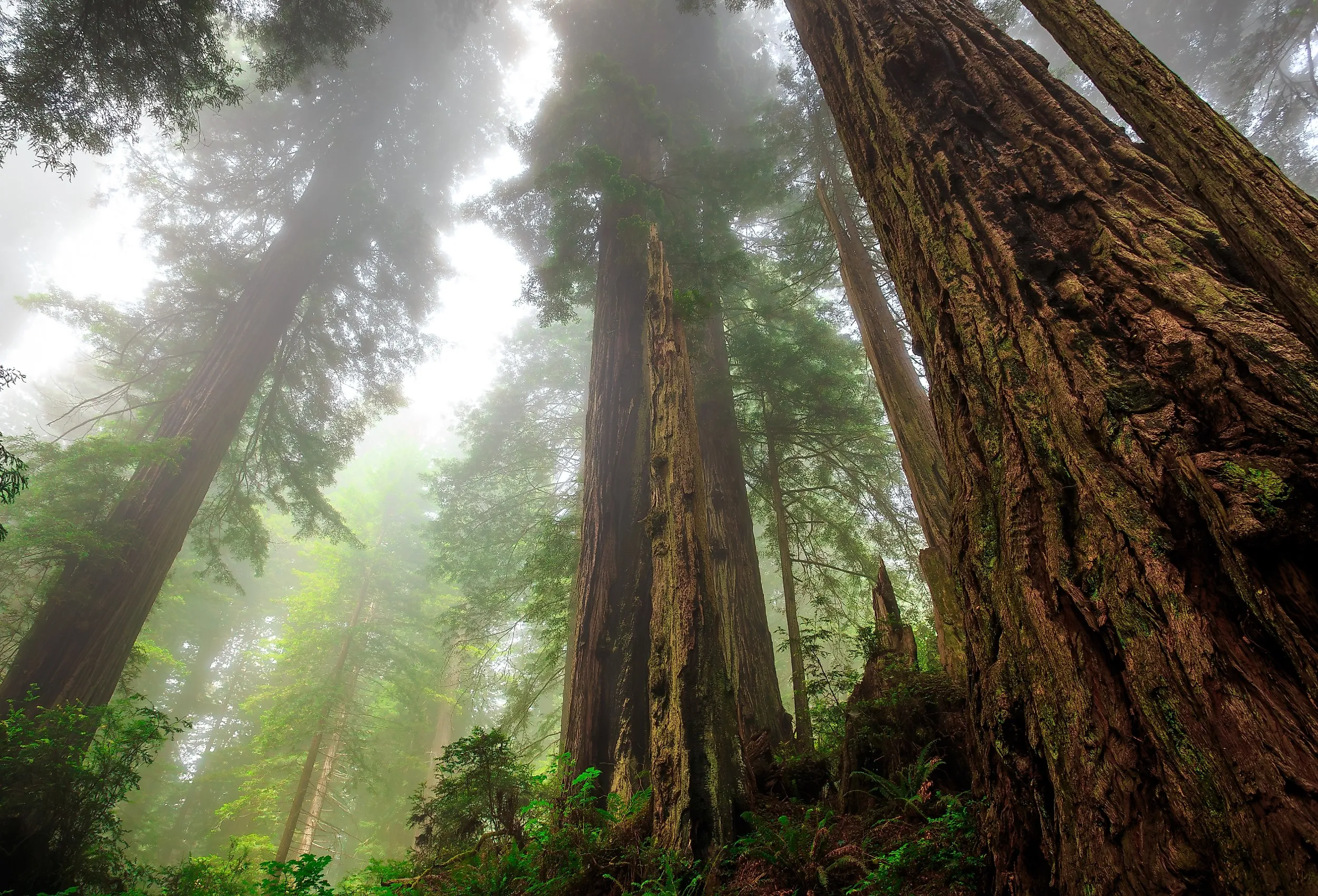
Old-growth has no universal age cutoff and is identified through forest-type-specific age, structure, composition, and ecological-process criteria, while primary forest is a naturally regenerated native forest with no clearly visible signs of human activity. These forests contain large, ancient trees and a complex ecosystem. Trees of different ages and sizes, and diverse native tree species make the forest their home. Multiple tree canopy layers, gaps, dense clusters of foliage, and understory plant life create an old-growth forest. Standing dead trees, fallen logs, and a varied, abundant mix of species and microhabitats are found in old-growth forests.
Examples include the ancient coast redwood groves of Redwood National and State Parks in California and the moss-draped Hoh Rain Forest in Washington's Olympic National Park. Parts of the Białowieża Forest along the Poland-Belarus border preserve old-growth lowland forest with large trees, abundant deadwood, and natural canopy gaps. These forests look different because old growth reflects local species and climate rather than a universal appearance.
Old-growth Continuity

Old-growth continuity refers to long-running ecological processes that include tree growth, mortality, decay, regeneration, and small-scale disturbance. Human and industrial intervention is minimal, and natural processes shape the environment. Wind, rain, storms, heat, and other weather events sculpt the trees and life underneath. Here, generations of animal families raise their young, grow old, and continue the life cycle. Depending on the ecosystem and conditions, natural fire may maintain an old forest through low-severity burning or kill much of the canopy in a stand-replacing event.
Second-growth Forests

A second-growth forest regenerates after substantial disturbance or removal of an earlier forest, has no fixed age, and can recover considerable biodiversity even when its structure and species composition remain different from those of an old-growth forest. Second-growth forests often result from human intervention. Second-growth can follow logging, abandoned agriculture, or sufficiently severe natural or human-caused fire when forest vegetation subsequently regenerates.
The clearest difference lies in disturbance history and structure. Old-growth forests have developed for long periods without a recent stand-replacing disturbance, while second-growth forests are regrowing after substantial disruption. Second-growth stands often begin with trees of similar ages and a simpler canopy, then may acquire large trees, canopy gaps, standing deadwood, fallen logs, and multiple age classes over decades or centuries.
Examples include the hardwood forests of southern New England, which grew back on farmland and pasture abandoned after the mid-1800s and still enclose the stone walls that once divided those fields. About a third of Shenandoah National Park in Virginia was completely cleared when the park was established in 1935, and most of the remainder was brush and young regrowth; the park is now more than 95% forested. The Tijuca forest above Rio de Janeiro is second growth by design, replanted with native species beginning in the 1860s after coffee farming stripped the hillsides and threatened the city's water supply. Stands like these can carry tall trees and closed canopies, which is why disturbance history rather than appearance separates second growth from old growth.
Mature Forests

A bridge between second-growth and old-growth forests is a mature forest. A 2023 joint inventory identified about 80 million acres of mature forest on lands managed by the US Forest Service and Bureau of Land Management. Typically, mature forests resemble old-growth forests and feature large, old trees. Maturity and old-growth status are defined in relation to each forest type rather than a universal age range, and some mature stands may develop old-growth characteristics if ecological conditions and disturbance history permit.
Why Old-Growth and Mature Forests are Important

Old-growth and mature forests are essential for healthy environments. These forest environments nurture biodiversity, support resistance to disease and pests, store carbon, build healthier forest soil, and buffer temperatures. The water cycle is a critical element that forests nurture.
Biodiversity
A benefit of old-growth and mature forests is biodiversity. Old-growth forests are complex ecosystems with diverse plant and animal species. This wide range of species creates a healthy environment. Biodiverse ecosystems involve a lifecycle that keeps forests in balance. Biodiversity supports interconnected processes as herbivores, predators, pollinators, decomposers, and other organisms interact, although the species and effects differ among forest ecosystems. Both herbivores and carnivores die, leaving fungi and insects to return animals to the soil.
Carbon Storage
Young forests often accumulate biomass rapidly, while old-growth forests usually hold larger existing carbon stocks and can continue removing carbon dioxide from the atmosphere. Older forests store carbon in living biomass, dead wood, litter, and soils, and disturbance can release part of that carbon as carbon dioxide while transferring other portions into dead organic matter or harvested wood pools. Recovery of pre-disturbance carbon stocks can take decades to centuries and varies widely with forest type, prior land use, management, and the carbon pools included.
Temperature Buffering and Microclimate
Old-growth forests buffer extreme temperatures with cooler temperatures in summer and warmer temperatures in winter. Temperate old forests can provide buffered microclimates that shelter temperature-sensitive organisms, although this does not mean plants universally grow faster there. Older forests are also more humid than clearcuts or second-growth forests. Water vapor released into the air by transpiration, plants releasing water vapor from their leaves, affects regional precipitation patterns. One pan-tropical study found that across more than 60% of tropical land, air that had recently passed over extensive vegetation produced at least twice as much rain as air that had passed over little vegetation.
Water Regulation
Old-growth forests are water regulators. Tree canopies and deep root systems intercept rainfall, permitting rain to slowly infiltrate the ground. Forest canopies, litter, roots, and soils can slow runoff, promote infiltration, reduce erosion, and retain or transform some pollutants, although the effects on floods and water quality depend on terrain, soils, storms, and management.
Second-Growth Forests and Tree Plantations

Planting trees for second-growth forests doesn't restore an old-growth habitat. Instead, second-growth forests lack the diversity of the former environment. Second-growth forests may be diverse and naturally regenerated, while single- or few-species stands planted at uniform spacing are more accurately described as plantations. Timber companies sometimes use these areas as tree plantations. Monoculture and clonal plantations can be more vulnerable to pests than mixed forests, but that risk does not apply uniformly to second-growth forests. Second-growth forests sequester carbon and provide water, habitat, and microclimate services, although the strength and composition of those services differ from old-growth and change throughout recovery. Secondary forests can support substantial plant and animal diversity, although they generally do not replace the specialized habitats and species composition of old-growth forests.
How to Save Old-Growth Forests

Old-growth forests have environmental benefits that are often disregarded in favor of short-term considerations. Conservation of old-growth forests, however, is vital to the health of the planet. Everyday citizens can help save old-growth and mature forests with:
Advocacy for Forest Protection Laws
The trees cannot speak for themselves. Advocating for forest protection laws is a start to protect old-growth forests critical for environmental and human health. Stay informed about local and national legislation by contacting your representatives, attending town hall meetings, and following information from environmental organizations. Submitting public comments to governmental agencies, being engaged in social media, and signing petitions are ways to advocate.
Supporting Environmental Organizations
Advocates cannot effectively work alone. Power resides in many people working toward a goal. Join or support environmental organizations to spread awareness for forest protection. Volunteering, donating, or spreading awareness are ways to support old-growth forests.
Changing Corporation Policies
Forest loss can be driven by cattle-pasture expansion, crops such as cocoa, coffee, rubber, soy, and oil palm, and the establishment of commercial timber plantations. Support legislation and policies that require companies to show that their corporate supply chains are free from deforestation.
Being Informed Consumers
Buying products that are from responsibly managed forests helps to preserve old-growth and mature forests. Products like paper, furniture, and wood for construction that come from sustainable harvesting protect forest environments. Organizations like the FSC (Forest Stewardship Council) emphasize forest protection, rights for forest workers, and Indigenous peoples' rights. The PEFC (Programme for the Endorsement of Forest Certification) approves national and regional certification programs for sustainable products.
Changing Lifestyles
Beyond advocacy, joining environmental organizations, and sustainability certifications, changing lifestyles helps to preserve old-growth forests and nurture mature forests. Beef production and cattle ranching, for example, are the single greatest drivers of tropical deforestation. Eating less beef leads to less demand for agricultural reasons for old-growth deforestation. Other steps, such as reducing paper waste and using certified palm oil, help to minimize old-growth forest loss.
Why the Distinction Matters
Old-growth forests provide valuable environmental services through cleaning water, stopping soil erosion, and regulating the climate. These forests create habitats for animals, plants, fungi, and other wildlife. Preserving and nurturing old-growth forests is essential for the environment and the health of our planet.