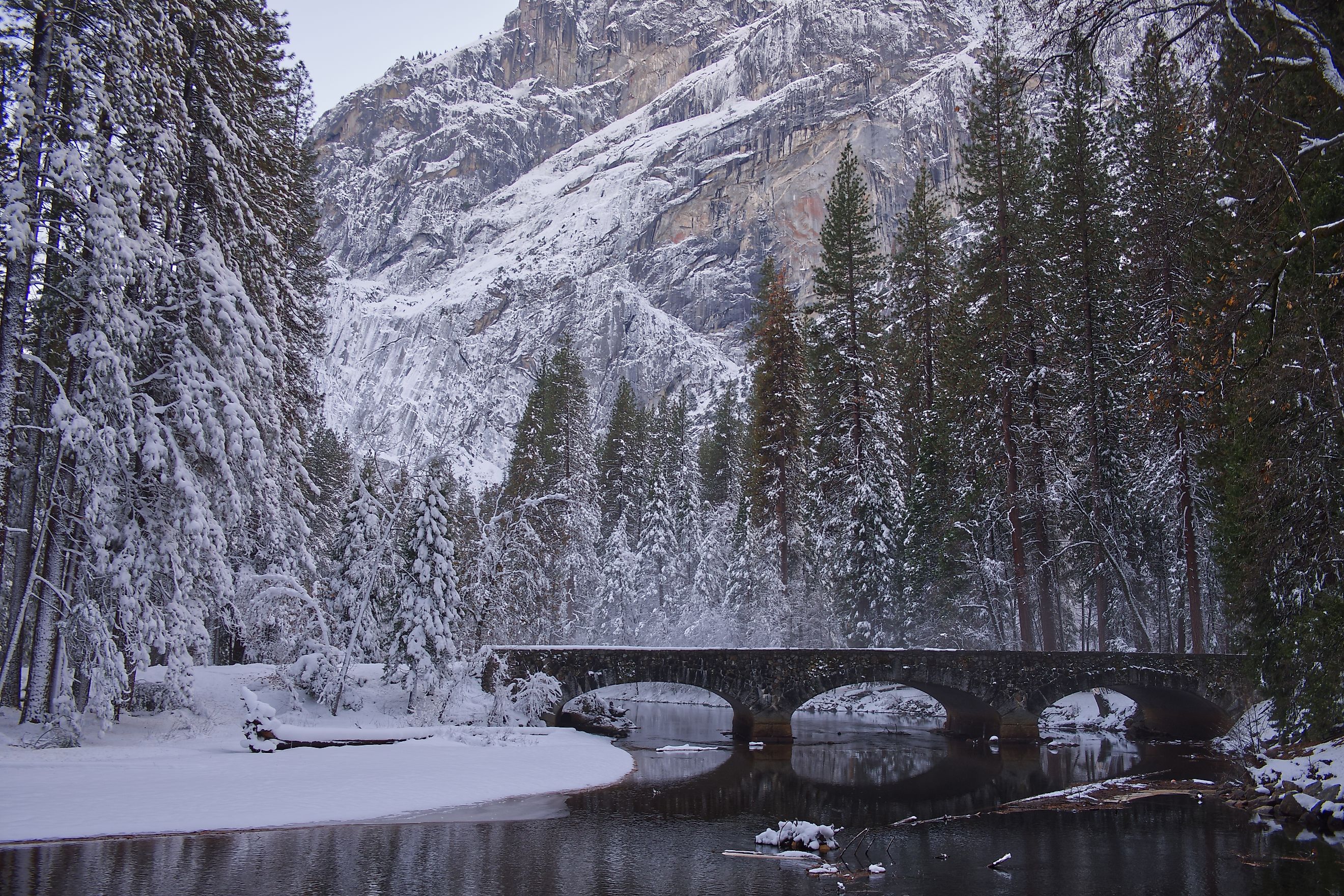
Is It Legal To Cut Your Own Christmas Tree In A National Forest
Nearly 80 US national forests let you cut your own Christmas tree, provided you purchase a permit and follow specific guidelines. The tradition dates back to the 1930s and has since become a popular alternative to tree lots. Many families prefer the program’s affordable prices and memorable experience, which is why permits for over 300,000 Christmas trees were sold in 2023. While this number sounds unsustainable, the US Forest Service actually encourages the holiday tradition as a forest-management tool. But if you want to avoid fines and confiscation, it’s important to know where tree cutting is allowed, where it's banned, and which specific trees are up for grabs.
How To Get A Permit

National forest Christmas tree permits can be obtained online or in person, depending on the forest. If buying online, the Recreation.gov website requires buyers to log in or create an account. Once purchased with a credit or debit card, the buyer should print the permit and download the provided cutting area maps. In-person buyers can purchase permits at Ranger District offices or forest headquarters. Local vendors such as general stores and markets sometimes sell them as well, but it’s best to call ahead and confirm.
Most Christmas tree permits cost $5 or $10, with an additional $2.50 service fee when buying online. American fourth-grade students also qualify for a free national forest Christmas tree permit through the Every Kid Outdoors program, although the $2.50 service fee still applies online. It can be redeemed online or in person at a local Forest Service office. For other buyers, fees vary by location and sometimes skew higher, such as Stanislaus National Forest permits, which cost $20 per tree in 2026. Sale dates also vary by forest and region. Online permit sales can begin in early October, while in-person sales often begin in late October or early November.
Where Tree Cutting Is Banned

Certain national forest areas restrict tree cutting even if you have a permit. Cutting down a tree in these prohibited areas can result in fines and confiscation, so it’s important to know where to go and where to avoid. A Christmas tree cutting map is generally included with each permit. It highlights areas to bypass, often including private property, Research Natural Areas, Wilderness Areas, and Wild and Scenic River corridors.
Developed areas of national forests are also off-limits, with some forest guidelines saying not to cut trees within 200 feet of picnic areas, campgrounds, trailheads, and scenic overlooks. Some forests also prohibit tree cutting within 100 feet of forest roads and trails. These distances vary by forest, so always check local guidelines. Some sections of national forests are also utilized for timber sales, and Christmas tree cutting is not allowed here. So if you see any trees marked with signs or paint, these are strictly off-limits. Ultimately, if you’re ever unsure or hesitant about where to cut your Christmas tree, you can always contact the local Ranger District for help.
Choosing A Tree
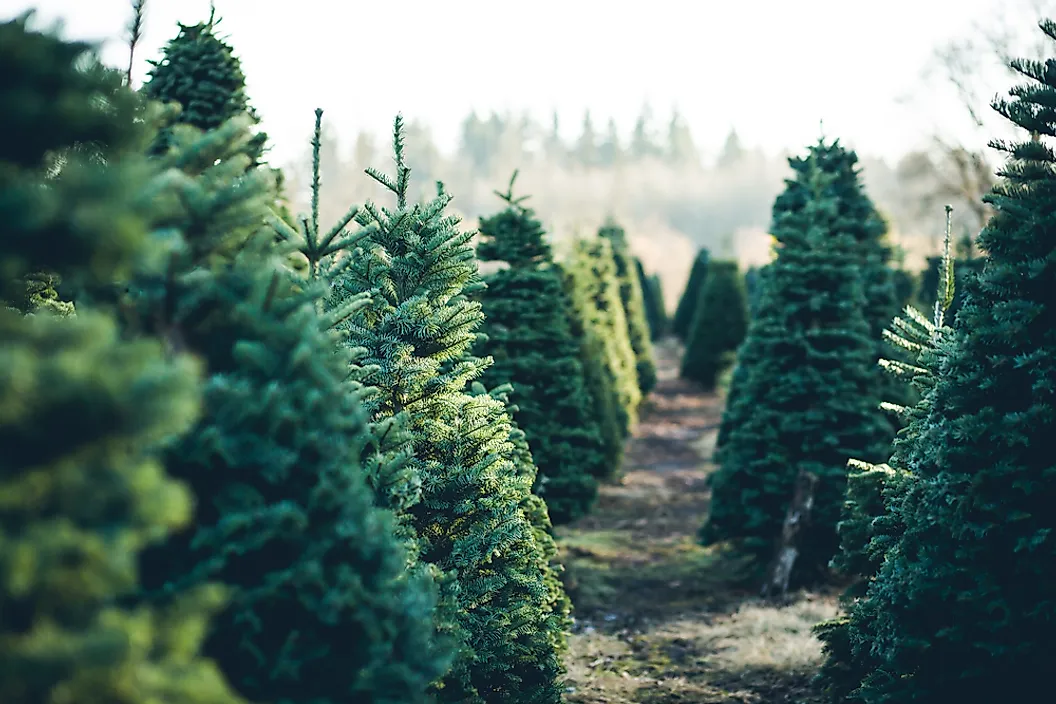
Selecting a national forest tree involves more than choosing the tallest or prettiest one. Certain forests enforce a maximum height limit, which is usually specified in the permit guidelines. For instance, Siuslaw National Forest allows a maximum tree height of 12 feet, while cutters can choose trees up to 15 feet tall in Mt. Hood National Forest.
US Forest Service guidelines also encourage cutters to choose trees growing in clusters. Doing so reduces forest overcrowding and allows remaining trees to grow faster. Many forests also require the selected tree to have a trunk 6 inches or less in diameter. This limit helps prevent the removal of healthy older trees, which serve as valuable microhabitats. Cutting off just the top of a larger tree is prohibited for similar reasons.
Things To Bring

Many national forests lack stable cell service, so you must bring a physical copy of your tree-cutting permit. If purchased online, the printed permit should be displayed on the vehicle dashboard as directed by the forest's guidelines. If bought in person and issued as a tag, it should be attached to the tree after it’s cut down, then secured tightly and kept visible for transport. In both cases, a clear display helps ensure a smooth inspection if you are stopped by a forest ranger or law enforcement officer.
Because some forests restrict tree height and trunk diameters, a measuring tape will help you avoid fines and/or confiscation for trees that are too large. As for tools to get the job done, there are other essentials to pack. Folding saws are compact and lightweight for hiking, though handsaws are just as popular. Sleds, tarps, and pull-ropes help with transport while causing less damage to the bark and needles. A tarp or old bedsheet can also help prevent damage to your vehicle. If attaching the tree to the roof of your vehicle, avoid thin twine and opt for heavy-duty rope or nylon straps.
Safety Suggestions

Unreliable cell service means it’s also important to plan some details ahead of time for a safe tree-cutting trip. Make sure to bring physical or downloaded maps in case you find yourself lost or off-trail. Before heading out, tree cutters should also check for local road closures, forest warnings, and weather to avoid unplanned reroutes or dangerous conditions.
Depending on when and where you go, freezing temperatures and snow add to the experience but can also make things more dangerous. Ensure your car is equipped for the journey, whether that means putting on tire chains or packing tools like an ice scraper and shovel. Cutting trees earlier in the day will also help avoid dropping temperatures and darkness.
The Main Takeaways
Cutting down your own national forest Christmas tree is a decades-old tradition and a valued forest-management tool. Still, it’s not as simple as visiting any forest and chopping any tree of choice. As long as you buy a permit and follow each forest’s specific rules, you can leave with memories and an affordable holiday centerpiece. When it comes to avoiding fines and tree confiscation, you can always contact a local Ranger District to confirm any questions or concerns about location and best practices.