The State Parks Where Rattlesnakes Come Out On Warm Winter Days
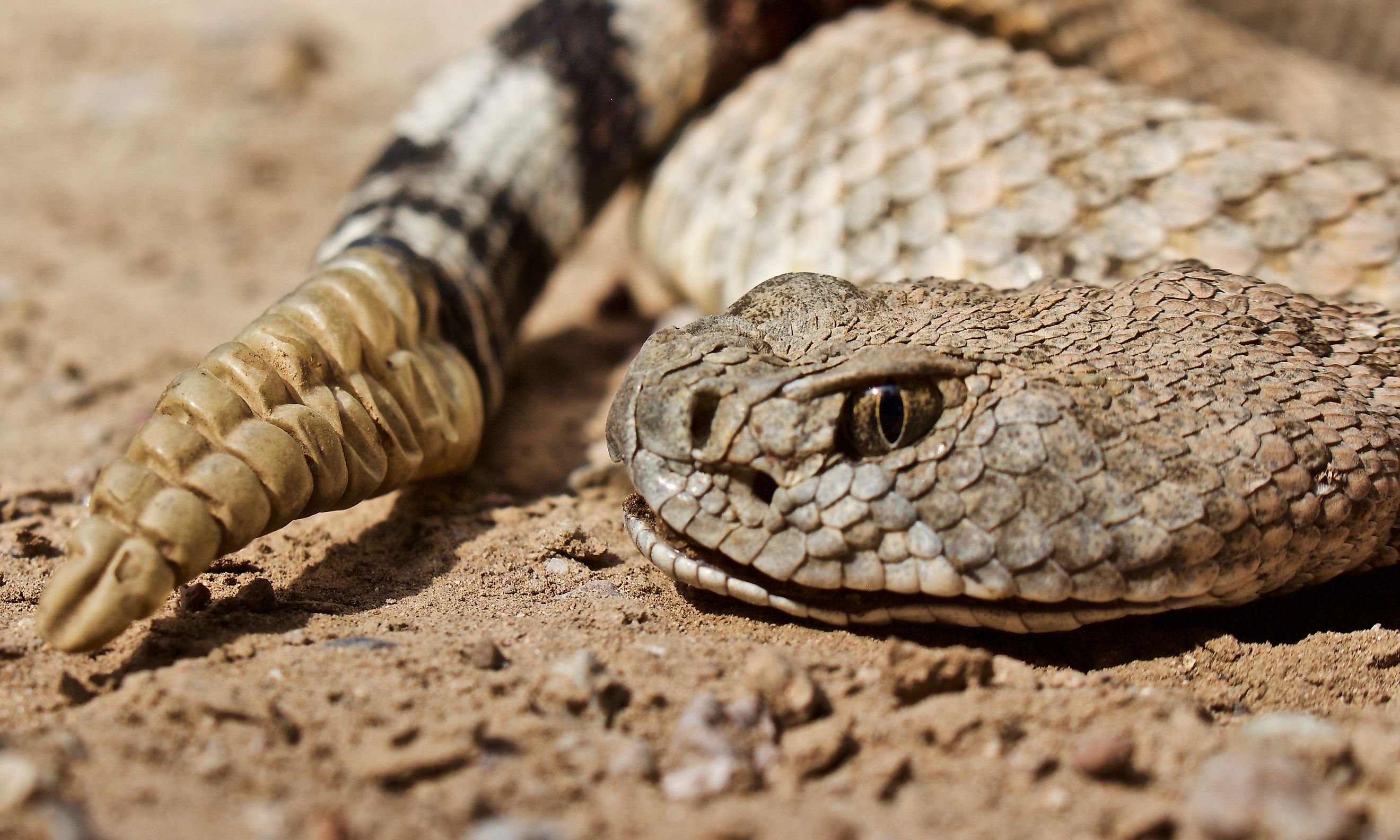
Rattlesnakes are supposed to be underground all winter. Yet on warm afternoons between December and February, they keep turning up on the trails of southern state parks, each one photographed on an exact date and posted to the citizen-science site iNaturalist. California's wildlife department calls their cold-season dormancy brumation, a state broken by spells of activity, and across the Sun Belt a January afternoon in the 60s is enough to set one off. The snakes have come up to bask beside the same paths that winter hikers walk, in parks on the Pacific coast and others as far east as central Florida.
Point Mugu State Park, California

The Backbone Trail runs 67 miles across the Santa Monica Mountains and starts at Point Mugu State Park, just off the Pacific Coast Highway. Its first 3 miles follow the Ray Miller Trail, a moderate, steady climb from the trailhead at La Jolla Canyon through coastal sage scrub. Near that trail on a February afternoon in 2024, a southern Pacific rattlesnake, the only venomous species among the 14 snakes in these mountains, was photographed and posted with a note describing a partly cloudy day in the 60s.
January at the Oxnard airport, northwest of the park, averages a high of about 66 degrees, so a day like that is typical for the season here. A dozen southern Pacific rattlesnakes have been recorded inside Point Mugu between December and February. On warm days in the Santa Monica Mountains, the National Park Service notes, reptiles can be seen sunning on rocks or in the middle of dirt trails.
Valley of Fire State Park, Nevada

Northeast of Las Vegas, much of Valley of Fire State Park is red sandstone, and the park's official brochure says rattlesnakes and chuckwallas are often found basking in the sun there. Nevada State Parks describes the park's winters as mild, with temperatures that can climb to 75 degrees, and late on a February morning in 2026, a speckled rattlesnake was photographed inside the park. The park map names the speckled rattlesnake and the sidewinder among the snakes visitors may see crossing the road. The 0.75-mile Mouse's Tank trail leads into the same rock, passing petroglyphs on its way to a natural water tank in the sandstone.
Lost Dutchman State Park, Arizona

East of Phoenix, the Siphon Draw Trail leaves Lost Dutchman State Park at about 2,000 feet and climbs 1,000 feet over 2 miles into Siphon Draw, a canyon in the Superstition Mountains. January days at the park average about 65 degrees. The western diamondback can be found in nearly every Arizona state park, according to Arizona State Parks, and late on the afternoon of February 29, 2024, an adult was photographed along the side of the Siphon Draw Trail.
Franklin Mountains State Park, Texas

Far West Texas runs cooler in January than Arizona's low desert around Phoenix. At the El Paso airport, January averages a high of about 59 degrees, six degrees below Lost Dutchman. At 2:29 on a January afternoon in 2024, a black-tailed rattlesnake was photographed on the west side of Franklin Mountains State Park, where the range rises through the middle of El Paso.
Much of the lighter gray rock in the Franklins is limestone that contains thousands of marine fossils, and red granite borders much of Transmountain Road, which crosses the mountains through the park. The Aztec Caves Trail, a 1.9-mile round trip in the park's Tom Mays Unit, climbs to caves in that granite. Texas Parks and Wildlife describes the blacktail as a snake of bushes and rocky ledges across most of West Texas.
Government Canyon State Natural Area, Texas

On the northwest edge of San Antonio, a western diamondback more than 3 feet long turned up near the ranger station at Government Canyon State Natural Area on December 6, 2019, and stayed calm while it was photographed. Another rattlesnake appeared near the parking lot by the visitor center in early March 2018, after a warm weekend, and a park resource specialist told the San Antonio Express-News it was probably sunning itself. It was moved to a closed section of the park.
Beyond those buildings, the natural area holds more than 40 miles of trails, some of them climbing onto limestone ridges. The trails in its Protected Habitat Area are open only September through February, so the full trail system is open through the winter.
McKinney Falls State Park, Texas

Northeast of San Antonio, on the southeast side of Austin, Onion Creek flows over limestone ledges and into pools at McKinney Falls State Park. The 0.6-mile Rock Shelter Trail, open only to hikers, follows the creek to a prehistoric limestone rock shelter.
Western diamondbacks, the most common and widespread venomous snake in Texas, have turned up in the park in midwinter. One was photographed on a January afternoon in 2024, and the observer who posted another, in February 2014, described it as "chilling on the trail." In January 2015, a very small rattlesnake was found in the crosswalk in front of the Texas Parks and Wildlife Department headquarters, which sits beside the park, and released nearby.
Mustang Island State Park, Texas

A western diamondback lay coiled near the path to the beach at Mustang Island State Park, on the Gulf coast near Corpus Christi, on a January afternoon in 2026, and a visitor walking that way nearly stepped on it. The snake had been resting above what the observer described as a tunnel, and it slid inside before the photographer could switch lenses. The park runs along more than five miles of beach, backed by sand dunes that average 15 to 20 feet tall and can top 30.
Hontoon Island State Park, Florida

The only ways onto Hontoon Island State Park, a 1,650-acre island in the St. Johns River near DeLand, are a private boat and the park ferry, so a winter visit there follows the ferry's schedule. The first boat runs at 8 a.m.
From the ranger station, a 3-mile round-trip trail follows the Hontoon Dead River to a large shell mound at the island's southwest corner, and the island's drier ground includes scrubby and mesic flatwoods. Both the eastern diamondback and the dusky pygmy rattlesnake are on the park's species list. At 1:21 p.m. on February 20, 2026, a dusky pygmy was photographed toward the southwest end of the island, where the trail ends at the shell mound, and at 3:19 p.m. on December 30, 2018, another turned up on the island's north side, near the ranger station where the walk begins.
Most of Florida's snakes are more likely to be active in the middle of the day in winter, according to the Florida Fish and Wildlife Conservation Commission. The last ferry leaves the island an hour before sundown.
The National Park Service describes reptiles coming out of brumation on a warm, sunny day in the middle of winter and going back once it starts to cool, and the timing in these parks fits. Most of the winter sightings here came in daylight, including one at 10:24 in the morning at Point Mugu and another at 4:20 in the afternoon on the Siphon Draw Trail, the same hours a winter hike takes. A trail opens a strip of ground through scrub and rock, and on a mild day the sun reaches that strip directly. Two of these encounters came right on a path. One diamondback turned up along the side of the Siphon Draw Trail on the last day of February, and another was coiled near the walk to the beach on Mustang Island in January, close enough that a visitor nearly stepped on it before it slipped out of sight.