6 European Destinations That Are Still Affordable In 2026
A two-night city break in Europe for two people, with a three-star hotel, dinner, drinks, and museum tickets, can still cost less than $400 in 2026. In the Post Office's 2026 City Costs Barometer, the same weekend basket was priced in 50 European cities, and eight of the ten cheapest are in Eastern Europe. The No. 1 spot this year went to a Balkan capital, where a plate of grilled sausages still costs only a few dollars.
The good news reaches farther west, too. The cheapest Western European city on the list is under 90 minutes from London by train, and a three-course dinner for two in Porto is among the five lowest-priced of all 50 cities. In Granada, a glass of wine at the bar still comes with a free tapa. With 2026 winding down, there is plenty of time to plan a trip across the Atlantic this winter or next spring that leaves room in the budget for a second helping.
Sarajevo, Bosnia and Herzegovina
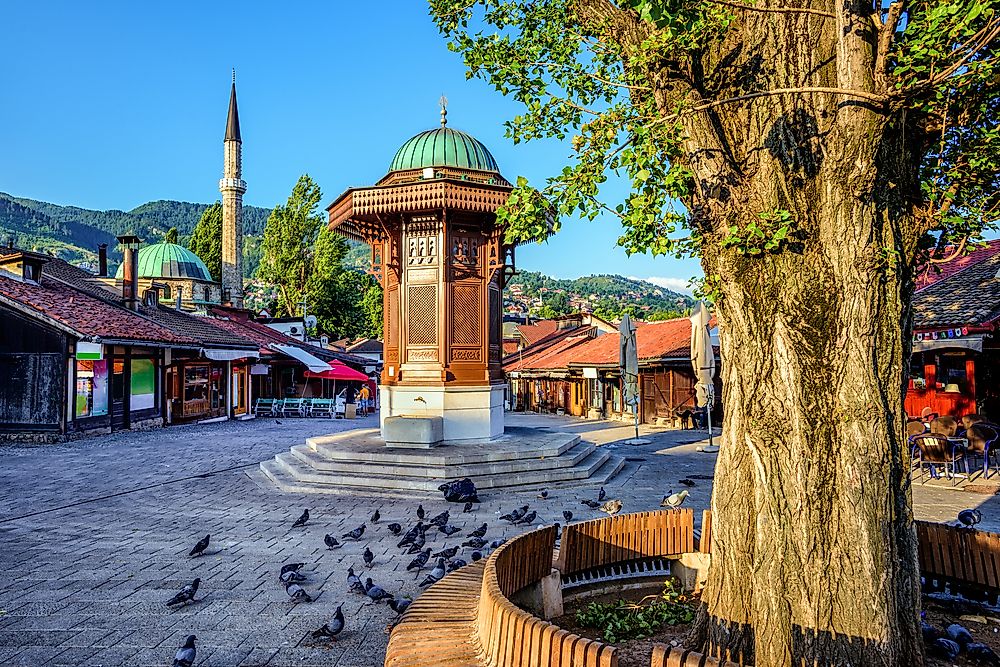
Sarajevo is at the very top of the 2026 barometer, the first time the capital of Bosnia and Herzegovina has claimed the No. 1 spot. Two nights for two came to £248 (about $330), a total that covers a three-star hotel, dinner and drinks, airport transfers, a 48-hour travel card, and entry to the city's top museum and gallery. Food stretches the budget even further. A plate of ćevapi, small grilled minced-meat sausages tucked into warm flatbread with chopped onion, costs well under $10, and a traditional pot of Bosnian coffee runs just 2 or 3 marks (under $2).
Most first visits begin in Baščaršija, the old bazaar quarter founded in the 15th century, where Kazandžiluk lane is still home to coppersmith workshops selling hand-hammered coffee sets. The 16th-century Gazi Husrev-beg Mosque, the largest historic mosque in the country, is a short stroll away. Down by the river, the street corner at the northern end of the Latin Bridge is where Archduke Franz Ferdinand was shot in 1914, one of the main causes of World War I. At the Tunnel of Hope museum near the airport, visitors can walk through a preserved stretch of the passage that carried food and supplies into the city during the siege of the 1990s. For the best view in town, the Trebević cable car rises to Mount Trebević, where the abandoned bobsled track from the 1984 Winter Olympics is open to wander. A round trip costs visitors about 30 marks (around $17).
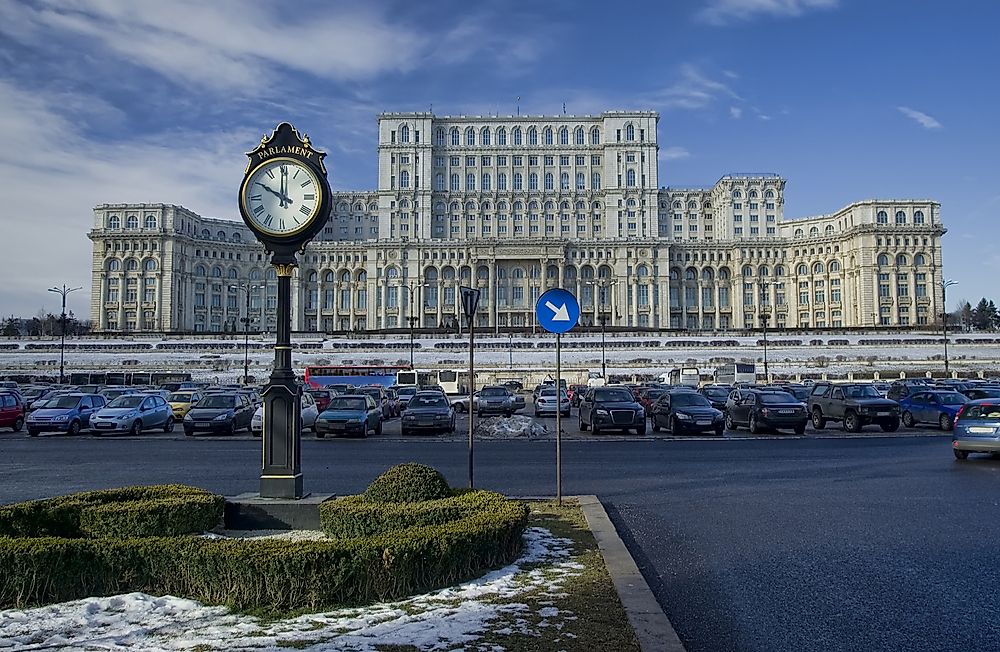
Bucharest, Romania
Just £10 behind Sarajevo, Bucharest ranked second in the barometer at £258 (about $343) for the same two-night stay. Getting around is a bargain, with a single metro ride costing 5 lei (about $1). Line M1 runs straight to Obor station, the stop for Obor Market, one of the city's biggest food markets. Next door at Terasa Obor on Strada Ziduri Moși, mici come hot off the grill. These skinless rolls of seasoned minced meat are served with a soft bun and a dab of mustard, and they make one of the tastiest cheap lunches in the Romanian capital.
Back in the center, the enormous Palace of the Parliament was built under communist leader Nicolae Ceaușescu, and visits inside are by guided tour. The Romanian Athenaeum concert hall has a domed auditorium wrapped by a fresco from Costin Petrescu that shows 25 scenes from Romanian history. Lipscani, the cobbled heart of the Old Town, is packed with cafés and bars, and Cișmigiu Gardens, the oldest park in central Bucharest, is a short walk away. For more green space, King Michael I Park, still known to many locals as Herăstrău, surrounds Herăstrău Lake in the north of the city.
Tirana, Albania
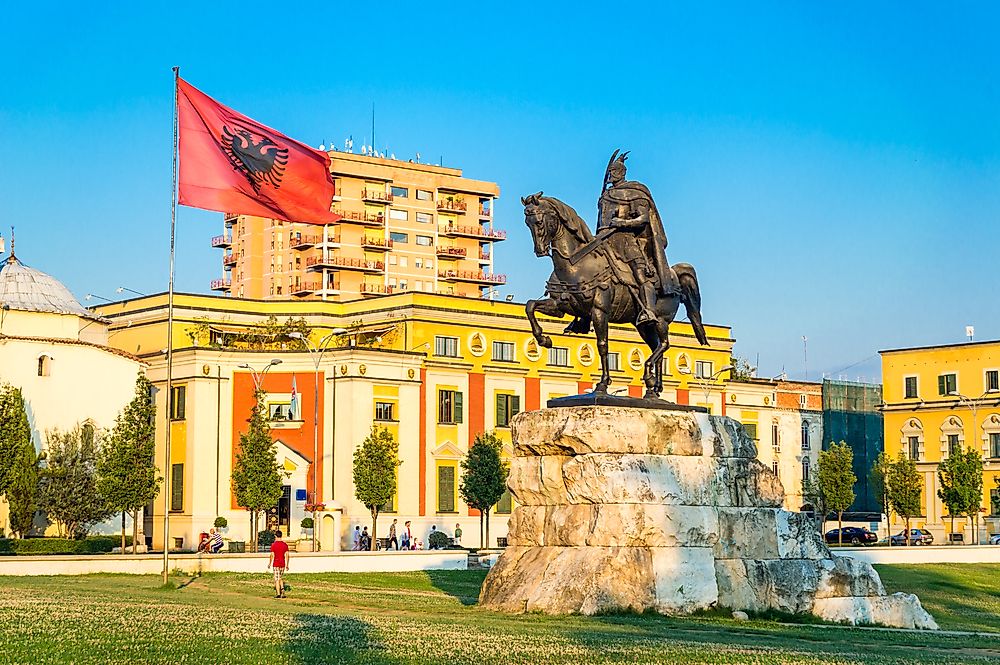
Rounding out the barometer's top three, Tirana came in at £263 (about $350), and its hotels were the cheapest of all 50 cities at £128 (around $170) for two nights. Albania's capital is easy to cover on foot, and Skanderbeg Square makes a natural starting point. On one side of the square, the Et'hem Bey Mosque, built between the 1790s and 1821, has painted walls covered in trees and waterfalls, a rare sight in an Ottoman-era mosque, and the National Theatre of Opera and Ballet is on the same square. A short walk away, Bunk'Art 2 is set inside a former nuclear bunker built for the Interior Ministry, and its rooms are devoted to the Sigurimi secret police under Enver Hoxha's dictatorship. Entry is about 500 lek (around $5). In the evening, the fun shifts to Blloku, once a sealed-off neighborhood reserved for communist party leaders and now full of restaurants and bars. Era Blloku is a great spot to try tavë kosi, lamb baked under a tangy layer of yogurt and egg. Just outside the city, a ride on the Dajti Ekspres cable car takes about 15 minutes over forested slopes to the top of Mount Dajti.
Lille, France

Across the continent in northern France, Lille is the cheapest Western European city in the 2026 barometer, ranked seventh overall at £289 (about $384), and its costs even dipped slightly from last year. Eurostar trains from London St Pancras reach Lille in about 1 hour and 22 minutes, so anyone flying into London can add a French weekend without boarding another plane.
The center has a strong Flemish look, especially around Place du Général de Gaulle, the main square. Here the Vieille Bourse, a former stock exchange built in 1652 and 1653, has an arcaded courtyard where secondhand booksellers set up most afternoons. The cobbled streets of Vieux-Lille lead past Notre-Dame-de-la-Treille Cathedral and the Hospice Comtesse museum. Art lovers get a real bargain at the Palais des Beaux-Arts, which holds what is often called the second-largest art collection in France after the Louvre in Paris. Admission is €7, and it is free on the first Sunday of every month.
Wazemmes Market is at its liveliest on Sunday mornings, when it grows to more than 400 stalls. For dinner, Au Vieux de la Vieille is a traditional estaminet, or Flemish tavern, on Place aux Oignons that serves carbonade flamande, a hearty beef stew simmered in beer.
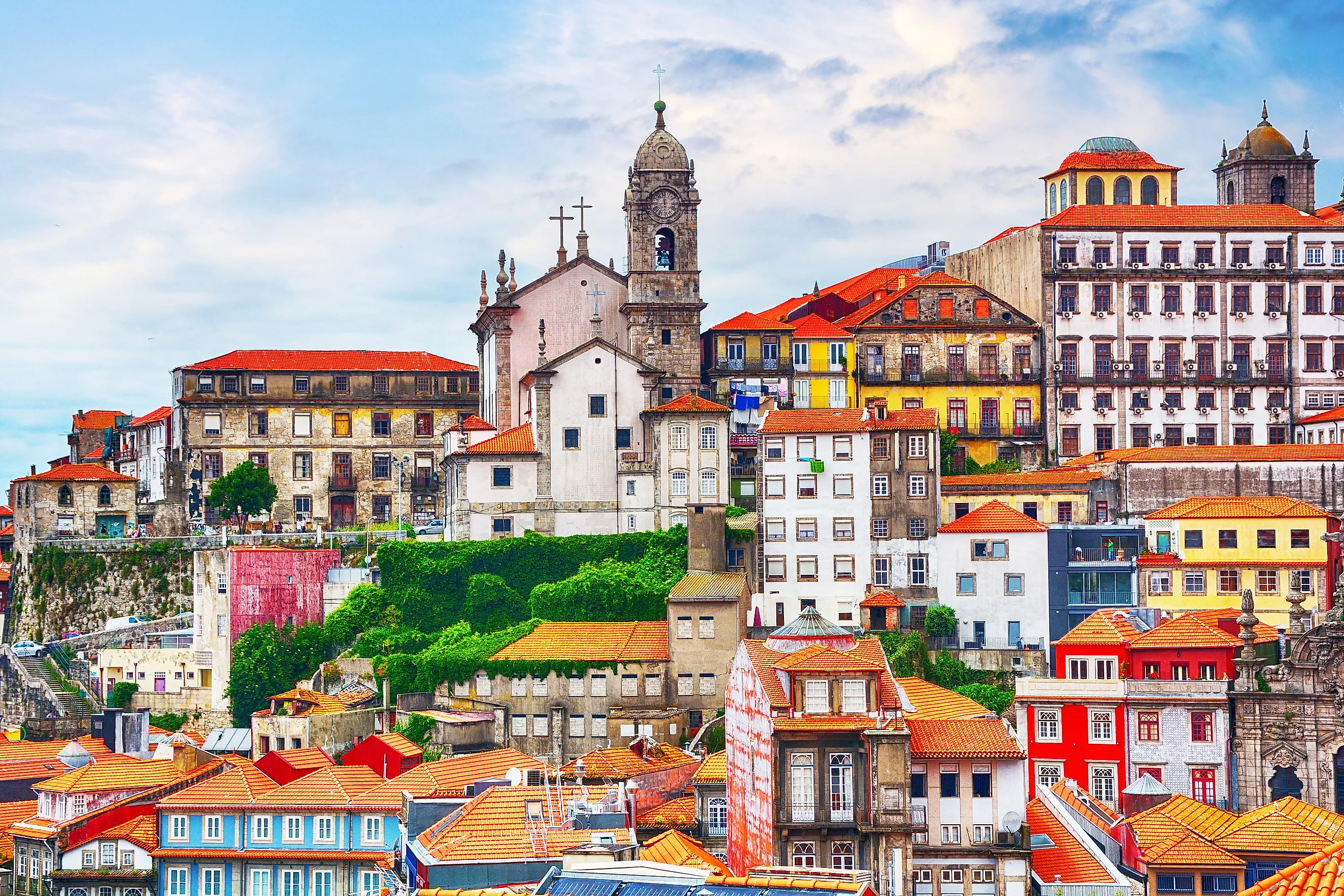
Porto, Portugal

Farther south on the Atlantic coast, Porto has one of the best dinner deals in the barometer. A three-course meal for two with house wine came to £66 (about $88), the fifth-cheapest of all 50 cities. A day here can start for free inside São Bento railway station, where roughly 20,000 blue-and-white azulejo tiles by Jorge Colaço cover the entrance hall with historical scenes. Up the hill, Porto Cathedral was begun in the 12th century and took several centuries to complete, and its terrace has wide views over the rooftops.
By afternoon, steep streets lead down to the colorful houses of Ribeira on the Douro River. Across the water in Vila Nova de Gaia, port wine lodges line the riverbank, and many sell tickets for cellar tours and tastings. Save room for a francesinha, Porto's gloriously over-the-top sandwich stacked with meats, covered in melted cheese, and drenched in a tomato and beer sauce. Café Santiago on Rua de Passos Manuel is a classic place to order one, usually for around €10 to €12.
Granada, Spain

The last stop is in southern Spain, where most of Granada's bars still serve a free tapa with every drink. A beer or a glass of wine costs about €2.50 to €3.50, and a small plate of food comes along with it. A relaxed evening hopping between four bars usually adds up to roughly €10 to €14 for dinner and drinks.
The Alhambra is the one big-ticket sight worth saving for. General admission is about €21 and covers the whole complex, including the Nasrid Palaces, which are entered at the time printed on the ticket, so booking ahead is a must. The site has fully reopened after the August 2026 earthquakes in the area, and the Alcazaba fortress rejoined the visitor route in late September. Across the Darro valley, the Albaicín neighborhood covers the opposite hillside with whitewashed houses and narrow lanes. At the top, the Mirador de San Nicolás has a view of the Alhambra with the Sierra Nevada rising behind it, snow-capped in winter and a favorite gathering spot at sunset.
Europe's best-value weekends in 2026 are spread across the map. Sarajevo and Bucharest, the two cheapest cities in the barometer, both came in under $345 for two people over two nights, hotel and sightseeing included. Lille now ranks cheaper than Athens and Lisbon, two cities that used to top value lists, and Porto's dinner tab is among the five lowest of all 50 cities surveyed. Some of the most memorable moments in these places cost little or nothing at all, like stepping into the tiled hall of São Bento station or visiting Lille's Palais des Beaux-Arts on the first Sunday of the month. Food is where the savings really pile up, whether that means a plate of ćevapi in Baščaršija or a round of drinks in Granada that arrives with a free tapa. Booking the Alhambra early is the only real homework, and the money saved everywhere else leaves room for one more francesinha in Porto.