The Newest County In The United States
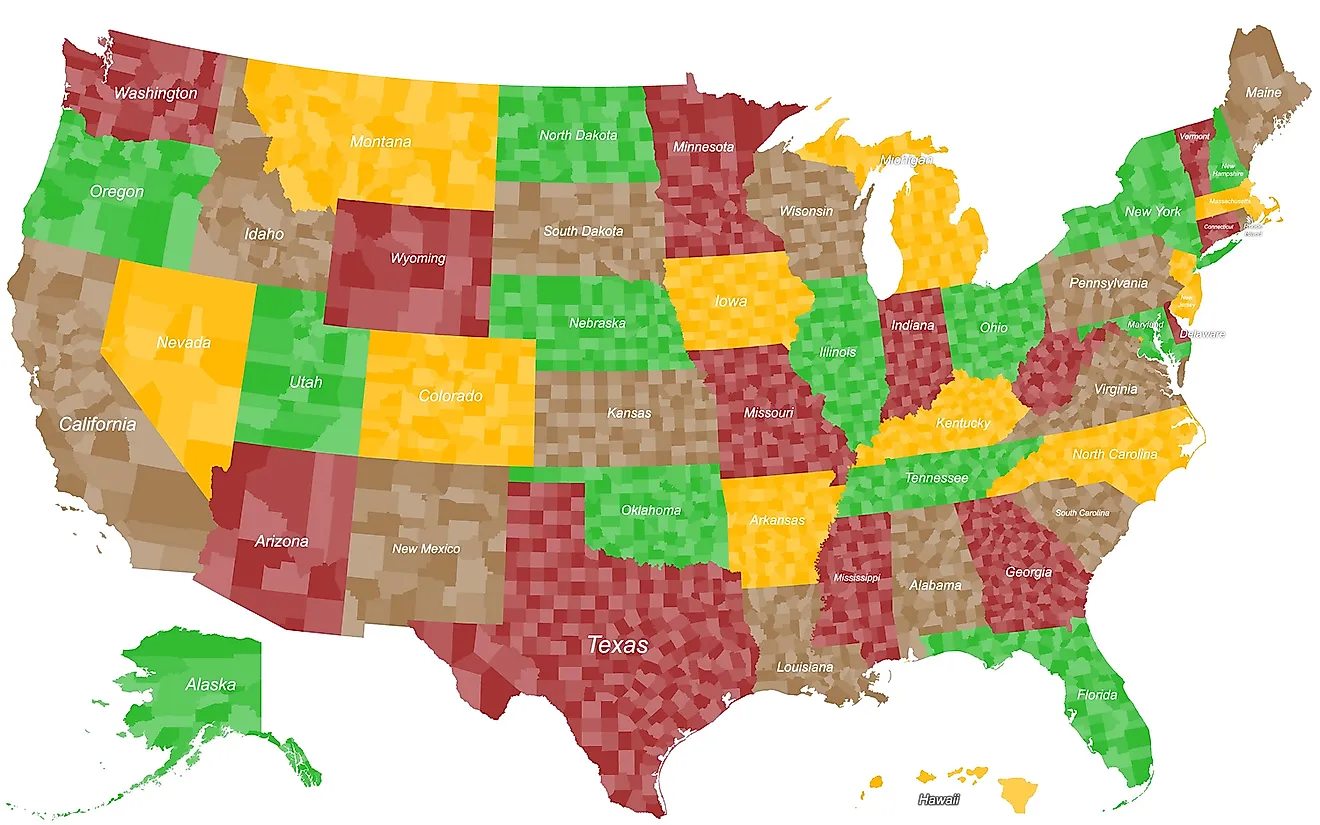
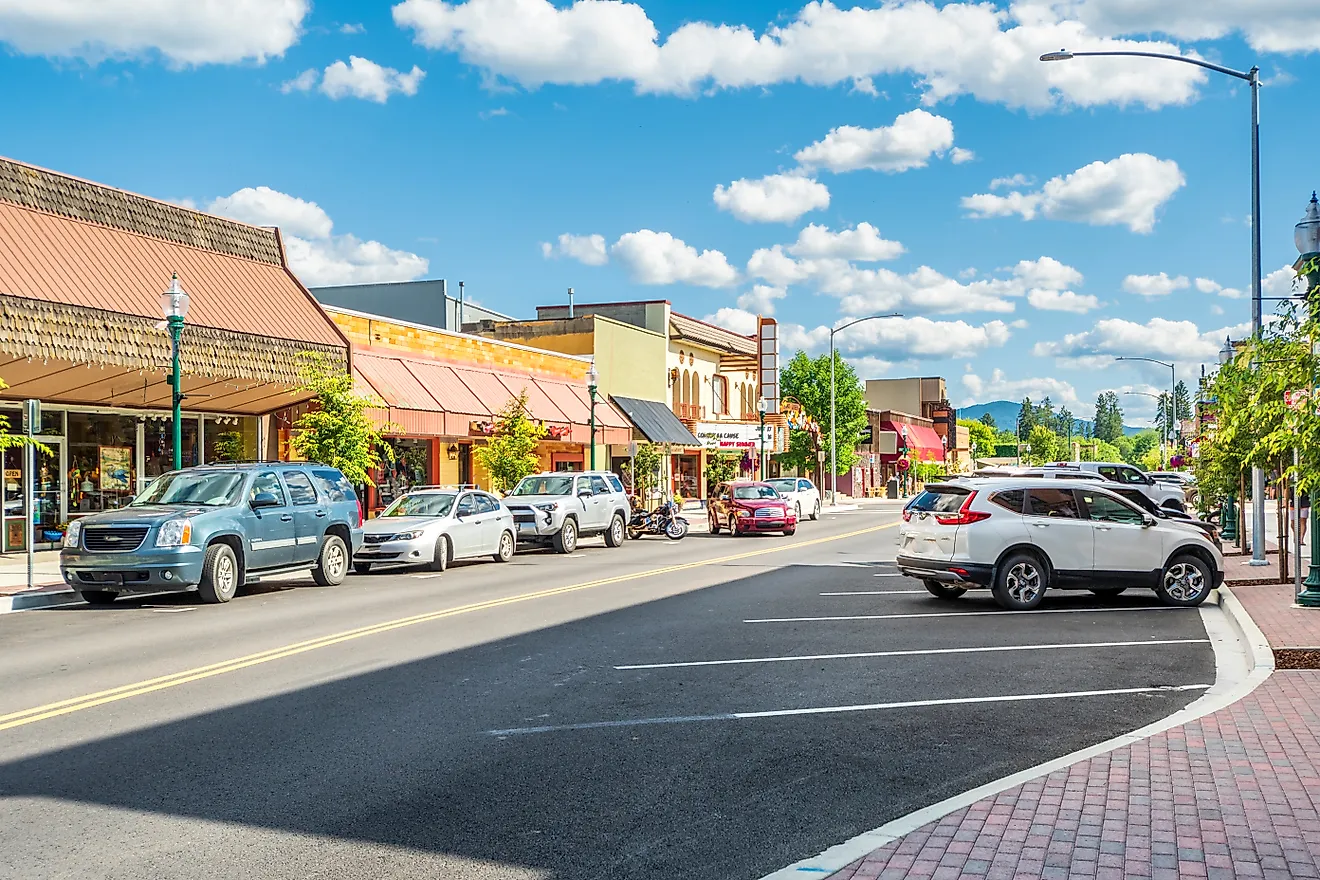
Broomfield County, Colorado, is the newest county in the United States, having officially become Colorado's 64th county on November 15, 2001. Before that, the city sat across four separate counties at once, creating confusion over local services and leaving different parts of Broomfield under different county governments. Residents grew frustrated enough with the tangle to push for a redrawn map, and getting there took an amendment to the state constitution to create the City and County of Broomfield. Three Alaska boroughs have been created since, but Alaska uses boroughs rather than counties. That leaves Broomfield as the newest jurisdiction in the US officially designated a county.
Arapaho and Cheyenne Land Before the Gold Rush

Long before Broomfield's modern boundaries existed, the area formed part of the traditional lands of the Cheyenne and Arapaho peoples. American settlement accelerated after gold discoveries along Colorado's Front Range in 1858, and farms gradually developed in what would become Broomfield.
In 1803, the US purchased the Louisiana Territory from France, which included the eastern part of what would become Colorado, Broomfield included. Settlement of Colorado was slow, as most Americans went further out west to California. However, with the discovery of gold, miners began coming to Colorado, and Broomfield was established as a small farming community close to the mines.
This Colorado Gold Rush put the settlers into conflict with the Native Americans and led to them first being put on a reservation with the 1861 Treaty of Ft. Wise and later leading to the killing of around 230 Cheyenne and Arapaho people on November 29, 1864, known as the Sand Creek Massacre.
How The Railroad and Turnpike Built Broomfield

Broomfield remained a small farming community for the rest of the 19th century. In the early 20th century, the Colorado and Southern Railroad built a Denver-Boulder rail line that ran through Broomfield. By 1909, 19 passenger trains a day stopped in the town, enough traffic to justify building a depot.
Although railroad service declined in the 1950s and 1960s, the town kept growing as the Denver-Boulder Turnpike opened in 1950 and new housing developments went up after World War II, such as Broomfield Heights in 1955. The community also annexed new land from 1969 to 1972, taking in parts of Jefferson and Adams counties.
Why did Broomfield become a county?
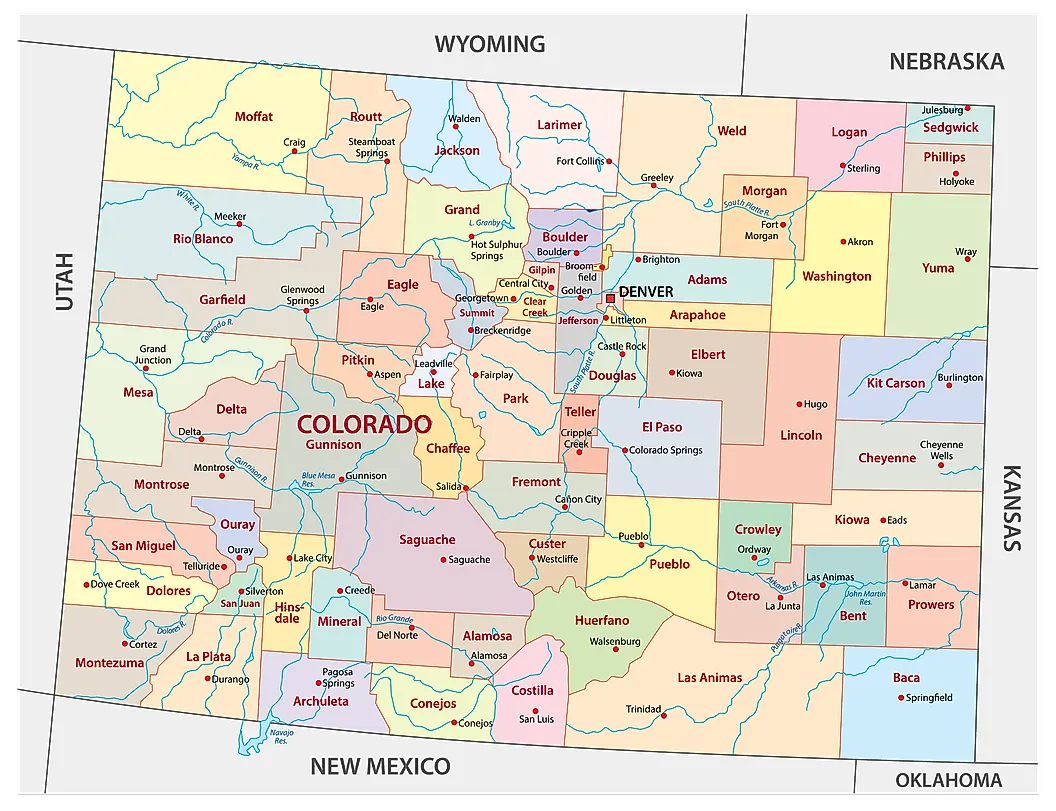
By the 1990s, Broomfield was part of four counties: Jefferson and Boulder to the west and Weld and Adams to the east. This created a great deal of confusion for residents in terms of services and taxation.
To address this issue, residents of Broomfield called for the city to be reorganized into a county of its own. The issue was put to the ballot and on November 3, 1998, Colorado voters approved Broomfield to be added as Broomfield County.
This transition became official in 2001 with the addition of Sections 10 through 13 to Article XX of the Constitution of the State of Colorado.
Section 10 notes, "all territory in the municipal boundaries of the city of Broomfield shall be detached from the counties of Adams, Boulder, Jefferson, and Weld and shall be consolidated into a single county and municipal corporation with the name 'The City and County of Broomfield.' Prior to November 15, 2001, the city of Broomfield shall not extend its boundaries beyond the annexation boundary map approved by the Broomfield city council on April 28, 1998, as an amendment to the city of Broomfield 1995 master plan."
Furthermore, it adds that the existing charter of the city of Broomfield "shall become the charter of the city and county of Broomfield."
What America's Newest County Looks Like Today

More than two decades after becoming a county, Broomfield has continued to grow. Its population reached an estimated 79,174 in 2025, up 6.8% from the 2020 census count of 74,112. Yet the entire city and county covers only about 33 square miles, a relatively compact footprint for America's newest county.
Broomfield is unusual because the city and county are a single government rather than separate jurisdictions. Under its council-manager system, an elected mayor and city council work alongside a professional city manager, and that municipal structure carried over into the county created in 2001.
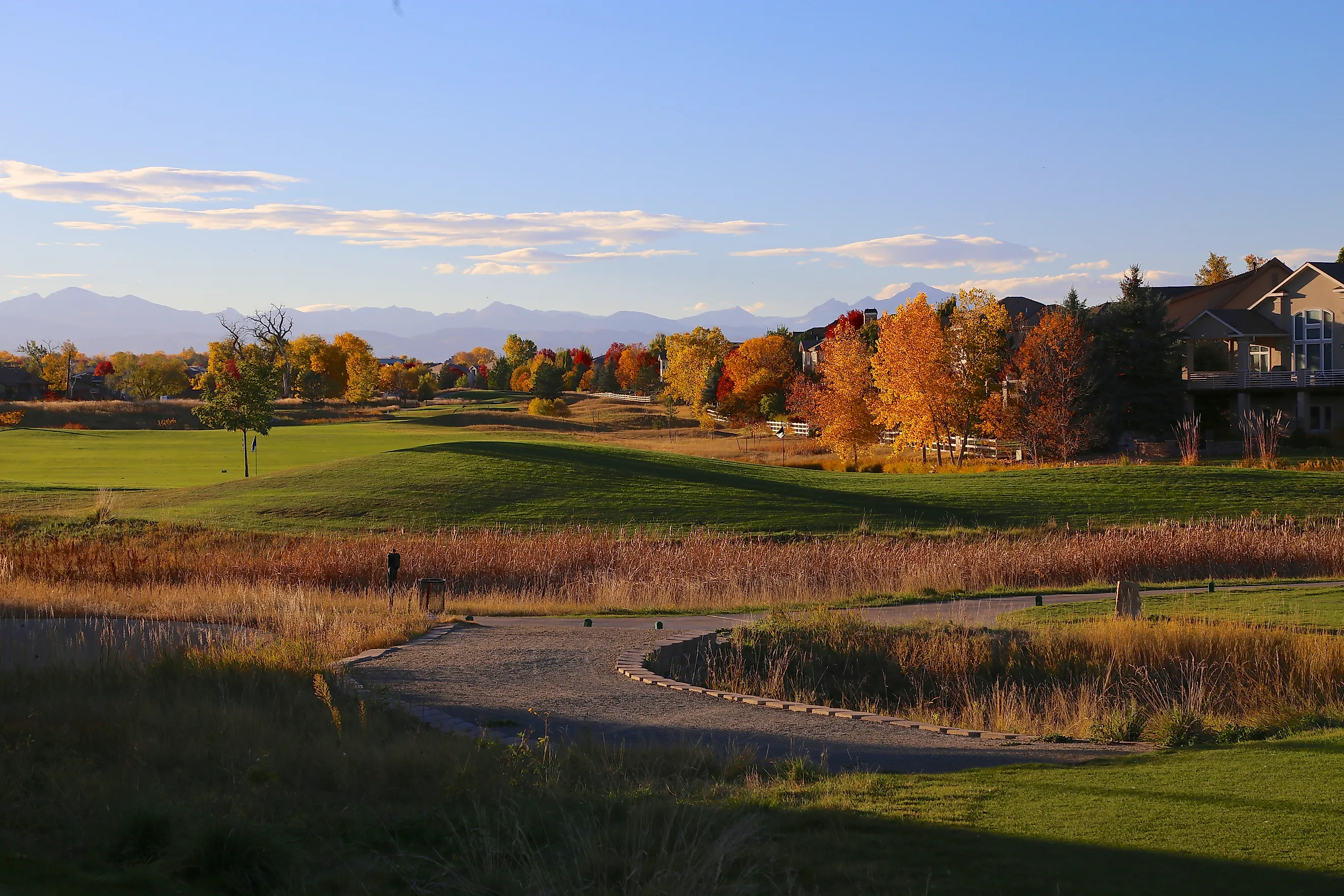
Growth has not erased the landscape around the community. The Lake Link Trail runs roughly 11 miles from Lac Amora Open Space on the west side to McKay Lake on the eastern edge, linking several of Broomfield's open spaces along the way. Other trails reach toward Rock Creek and Coal Creek, and the view west toward the Front Range is a reminder of the terrain the early farmers and railroad builders worked around.
Some of the clearest reminders of Broomfield before countyhood sit at the Broomfield Depot Museum. Workers built the original depot in 1909 for the Colorado & Southern Railway and Denver & Interurban Railroad, when regular passenger service made the small farming community a transportation stop between Denver and Boulder. Today, the historic building houses exhibits on Broomfield's development and the people who lived there long before its boundaries became those of a county.
The Broomfield Veterans Memorial Museum offers another link to the community's past, with collections focused on military veterans. Between the depot, the open spaces, and the surviving historic sites, a visitor can trace how much Broomfield has changed since its farming and railroad days, even as its newest chapter began only in 2001.
Alaska's newest boroughs

There are three boroughs in Alaska that are newer than Broomfield County. These include Skagway, established in 2007, Wrangell in 2008, and Petersburg in 2013.
Skagway was initially a first-class city in 1900 but was dissolved and reorganized into a first-class Municipality of Skagway Borough. Wrangell is the third oldest city in Alaska, which was controlled by the Tlingit people, Russia, Britain, and later the US. It was part of the larger Unorganized Borough run by the state of Alaska until 2008.
Petersburg is a fishing community that saw a large community of Norwegians in the 1900s, who brought their culture with them and intermixed with natives. The community chose to leave the Unorganized Borough and dissolve its city to form a borough in 2013.
Alaska is the only US state that uses boroughs instead of counties. It is one of just two states that avoids the word county altogether, the other being Louisiana, which is divided into parishes. The framers wrote the borough system into the state's 1956 constitution to give more local autonomy and control to Alaska's diverse and often isolated regions. More than 50% of the state falls within the Unorganized Borough, which the state government administers directly because those areas lack the infrastructure and services a local government would provide.
Could An Even Newer County Be Created?

Counties do not have one specific shape, size, or population, and local politics and concerns often shape them as much as anything else. US counties range in population from 43 people in Loving County, Texas, to nearly 10 million in Los Angeles County, California. About 69% of counties count as small, with fewer than 50,000 residents, and only 4% count as large, with more than 500,000. Broomfield fits within the mid-sized category, between 50,000 and 500,000 residents. While it is the newest county, there are other proposals for new counties to be created, such as a proposal in Arizona in 2023 to split up Maricopa County into four counties. As of August 2026, no new counties have been added.