The Counties With More Second Homes Than Residents
In the majority of American counties, the number of permanent residents far exceeds the number of housing units classified as being for seasonal, recreational, or occasional use. But in a few remote corners, that relationship is inverted. In these counties, ski chalets, hunting cabins, lake houses, and other seasonal residences can outnumber the people who live there year-round.
The US Census Bureau classifies these properties as housing units "for seasonal, recreational, or occasional use." Comparing that category with county population reveals just how heavily some parts of the country are shaped by seasonal housing and recreation. It also reveals how rare the phenomenon actually is. Based on the 2020-2024 American Community Survey (ACS) 5-year estimates, just two US counties have more housing units classified for seasonal, recreational, or occasional use than year-round residents, making them rare outliers in the nation's seasonal and recreation-oriented housing landscape. Because these are ACS estimates based on a sample, the seasonal-housing figures also carry margins of error that should be considered when interpreting such a narrow comparison.
Hamilton County, New York

The Adirondacks are known for their wide variety of vacation communities, but few counties have a seasonal housing count that could rival their permanent resident numbers. Hamilton County has 5,089 residents and 5,156 housing units classified for seasonal, recreational, or occasional use, putting its seasonal housing inventory 67 units above its permanent population. Both figures come from the 2020-2024 ACS 5-year estimates. The seasonal-housing estimate carries a 90% margin of error of approximately ±153 units, making the 67-unit difference relatively small compared with the uncertainty surrounding the estimate. That statistical caveat is particularly important in a county with such a small permanent population, where relatively small changes in the estimates can affect the comparison.
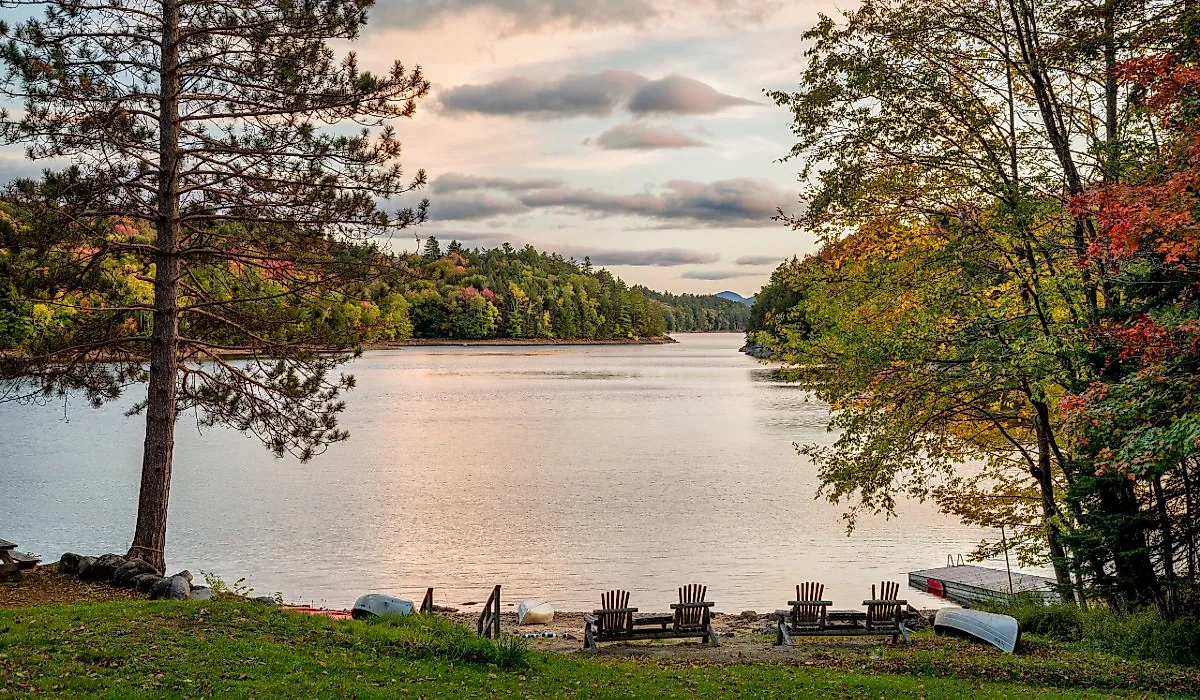
This county lies entirely within the Adirondack Park, which covers approximately 1,806 square miles. The county describes the area as mountainous, with many lakes, rivers, and streams throughout the landscape. Hamilton County contains nine towns and one incorporated village, Speculator, while Lake Pleasant serves as the county seat.

The proportion of atypical housing reflects the locale's function as a seasonal getaway. Hamilton County identifies tourism as its most important industry, while the majority of the county's business community is involved in tourism-related enterprises. During the warmer months, vacationers, sportsmen, and seasonal homeowners are drawn to the county, where the lakes, mountains, rivers, and streams are a major draw for visitors and outdoor recreation.
The underlying pattern is nonetheless clear: Hamilton County has a particularly large stock of seasonal housing, especially for a county with so few permanent residents. The county describes itself as a favorite destination for vacationers and sportsmen, while its mountainous terrain and abundance of lakes, rivers, and streams provide a setting for outdoor recreation. Together, those characteristics help explain why the county's seasonal housing inventory slightly exceeds its permanent population.
Daggett County, Utah

Further west, Daggett County boasts an even narrower margin, with just 783 residents and 803 housing units classified as seasonal, recreational, or occasional use. This means seasonal housing stock edges out permanent residents in this locality by just 20 units, with both data points sourced from the same 2020-2024 ACS 5-year estimates. As noted in the Hamilton County section, the seasonal housing estimate has a margin of error of approximately ±68 units, making it necessary to interpret the comparison with caution.
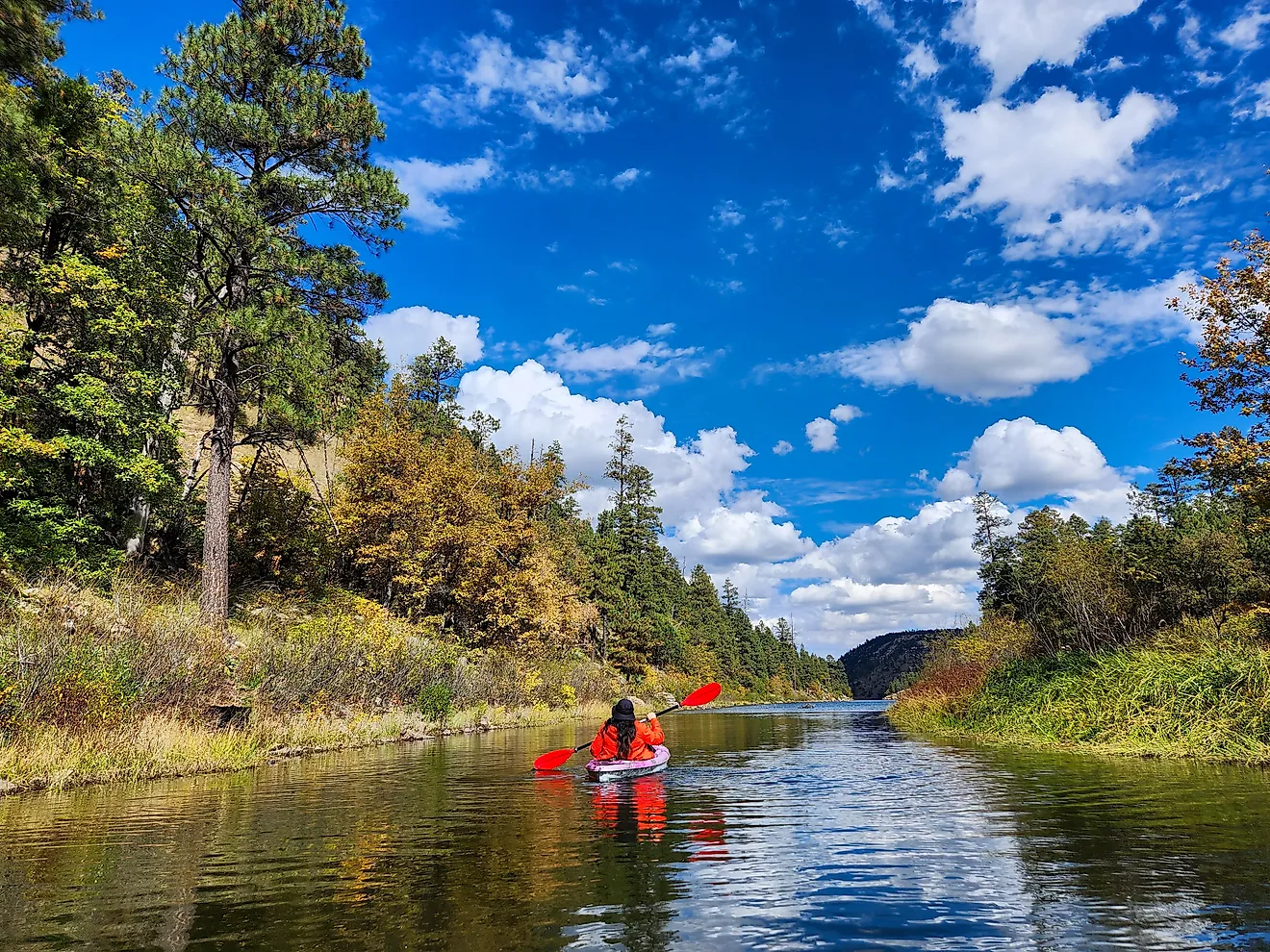
This county sits within Utah's northeastern corner, along the northern slope of the Uinta Mountains and between the Wyoming and Colorado state lines. The Green River is one of the county's defining geographic features, while the Flaming Gorge National Recreation Area is part of the Ashley National Forest. The geography contributes to the area's appeal for outdoor recreation, with Flaming Gorge playing a particularly important role. The reservoir stretches for 91 miles and contains approximately 350 miles of shoreline, offering extensive opportunities for fishing, boating, camping, hiking, and wildlife viewing. On land, Ashley National Forest offers hiking trails, mountain scenery, lakes, and dispersed camping among its recreational attractions.

With a population of fewer than 1,000, Daggett County's small permanent population coexists with a housing supply that includes a substantial number of units designated for seasonal, recreational, or occasional use. The difference is only 20 housing units, a margin small enough to warrant caution when interpreting this estimate, particularly because the seasonal-housing figure carries a margin of error of approximately ±68 units. For Daggett County, the seasonal housing figures reflect a community that is deeply shaped by the surrounding landscape and the recreational activities it offers to visitors and locals alike. The result is a county whose character changes noticeably with the rhythm of the seasons.
Home Sweet (Seasonal) Home

Hamilton and Daggett demonstrate how uncommon it is for seasonal housing to actually surpass a county's permanent population. There are plenty of American counties that host large concentrations of vacation dwellings, but very few cross this threshold. In these two unique instances, the number of housing units classified by the US Census Bureau for seasonal, recreational, or occasional use exceeds the number of people residing in those areas year-round, despite their small permanent populations.
That scarcity makes the comparison even more remarkable. Seasonal housing can account for a substantial portion of the housing supply in recreation-heavy counties without actually outnumbering the permanent population. Hamilton and Daggett take this a step further, illustrating what happens when a county's seasonal housing stock leaves a significant imprint on its housing landscape, with units intended for temporary or occasional use actually edging past the permanent population. Across the expansive forests and mountains of these two localities, the housing data captures communities that can appear considerably different depending on the season in which you arrive.