Where People Are Moving To In England In 2026
England added 687,600 people in a single year. That is its fastest stretch of growth since 1972. Almost none of it landed where you would expect. The capital is actually losing residents to the rest of the country even as the national total climbs. Nearly every local authority grew last year, but a handful pulled far ahead. Here are six of the places drawing people in and what is pulling them.
Oadby and Wigston

The City of London grew faster in percentage terms, but it is a tiny outlier. Set it aside and this borough of about 62,000 was the fastest-growing local authority in England and Wales last year, up 3.1%. It is a compact Leicestershire suburb pressed against the south edge of Leicester, close enough that the city's jobs and shops are a short hop while the streets stay quieter. What keeps it from being a pure dormitory is that it is really three centres in one: Oadby, Wigston, and South Wigston each have their own high street, schools, and housing, so new arrivals have somewhere to land. The University of Leicester Botanic Garden, Brocks Hill Country Park, and the Wigston Framework Knitters Museum give it green space and a bit of history to go with the commute.
Preston

Preston grew 2.9% in a year, second only to Oadby and Wigston, and its university is a big part of why. The former University of Central Lancashire became the University of Lancashire in 2024, and its Preston campus pulls students and staff into a city of roughly 163,000 at the crossroads of the county. People move between Preston and the surrounding Lancashire districts for homes, work, and the fast trains through Preston Station. The payoff for staying put is a real city centre: the revamped Harris Quarter for culture, Avenham and Miller Parks along the Ribble, the covered Preston Market, and the Ribble Steam Railway for families. Brockholes Nature Reserve sits just outside the ring road when the city gets to be too much.
Milton Keynes

Milton Keynes was built to grow, and roughly 306,000 residents later it still is. The new town went up from the late 1960s on a grid of roundabouts and dual carriageways designed to keep expanding, and the plan is still doing its job: fast trains to London, the M1 on the doorstep, jobs, schools, and land set aside for the next phase of expansion to the east. It is not all car parks and grids, either. Campbell Park, Willen Lake, and the Grand Union Canal put green space and water inside the city; Centre MK, Xscape, and the Milton Keynes Theatre cover shopping and a night out; and Bletchley Park, where Alan Turing's codebreakers cracked Enigma, is one of the most important historic sites in the country.
Central Bedfordshire

Some places grow because of one city; Central Bedfordshire grows because it is boxed in by four. The district of about 316,000 fills the space between London, Luton, Bedford, and Milton Keynes, and it has been quietly absorbing the overflow from all of them. Its market towns each offer their own way in: Leighton Buzzard, Dunstable, Biggleswade, and Flitwick add housing and town-centre life while keeping rail or road links to bigger job markets. And it is not only commuter turf. Dunstable Downs and the Whipsnade estate open onto the chalk hills, Woburn Safari Park and the Shuttleworth Collection of historic aircraft at Old Warden pull families in, and the Greensand Ridge and Rushmere Country Park give it real countryside rather than just a place to sleep between fares.
South Cambridgeshire
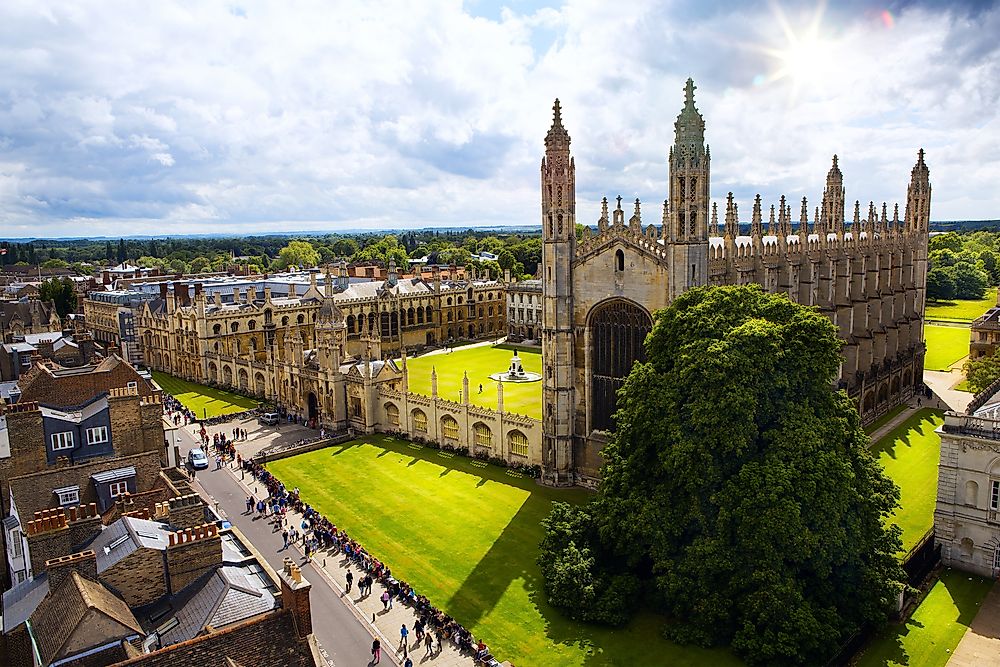
Cambridge cannot hold everyone its economy attracts, so the spillover lands here. South Cambridgeshire, about 173,000 people, is the ring of villages and new towns wrapped around the city, and it has grown right along with Cambridge's booming science and tech jobs and its acute shortage of homes. Rather than pack people into the city, the district builds out: Cambourne and Northstowe are near-new communities, and Sawston, Histon, and the villages along the guided busway offer schools and village centres with an easy run into Cambridge. There is space to breathe, too, at the Wimpole Estate, Anglesey Abbey, Milton Country Park, the RSPB reserve at Fowlmere, and along the River Cam.
East Cambridgeshire
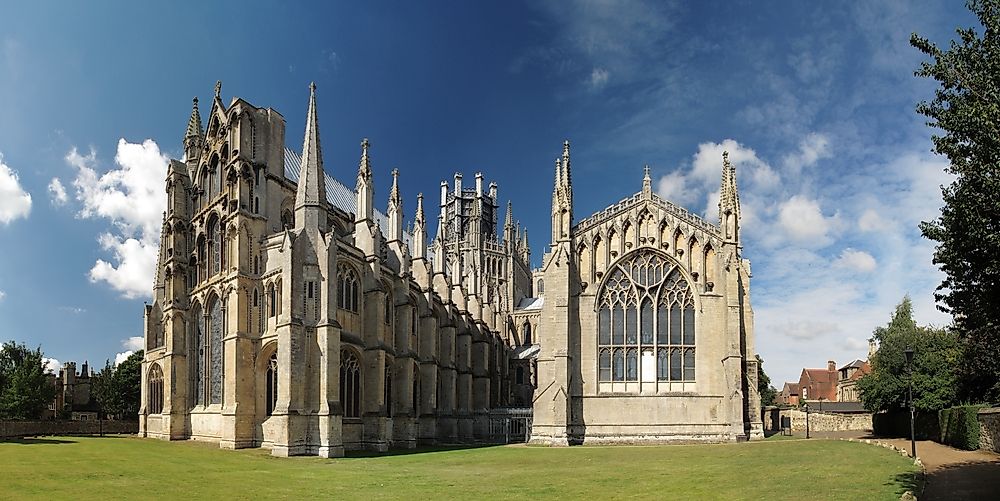
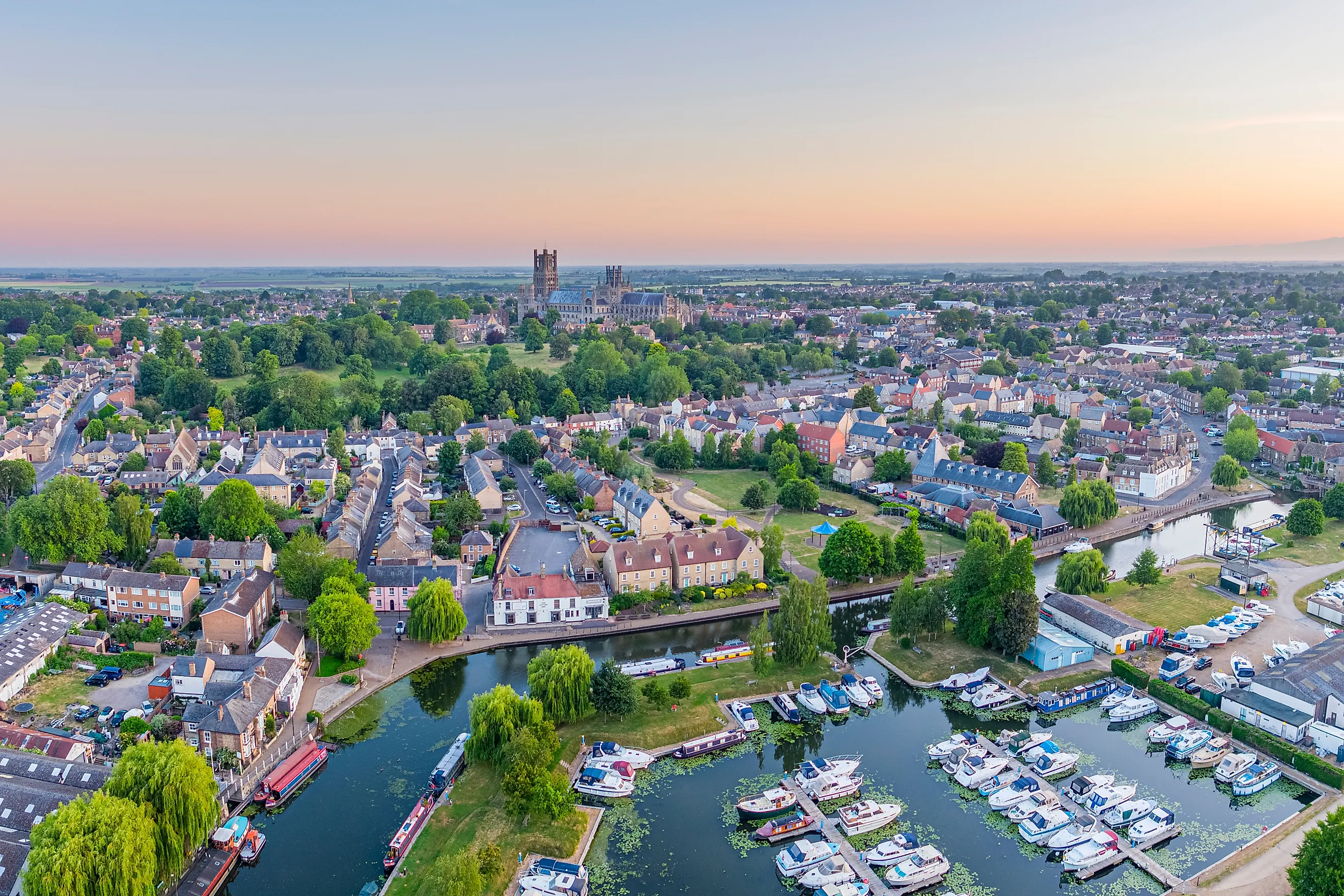
Ely does a lot of the work here. East Cambridgeshire is smaller and more rural than its southern neighbour, around 93,000 people, but it rides the same Cambridge-area wave, drawing movers with new housing, direct trains, and a cathedral city that is hard to leave once you have seen it. Ely is the hub: the cathedral rising over the Fens, riverside walks along the Great Ouse, Oliver Cromwell's House, Jubilee Gardens, and a station that puts Cambridge, Newmarket, Peterborough, and beyond within reach. Wicken Fen, one of the oldest nature reserves in the country, is the outdoor escape, and Soham and Littleport give smaller-town options with the same links back to Ely and Cambridge.
Where England's Growth Is Heading
The pattern under these six is consistent: they have room to build, a fast line to a bigger economy, and a reason to stay once the boxes are unpacked. That is why the growth is skipping the crowded city centres and settling on their edges, the suburb next to Leicester, the villages around Cambridge, the new town off the M1. For the people already living there, the change will show up first in the ordinary things, house prices, school places, the morning train, and how fast the council can build roads and services to keep pace.