This Quiet Atlantic Coast City Is An Underrated Gem For Nature Lovers
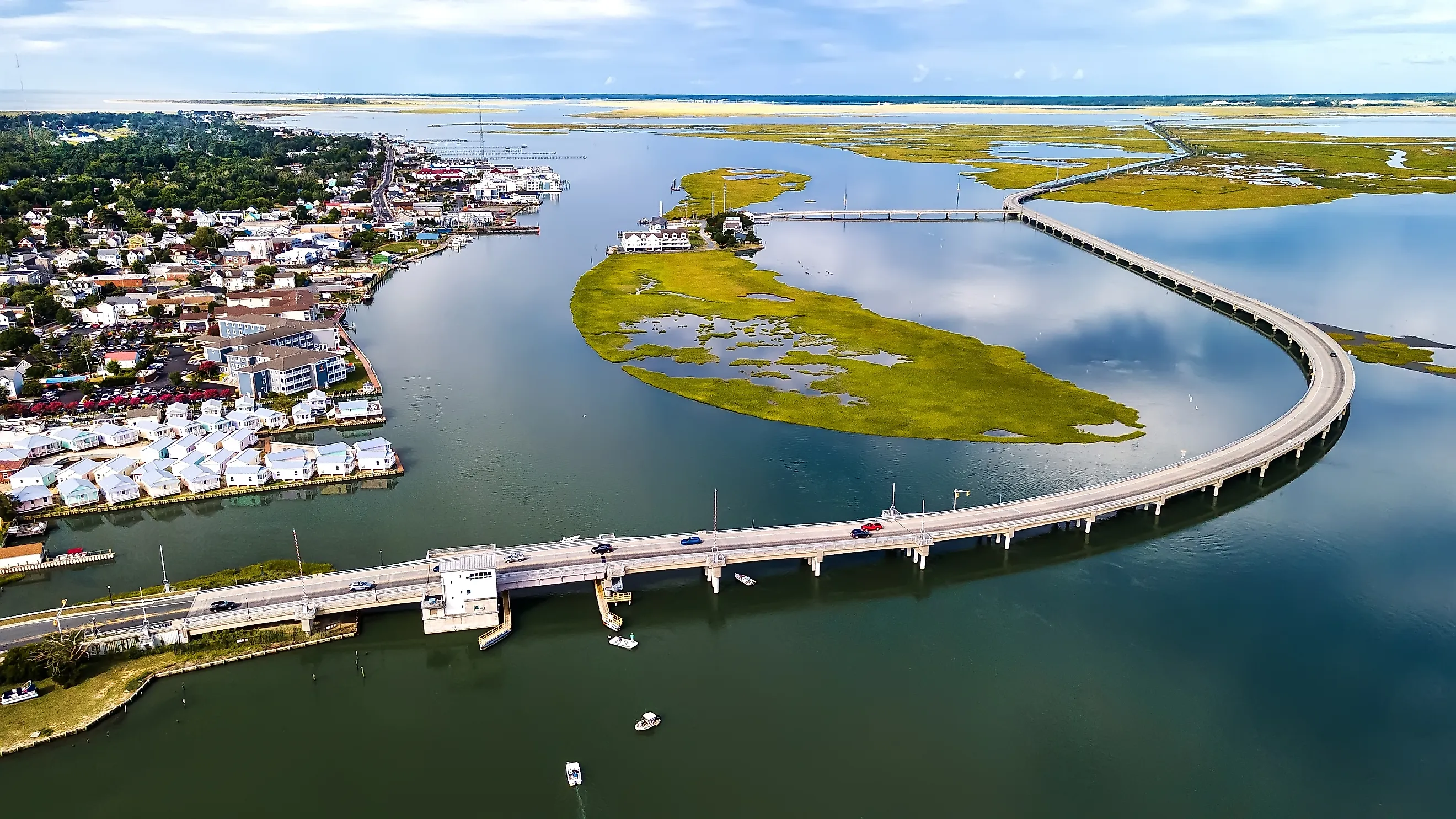
Chincoteague is a barrier island town in Virginia, sitting between the Atlantic Ocean and Chincoteague Bay on the state's Eastern Shore. It is one of the best nature destinations on the East Coast, and one of the least-visited considering everything it holds. The Chincoteague National Wildlife Refuge covers about 14,000 acres of beach, salt marsh, and maritime forest just over the bridge on neighboring Assateague Island, and it supports the famous wild Chincoteague ponies, 320-plus bird species, and miles of hiking trails. Around town, you can kayak, swim, and fish, or take a dedicated boat tour to spot dolphins, bald eagles, and shorebirds. Ahead is what makes Chincoteague one of the East Coast's most underrated destinations for nature lovers.
Chincoteague: An Underrated Gem For Nature Lovers

Chincoteague covers Chincoteague Island, which sits between Wallops Island and the Virginia portion of Assateague Island. The town has about 3,200 year-round residents and holds onto a quiet, working-waterfront character that other East Coast barrier islands lost to resort development decades ago. Chincoteague ponies roam the nearby beaches and marshes, and migratory birds pass through in large numbers along the Atlantic Flyway.
More than 15 miles of trails wind through forests, wetlands, and coastal shrubs where wildlife is visible year-round. The surrounding waters are also excellent for fishing. The combination of protected federal land and limited commercial development has kept the island's natural character largely intact, which is a rare thing on the Atlantic Coast.
Summer brings the Pony Swim, one of the more unusual annual events in the country, when the wild herd swims across the channel as crowds gather to watch. More on that below. Even with that draw, Chincoteague remains one of the country's quieter nature destinations, which is exactly what makes it worth a visit for anyone looking to birdwatch, kayak, fish, or just spend a few days on a beach that still has wild horses on it.
Natural Attractions And Experiences On Chincoteague Island

Chincoteague Island is only seven miles long, but it packs in enough habitat variety to keep a naturalist busy for days. Summer visitors should bring bug spray, a camera, and light long-sleeve clothing to handle the salt marsh mosquitoes. Here is what draws nature lovers back year after year.
Chincoteague National Wildlife Refuge

The Chincoteague National Wildlife Refuge, most of which actually lies on the Virginia end of Assateague Island, is the centerpiece of any nature trip here. The 14,000-acre refuge covers dunes, salt marshes, coastal shrub, beach, and maritime pine forest, and the habitat variety is the reason so many species turn up here. The famous Chincoteague ponies get top billing, with a herd of about 150 managed by the Chincoteague Volunteer Fire Company under a grazing permit. Other resident wildlife includes red foxes, white-tailed deer, ghost crabs, sika deer, and raccoons, along with songbirds, woodpeckers, brown pelicans, black skimmers, and ducks.
More than a dozen miles of trails make it easy to get into that habitat. The Black Duck Trail, a short connector, links to the Woodland Trail through the forest. The 1.6-mile Woodland Trail cuts through a pine forest to a pony overlook where the wild herd can often be seen. Along the way, hikers may hear woodpeckers and spot the endangered Delmarva fox squirrel, a species you will not easily see anywhere else in the country.
The Beach
The mile-long public beach inside the refuge is one of the island's best nature draws. Officially called Assateague Beach, it is one of the only places in the world where wild ponies can be seen roaming freely along the shoreline with their foals. The beach is undeveloped, white-sand, and open to surf fishing, crabbing, shell collecting, sunbathing, and swimming. There are no high-rise hotels behind it, no boardwalk, no attractions competing for attention. Just the Atlantic, the dunes, and on a good day, a group of ponies.
Pony Penning

Pony Penning is one of the most unusual wildlife events in the United States. Held on the last Wednesday and Thursday of July since 1925, it is also known as the Pony Swim. The event covers the swim on Wednesday, a pony auction on Thursday, and the return swim to Assateague on Friday. Festivities begin the weekend before, when the Saltwater Cowboys round up the Chincoteague ponies on Assateague Island. On Monday and Tuesday, the ponies are brought to the beach and checked by veterinarians before the swim to Chincoteague Island.
During Pony Swim week, the Chincoteague Fireman's Carnival runs each evening from 7 p.m. with food, games, and rides. The event serves two purposes: it manages the island's wild pony population, which is capped at about 150 animals to protect the refuge's habitat, and it raises funds for the Chincoteague Volunteer Fire Department, whose Saltwater Cowboys care for the ponies year-round. The July 2025 Pony Penning marked the event's 100th year.
Fishing
The waters around Chincoteague are good for fishing year-round. Anglers can fish from the pier at Chincoteague Veterans Memorial Park or Robert Reed Waterfront Park. Both parks also have boat ramps for trips into deeper water. Fishing gear is available at local shops like Captain Steve's Bait & Tackle, and multiple charter operators in town run guided fishing trips.

Surf fishing is allowed on the refuge beach and in designated areas of Tom's Cove and Swan Cove. A Virginia Saltwater License is required to fish the beach. Species caught in the surrounding waters include flounder, striped bass, speckled trout, and red drum, along with deeper-water species like yellowfin tuna for anglers heading offshore.
Nature Cruises and Kayak Tours

Boat tours are one of the best ways to see Chincoteague's wildlife from the water. Cruises offer unobstructed views of the marshes, inlets, and wild pony groups that can be hard to spot from land. Along the way, passengers often see dolphins, bald eagles, and shorebirds. Daisey's Island Cruises is one long-running local option where passengers get local history alongside the wildlife viewing, and Barnacle Bill's Boat Tours is another well-regarded choice for its knowledgeable guides.
Kayaking is a quieter way to explore the same waters and get closer to the ponies. You can bring your own kayak or rent from Chincoteague Island Outfitters. Public launch points include Queens Sound Boat Ramp, Donald Leonard Park, and Veterans Memorial Park. Snug Harbor Marina and Resort also rents kayaks and runs guided paddle tours through the Chincoteague and Assateague waterways.

Bird Watching
Chincoteague is one of the top birdwatching destinations on the Atlantic Coast. The island sits directly on the Atlantic Flyway, the major bird migration corridor running up the eastern side of North America, and more than 320 species have been documented in the refuge. Spring and fall bring peak migration traffic, though birds are present year-round, including geese, herons, egrets, sandpipers, osprey, and terns. Kayak and boat tours are some of the best ways to get close to species that avoid foot traffic, and the refuge's observation platforms give hikers a good vantage for photography.
A Year-Round Sanctuary For Nature Lovers
Chincoteague stays an underrated nature destination because it never chased resort-scale development the way so many other Atlantic Coast barrier island towns did. Summer is the most popular time to visit, especially around the Pony Swim in late July. Spring and fall bring peak bird migration with thinner crowds, making them arguably the best times for serious birdwatchers. Even winter has something going for it here. The cold water makes kayaking less appealing, but migratory waterfowl and the ponies are still around, and the beach is a good place for quiet walks, shell collecting, and sea glass hunting without another person in sight. Chincoteague does not advertise itself loudly, which is exactly why nature lovers who find it keep coming back.