This Is The Poconos's Quirkiest Little Town
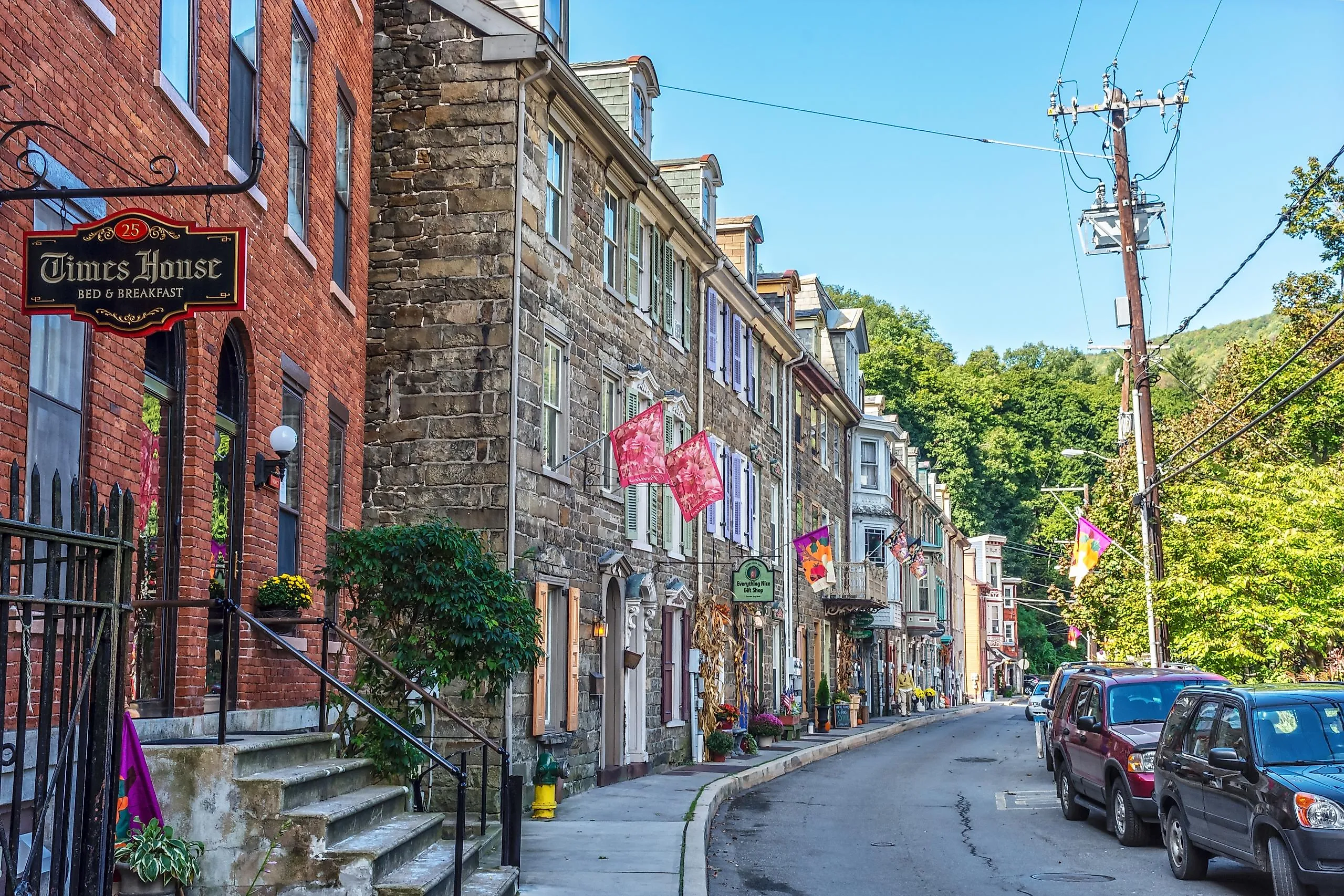
Jim Thorpe sits in a river gorge in the Pocono Mountains, a small Pennsylvania town of Victorian storefronts and Italianate mansions that coal barons built when the money was still good. It renamed itself in 1954 by striking a deal with the widow of an Olympic champion: take his name, build him a mausoleum, and bury him on the edge of town. The downtown now runs to independent bookshops and outfitters, and hiking and cycling trails leave from the old train station into the Lehigh Gorge along rail beds that date to the coal era.
How Mauch Chunk Became Jim Thorpe

The story of how Mauch Chunk became Jim Thorpe is one of the stranger chapters in American municipal history. Jim Thorpe, the athlete, was a member of the Sac and Fox Nation from Oklahoma who won gold medals in the pentathlon and decathlon at the 1912 Stockholm Olympics. King Gustav V of Sweden reportedly told him at the medal ceremony that he was "the greatest athlete in the world."
Thorpe went on to play professional baseball and football and was the first president of what became the NFL. He died in 1953 in Lomita, California, all but forgotten by the sports establishment. He had also been stripped of his Olympic medals in 1913 over a technicality involving a brief stint playing semi-professional baseball before the Games. The IOC restored him as a co-champion in 1983, and in July 2022 fully reinstated him as the sole gold medalist in both events.

After Oklahoma declined to fund a memorial, Thorpe's third wife Patricia struck an unusual deal with the two small Pennsylvania boroughs of Mauch Chunk and East Mauch Chunk, both of which were struggling after the collapse of the local coal economy. Patricia offered Thorpe's remains in exchange for a memorial and a name change.
The two boroughs merged under the new name in 1954, and Thorpe was interred in a granite mausoleum on the edge of town. The Jim Thorpe Memorial features bronze statues of Thorpe in his football and Olympic uniforms; his red granite tomb is engraved with King Gustav's declaration. Thorpe never visited the town that took his name during his lifetime.
Historic Downtown and The Old Jail

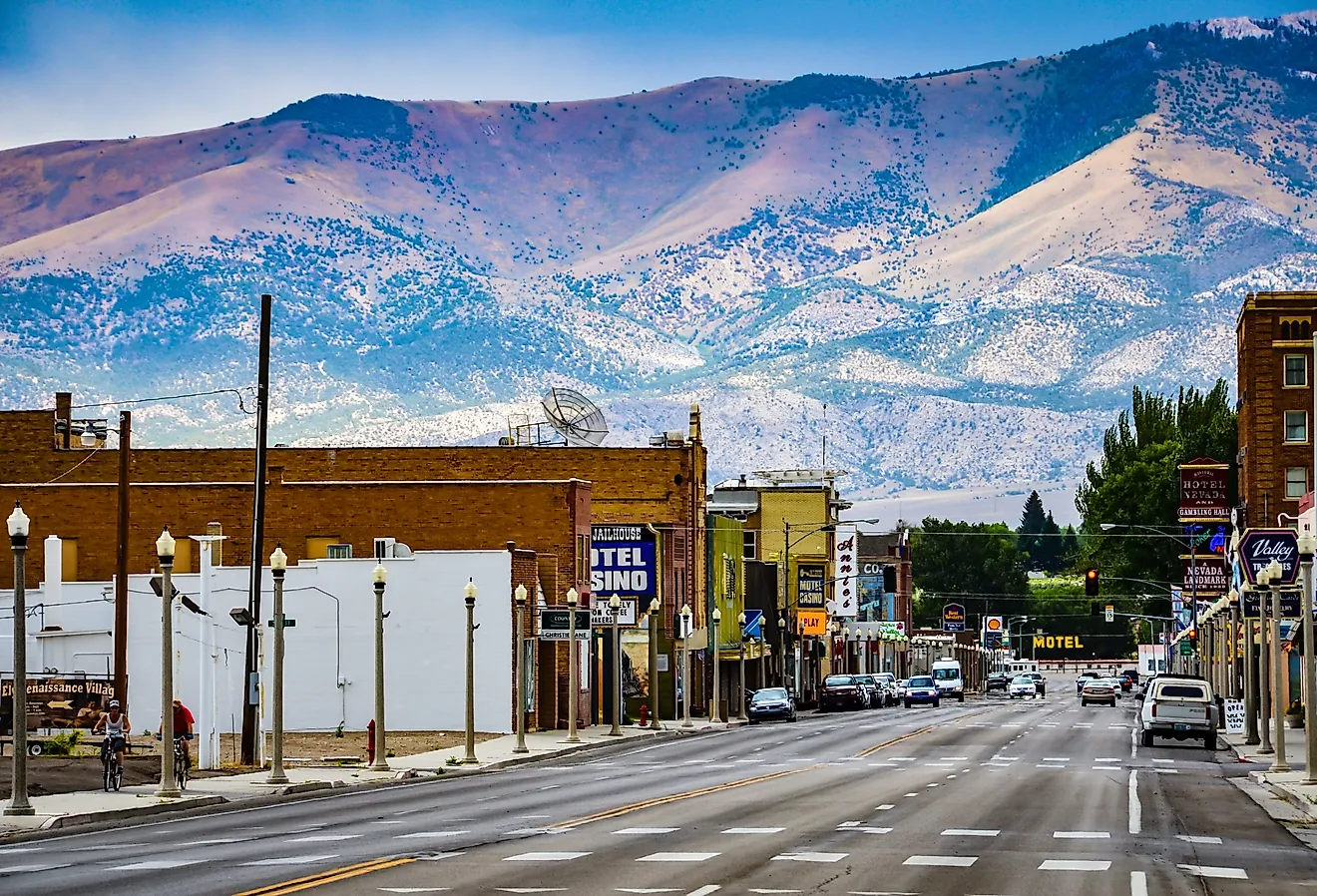
Historic Downtown Jim Thorpe is easy to explore on foot. Once one of the wealthiest small towns in America, coal barons built grand Italianate mansions and spent lavishly in the 1800s, with retail buildings lining Broadway. Those same structures now house independent bookshops like Sellers Books and outfitters serving hikers and cyclists heading into the Lehigh Gorge, tying the commercial strip directly to the area's main natural draw.

One of the town's more unusual attractions is the Old Jail Museum on West Broadway. Built in 1869-1870 as the Carbon County prison, this fortress-like building served as the town's jail for over a century before closing in 1995. Cell 17 is the most curious room and has a dark handprint on the stone wall linked to the Molly Maguires, four of whom were imprisoned and hanged here on June 21, 1877 (a day local historians call the Day of the Rope).
According to local legend, one of the condemned men pressed his dirty hand against the wall and declared it would remain there forever as proof of his innocence. The handprint has since been scrubbed, painted over, plastered, and (according to one account) had the stone itself replaced. Yet each time, the mark reportedly reappeared.
The jail offers guided tours covering the history of the Molly Maguires, the conditions of 19th-century coal mining, and the building's long service as a prison. The 27 cells, basement dungeon cells, warden's living quarters, and exercise yard can all be explored, with displays of original artifacts including shackles, prison records, and photographs.
The Railroad That Became a Roller Coaster

Jim Thorpe was also home to one of the stranger tales of early American railroading. Built in 1827, the Mauch Chunk Switchback Railway was one of the earliest railroads in the country and the first US railway to carry paying passengers more than five miles. It hauled anthracite coal nine miles down from the mines at Summit Hill to the Lehigh Canal for shipment to Philadelphia and beyond. Loaded coal cars descended under their own weight along iron-strapped wooden rails on a series of inclined planes; mules hauled the empty cars back up the mountain (and rode down in their own special car at the end of each run).

By the 1870s, the coal industry had shifted to other transport, and the railroad found a second life as a tourist attraction. Passengers paid 75 cents to ride the route, descending at speeds reported up to 50 miles per hour through the inclines. It later helped inspire some of the world's first roller coasters, including the 1884 Switchback Railway at Coney Island in New York.
The original Switchback closed in 1933 and the tracks were removed, but the route is now a popular hiking and mountain biking trail. Look carefully and you can still see portions of the old rail bed, stone culverts, and tunnel openings. The Lehigh Gorge Scenic Railway runs excursion trains along the Lehigh River departing from Jim Thorpe's restored 1888 stone train station, which doubles as the town's visitor center.
Why Jim Thorpe Feels Unlike Anywhere Else in the Poconos

Jim Thorpe is a small town where every major landmark seems to come with a quirky backstory. Named after a man who never visited it, the town pairs an unusual origin with landmarks that give it a distinct identity: the Lehigh Gorge, Broadway's Italianate storefronts, and Cell 17 in the Old Jail. That combination is what makes it stand apart in the Poconos.