This Is The Friendliest Small Town in Northern California
Every March 17, a few hundred people in Healdsburg get up before dawn, put on something green, and march half a mile around the town square at seven in the morning. The parade started, according to the city itself, because a handful of locals wanted to wake up the tourists asleep in the hotels. It has been running for over thirty years, the Kiwanis Club organizes it, and the town calls it the Biggest, Shortest Parade in the World. That is the argument for Healdsburg in one story: a Sonoma County town of about 11,300 people that throws a party at sunrise mostly to amuse itself, and then invites you anyway. Here is why it earns the title.
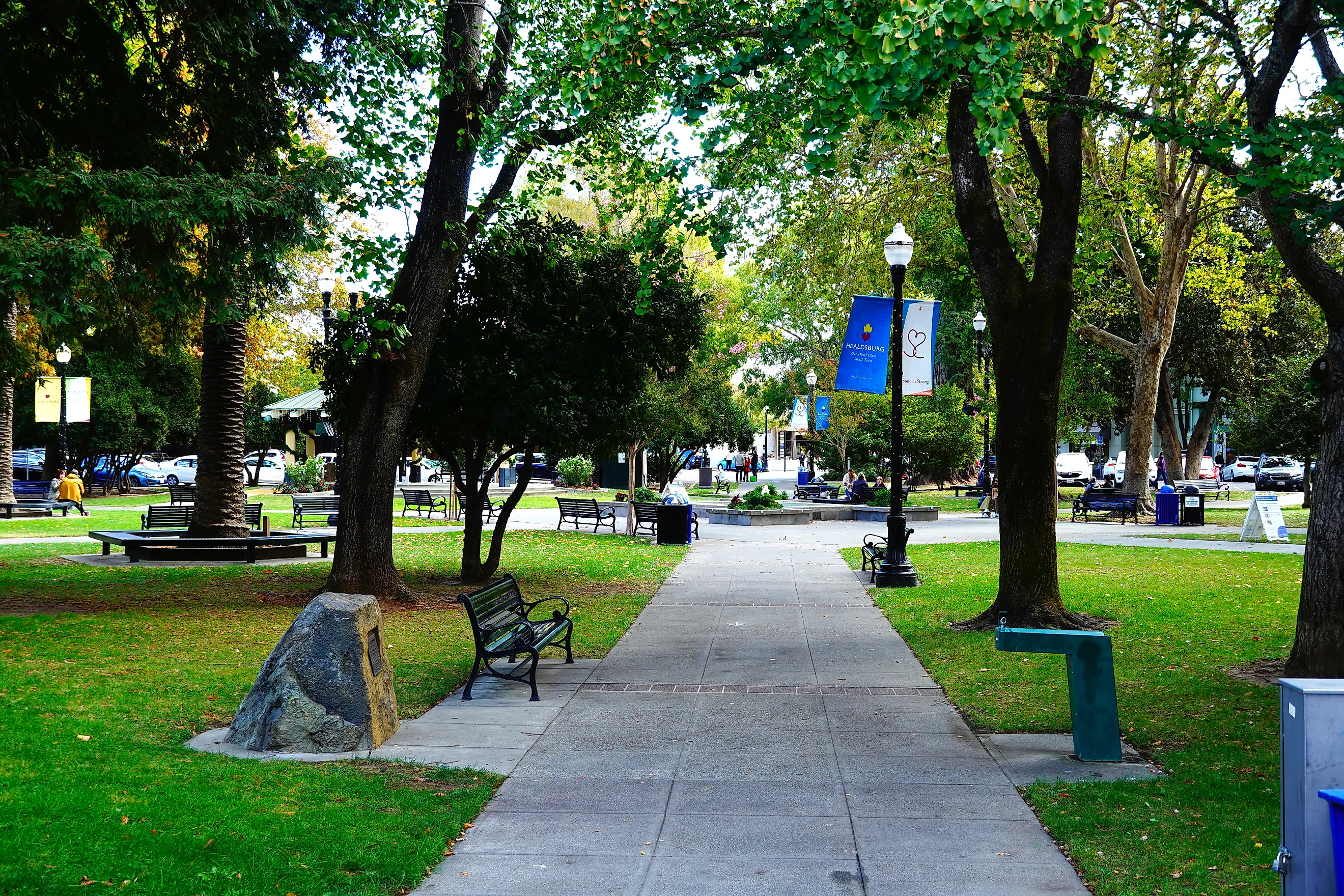
A Town Built Around A Square, On Purpose

Southern Pomo and Wappo people lived along this stretch of the Russian River long before anyone drew a property line through it. In 1841 the Mexican government granted the 48,880-acre Rancho Sotoyome to Captain Henry Delano Fitch, and after the Gold Rush of 1849 the land filled up with squatters who had given up on the mines and noticed the soil was better than the gravel they had been panning.
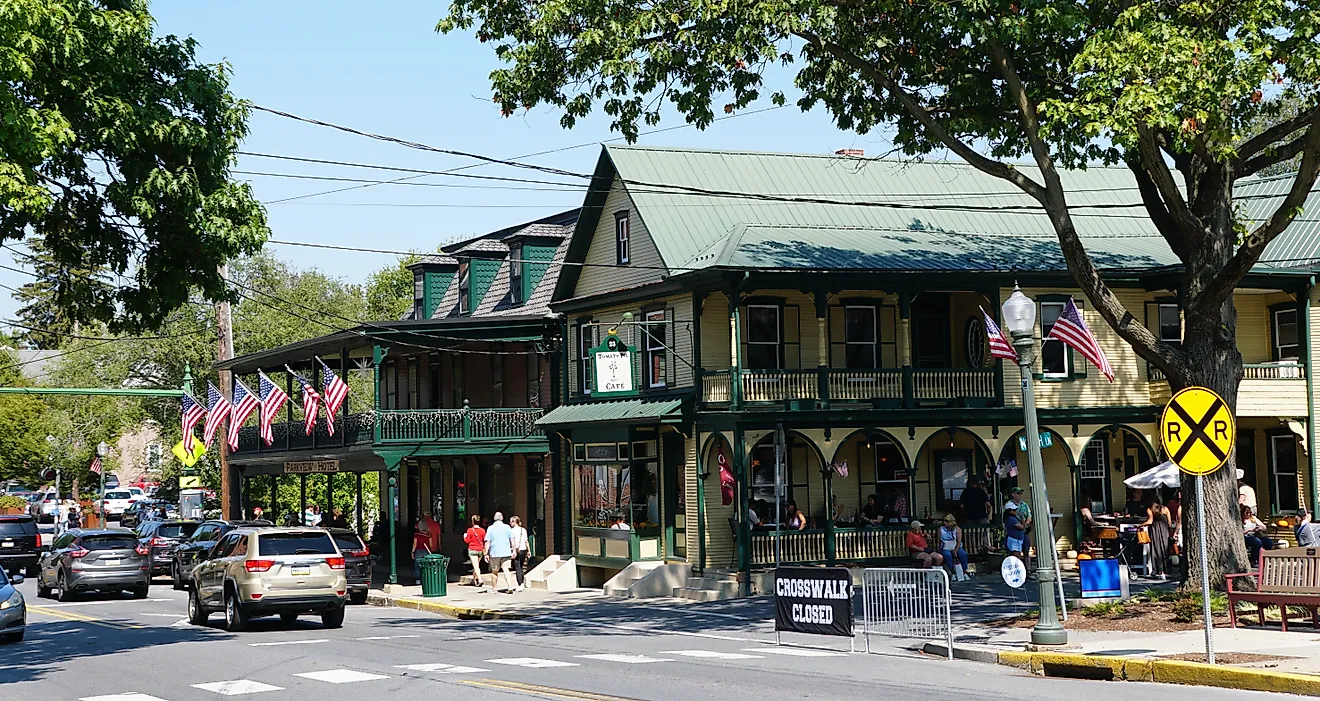
One of them was Harmon Heald, an Ohioan who built a cabin beside the road to the northern mines, then a general store with a post office in it in 1854. In 1857 he did the thing that still shapes the town: he hired a surveyor, bought part of the rancho, and laid out 85 lots around a central Spanish-style plaza. Healdsburg incorporated ten years later, in 1867. That plaza is why this article exists. Towns designed around a square end up with somewhere for people to run into each other, and a hundred and seventy years later, they still do.

The railroad arrived in the early 1870s and the town got to work. Prohibition wiped out the wine business in 1919, so growers pulled up the vines and planted prunes, and by 1929 Healdsburg was advertising itself with the civic slogan "the Buckle of the Prune Belt," which is either the least glamorous booster campaign in California history or the most honest. Then in July 1967, a local product engineer named William Shoffeitt commercially launched a spice blend of granulated lemon zest and cracked black pepper. Lemon pepper. From here. Check your spice rack.
The Plaza Is Still Doing The Work

Here is the practical test of whether a town is friendly: does it have a place where people go without a plan? Healdsburg does, and it programs it relentlessly. Tuesdays in the Plaza brings free summer concerts to the square with local food vendors set up alongside. The Healdsburg Farmers' Market runs year-round, and the original Saturday market has been going since 1978.
The calendar keeps filling in around that. The Twilight Parade in late May kicks off the Future Farmers fair, which tells you the agricultural roots have not been entirely paved over by tasting rooms. St. Patrick's Day adds a free afternoon of Celtic rock and Irish step dancing in the Plaza after the sunrise march. There is a pet parade in October where the costumes are on the dogs. None of this is aimed at anybody with a hotel reservation, which is precisely the point.
Downtown, Where The Counter Staff Know You

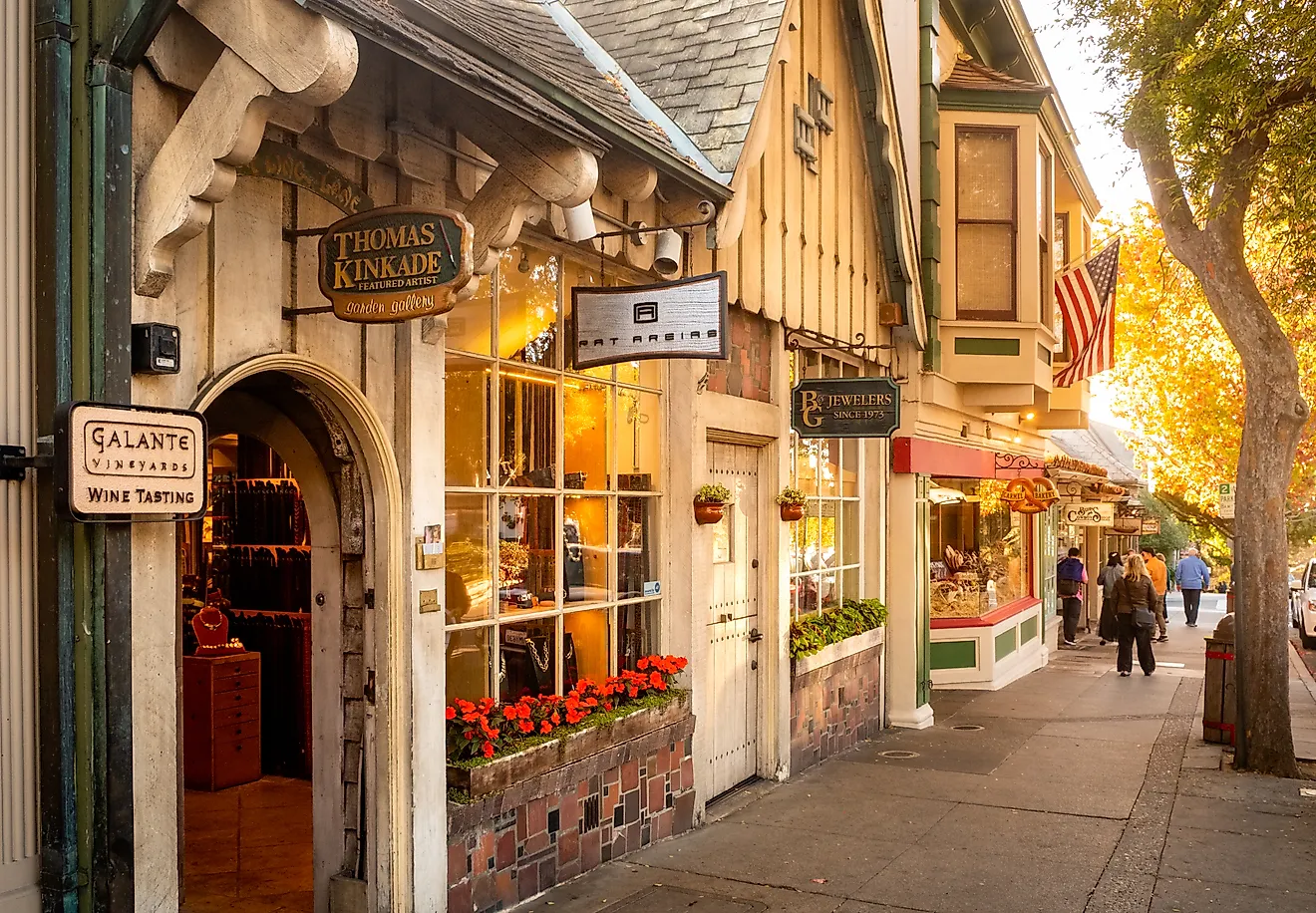
Healdsburg sits where three wine regions meet, the Alexander Valley to the east, Dry Creek Valley to the northwest, and Russian River Valley to the southwest, which means roughly a hundred wineries within a twenty-minute drive and about thirty tasting rooms within a walk of the square. That could easily have turned the place into a showroom. It mostly has not, because the businesses on the Plaza still behave like neighborhood businesses.
Flying Goat Coffee roasts a mile away and serves downtown from a plain counter. Journeyman Meat Co., a block off the square, slices house-made salumi and pours its own wine in a small salumeria. The Matheson pours by the ounce from a wall of 88 wines on tap, and Little Saint runs a vegetable-forward kitchen in the old grange building. Noble Folk Ice Cream and Pie Bar on the Plaza is small enough that it regularly sells out by midafternoon, which is its own kind of endorsement. More than two dozen galleries sit within walking distance, including one in a 1940s Quonset hut on Healdsburg Avenue.
When You Need To Leave The Square

Lake Sonoma sits northwest of town, a reservoir of roughly 2,700 surface acres with trails around it and boating, swimming, and fishing on it. Closer in, the Healdsburg Ridge Open Space Preserve climbs to views of Fitch Mountain and, on a clear day, Mount St. Helena. Del Rio Woods Regional Park puts you straight onto the Russian River with a beach for paddling and sunbathing.
The town itself covers about four and a half square miles, which means most of this is reachable without much of a drive, and the whole place sits roughly 65 miles north of San Francisco on Highway 101. Close enough for a weekend, far enough that the town is not a suburb of anything.
So Is It Actually The Friendliest?
Friendliness is not measurable, and anyone who tells you a town won it in a formal ranking is selling something. What Healdsburg has is the infrastructure that produces it: a genuine public square that California towns mostly did not get built with, a weekly reason to stand in it, service clubs still running the parades, and a farmers market older than most of the tasting rooms. The wine money arrived and the town kept its own calendar anyway. Show up on a Tuesday evening in summer, or at seven in the morning on the seventeenth of March, and you will not have to work very hard to end up talking to somebody.