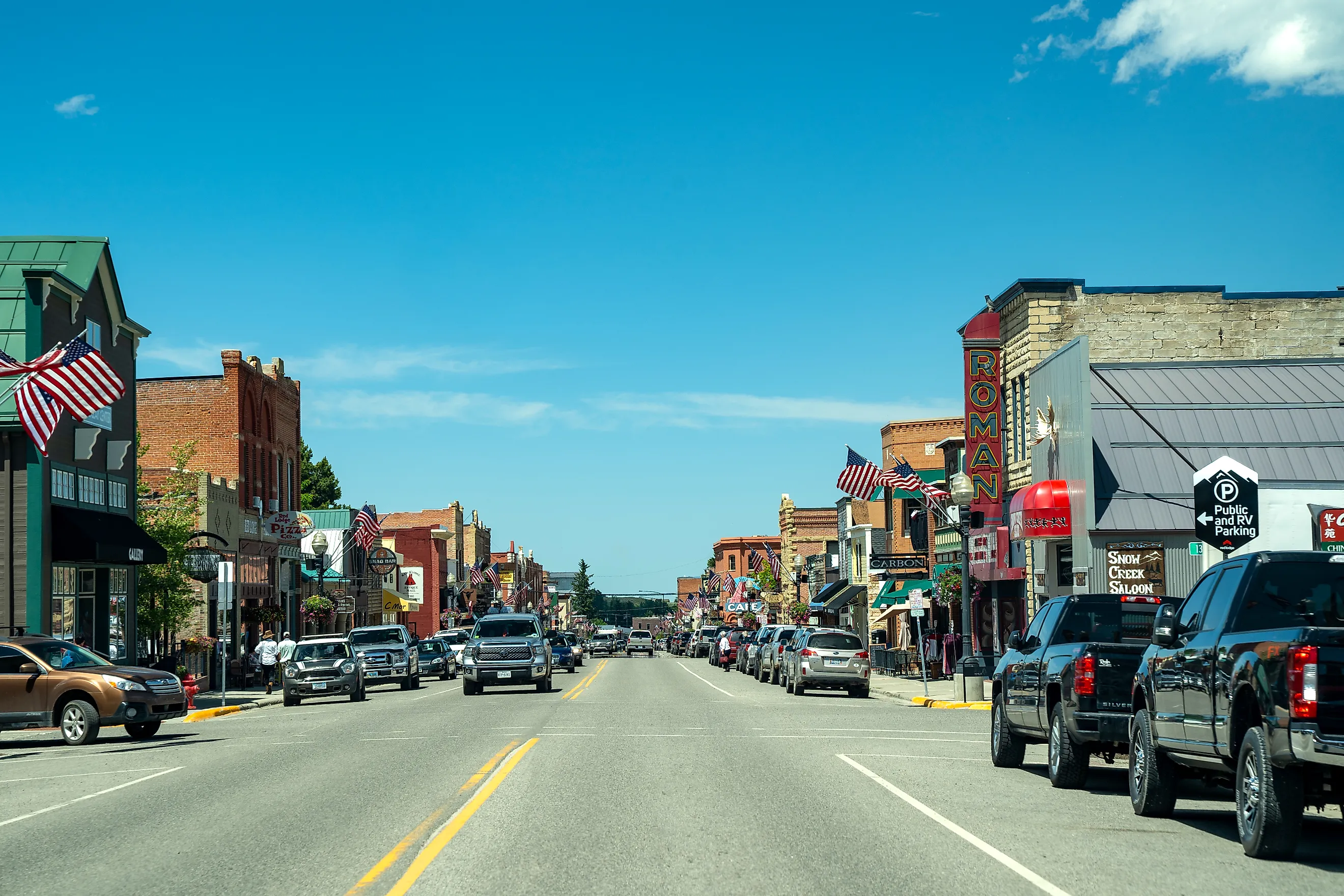
This Is Montana's Quirkiest Little Town
When Red Lodge, Montana, was established in the late 19th century as a coal-mining town, its founders likely never imagined it would grow into one of the state's quirkiest tourist hubs. By the mid-20th century, mining had faded and tourism had taken its place, a shift that will not surprise anyone familiar with this lively town of fewer than 3,000 people. It sits at the foot of the Beartooth Mountains at the end of what Charles Kuralt called the most beautiful drive in America, and it fills its calendar with rodeos, music festivals, art walks, and a wildlife sanctuary full of animals that cannot go home. If you are looking for an offbeat summer base in the mountains, Red Lodge rewards the detour.
Summer Events And Festivals

Red Lodge hosts a remarkable variety of events each summer for a town this size. On the second Saturday of the month between spring and fall, the Red Lodge Art Walk turns the downtown district into a free, self-guided gallery crawl through local studios and shops. The Red Lodge Music Festival is the other fixture, bringing professional musicians from across North America to work with student players through the week, with faculty concerts open to the public.
The rodeo is the main event. Around the Fourth of July, the Red Lodge Rodeo Grounds host the PRCA Xtreme Bulls competition, pitting top-ranked bull riders against the circuit's rankest bucking stock, followed over the next few days by the Home of Champions Rodeo. That one has been running for the better part of a century and comes with a parade down Broadway, steer wrestling, team roping, breakaway roping, bareback riding, and saddle bronc. Book lodging early; the town roughly doubles for the weekend.
Horseback Riding

Red Lodge sits inside the Greater Yellowstone Ecosystem, and the country around it is worth seeing at a walking pace. Elk River Outfitters runs guided rides from a trailhead a few minutes from downtown, starting along Rock Creek and climbing steadily to a vantage point over the surrounding ranges. Their season runs roughly May through September, with options of about ninety minutes, two hours, or a half day. Wear boots or closed-toed shoes, long pants, a hat, and sunglasses; the sun at this elevation is not the sun you are used to.
Yellowstone Wildlife Sanctuary

The Yellowstone Wildlife Sanctuary has operated here since the 1980s, and its residents are animals that cannot be released: orphaned, injured, or too habituated to people to survive on their own. That gives visitors a reliable look at species most people spend a week in Yellowstone hoping to glimpse, including bobcats, black bears, red-tailed hawks, red foxes, bison, and tiger salamanders.
The sanctuary runs keeper talks through the summer, day-long Junior Keeper Camps that put kids in a caretaker's role for a day, and guided tours of roughly an hour to ninety minutes in which a staff member walks you through the ecosystem and the individual story behind each resident. It sits on 2nd Street East and is closed one day a week, so check hours before you drive over.
The Beartooth Highway

The road out of town to the southwest is the reason a lot of people come. The Beartooth Highway, a 68-mile stretch of U.S. Route 212, leaves Red Lodge and climbs through switchbacks to Beartooth Pass at 10,947 feet, which makes it the highest highway in both Montana and Wyoming and the highest in the Northern Rockies. It was completed in 1936, designated an All-American Road, and named the most beautiful drive in America by CBS correspondent Charles Kuralt.

The drive ends at Yellowstone's northeast entrance near Cooke City, and the three hours it takes are the point rather than the cost. The route passes glacial lakes, alpine tundra, waterfalls, and twenty peaks above 12,000 feet, with snowbanks lingering into July. One catch: it is buried in snow most of the year and generally opens around Memorial Day and closes in the fall, so confirm it is open before planning a day around it.
Culinary Scene

A town of fewer than 3,000 has no business with a restaurant scene this ambitious. One Legged Magpie is the clearest example, a restaurant and cocktail bar putting out dishes like pistachio pizza, ricotta gnocchi bolognese, and braised lamb shank, with live music, songwriter sessions, and theater turning up on its calendar through the year.
Black Canyon Bistro handles the Mediterranean-leaning end of things, with garlic shrimp, seared tuna, artichoke dip, and a French dip sandwich, and books its own run of summer performances. Between the two, plus the bars along Broadway that have been serving miners' descendants for generations, you can eat well here for a week without repeating yourself.
Why Red Lodge Earns The Title

Quirky is a hard thing to prove, but Red Lodge makes the case on arithmetic. Fewer than 3,000 people support a professional-grade music festival, a rodeo old enough to have outlived the coal industry that built the town, a monthly art walk, a sanctuary caring for bison and salamanders alike, and two kitchens doing work you would expect three hours away in Bozeman. All of it sits at the bottom of the highest road in the Northern Rockies. Come in summer, when the pass is open and the calendar is full, and give yourself longer than a day.