These Towns in the United States Have the Best Downtown Areas
Some American downtowns just work. They have the right mix of independent shops, restaurants, galleries, and public space to reward a half-day of wandering with no particular agenda. Deadwood's casino-lined main street, Fernandina Beach's Centre Street, and Bar Harbor's bright clapboard commercial district all deliver that classic walkable-downtown experience in completely different styles. Carmel-by-the-Sea has no street addresses and over 80 galleries in one square mile. Covington, across the Ohio from Cincinnati, has built a nationally recognized food scene. The nine downtowns below each offer a specific reason to park the car and walk.
Fernandina Beach, Florida

Fernandina Beach's Centre Street is the kind of walkable downtown that feels intentional in its mix. Independent boutiques, antique shops, bookstores, coffee shops, and seafood restaurants line the brick-paved street under live oaks dripping with Spanish moss. The 50-block historic district includes over 450 preserved buildings from the town's shipping, rail, and shrimping eras. Street-level interest comes from the combination: the 1878 Florida House Inn (the oldest surviving tourist hotel in the state), the 1860 Lesesne House, the 1891 Palace Saloon (Florida's oldest continuously operating bar), and a working shrimping fleet visible from the waterfront. The Amelia Island Theatre, in a former church, handles the local performing arts calendar.
Concord, North Carolina

Concord's downtown has quietly become one of the better-kept downtown secrets in North Carolina's Piedmont. Union Street runs through aged brick storefronts (most dating to the late 19th-century textile mill era) now housing independent shops, a public library, music venues, and an unusually dense concentration of dessert spots including The Sweet Life, Chocolatier Barrucand, and Cabarrus Creamery. Downtown is genuinely residential as well, with modern apartments and condos built above or beside the historic commercial blocks, meaning the streets have active foot traffic in the evenings and on weekends rather than emptying out at 5 PM.
Bar Harbor, Maine

Bar Harbor's downtown is compact, walkable, and built for pedestrians more than cars. Main Street and West Street are lined with bright-coloured clapboard storefronts, lobster shacks, independent bookstores, outdoor gear shops, and ice cream parlours with long lines stretching down the block in summer. Restaurants lean hard into Maine's signature ingredients: lobster rolls, wild blueberry pies, and locally brewed beer. The Village Green sits at the centre of downtown with its classic 19th-century gazebo, and the free Shore Path (a public walking trail dating to 1880) runs along the waterfront past the surviving Gilded Age "cottages" (which are really mansions) before connecting back to Main Street. The scale is small enough to cover in an afternoon.
Carmel-by-the-Sea, California

Carmel-by-the-Sea has one of the most distinctive downtown atmospheres anywhere in the country. The one-square-mile village has no street addresses (locations go by landmarks and house names), no streetlights, no chain stores, and no parking meters. Over 80 art galleries operate within walking distance of each other, making Carmel one of the most concentrated gallery districts in the US. The downtown also has well-regarded wine tasting rooms, boutique fashion shops, and independent restaurants ranging from casual patio dining to fine-dining destinations. The storybook cottage aesthetic is enforced by strict local ordinances. A paid walking tour is a reasonable way to navigate the galleries and artist studios during a first visit.
Lake Placid, New York

Lake Placid's downtown has an Alpine-village feel thanks to its Olympic heritage (the town hosted the 1932 and 1980 Winter Olympics) and its position between Mirror Lake and the Adirondack High Peaks. Main Street is lined with outdoor gear shops, boutiques, outlets, and restaurants with ski-lodge interiors. The view down Main Street takes in Mirror Lake at street level with Cobble Hill rising behind. The 1980 Olympic Arena sits at the centre of downtown and is still in active use for skating, with the public welcome to watch U.S. Olympic teams training. Downtown has enough year-round nightlife, restaurants, and lodging to support multi-day stays rather than just day trips, and fall leaf season makes it one of the most scenic downtown backdrops in the Northeast.
Williams, Arizona

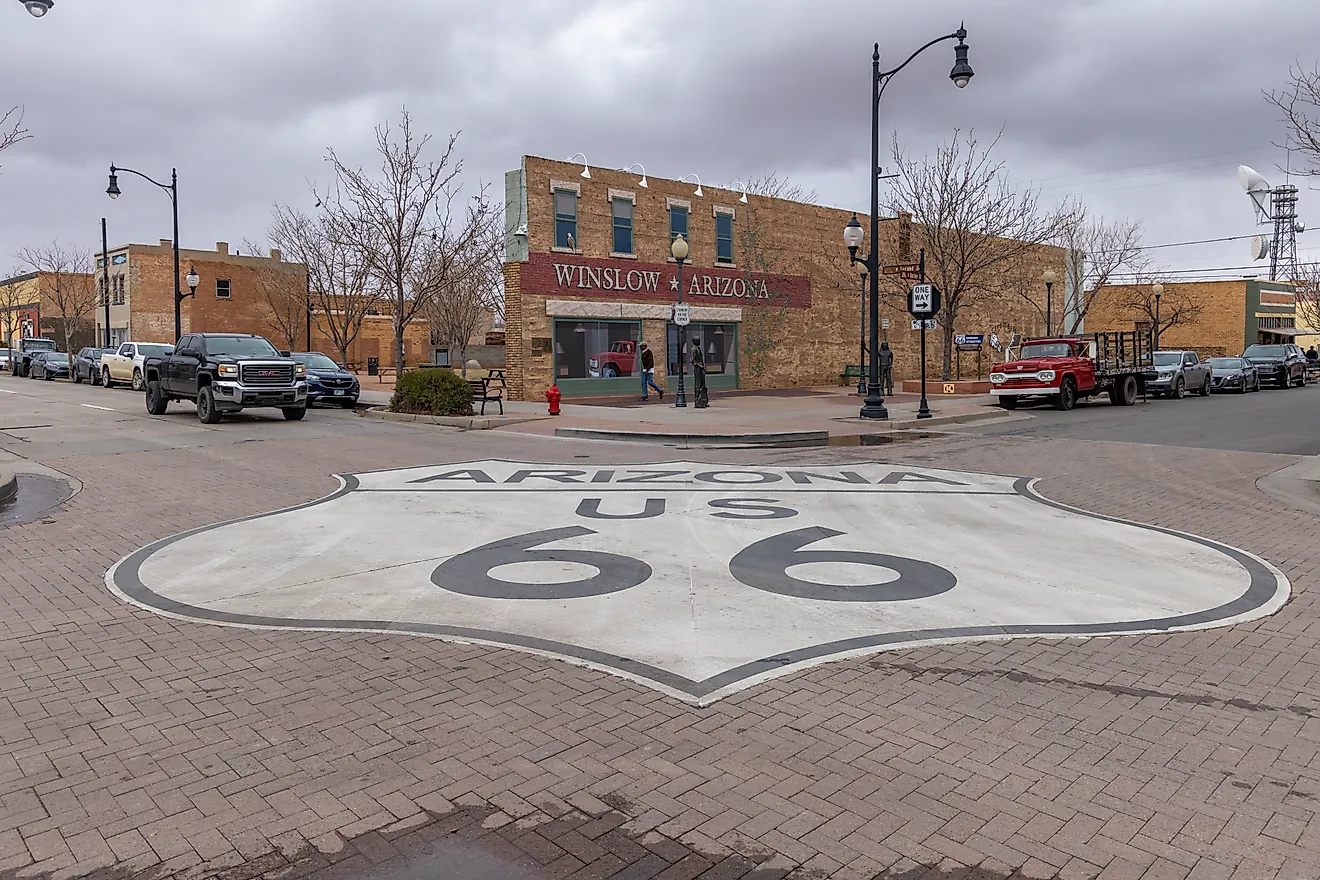
Williams' downtown is the most committed Route 66 experience on the entire Mother Road. The town held out against the interstate until 1984, and today six blocks of downtown are preserved as a Route 66 experience with neon-lit motor lodges, vintage diners, classic car cruises, and memorabilia shops selling everything from road signs to custom leather jackets. The Grand Canyon Railway departs daily from the restored downtown depot on vintage passenger cars, and Bearizona Wildlife Park on the edge of town offers drive-through wildlife viewing. Williams sits at 6,800 feet in ponderosa pine country, giving it genuinely cool summer evenings that most of Arizona doesn't have.
Covington, Kentucky

Covington has built its downtown identity around food. The city sits directly across the Ohio River from Cincinnati via the 1866 John A. Roebling Suspension Bridge (a prototype for the Brooklyn Bridge), giving walkers easy pedestrian access between both downtowns. The Mainstrasse Village neighbourhood, settled by German immigrants in the 19th century, preserves European-style streetscape and a strong Oktoberfest tradition at the Carroll Chimes Bell Tower. The Covington Restaurant Pass has become the standard way to experience the downtown's independent restaurant scene, which ranges from Southern comfort food to upscale contemporary kitchens. Nightlife clusters in a compact walkable district, making Covington one of the better small-city downtowns for a Friday or Saturday evening.
Deadwood, South Dakota

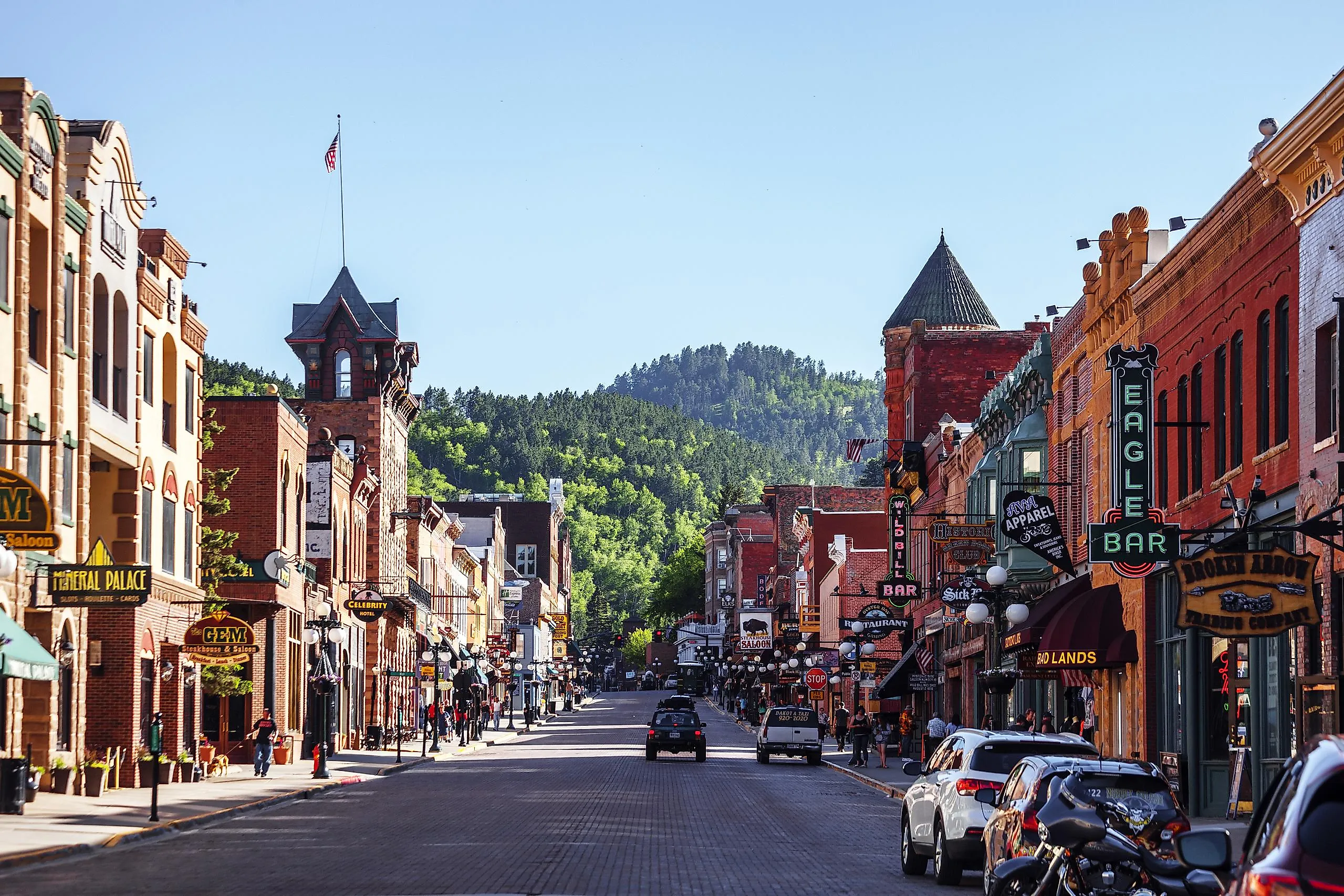
Deadwood's downtown feels like a working film set because in many ways it operates as one. The entire downtown is a National Historic Landmark, and casino revenues have funded extensive preservation since gambling was legalized in 1989. Main Street still has its 19th-century saloon, brothel, and gambling hall architecture, and the streets host live daily reenactments of the Wild Bill Hickok shooting and other gunfight scenarios through the summer season. Shopping leans toward Western wear, leather, art, and western-themed souvenirs. The No. 10 Saloon (where Hickok was killed in 1876) still operates, along with dozens of other gambling halls, bars, and restaurants. The downtown scale is walkable, with most attractions on a single long block.
Montpelier, Vermont

Montpelier's downtown has an independent character that the nation's least populous state capital earns honestly. State Street and Main Street are lined with active indie bookstores (including the longstanding Bear Pond Books), farm-to-table restaurants, bakeries, and locally owned specialty shops. The Hunger Mountain Co-op anchors the local-food scene. The city has no McDonald's within its limits (the only U.S. state capital that can make that claim), and the walkable downtown stays genuinely local rather than chain-dominated. The gold-domed 1859 Vermont State House sits directly on State Street and is free to tour. The surrounding Green Mountains make the downtown look particularly striking during fall foliage season.
What Makes a Great Downtown
The nine downtowns on this list all share a handful of traits that make them genuinely good to walk: a compact walkable scale, independent businesses rather than chain dominance, a mix of shopping, dining, and cultural venues within a few blocks, and an active evening scene that keeps the streets alive past dinner hours. Carmel and Montpelier lean into artist and local-food culture. Deadwood and Williams lean into historic entertainment. Bar Harbor and Fernandina Beach combine preserved architecture with strong seafood restaurant scenes. Each one rewards parking the car and setting out on foot with no particular plan.