These Towns in the Ozarks Have The Best Main Streets
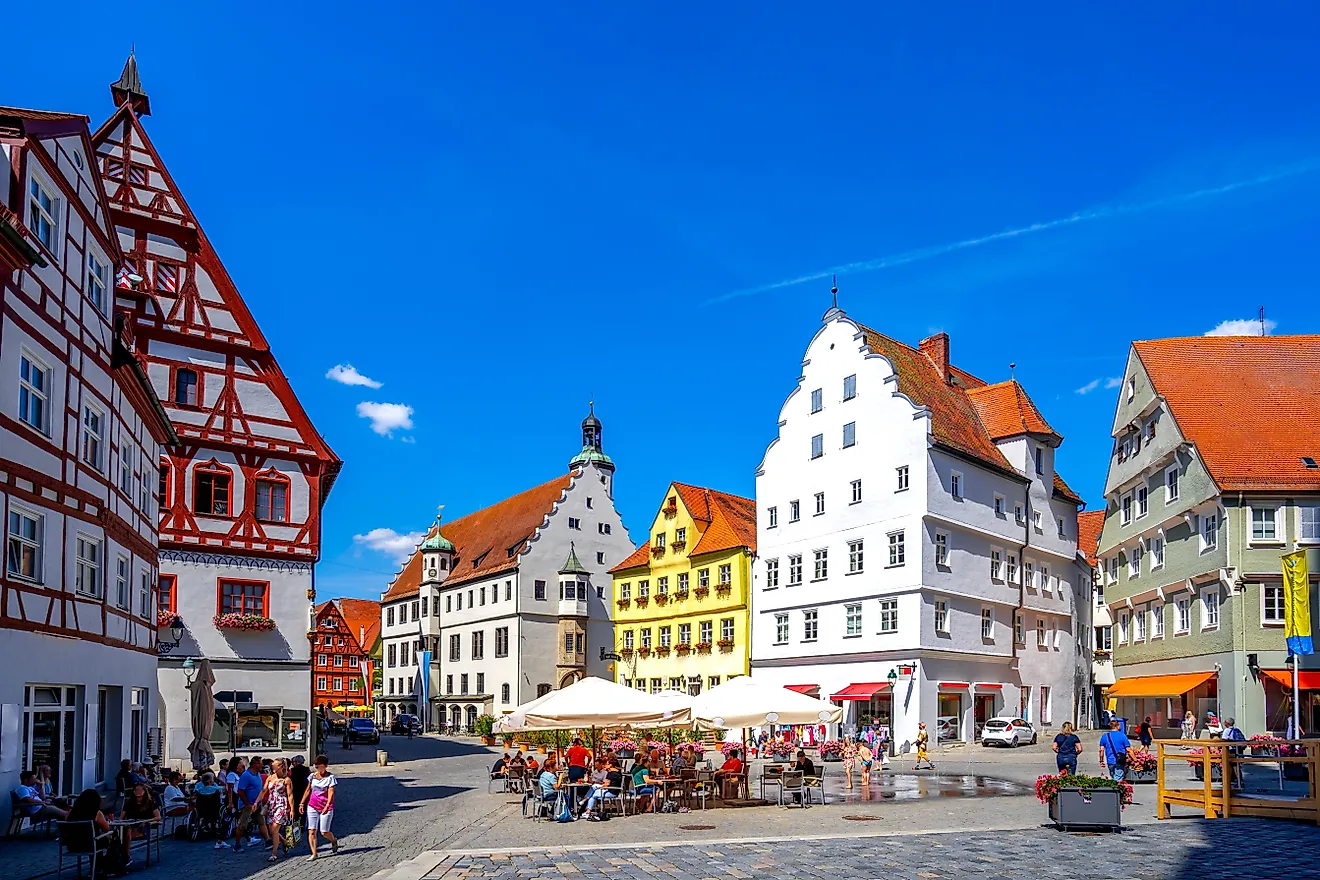
The Ozarks pull off something specific. Their best main streets sit a block or two off a state highway. You can park once and walk between coffee shops, antique stalls, and a venue hosting live music by nine. The region runs through Missouri and Arkansas with edges into Kansas and Oklahoma. Each town below picks up that pattern in a different key. The Battle of Carthage anchors one downtown while folk music carries another.
Eureka Springs, Arkansas

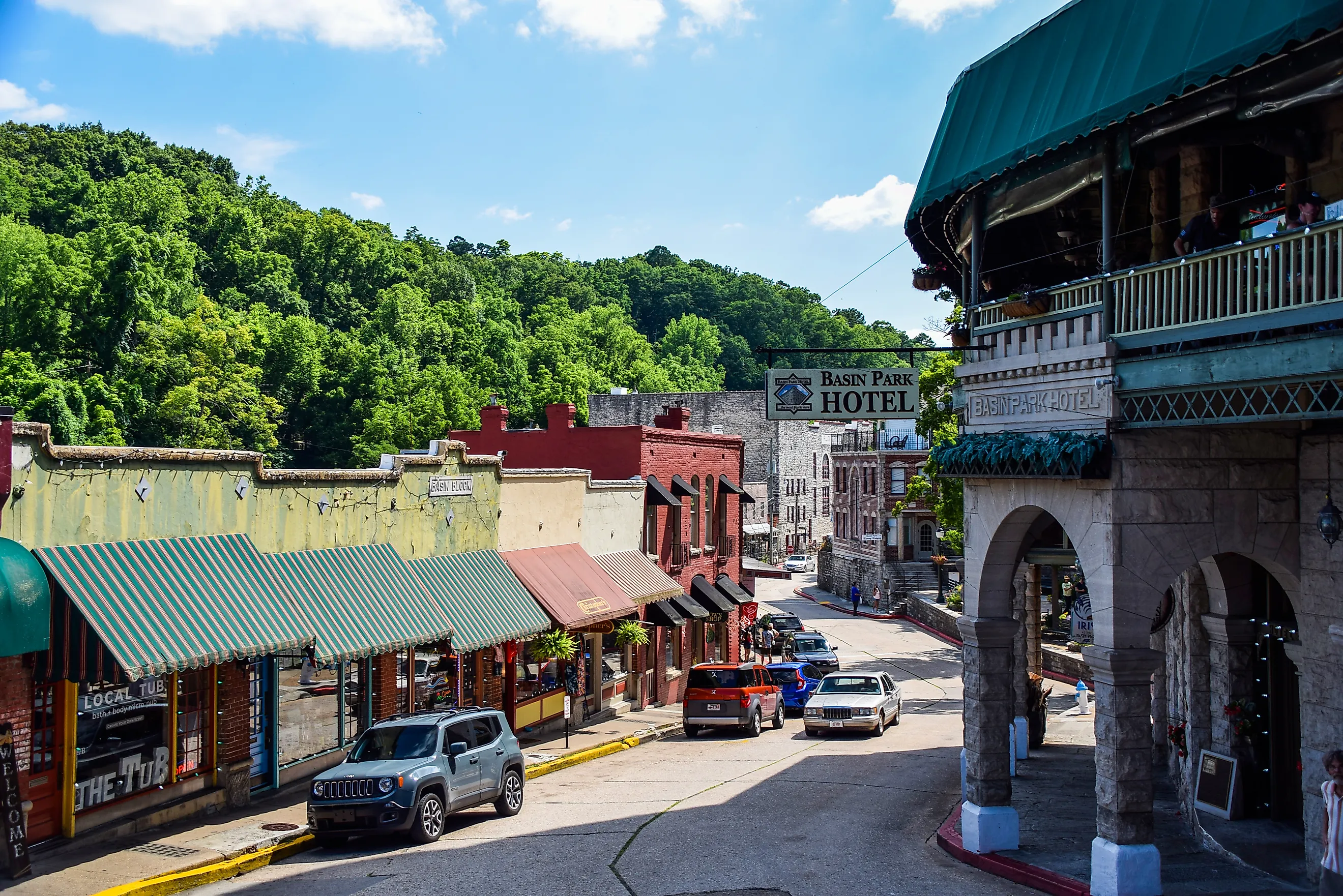
Eureka Springs gets its name honestly. The town has more than sixty natural springs scattered through it, and the most accessible one sits in Basin Spring Park where Main Street widens into a stage for live music several nights a week. The street climbs and twists with the limestone hills, which is why every shopfront has a different ground-floor height than its neighbor next door. Haunted Eureka Springs runs ghost tours that drop into a long underground tunnel beneath Main Street, and the Eureka Springs Historical Museum sits a couple of blocks up the hill. Try Local Flavor Cafe for lunch. After dark the street fills with people walking between the venues, the bars, and the springs. Beaver Lake and Lake Leatherwood sit a short drive out of town for boating, swimming, or fishing.
Branson, Missouri

Branson's Main Street ends at the Branson Scenic Railway depot, where vintage passenger cars roll out on a track that winds through the Ozark foothills. The street itself runs antique stores, boutiques, and cafes between the depot and North Beach Park, a waterfront strip along Lake Taneycomo. Walk out the south end and Table Rock Lake opens up for fishing, swimming, or pontoon afternoons. The Lakeside Forest Wilderness Area is a couple of miles inland with trails to a small waterfall. Silver Dollar City sits beyond that. The 1880s-themed park has roller coasters, craftspeople demonstrating glassblowing and woodturning, and a concert calendar that runs most of the year.
Mountain View, Arkansas

Mountain View advertises itself as the Folk Music Capital of the World, and the claim holds up on summer evenings when courthouse-square pickers, fiddlers, and dulcimer players spill across Main Street. Ozark Folk Center State Park hosts the more programmed version April through October with daily craft demonstrations and evening concerts of southern mountain music. Rainbow Antique Mall anchors one end of Main Street, and the local restaurants run heavy on barbecue and pie. Outside town the White River draws fly-fishers chasing trout, since the spring-fed water keeps temperatures cold all summer. Hell Creek Natural Area is a twenty-minute drive south, named for the Hell Creek Cave crayfish (a federally endangered species) and the gray myotis bat that roosts in the cave system.
Eureka, Missouri

Eureka sits at the northeastern edge of the Ozarks about thirty miles west of St. Louis, which is why locals call it the Gateway to the Missouri Ozarks. The historic downtown puts on the Eureka Scarecrow Festival every October when Central Avenue and Williams Street fill with hand-built scarecrows and a parade. Route 66 State Park sits at the south edge of town with a visitor center built into the old Bridgehead Inn, hiking and biking trails along the Meramec River, and largemouth bass fishing. The Endangered Wolf Center keeps a working population of Mexican gray wolves, red wolves, and other species in low-traffic enclosures and runs night tours during pup season. The downtown coffee shops fill up early on Saturdays.
Lebanon, Missouri

Lebanon's downtown sits a few minutes off Interstate 44 along the original Route 66 alignment, and the free Route 66 Museum inside the Laclede County Library makes that history walkable. The antique stores and the Lebanon Art Guild Studio cluster within a couple of blocks of each other, with Mel's on Madison serving the BBQ end of the lunch options. The town has eight municipal parks. Atchley Park has a disc-golf course and a paved walking loop. Bennett Spring State Park sits thirteen miles west of town. It is one of the original four Missouri state parks established in 1924, with a hatchery-stocked trout stream that runs cold even in August.
Neosho, Missouri

The name Neosho comes from an Osage word meaning clear water, and the springs that fed that name still flow through the heart of town. Big Spring Park sits one block off the courthouse square with one of those springs running through it. The square itself has more than a dozen buildings on the National Register of Historic Places, and the cafes along the north side fill at lunch. Neosho National Fish Hatchery is the oldest federal hatchery in continuous operation in the country, established in 1888, raising rainbow trout for federal stocking programs along with endangered Ozark cavefish and pallid sturgeon. The Bicentennial Conservation Area on the south side of town occupies part of the former Camp Crowder Army Base, a World War II training ground for over 100,000 soldiers, now restored to mixed forest with hiking, biking, and horseback trails.
Van Buren, Arkansas

Van Buren's Main Street runs six straight blocks of pre-1900 brick storefronts above the Arkansas River, where antique shops like Attic Treasure sit pressed between coffee bars and restaurants. Pointer Brewery serves Korean food alongside its taps, a combination that works better than it sounds. Lee Creek Park is a short walk from the historic downtown for fishing the Arkansas, putting in a kayak, or watching freight trains rumble across the railroad bridge. Lee Creek Reservoir Recreation Area sits a few miles farther out with hiking trails of varied difficulty and views back over the river valley. The town hosts Old Timers' Day every June with a Main Street parade and a country music lineup at the Bob Burns Park amphitheater.
West Plains, Missouri

West Plains sits on the southern flank of the Missouri Ozarks. Its downtown square holds 10/40 Coffee for house-roasted beans, Ozark Pizza and Bread Co for sourdough crusts, and the Harlin Museum for regional art and history within a single block. Galloway Creek Nature Park covers 40 acres a mile north of downtown with paved paths along the creek. Tingler Prairie Natural Area protects a remnant prairie ecosystem south of town near the South Fork Spring River. Music drives the calendar twice a year, with bluegrass festivals at the Heart of the Ozarks Bluegrass Park each June and September.
Carthage, Missouri

Carthage's downtown anchors around the Jasper County Courthouse, a Romanesque limestone monument finished in 1894 and visible from every direction across the square. More than 600 surrounding buildings made the National Register of Historic Places as part of the city's residential and commercial historic districts. The Pie Safe runs lunch and pie on the south side of the square. A few minutes east, the Battle of Carthage State Historic Site marks the July 5, 1861 engagement that became one of the first significant land battles of the American Civil War. Missouri State Guard troops under Sterling Price faced Union forces commanded by Franz Sigel several weeks before First Bull Run. Kellogg Lake Park north of town offers paddling and walking trails.
The Main Streets of the Ozarks
Each town above leans on a different anchor. Carthage has Civil War history. Mountain View has folk music. Lebanon has Route 66. What they share is a downtown layout that puts coffee, antiques, music, and a hatchery or park within walking distance of the courthouse square. Plan around a weekend when one of the festivals lines up, and your evening fills before you even arrive.