These Towns In France Have The Best Main Streets
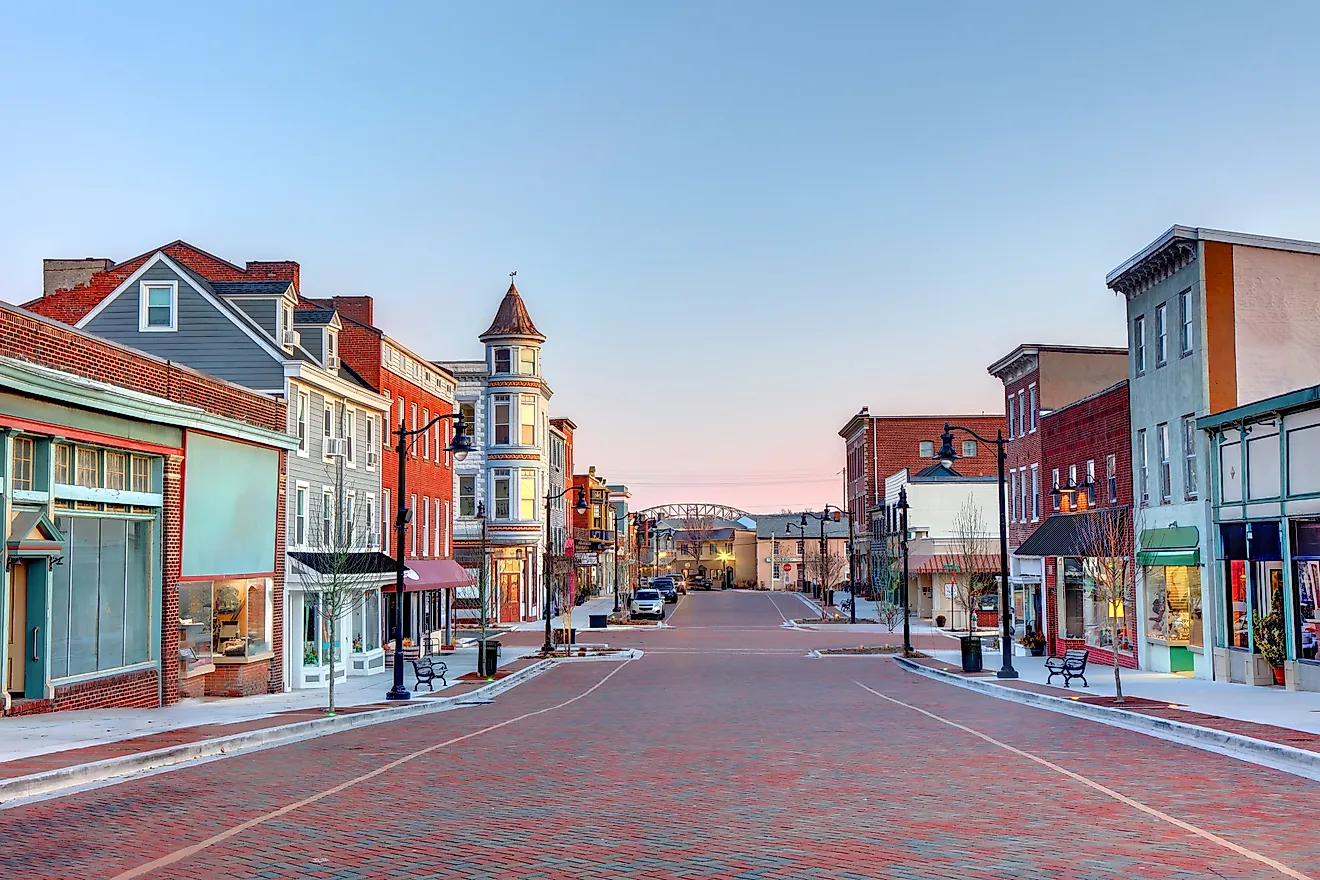
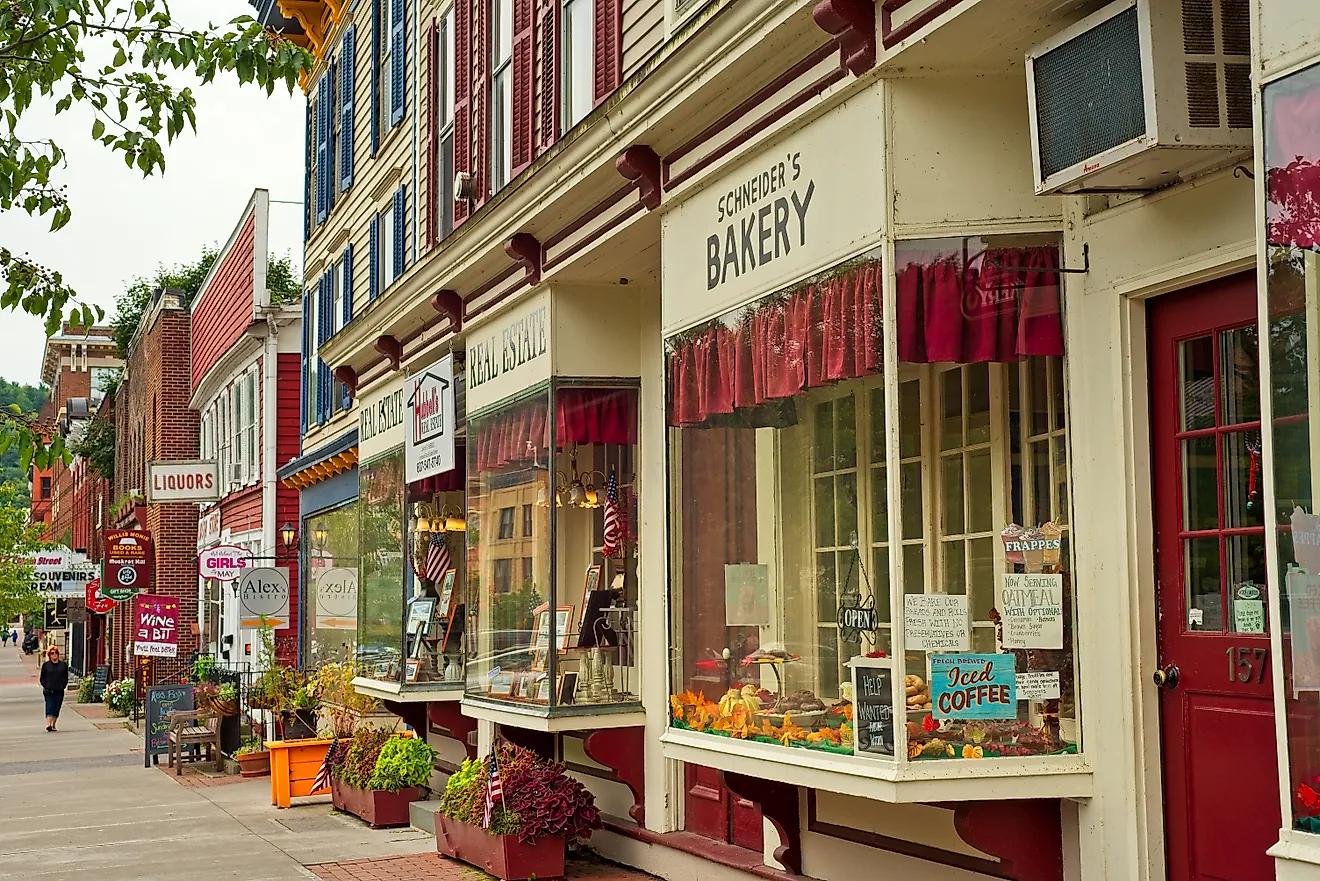
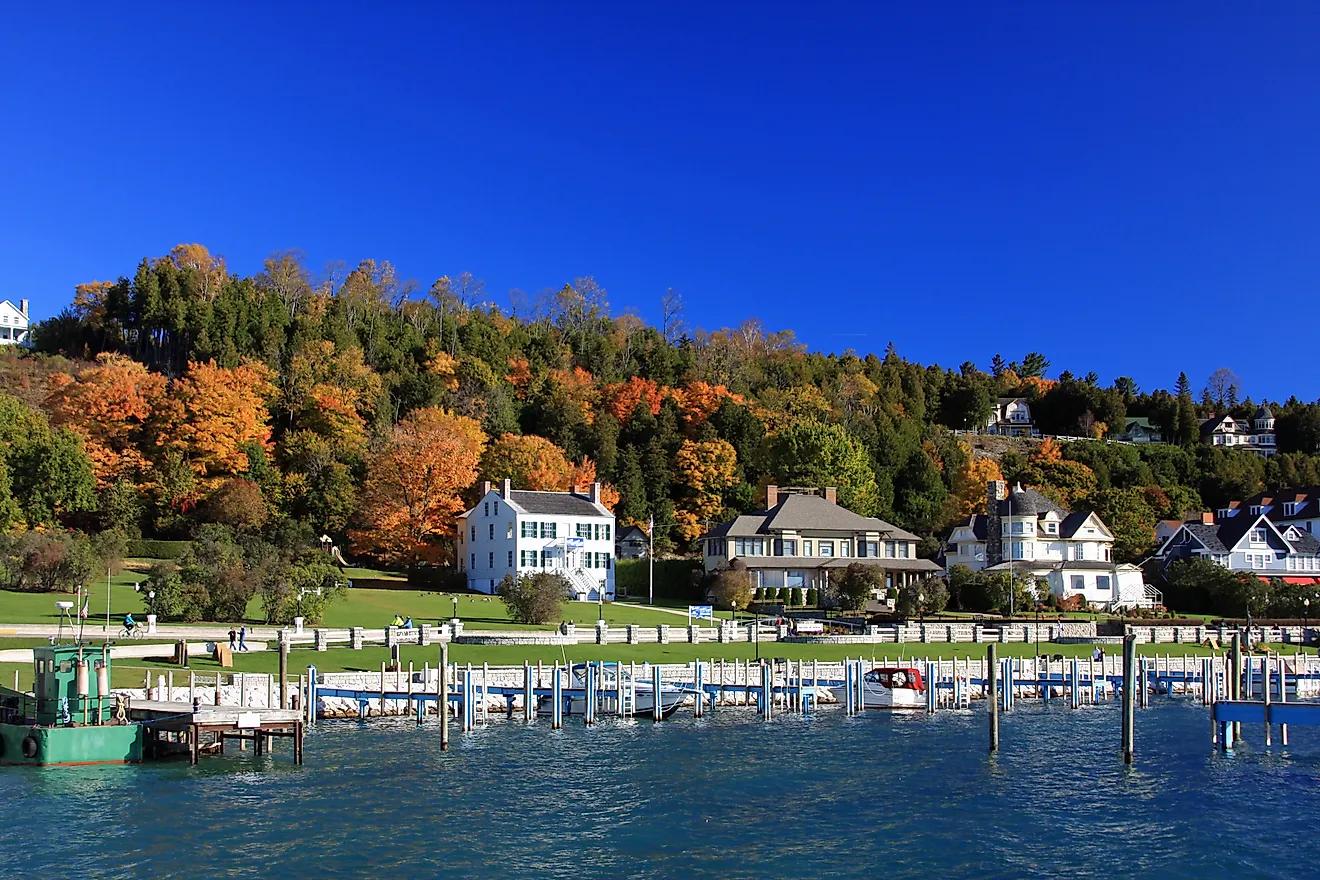
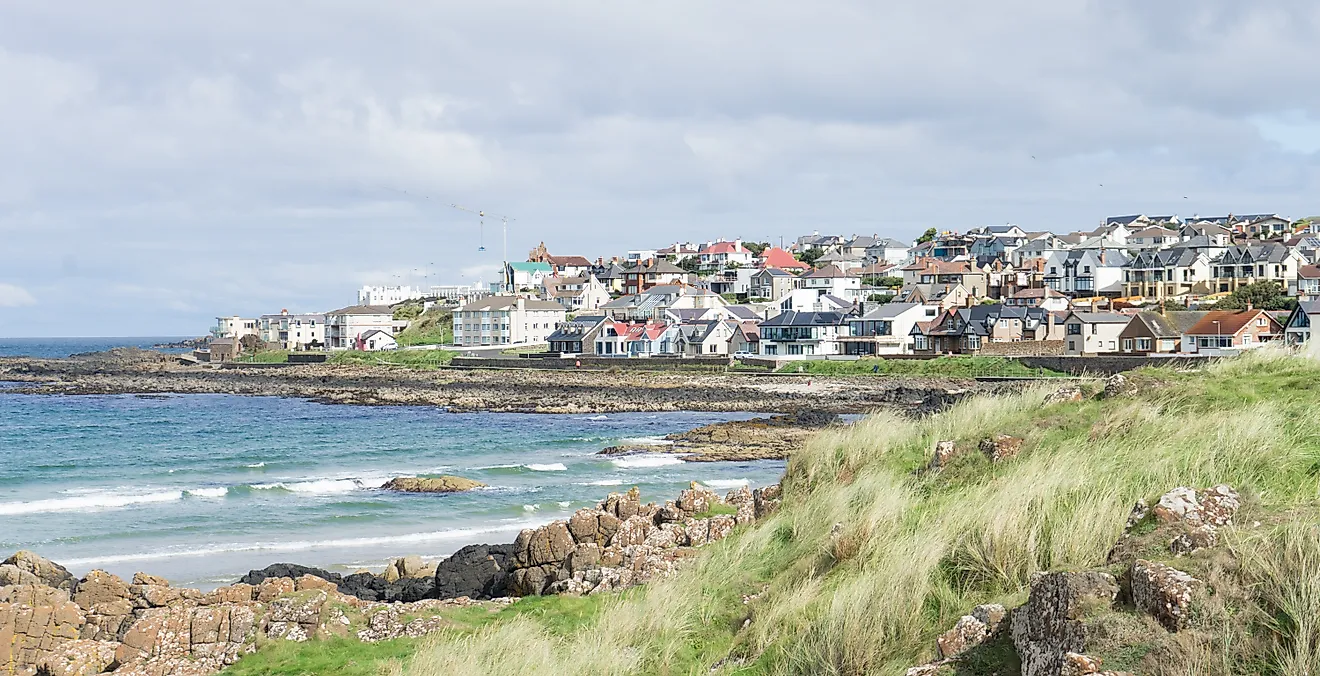
France draws more international visitors than any other country at around 100 million annually, with most concentrating on Paris and a handful of larger cities. The country's smaller towns hold the more interesting regional identities. The main streets ahead are working high streets in seven different regions. Each is shaped by the trade or harvest tradition that built it. Honfleur runs on a Norman fishing harbour while Riquewihr sits in the Alsatian vineyards along the German border. Together the seven offer a different cross-section of French regional life than Paris does.
Honfleur

Located in France's Normandy region about a 30-minute drive from Le Havre, Honfleur boasts one of the most photographed working harbours in the country. The town's main street, Rue de la République, is lined with timber-framed houses dating to the 16th and 17th centuries. Many now hold art galleries, boutique shops, and bakeries including Boulangerie Éric Kayser. A few blocks off the main street stands Église Sainte-Catherine, the largest wooden church in France, built in the 1400s by local shipwrights and still dominating the town's skyline and harbour area.
Honfleur's main street comes alive during the annual Fête des Marins around Pentecost, when the town celebrates its maritime heritage with a blessing of the fleet. Another nearby attraction is the Musée Eugène Boudin, named after the local painter who tutored a young Claude Monet and helped trigger the Impressionist movement. The museum sits a short stroll from Rue de la République.
Èze

Èze sits perched high above the French Riviera less than 20 kilometres from Nice. The medieval town is best known for its cobblestone main street, Rue Principale, which winds through the heart of the town past original buildings dating from the 12th century. The route runs steeply uphill but rewards the climb with the Jardin Exotique at the summit, a clifftop garden of cacti and succulents at 429 metres above sea level with views over the Mediterranean. The same views run from some of the best hotels in Èze, including the Hôtel Château de La Chèvre d'Or and Château Eza.
The Fragonard Perfume Factory is worth including in any Èze itinerary. The factory offers guided tours, and the on-site shop sells locally produced fragrances. Visitors arriving in May can catch the Fête de Mai, a spring celebration of Provençal culture with music, traditional dancing, and food stands along the main street.
Riquewihr

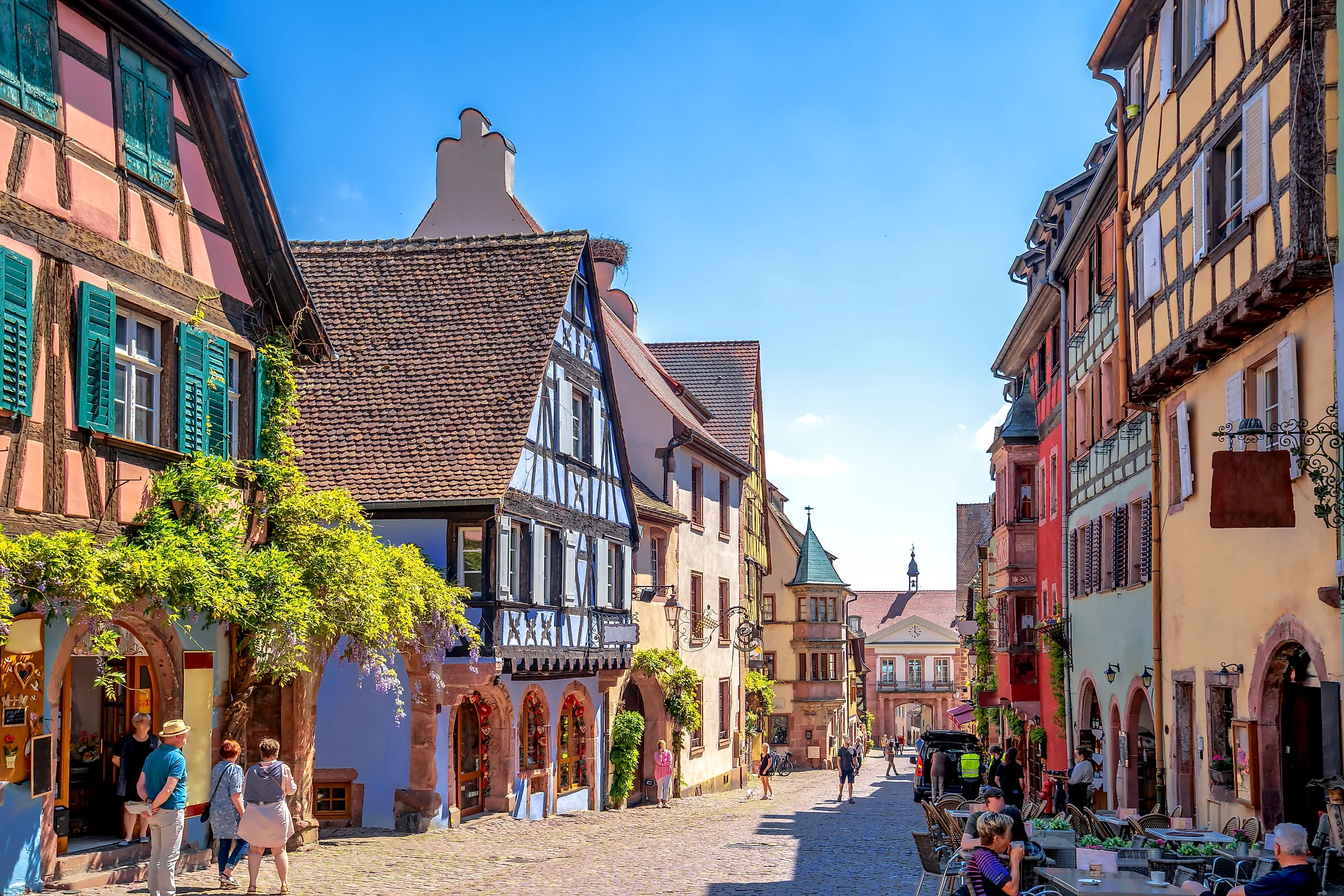
Located in the Alsace region near the borders with Germany and Switzerland, Riquewihr survived World War II almost entirely intact and now holds one of the best collections of medieval architecture along the Alsace Wine Route. The main street, Rue du Général de Gaulle, runs the full length of the historic core with half-timbered houses from the 15th to 17th centuries painted in pinks, yellows, and pale blues. Many now hold shops selling local wines, regional foods, and crafts.
One of the major attractions along the street is the Dolder Tower, a 25-metre defensive tower built in 1291. The tower now houses the Musée du Dolder with displays on local history. Riquewihr's main street stays full during the Alsace Wine Route's regional festivals throughout summer, which draw wine enthusiasts from across Europe to taste Riesling, Gewürztraminer, and Pinot Gris from local vineyards.
Saint-Rémy-de-Provence

Located in the Provence region and a short drive from Avignon, Saint-Rémy-de-Provence has a walkable main street known as Boulevard Mirabeau lined with traditional Provençal buildings. The town's Wednesday market is the highlight of the week, taking over the centre with vendors selling local produce, olive oil, crafts, and antiques. At the heart of the old town sits the Hôtel de Sade, a Renaissance mansion that now functions as a museum holding finds from the nearby Roman site of Glanum. Vincent van Gogh painted some of his most famous works during his year-long stay at the Saint-Paul-de-Mausole asylum just outside the town in 1889 and 1890.
Saint-Rémy also hosts the Fête de la Transhumance around Pentecost Monday, marking the seasonal movement of sheep herds to summer pastures with a procession of thousands of animals through the streets. The town's location at the foot of the Alpilles mountain range makes it a base for hikers and cyclists exploring the surrounding limestone hills.
Sarlat-la-Canéda

Sarlat-la-Canéda, in the Dordogne region about a two-hour drive from Bordeaux, has one of the best-preserved medieval cores in France. The main street, Rue de la République (locally nicknamed La Traverse), cuts through the centre with honey-coloured limestone buildings dating to the 14th century. The Saint-Sacerdos Cathedral, with its 12th-century origins and later Gothic additions, anchors the town and provides a backdrop to the bustling market squares.
Saturday is the main market day, when Place de la Liberté fills with vendors selling local foie gras, duck confit, walnuts, and Périgord black truffles. Sarlat is also famous for its annual Truffle Festival in mid-January, which draws chefs and food enthusiasts from across France and turns the central streets into one of the country's most serious culinary events.
Bayeux

About a 30-minute drive from Caen, Bayeux is a small Normandy town with significant national historic weight. The main pedestrian street, Rue Saint-Jean, runs through the centre and features well-preserved medieval and early-modern buildings. At the eastern end stands Bayeux Cathedral (Cathédrale Notre-Dame de Bayeux), consecrated in 1077 in the presence of William the Conqueror. English-language guided tours of the cathedral run regularly.
A block away is the Bayeux Tapestry Museum (Musée de la Tapisserie de Bayeux), which holds the famous 70-metre embroidered linen depicting the Norman Conquest of England that began with the Battle of Hastings in 1066. The town also stages the Fêtes Médiévales each summer with parades, reenactments, and period-costumed vendors. Bayeux sits close to the D-Day beaches and the Bayeux War Cemetery, a near-required stop for visitors interested in World War II history.
Amboise

In the heart of the Loire Valley about 30 kilometres east of Tours, Amboise mixes royal history with modern town life. The main street, Rue Nationale, runs from the river toward the château and holds shops selling local wines, the regional goat cheese Sainte-Maure-de-Touraine, and souvenirs. The Bigot confectionery has run on the corner of Rue Nationale and the Place du Château since 1913.
The town's top attraction is the Château d'Amboise, the royal residence dating to the 15th century where King Charles VIII was born and where Leonardo da Vinci is buried in the adjoining Saint-Hubert chapel. The château sits high above the Loire River with terrace views over the valley. Da Vinci spent his last three years at the Clos Lucé manor a short walk from the château, now a museum showing reconstructions of his inventions. Visitors arriving in July or August can catch Château d'Amboise's "Prophecy of Amboise" night spectacle, which projects sound and light effects onto the castle walls.
The Pulse Of Provincial France
The seven main streets above each grew out of a specific regional condition, whether a working harbour, a vineyard, a pilgrimage route, or a royal court. None of them are open-air museums. Honfleur still lands fish, Riquewihr still ships wine, and Sarlat still runs one of the most serious markets in southwestern France. Travellers looking past the standard Paris circuit get a more honest read of the country's regional variety on these seven streets than they do anywhere else.