The Rockies Best Small Towns For A Weekend Escape
A Friday-to-Monday in the Rockies takes a different shape in each of these ten towns. Banff sits inside Canada's oldest national park with the Fairmont Banff Springs hotel running above the river since 1888. Jasper, recovering from the July 2024 wildfire that took 358 of its 1,113 structures, still has Athabasca Falls, Miette Hot Springs, and the surviving Jasper Park Lodge. Estes Park anchors the eastern entrance to Rocky Mountain National Park with the Stanley Hotel above town. Crested Butte and Telluride hold the Victorian mining-town streetscapes most of Colorado has lost. The ten ahead each earn the slot on a specific landmark or piece of national-park access, not a generic mountain backdrop.
Jasper, Alberta

Jasper sits inside Jasper National Park, the largest national park in the Canadian Rockies. The July 2024 wildfire destroyed 358 of the town's 1,113 structures (about 32%), with the most severe damage concentrated in west Jasper. Recovery is ongoing and visitors should check current conditions for accommodations, businesses, and attractions before planning a trip. The Fairmont Jasper Park Lodge on the shores of Lac Beauvert survived the fire and continues to operate.
Athabasca Falls remains a marquee day-trip stop south of town. The Athabasca River drops through a narrow canyon at the falls with viewing platforms and a short walking trail. Miette Hot Springs sits east of town and holds the hottest mineral springs in the Canadian Rockies, with source waters near 54°C cooled to a soak-friendly temperature in the pools. The Jasper SkyTram on Whistlers Mountain runs to 2,277 meters above sea level and remains the highest aerial tramway in Canada.
Golden, British Columbia

Golden sits in the Columbia Valley at the confluence of the Columbia and Kicking Horse rivers, with the Canadian Rockies on one side and the Columbia Mountains on the other. The town was established in the late 19th century during construction of the Canadian Pacific Railway and the railway history still shows up around town.
The major nearby draw is Yoho National Park, which holds Takakkaw Falls (among the highest in Canada at 384 meters) and the Natural Bridge rock formation along the Kicking Horse River. The Northern Lights Wildlife Wolf Centre handles wolf conservation and education with guided programs. The Golden & District Museum covers the town's railroad past, the early settler period, and local industries. Emerald Lake Lodge inside Yoho is the known lodging option for a full Rockies-base weekend.
Crested Butte, Colorado

Crested Butte is the rare Colorado mountain town that has kept its 19th-century mining-era street grid and most of the Victorian wooden facades intact. The town began as a coal and silver community and reinvented itself as a ski and outdoor town through the second half of the 20th century. The historic district remains the visual centerpiece, and the entire town is a National Historic District.
The Crested Butte Mountain Heritage Museum on Elk Avenue covers the transition from mining hub to ski destination with regional artifacts and exhibits. Gunnison National Forest spreads over a million acres around the town with hiking trails, alpine meadows, and wildflower seasons that put Crested Butte's "Wildflower Capital of Colorado" claim on solid ground. Black Canyon of the Gunnison National Park is about an hour's drive west and adds dark-rock canyon walls dropping 2,000 feet to the riverbed.
Jackson, Wyoming

Jackson sits in the Jackson Hole valley with the Teton Range rising on the western side and the Gros Ventre Range on the east. The town was established in the late 19th century as a frontier supply post and has reinvented itself multiple times since, most recently as one of the country's higher-profile outdoor-adventure base camps.
Grand Teton National Park sits directly north of town and holds the Teton peaks, alpine lakes, and the wildlife population that draws photographers year-round. The National Elk Refuge was established in 1912 specifically to protect winter habitat for the regional elk herd and offers winter sleigh rides for visitors to see herds at close range. The Jackson Hole Historical Society and Museum on Glenwood Street covers the broader history of the valley and the surrounding greater Yellowstone region.
Whitefish, Montana

Whitefish sits along the western edge of Glacier National Park with Whitefish Lake at the town's doorstep. The town was established as a Great Northern Railway hub in the early 20th century and has moved into a working outdoor-tourism economy without losing the Main Street feel.
Whitefish Lake State Park handles the boating, fishing, and picnicking end of a visit on the lake's south shore. Flathead National Forest covers over two million acres of surrounding land with hiking, biking, and horseback trails through forested valleys and alpine meadows. The Stumptown Historical Museum near downtown handles the railroad-era and logging-era town history. Glacier National Park itself is about 25 minutes east and remains the main draw on a multi-day visit.
Banff, Alberta

Banff sits inside Banff National Park, the first national park established in Canada (1885) and the third in the world overall. The town has worked as a resort destination since the railway-era hot-springs boom of the late 19th century, and the 1888 Fairmont Banff Springs hotel still operates above the river as the period anchor.
The Banff Gondola climbs Sulphur Mountain for panoramic views of the surrounding peaks and the Bow Valley. Cave and Basin National Historic Site marks the actual hot springs that triggered the park's creation and tells the parks-system origin story through exhibits. Johnston Canyon north of town is the most-walked short hike in the area with boardwalks running up a narrow canyon to multiple waterfalls.
Revelstoke, British Columbia

Revelstoke sits in the Columbia Mountains where the Columbia River bends through deep valleys. The town's economic story tracks the Canadian Pacific Railway and the late-19th-century railway construction boom around Rogers Pass, where the "last spike" of the CPR was driven in November 1885 about 45 minutes west of town.
Mount Revelstoke National Park rises directly above town with the Meadows in the Sky Parkway running through subalpine wildflower meadows at higher elevations. The Revelstoke Railway Museum near the rail yard covers the CPR construction story and the role of the line in regional development. The Giant Cedars Boardwalk handles a shorter walking option through stands of ancient western red cedars on the way up to Mount Revelstoke. Revelstoke Mountain Resort sits at the base of town and runs heavy on ski terrain through winter.
Telluride, Colorado

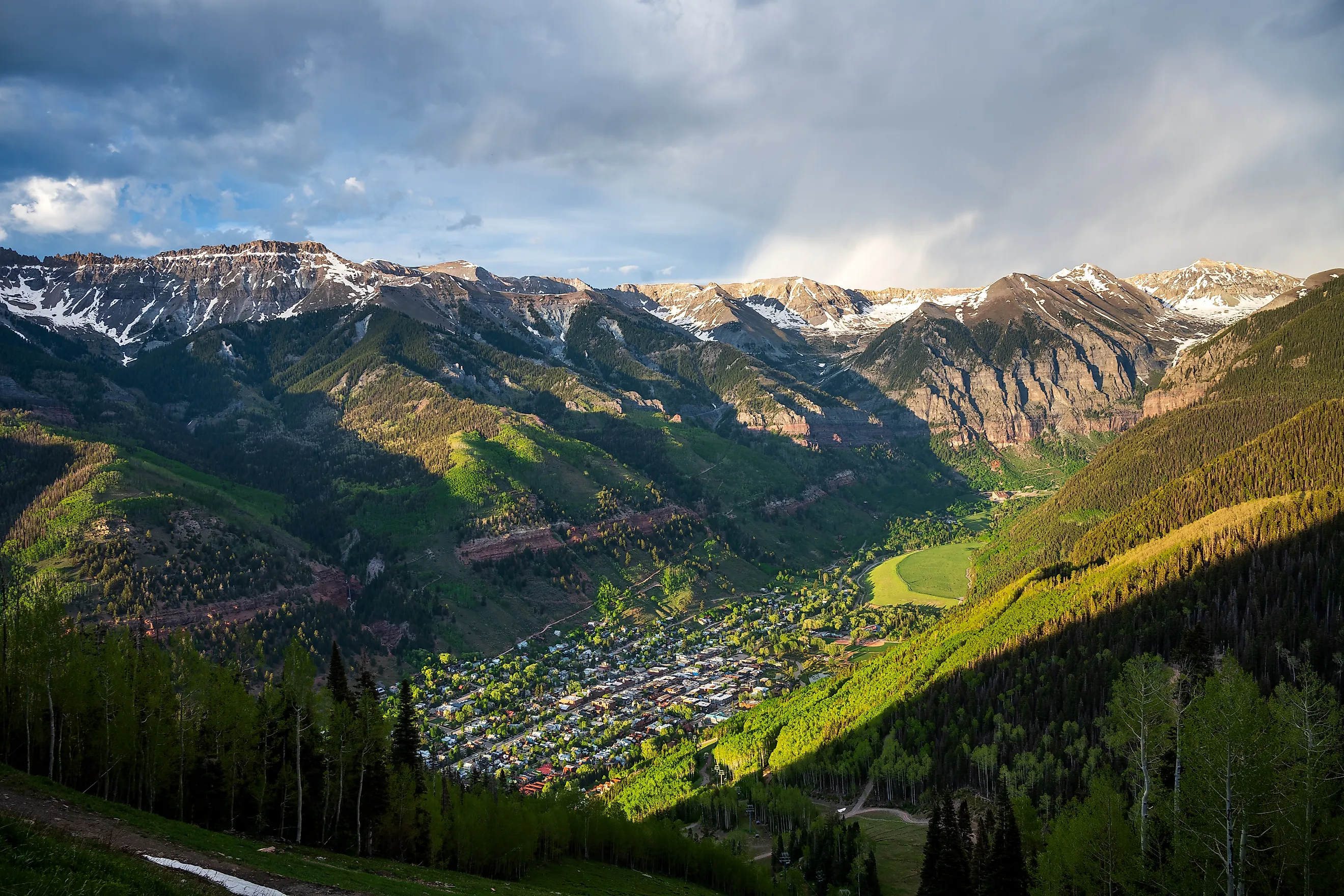
Telluride sits in a box canyon in the San Juan Mountains and ranks among the most dramatic mountain-town locations in the country. The town was established as a gold-mining camp in the late 19th century and the historic commercial district along Colorado Avenue still holds its Victorian-era buildings. The entire town is a National Historic Landmark District.
The Telluride Historical Museum on North Fir Street handles the mining-era heritage and the town's later transition into a ski-resort and festival destination. Bridal Veil Falls at the head of the canyon drops 365 feet and ranks as Colorado's tallest free-falling waterfall, with seasonal hiking and driving access. The San Juan Skyway scenic byway runs a long loop through the surrounding mountains past historic mining towns including Ouray and Silverton.
Kimberley, British Columbia

Kimberley grew up around the Sullivan Mine in the East Kootenay region of British Columbia, which ran as one of the world's largest lead, zinc, and silver mines through most of the 20th century before closing in 2001. The town sits in the Purcell Mountains with the St. Mary River flowing nearby and the Rockies visible on the eastern horizon.
The Kimberley Underground Mining Railway runs guided tours into an old mine adit and covers the operational history of the Sullivan and the local mining-economy patterns. Cominco Gardens, originally established by the mining company, holds a working botanical garden a short walk from downtown. North Star Mountain handles hiking and biking trails on its lower slopes with views back across the valley toward the Rocky Mountain Trench.
Estes Park, Colorado

Estes Park sits at the eastern entrance to Rocky Mountain National Park with the Big Thompson River running through the town center. The town developed in the late 19th century as a resort destination tied to early park-area tourism, and the 1909 Stanley Hotel above town remains the architectural anchor and the inspiration for Stephen King's The Shining.
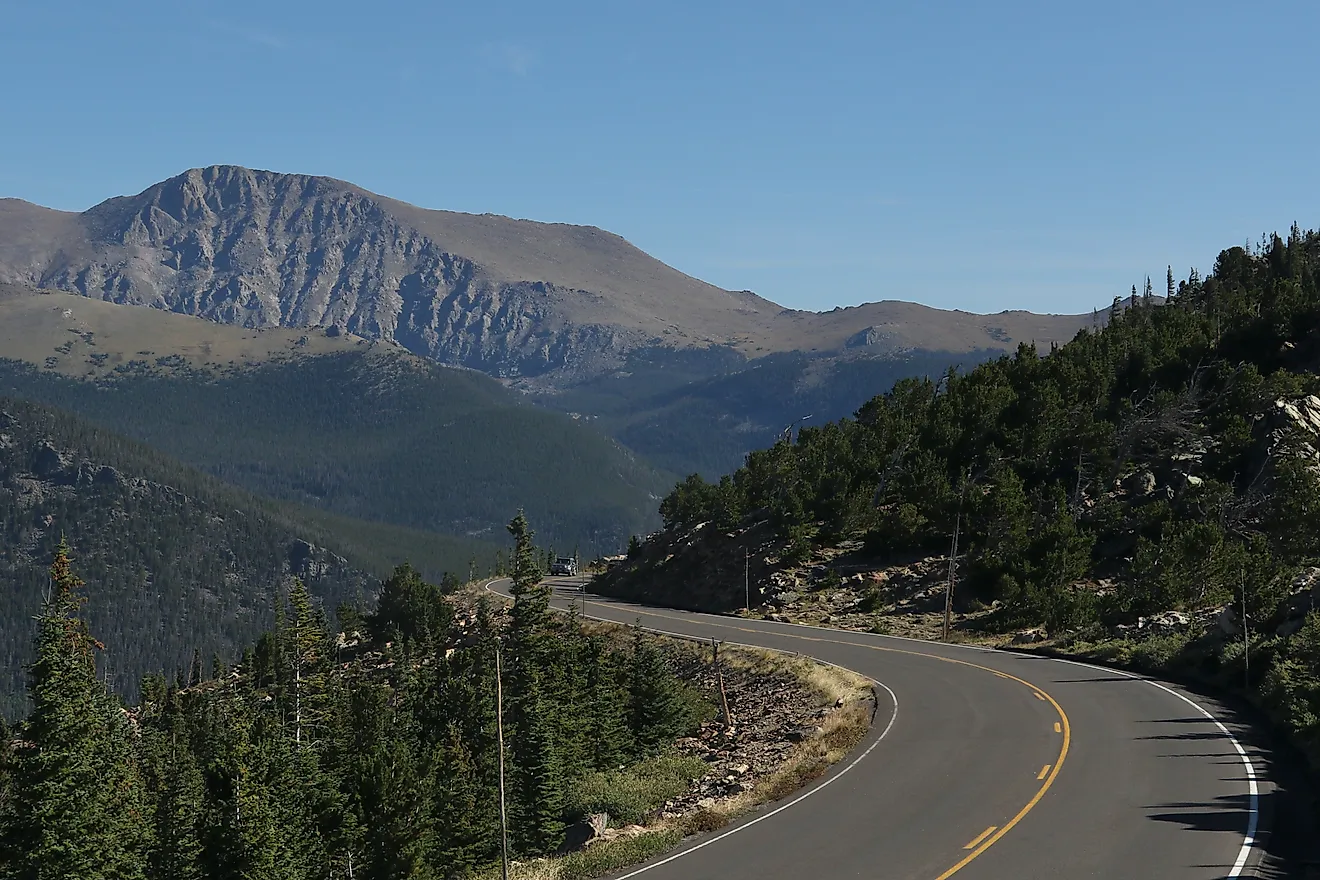
Rocky Mountain National Park covers a long stretch of the Continental Divide with hundreds of miles of trails, alpine lakes, and abundant elk and moose. Trail Ridge Road inside the park is the highest continuous paved road in North America, reaching 12,183 feet at its highest point and open seasonally from late May to mid-October. Bear Lake at the end of its own access road holds a popular alpine-lake hiking circuit suitable for an after-arrival shakedown walk.
Pick Your Weekend
These ten towns cover the Rockies across two countries. Resort-town pacing favors Banff, Jasper (once recovery progresses further), and Whitefish. Victorian streetscape favors Crested Butte and Telluride. Industrial-heritage interest goes to Kimberley and Revelstoke. National-park access favors Estes Park, Jackson, and the Banff-Jasper pair. Each offers enough to fill a Friday-to-Monday window and most reward staying longer.