9 Best Small Towns To Retire In Hawaii
Hilo runs on rainforest microclimate, banyan trees in Liliʻuokalani Gardens, and a working downtown of early 20th-century storefronts along Kamehameha Avenue. Kapaʻa is laid out around an eight-mile coastal path that links beaches at Fuji and Lydgate with the Wailua River corridor. Hanalei sits on Kauaʻi's north shore between taro fields and the Nā Pali ridges with a single main road and a wildlife refuge protecting nēnē and Hawaiian coot. Volcano village holds 4,000 feet of elevation, ʻōhiʻa forests, and direct access to Hawaiʻi Volcanoes National Park. The nine Hawaii small towns ahead each carry a working senior community alongside the specific island setting that defines daily life.
Wailuku (Maui)

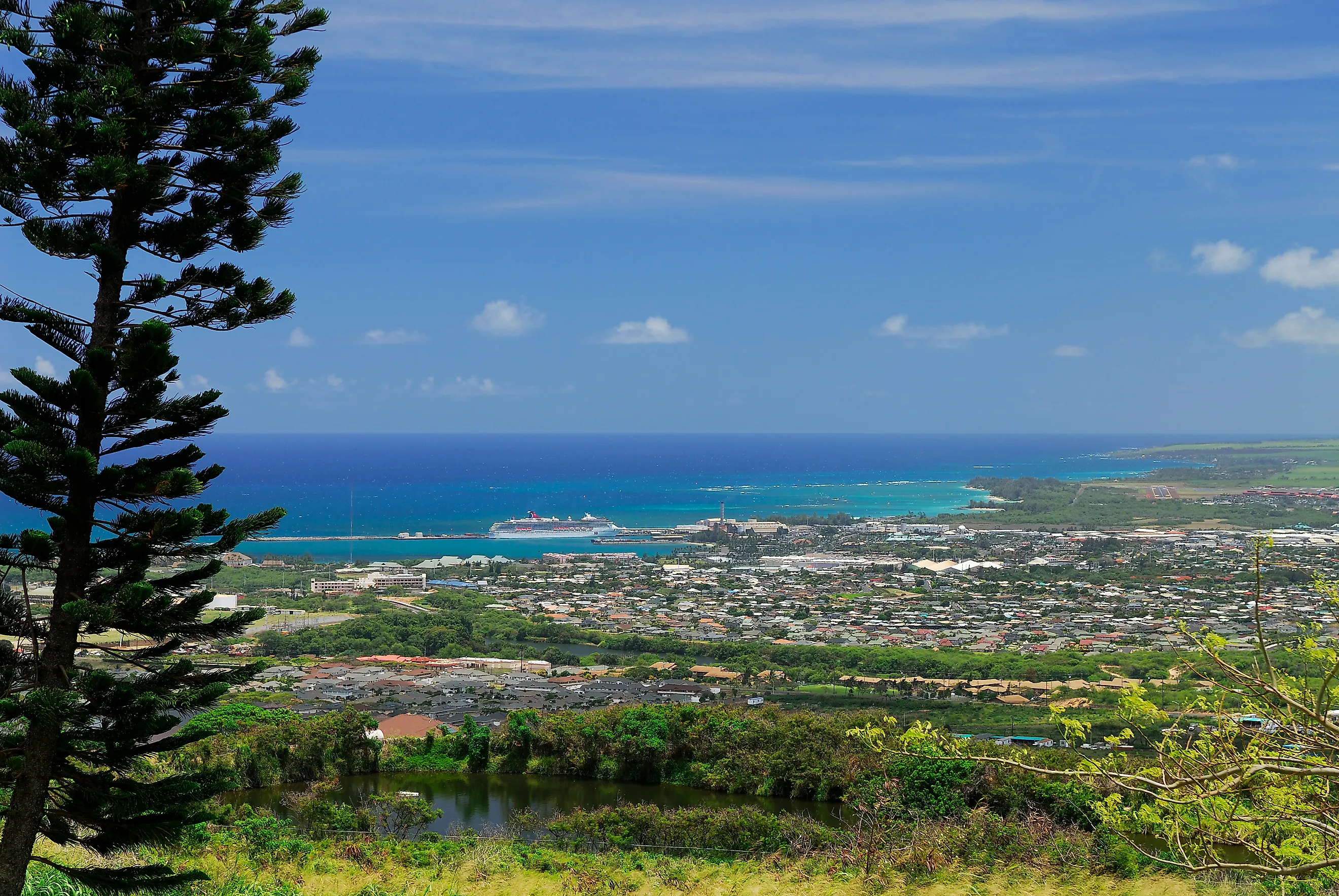
Wailuku serves as Maui's county seat, with healthcare, services, and an active retiree community close at hand. Downtown, the landmark Iao Theater (a 1927 performance venue that still draws community programming) sits alongside cafés like Sam Sato's, which serves dry mein and handmade manju.
A short drive inland, ʻĪao Valley State Monument carries deep significance as a sacred site in Hawaiian culture and as the location of the 1790 Battle of Kepaniwai. The valley features the ʻĪao Needle, a 1,200-foot vegetated rock pinnacle accessible via short paved walking paths that wind through one of Maui's more dramatic landscapes. Wailuku layers cultural depth over everyday convenience.
Hilo (Big Island)

On the windward coast of the Big Island, Hilo offers a rainforest-lined alternative to the resort zones, where retirement runs against a backdrop of waterfalls and the banyan trees in Liliʻuokalani Gardens. The historic downtown along Kamehameha Avenue features early 20th-century storefronts like the Palace Theater, independent shops such as Basically Books, and long-running local favorites like Cafe Pesto, known for its ʻōhiʻa-wood-fired pizzas and waterfront setting.
Beyond downtown, nature stays close at hand. A few miles inland, Rainbow Falls drops about 80 feet into a lava-rock basin that often catches morning light in drifting mist. Nearby Boiling Pots holds a series of tiered pools carved by ancient lava flows. The Hilo Farmers Market serves as a central gathering place, with more than 200 vendors selling tropical fruit, locally grown coffee, orchids, and handmade crafts throughout the week.
Kailua-Kona (Big Island)

On the drier west coast, Kailua-Kona delivers consistent sunshine and direct ocean access, making it one of the more climate-stable retirement options in the state. Life centers around Aliʻi Drive, a coastal road where restaurants, shops, and historic landmarks sit just steps from the water. Snorkeling in the calm, shallow waters at Kahaluʻu Beach Park comes with frequent sea turtle sightings. A short walk inland leads to Huliheʻe Palace, a restored 19th-century royal residence with koa-wood furnishings and oceanfront views. South of town, the slopes of South Kona run into coffee and cacao country, where small farms offer tastings and tours that add sensory layers to daily life beyond the shoreline.
Captain Cook (Big Island)

Further south along the Kona coast, Captain Cook offers a quieter alternative with a strong agricultural identity and a connection to Hawaii's growing chocolate industry. Small-scale farms such as the Original Hawaiian Chocolate Factory cultivate cacao trees on the volcanic slopes, offering guided tours that walk through fermentation, drying, and small-batch chocolate production. The hands-on tastings reflect the terroir of the region.
The Captain Cook Monument Trail descends nearly 1,300 feet to Kealakekua Bay, where exceptionally clear water makes the cove one of the better snorkeling spots in the state. The combination of agricultural richness and coastal access gives Captain Cook a well-rounded daily rhythm.
Kapaʻa (Kauaʻi)

Stretching along Kauaʻi's eastern shore, Kapaʻa offers one of the more retiree-friendly layouts in the state, where recreation is built directly into the town's design. The Ke Ala Hele Makalae Coastal Path runs for nearly eight miles along the ocean, with paved, mostly flat terrain suitable for walking or biking.
Along the route, spots like Fuji Beach and Lydgate Beach Park serve as easy entry points for swimming and picnicking. Just inland, the Wailua River (Hawaii's only navigable river) supports kayaking trips to Secret Falls. Caffè Coco, a garden-set café outside town, makes for a shaded spot to linger over locally sourced food away from the usual tourist trail.
Hanalei (Kauaʻi)

For retirees seeking stillness on Kauaʻi's north shore, Hanalei runs at a pace set by the valley rather than the clock. Framed by the taro fields of Hanalei Valley and the steep emerald ridges leading toward the Nā Pali Coast, Hanalei works as both a remote town and a deeply rooted place.
The single main road, Kuhio Highway, passes beneath rain-soaked mountain peaks. It is lined with surf shops, art galleries, and longtime local staples such as the Hanalei Bread Company (known for its open-air courtyard and locally sourced breakfasts) and Tahiti Nui, a live-music venue that has anchored the town for decades. Beyond the town, Hanalei National Wildlife Refuge protects nearly 1,000 acres of wetlands and taro fields that support endangered Hawaiian waterbirds including the nēnē and Hawaiian coot.
Haleʻiwa (Oʻahu)

Haleʻiwa anchors Oʻahu's North Shore with a walkable historic district and easy access to some of the island's most recognizable beaches. Plantation-era buildings line Kamehameha Highway with surf shops, the cooperative Haleiwa Art Gallery, and local favorites like Coffee Gallery. Within minutes, Waimea Bay opens up with calm summer swimming waters and dramatic winter surf worth watching from the shore.
The Anahulu River draws stand-up paddleboarders on calmer days, with quiet banks a world apart from the surf breaks just down the road. Nearby, Waimea Valley offers a paved, shaded path leading to a 45-foot waterfall where swimming is permitted. Roughly an hour from Honolulu, Haleʻiwa works as a sensible option for retirees seeking both quiet surroundings and access to urban amenities.
Makawao (Maui)

On the slopes of Haleakalā, Makawao mixes upcountry coolness with a working artistic identity. Baldwin Avenue forms the heart of town, where Hot Island Glass, a working studio, invites visitors to watch artists shape molten glass into sculpture and vessels. The Makawao Forest Reserve carries over 20 miles of trails shaded by pine and eucalyptus, with cooler hiking conditions than the coastal areas. Seasonal events including the Fourth of July Makawao Rodeo (one of Hawaii's longest-running paniolo celebrations) and the monthly Makawao Art Walk give retirees and visiting grandkids plenty to plan around.
Volcano (Big Island)

Volcano runs a cool, misty environment defined by its 4,000-foot elevation, native ʻōhiʻa forests, and frequent rainfall. With a small population and quiet residential streets, the village feels more like a retreat than a typical town. Just outside Hawaiʻi Volcanoes National Park, residents have direct access to crater overlooks and trails that wind through active volcanic landscapes.
Active retirees appreciate the Kīlauea Iki Trail, which descends into a hardened lava lake for an immersive hiking experience. After a day on the trails, Volcano Winery handles tastings of wines crafted from tropical fruits and local tea blossoms. For retirees drawn to solitude, creativity, and dramatic natural surroundings, Volcano makes its case quickly.
Aging In Place On The Islands
Retiring in Hawaii means walking coastal paths in Kapaʻa one week and visiting cacao groves in Captain Cook the next. In each of the nine towns above, retirees and their families have the chance to build a lifestyle around movement, environment, and connection. In Hawaii's smaller communities, retirement is less about slowing down and more about settling in.