These 11 Towns In Arizona Were Ranked Among US Favorites In 2026
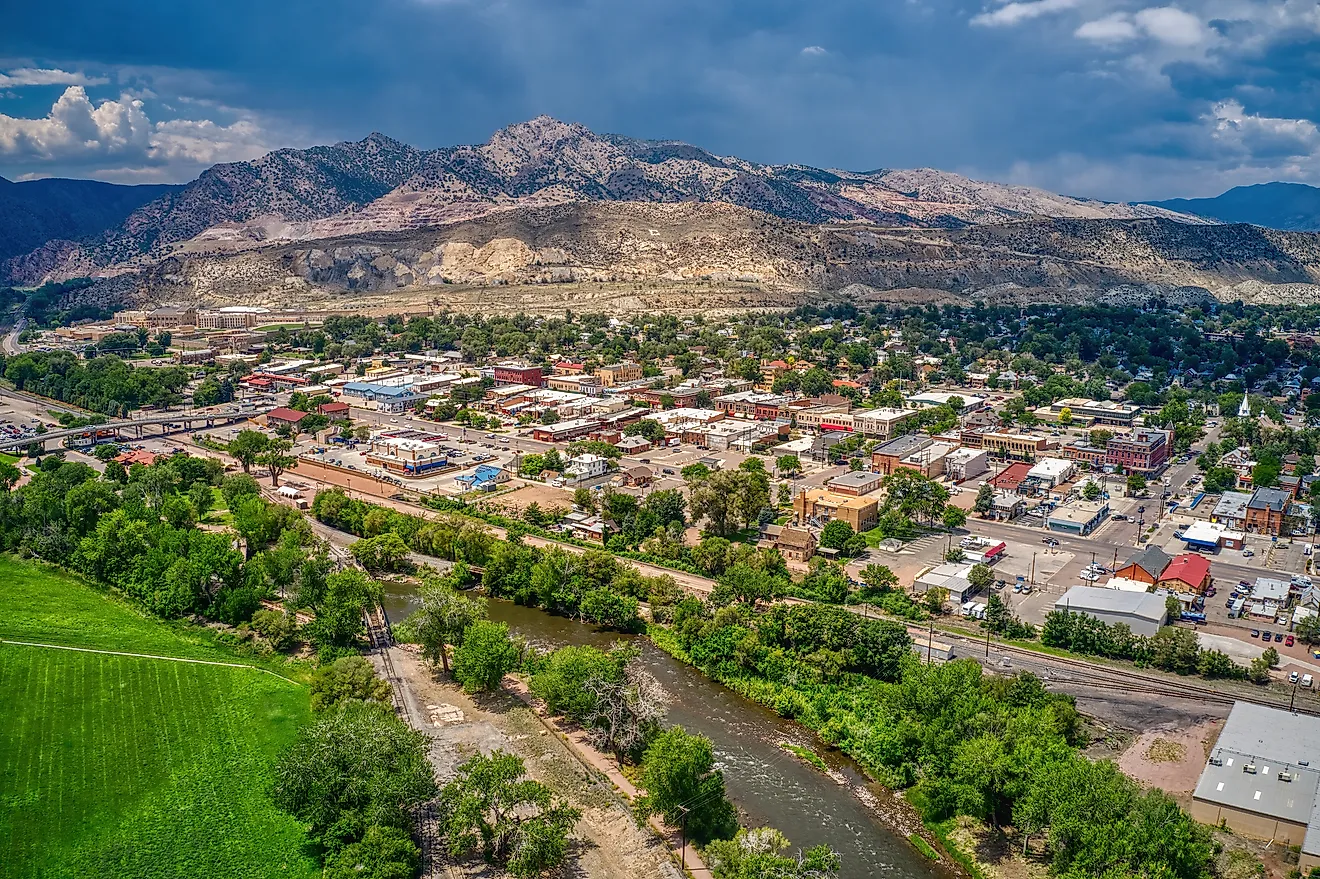
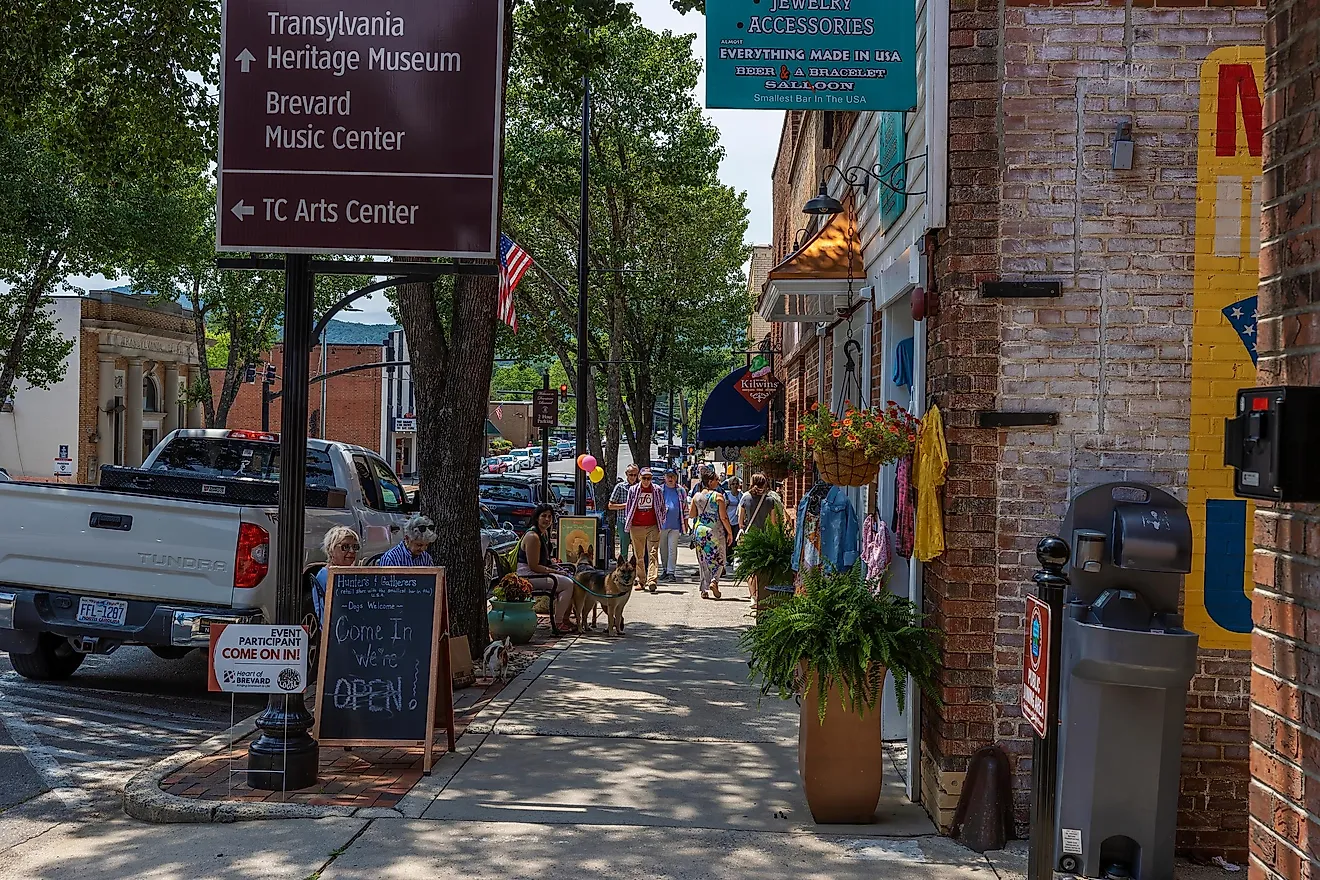
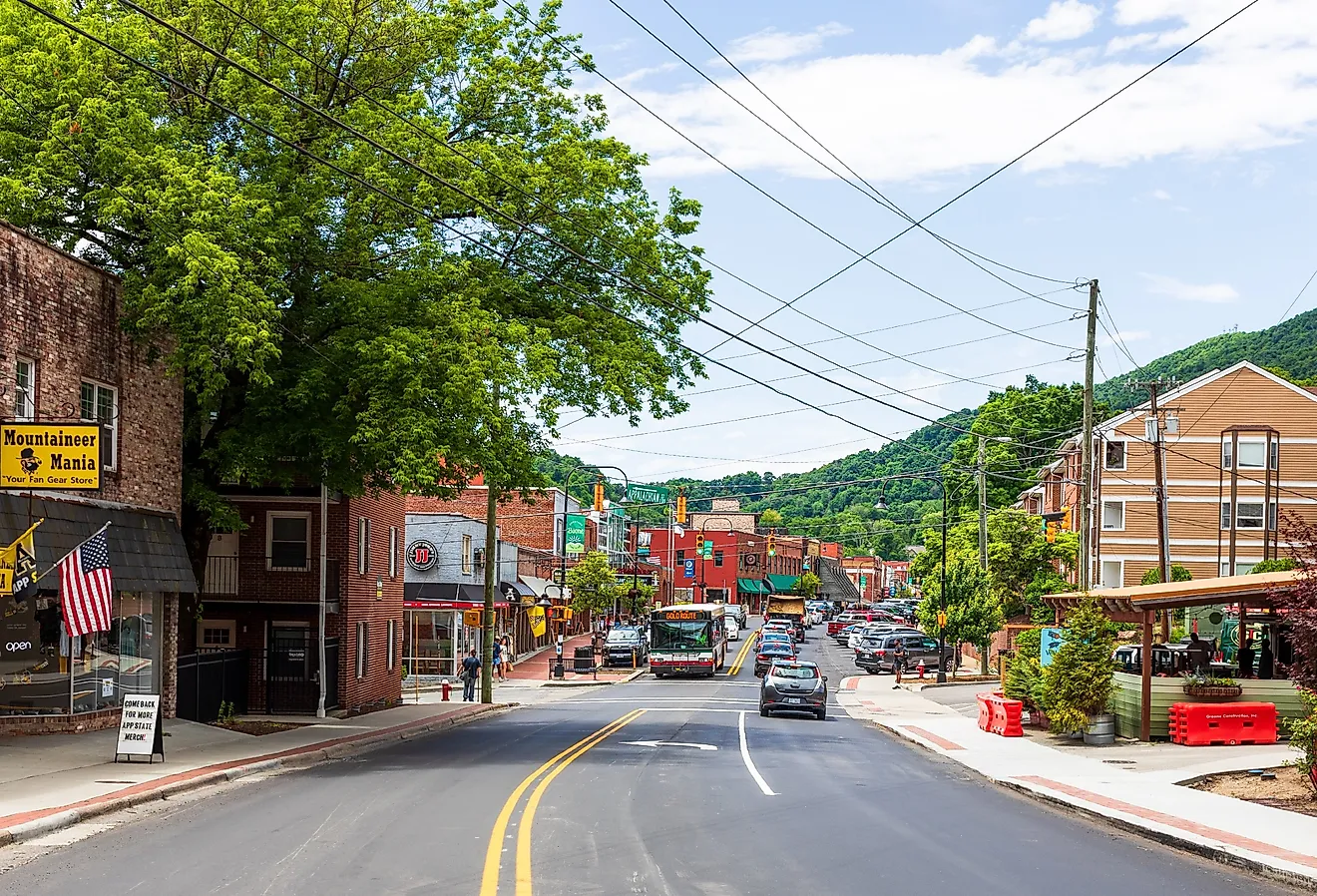
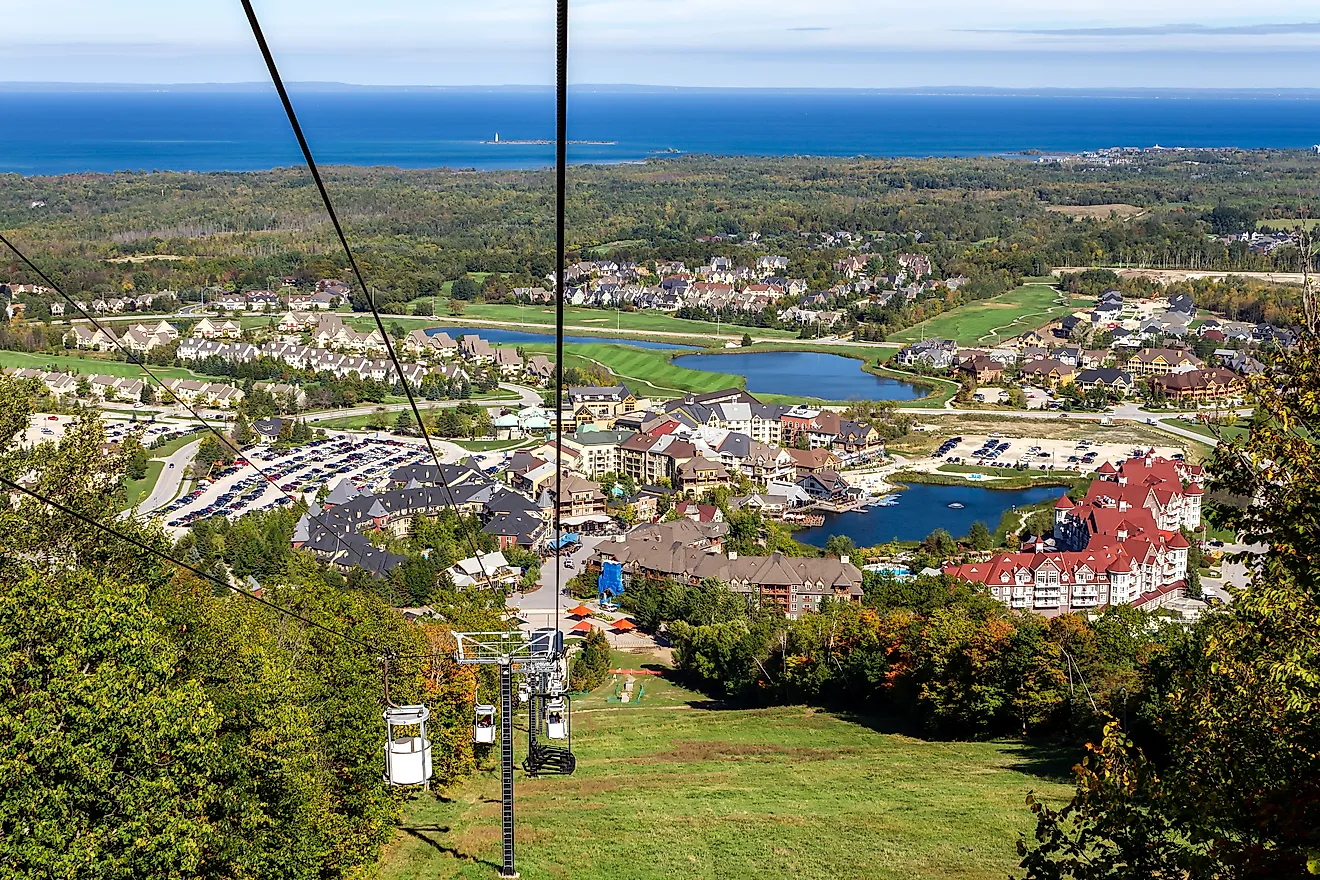
Eleven Arizona towns pulled in enough travelers this year to rank among the country's favorites. None of them did it the same way. Jerome and Globe turned dead copper mines into working art scenes. Tombstone and Prescott sell frontier history that happened on the exact streets you walk. Sedona trades on red rock and Patagonia on hummingbird counts. What each one offers is specific enough to explain why it landed on the 2026 list.
Sedona

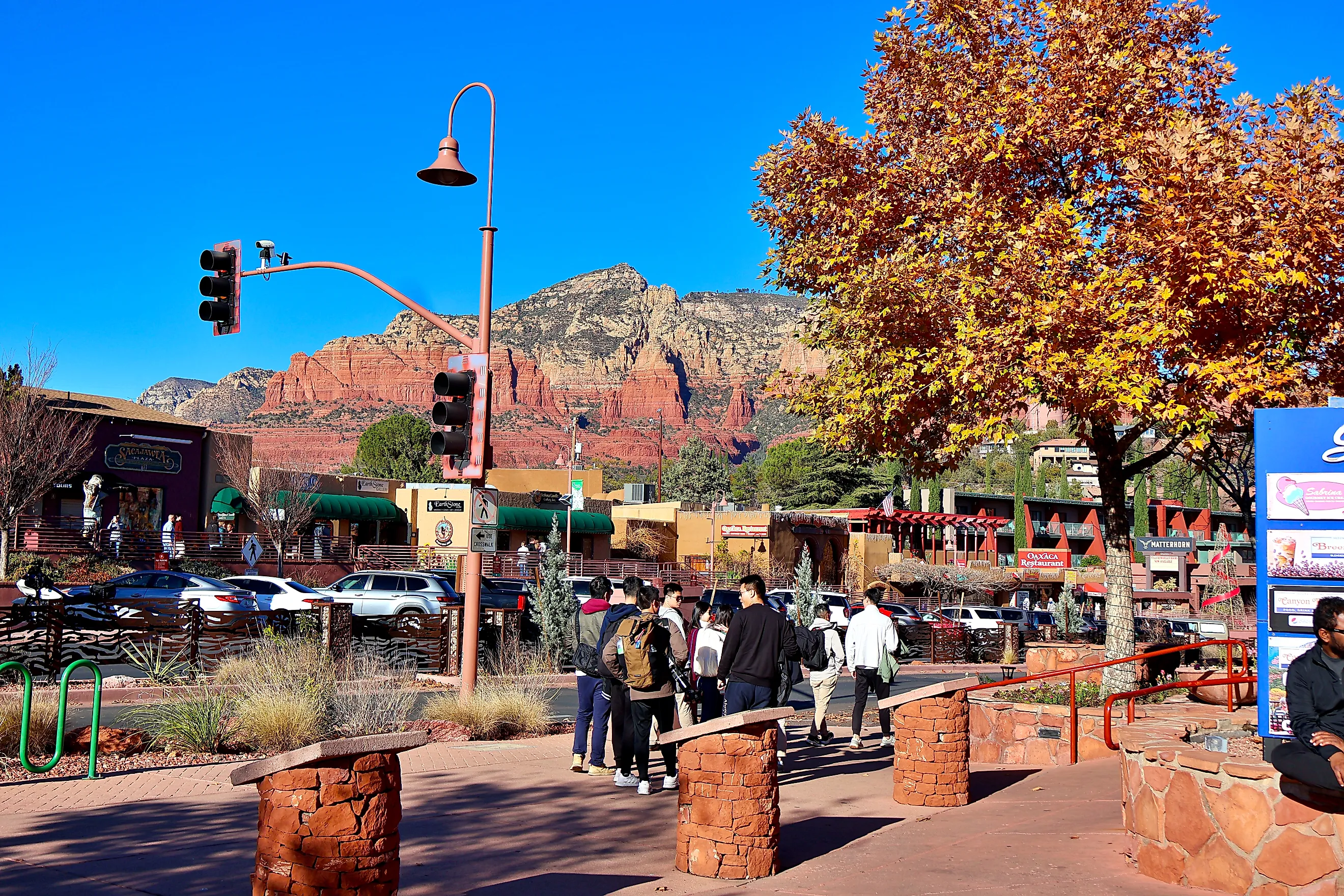
Cathedral Rock ranks among the most photographed buttes in Sedona, and its red sandstone spires draw nearly 3 million visitors a year. The town sits inside the Coconino National Forest, which spans more than 1.8 million acres, and landmarks like Bell Rock put trailheads within minutes of the main road. Hikers come for the geology, then stay for the town itself.
Uptown Sedona runs on locally owned boutiques, New Age shops, and an active arts scene. The Sedona Arts Center shows work by area artists and teaches classes in ceramics and other media. The Sinagua Plaza shopping center packs in dozens of stores, and restaurants like Sedona Pizza Company and the Canyon Breeze feed the crowds coming off the trails.
Jerome

The Sliding Jail in Jerome slid 225 feet down Cleopatra Hill after underground mining blasts destabilized the soil beneath it. That instability is the whole story of this copper town, which clung to a mountainside above the Verde Valley and earned the title "Wickedest Town in the West" for its shootouts, saloons, and brothels. When the mines closed in 1953, the population crashed from nearly 15,000 to under 100, and Jerome nearly became a ghost town before artists moved into the empty buildings.
Those artists built the town it is now. The Raku Gallery and the Jerome Art Center show local work, and the Jerome State Historic Park preserves the Douglas Mansion, once the home of the Little Daisy Mine's owner. The Jerome Grand Hotel, a former hospital, anchors the town's reputation as one of Arizona's most haunted places, with regular reports of ghost encounters from guests and staff.
Cottonwood

Old Town Cottonwood has become the tasting-room center of Arizona's Verde Valley wine country. The valley's elevation and microclimate suit grape growing, and wineries ring the town. The historic downtown district houses tasting rooms like Tantrum Wines and the Eureka Room within a few walkable blocks. For a break from the glass, Dead Horse Ranch State Park sits a five-minute drive from Main Street with hiking, camping, and kayaking on the Verde River. Cottonwood also makes a practical base, less than 10 miles east of Jerome and roughly midway between Prescott and Sedona.
Prescott

Prescott became the capital of the Arizona Territory in 1864, decades before Arizona was a state. Gold and silver strikes in the nearby Bradshaw Mountains and along Lynx Creek drew prospectors and turned the settlement into a frontier town. That heritage survives around the tree-lined plaza, where the restored Yavapai County Courthouse still holds the center of downtown.
Whiskey Row, the corridor along Montezuma Street, once held dozens of saloons at the town's mining peak. Today it mixes antique shops and boutiques with restored watering holes, including the Palace Restaurant and Saloon, which dates to 1877 and bills itself as Arizona's oldest saloon. The street still carries the frontier reputation into the town's nightlife.
Williams

Route 66 runs straight through Williams, and the Mother Road left six blocks of historic buildings, shops, and museums behind. The Route 66 sign at the town entrance and the nearby Route 66 Museum and Gift Shop keep the highway era alive with a collection of rare artifacts and memorabilia.
Williams also calls itself the "Gateway to the Grand Canyon," a nod to its proximity to the park. The Grand Canyon Railway runs daily departures in restored vintage railcars, with live entertainment on the ride and a staged cowboy shootout before the train pulls out. The trip up to the South Rim takes the driving off your plate.
Payson

Payson sits just below the Mogollon Rim, the 200-mile escarpment that marks the southern edge of the Colorado Plateau, near the geographic center of the state. That position opens easy access to the outdoors. A scenic drive up to the rim reaches overlooks above the largest contiguous Ponderosa pine forest in the world, which covers roughly 2.6 million acres. Down at Woods Canyon Lake Recreation Area in the Apache-Sitgreaves National Forest, visitors hike the shoreline and fish or kayak across 55 acres of water.
The town's ranching past is still on display in Northern Gila County. The Rim Country Museum and the Zane Grey Cabin sit near the pond at Green Valley Park. The Payson rodeo, held each August, bills itself as the world's oldest continuous rodeo, a claim it dates to 1884 and defends against a rival title held by Prescott.
Globe

Globe still runs open-pit copper mines, and the industry remains among the area's largest employers. The town's silver and copper roots show at the Old Dominion Historic Mine Park, and easy-to-moderate trails like the Buffalo Butte Trail climb the surrounding hills.
Alongside the mining heritage, Globe has grown a grassroots art scene. The Cobre Valley Center for the Arts fills its galleries with local photography, jewelry, copper work, and sculpture. Stairizona, a public art initiative, turned the town's 1930s Works Progress Administration staircases into canvases for murals and other installations.
Tombstone

The gunfight at the O.K. Corral put Tombstone in the history books, and the town has traded on it ever since. Founded as a silver boomtown in the late 19th century and dubbed the "Town Too Tough to Die," Tombstone drew a wild, unruly crowd that culminated in the 1881 shootout between the Earp brothers, Doc Holliday, and the Clanton-McLaury cowboys. A recreation of the fight runs outside the original site. Down Allen Street, Big Nose Kate's Saloon serves food and drink over authentic 1880s wood floors, and the nearby Boothill graveyard holds the graves of lawmen and outlaws alike.
Bisbee

Bisbee climbs the Mule Mountains about 10 miles north of the Mexico border, its steep streets lined with murals and public art. A copper mining hub turned arts town of about 4,900 people, it sits less than a half-hour drive from Tombstone. Much of its early 20th-century architecture has been preserved or restored, including the Copper Queen Hotel. The Copper Queen Mine tour takes visitors 1,500 feet into the mountain by rail, led by guides who often worked the mine themselves.
Patagonia

Fewer than 1,000 people live in Patagonia, which sits among Arizona's Sky Islands, mountain ranges ringed by sharply different terrain. Five distinct habitats border the town and together hold more than 7,000 plant and wildlife species. Sonoita Creek State Natural Area offers 20 miles of trails, and Patagonia Lake State Park upstream adds boating, kayaking, and fishing.
The town sits on a major migratory route, which has made it a serious birding destination. The Paton Center for Hummingbirds has recorded more than 260 bird species, and birders time their visits to the migration seasons.
Tubac

Tubac was the first European settlement in what is now Arizona, established in 1752 as the Spanish Presidio San Ignacio de Tubac. That deep history sits alongside its identity as an art colony, a mix the town sums up as the "place where art and history meet." The colony took root when painter Dale Nichols opened an art school here in 1948. Dozens of galleries now call Tubac home, including El Encanto de Tubac and Art Gallery H, and the Tubac Center of the Arts runs exhibits and youth and adult programs. The village sits in Santa Cruz County, a short drive from the Anza Trail.
Why These Towns Keep Winning Travelers Over
The through-line across these eleven is reinvention. Half of them started as mining camps that should have died when the ore gave out, and every one found a second life instead, whether in wine, in galleries, or in the tourists who come to watch a staged gunfight. Even the outliers fit the pattern: Tubac went from Spanish fort to art colony, and Patagonia turned a rail stop into a birding hub. A town that can remake itself once tends to keep drawing people, and that instinct is what put this group on the 2026 list.