These 10 Towns In New Jersey Were Ranked Among US Favorites In 2026
New Jersey packs more nationally recognized small towns into its 130 miles than states many times its size. Cape May holds one of the largest collections of Victorian buildings in the country. Clinton frames its 1810 Red Mill against the Raritan River. Morristown still marks the ground where Washington wintered his army. Red Bank turns its Navesink River waterfront into a year-round arts district. Beach resorts and inland mill towns alike earned the state its spot among US favorites.
Cape May

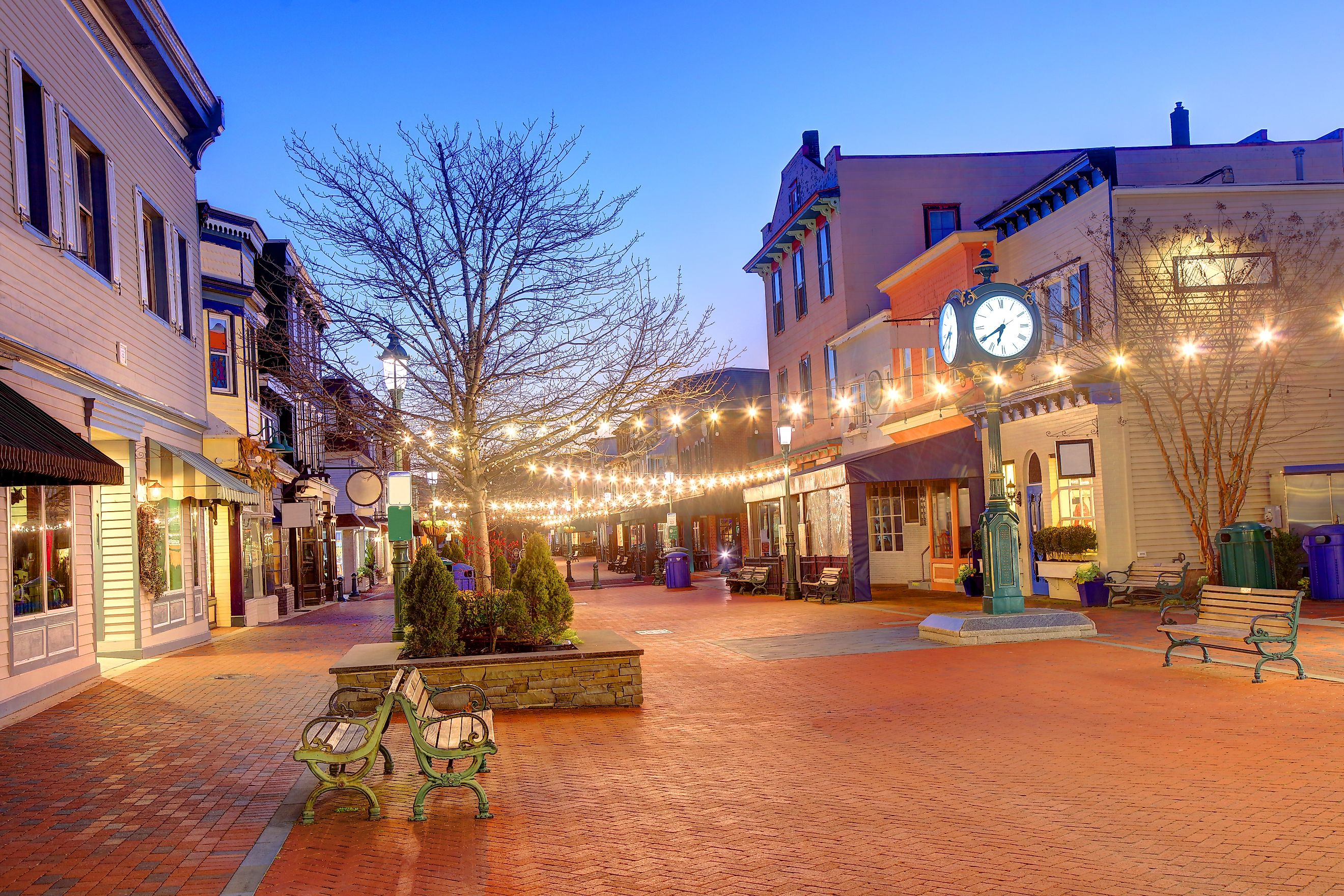
Cape May occupies the southernmost point of New Jersey, where the Atlantic Ocean runs into Delaware Bay. The town is known for its preserved Victorian architecture, with one of the largest collections of Victorian buildings in the country. By 1976, Cape May had earned National Historic Landmark recognition for its historic character. Beyond its architecture, Cape May draws visitors with its coastal setting. The Cape May Lighthouse offers views of the surrounding waters. Nearby, Cape May Point State Park and South Cape May Meadows attract birdwatchers during fall migration. The Washington Street Mall keeps the historic core lively with shops, sidewalk cafes, and street performers, and historic house tours and trolley rides give visitors close access to the town's history.
Asbury Park

A boardwalk and a long history with live music remain at the heart of Asbury Park's character. The Stone Pony has hosted live music since Bruce Springsteen began performing there in the 1970s, and the venue remains closely tied to the town's music history. Along the waterfront, the historic Asbury Park Convention Hall overlooks the beach, while nearby streets mix restored Victorian homes with newer developments. Throughout the year, visitors walk the public beach and boardwalk, taking in ocean views, outdoor dining, and live performances. The boardwalk, Convention Hall, and downtown restaurants sit close together, putting many of Asbury Park's main attractions within walking distance.
Ocean Grove

Ocean Grove grew out of a Methodist camp meeting founded in 1869. That history still shows in the town's architecture and layout. Ornate Victorian homes and tent-cottage bungalows pack the narrow streets, unlike almost anywhere else on the Jersey Shore. The Great Auditorium, a wooden hall built in 1894, still hosts concerts and public events tied to the town's tradition of gatherings. The beach and boardwalk along the Atlantic give visitors ocean views, and the town's pedestrian-focused design encourages walking through its historic streets. Markets, porch tours, and public events fill the summer calendar.
Spring Lake

Known as the "Jewel of the Jersey Shore," Spring Lake stands out for its two-mile beach, historic homes, and carefully preserved public spaces. Grand shingle-style and Victorian houses line the streets near the water. The look is distinctive, tracing back to the town's late 19th- and early 20th-century development. Divine Park centers on a spring-fed lake. Walking paths and gardens connect the waterfront to downtown. Unlike Asbury Park and other tourist hot spots, Spring Lake's boardwalk skips the commercial strip found in most Jersey Shore towns, so the focus stays on ocean views and walking routes. A summer concert series at Divine Park's gazebo and a Fourth of July fireworks display bring crowds beyond the usual beach traffic. Seasonal visitors come for the beach, the parks, and the architecture, and the town's compact layout keeps its main attractions within easy reach.
Clinton

The 1810 Red Mill on the South Branch of the Raritan River gives Clinton its defining image. Its reflection in the millpond is one of New Jersey's most photographed scenes. The Red Mill Museum Village preserves the area's industrial history through the mill and the surrounding quarry buildings. Across the river sits the Hunterdon Art Museum, a converted stone mill that now shows contemporary art. The river and millpond frame views throughout the historic district. A pedestrian bridge spans the water and offers the best views of both. Seasonal festivals and farmers' markets round out Clinton's appeal alongside its mills and museums.
Montclair

Montclair's arts reputation rests on two institutions, the Montclair Art Museum and the Montclair Film Festival, both of which draw visitors from across northern New Jersey year-round. Its collection focuses on American art. The film festival runs each fall, screening independent work and hosting talks with filmmakers. Montclair's neighborhoods go beyond these cultural institutions, too, with historic homes built in Victorian, Colonial Revival, and Craftsman styles. The town grew up around its rail line in the 19th century, and that history still shows in its tree-lined streets. Anderson Park and Edgemont Park add green space, walking paths, and gardens. Galleries, bookstores, restaurants, and local shops fill a downtown within walking distance of the train station, and NJ Transit connects Montclair directly to New York City.
Princeton

Gothic and Georgian architectural styles define the Princeton University campus, and that grandeur carries into the walkable streets beyond it. Nassau Hall, built in 1756, briefly served as the meeting place of the Continental Congress in 1783, when Princeton was the nation's capital for four months. Free campus walking tours let visitors dig into the university's landmarks and history, and the Princeton University Art Museum and McCarter Theatre round out its cultural draw. Palmer Square's public plaza brings activity to the downtown area with outdoor seating and seasonal events, including a winter holiday market. Beyond the university, Princeton's parks and trails provide opportunities to enjoy green spaces throughout the borough.
Haddonfield

Few small towns can claim a connection to both dinosaurs and the Revolutionary War, but Haddonfield does. A bronze sculpture of Haddy the Hadrosaurus commemorates the discovery of one of North America's first relatively complete dinosaur skeletons in 1858, while preserved colonial buildings and landmarks like the Indian King Tavern reflect the town's deeper history. Kings Highway anchors the walkable downtown with historic storefronts, independent shops, and public gathering spaces. Nearby, Crows Woods Nature Preserve offers wooded trails, while a self-guided walking tour links many of Haddonfield's historic sites. Seasonal events, farmers markets, and sidewalk sales keep the downtown active throughout the year.
Morristown

A walk through Morristown reveals layers of American history, from its preserved downtown streets to the sites where George Washington and the Continental Army spent the winter of 1779-1780. The town green remains a central gathering place, surrounded by Federal, Victorian, and Georgian influences that reflect Morristown's architectural heritage. Nearby, Morristown National Historical Park preserves the area's Revolutionary War landmarks, while Jockey Hollow offers more than 25 miles of wooded hiking trails. Visitors can also explore the Morris Museum, enjoy performances at the Mayo Performing Arts Center, and easily reach the town from New York City via NJ Transit.
Red Bank

Red Bank blends a thriving arts scene with a waterfront setting along the Navesink River, creating a downtown that feels lively well beyond the nearby Jersey Shore beaches. The Count Basie Center for the Arts, a restored 1926 theater, remains a centerpiece of the community with concerts and performances throughout the year. Along Broad Street, historic brick storefronts house local shops, restaurants, and galleries, while public waterfront spaces and marina views add a coastal backdrop. Seasonal events and riverfront gatherings keep the downtown active, making Red Bank a popular destination for visitors looking for dining and waterfront scenery.
Where New Jersey's History Still Shows
New Jersey's small towns prove that some of the state's most memorable destinations are found beyond its major cities and famous shore resorts. Packed with history and East Coast charm, these towns are stand-outs for 2026. Each community has its own identity, revealing a different side of what makes New Jersey worth exploring.