The Rockies's 7 Most Underrated Towns to Visit
Most travelers blow past on their way to Aspen and Vail, never knowing what they missed. Salida holds the largest indoor hot springs pool in the country and the lines are short. Down in Durango, the Durango & Silverton Narrow Gauge Railroad still chugs through the San Juans pulled by Golden Age steam. Up in Jackson, winter sleigh rides cross the National Elk Refuge among thousands of wintering elk. Fernie, just across the border in BC, averages 29 feet of snow a winter at its alpine resort. Seven Rockies towns where the mountains do the talking.
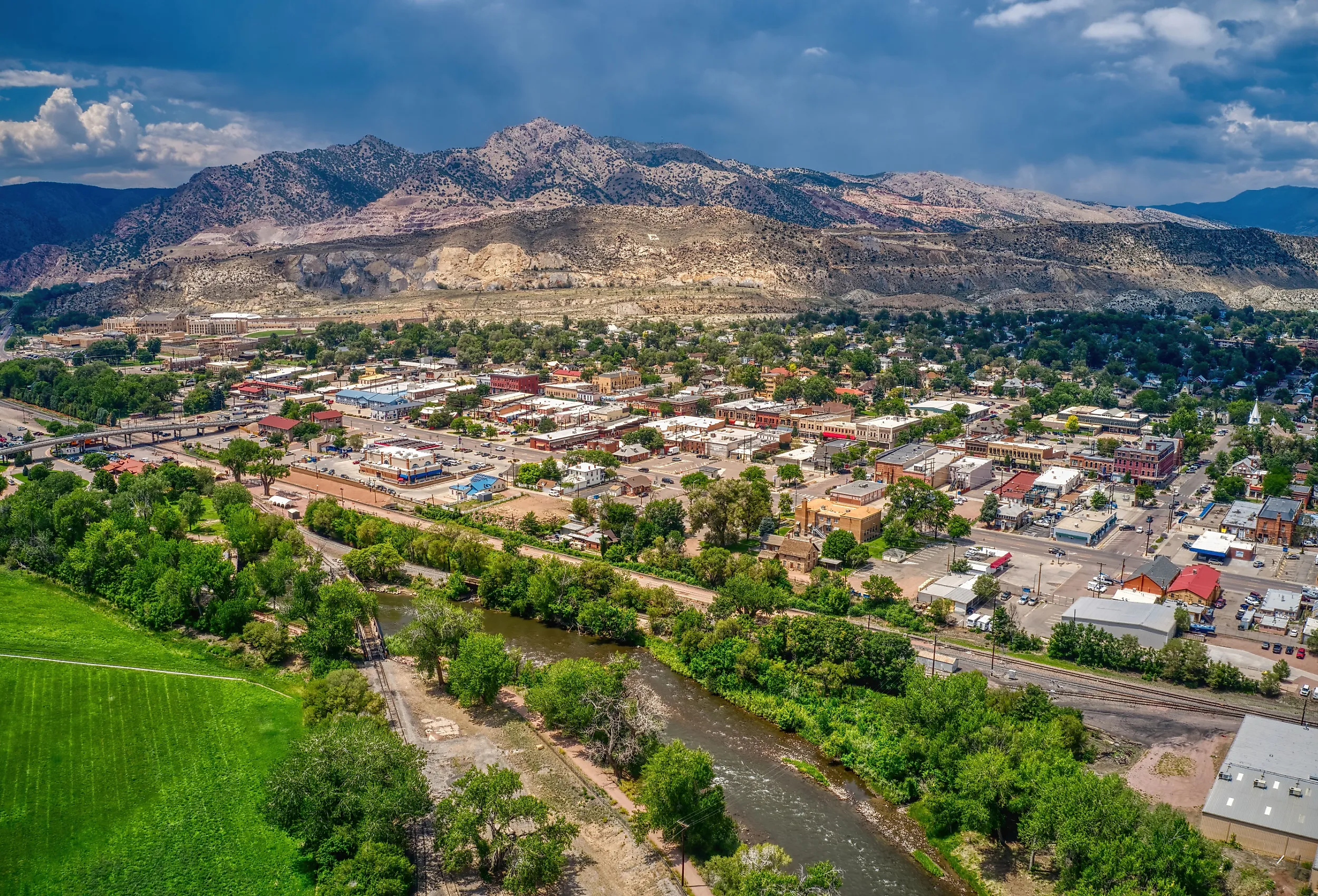
Cañon City, Colorado

Cañon City sits in the crease where the Front Range meets the Wet Mountains, at about 5,300 feet, in a thermal pocket where temperatures often run several degrees warmer than ranges nearby. Two attractions define a visit. The Royal Gorge Bridge & Park, built in 1929, is America's highest suspension bridge, sitting 956 feet above the Arkansas River. It held the world's-highest title until 2001 and now runs the Royal Rush Skycoaster, an aerial gondola, and a zip line system across the canyon. The Royal Gorge Route Railroad, departing from the Santa Fe Depot in town, runs scenic train trips along the river through the bottom of the gorge.
The town itself has the San Isabel National Forest just to the south and the Arkansas River running through. Local food runs from Bunk House Burgers to El Caporal Family Mexican Restaurant. The 3.8-mile Skyline Drive, a narrow one-way road carved into the top of a ridge west of town, opens onto views of the gorge below. Salida sits an hour up Highway 50, with the Arkansas Headwaters Recreation Area between the two and multiple campgrounds along the way.
Durango, Colorado

Home to just over 19,000 residents, Durango is the most populous town in La Plata County, surrounded by mountain views in every direction. Serious Texas BBQ is a strong stop after a sunny day at Oxbow Park and Preserve north of town. For families, The Powerhouse runs a children's museum with interactive science exhibits. Mesa Verde National Park is roughly 35 miles west, with cliff dwellings of the Ancestral Puebloans built into the canyon walls. Doubling as a living museum, the historic Strater Hotel covers the Western lodging side of the visit.
The town's signature attraction is the railroad. As a former hub connecting to the mining town of Silverton, Durango still runs the Durango & Silverton Narrow Gauge Railroad on the original 19th-century line. The Silverton Round Trip ascends through the Rockies with views of the San Juan National Forest and the Animas River below. The shorter Cascade Canyon Express runs a five-hour round trip with a stop at Cascade Canyon, halfway between the two towns.
Fernie, British Columbia

Fernie sits in the Canadian Rockies along the Elk Valley in the East Kootenay region of British Columbia. It runs on a real mountain culture rather than a packaged tourist one. Mountain bikes share the streets with ski rentals and guide shops, and the turn-of-the-century brick buildings frame the Lizard Range behind them. The 2.8-mile hike from Fernie Visitor Information to Fairy Creek Falls is easy enough for kids in summer; the falls freeze in winter but stay accessible.
Fernie Alpine Resort handles the winter side. The mountain runs 142 named trails across five bowls, with annual snowfall averaging 29 feet and topping 37 feet in big years. Summer brings the Cottonwood Trail and its old black cottonwood stands, plus kayaking and rafting on the Elk River. Local stops worth the time include Beanpod Chocolate, Coffee, and Gelato and the early-1900s buildings of the historic downtown.
Jackson, Wyoming

In the 400-square-mile Jackson Hole valley in northwest Wyoming, Jackson is a town of 10,755 at the gateway to Grand Teton National Park. The community is a mix of world-class athletes, active retirees, and fifth-generation ranchers. Trails handle horseback riding, walks, and backcountry treks. The National Museum of Wildlife Art is the standout indoor stop, and Teton Park Road runs the panorama of the Tetons from the front seat.
The National Elk Refuge, a 25,000-acre wintering ground for thousands of elk, runs sleigh rides among the herds from mid-December through April. The valley also pulls skiers to Jackson Hole Mountain Resort, Snow King, and Grand Targhee, with dog sledding adventures filling out the colder months. Old West dining, shopping, and lodging run throughout, with working ranches like Spring Creek Ranch and the A-OK Corral handling overnight stays and trail rides.
Salida, Colorado

Salida is the underrated heart of the Rockies. The Salida Hot Springs Aquatic Center, fed by geothermal water piped down from springs in Poncha Springs, is the largest indoor hot springs pool in the country. The 25-meter, six-lane lap pool sits at 84°F for swimming; a smaller leisure pool runs to 100°F for soaking. Built in 1937 as a Works Progress Administration project, it has been operating continuously ever since.
The Arkansas River handles the rest of the outdoor calendar. The river runs about 5,000 trout per mile through this stretch, and the Arkansas Headwaters Recreation Area covers the kayaking and rafting side. Captain Zipline runs aerial adventure parks above the desert and mountain terrain south of town. Skiers tend to head to Estes Park or Telluride, which leaves Salida's historic downtown and hot springs uncrowded. Local artisans run studios in pottery, photography, sculpture, and fiber arts along the historic blocks.
Taos, New Mexico

Taos is a high-desert town in the crease of the Sangre de Cristo Mountains, with hundreds of thousands of acres of public wilderness in Carson National Forest and surrounding BLM lands available for hiking, biking, and skiing at Taos Ski Valley. The town runs as a blend of three cultures: the Tiwa-speaking Taos Pueblo people, Spanish colonial settlers, and the Anglo-American arrivals who came later. Hacienda de Los Martinez and the San Francisco de Asis mission cover the Spanish-colonial architecture, with restaurants and events extending the cultural side.
Outdoor activities run heavy. Fishing, rafting, and horseback riding all sit close at hand, but the Rio Grande Gorge hike is the standout. The historic Taos Plaza, home to artists and craftsmen for over a century, is the town's cultural center. Around 50 restaurants run home-style family meals, Spanish cuisine, microbreweries, and fusion. Just outside town, the ancient Taos Pueblo is a UNESCO World Heritage Site, an ancient multistory adobe village. The Taos Pueblo people welcome visitors to walk the grounds and see the traditions, crafts, and architecture firsthand.
Whitefish, Montana

Whitefish, in northwestern Montana, sits at the easy-access end of Glacier National Park. Many travelers pass through on the way in or out of the park; plenty more stop and stay. The town runs on local atmosphere, a roster of accommodations, and the famous City Beach. The downtown is rustic but full of shops, galleries, and restaurants like Loula's Cafe.
On the shores of Whitefish Lake, the town is a year-round base camp with the small mountain-community feel intact, with about 8,915 residents living in mountain scenery on a daily basis. Whitefish Mountain Resort runs 3,000 acres of skiing and 11 lifts, and has been drawing skiers since 1947. Summer brings mountain biking, lake access, and trails under the surrounding peaks. Belton Chalet works as a stop before or after the last leg into Glacier. The park itself is one of the best in the lower 48 for stargazing, with backcountry treks and dark night skies.
Discover the Rockies' Underrated Highlights
Taos runs high-desert landscape, a strong arts scene, and a cultural heritage going back over a thousand years at Taos Pueblo. These towns under the towering peaks open onto lakes, rushing rivers, and natural anchors like Glacier National Park near Whitefish and Grand Teton near Jackson. Each is overshadowed by a louder neighbor, and each rewards the trip.