The Most Picturesque Towns In South Dakota
South Dakota is a land of intense contrasts. The relatively flat Great Plains give way to the towering Black Hills and Badlands. Underneath those Black Hills are hidden wonders too, such as thermal spring water and deep cave systems. The best way to see them is to visit the most scenic towns in South Dakota. These towns' beauty radiates from their architecture and history as well. Think mansions funded by gold mining, a palace made of corn, and even a little house on the prairie.
Hot Springs

Hot Springs' best features are hidden just under the surface. Natives have long come to this area to rest in the naturally warm spring waters, which bubble up to the surface. Travelers still come here to relax in the 88 to 102 degree Fahrenheit waters of Moccasin Springs or enjoy a thrilling water slide into hot waters at the Evans Plunge. Just outside of Hot Springs is another underground treasure: the Wind Cave National Park. These caves are covered in boxwork, thin calcite formations that resemble honeycombs. There's plenty to see above ground in the park, such as vast prairie trails with bison wandering throughout the park's borders. From downtown Hot Springs, visitors can enjoy a picnic next to a serene brook at Upper Chautauqua Park.
Custer

Custer was founded in 1875 when gold was discovered in the Black Hills. It was named after Lt. Colonel George Custer, a cavalry commander in the American Civil War who would die the following year fighting Plains Native Americans during the Battle of the Little Bighorn. Today, Custer has a different type of treasure in the natural beauty of the Custer State Park. Situated on 71,000 acres in the Black Hills, climbers regularly ascend up the granite peaks, as hikers go sightseeing for bison herds, and kayakers take boats out onto Sylvan Lake. In Custer proper, the town has preserved the original Dakota Territory courthouse as the 1881 Courthouse Museum, with exhibits on Custer's expedition, the Gold Rush, and the Black Hills.
De Smet

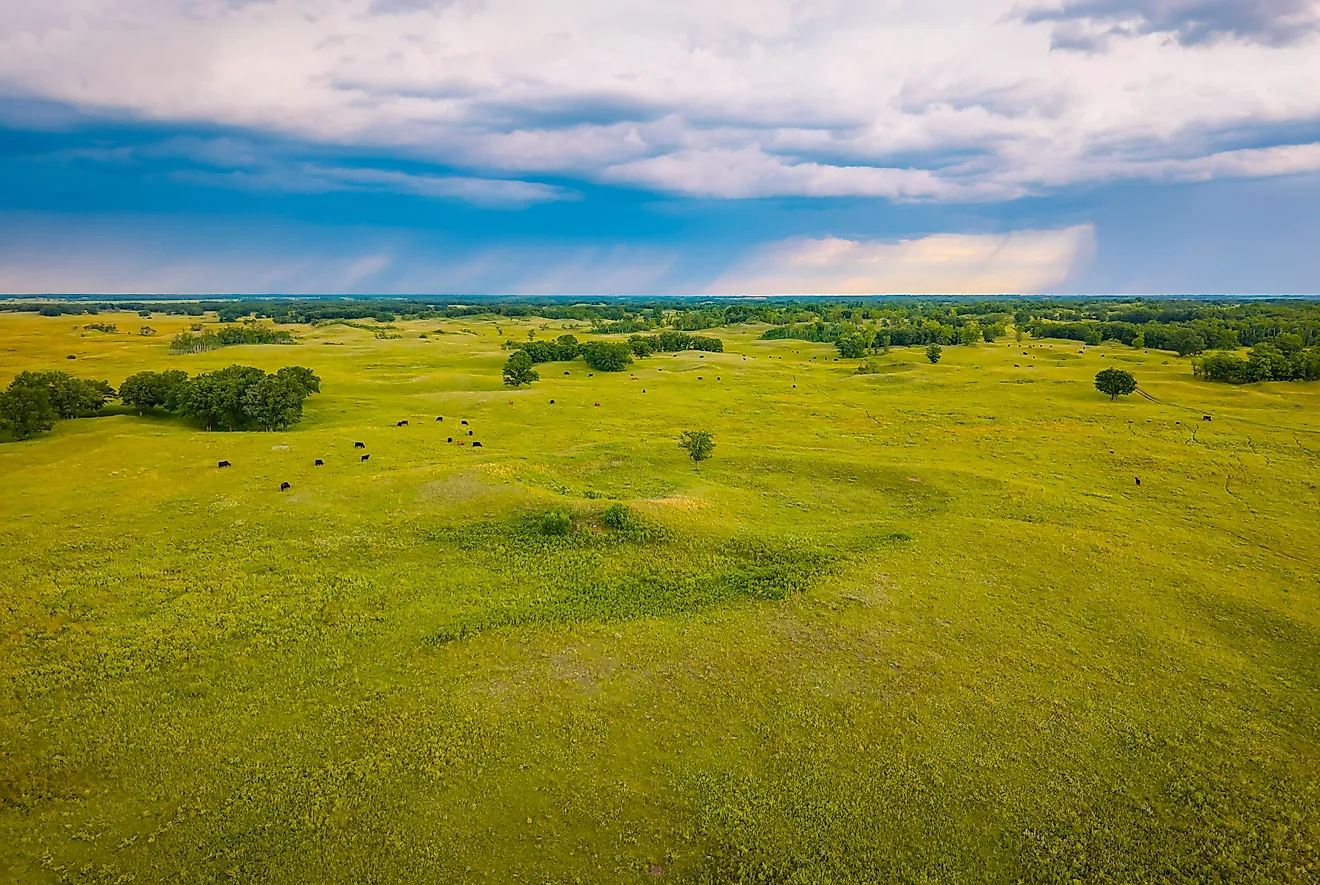
De Smet is a lesser-known town in the central eastern section of the state, which gives off a distinctly prairie town vibe. After all, this town was one of the homes of the Ingalls family, which was immortalised in the "Little House on the Prairie" series by author Laura Ingalls Wilder. Her family arrived here in 1880, and their experiences shaped five of Wilder's books in the series. Today, the town taps into that heritage with more than 2,000 pieces from Laura's life at the Laura Ingalls Wilder Memorial Society and the First Congregational Church, which was built in 1880 with help from Charles Ingalls. Even their prairie homestead is preserved as the Ingalls Homestead, a beautiful piece of prairie land that allows visitors to drive a covered wagon just like that pioneer family.
Keystone

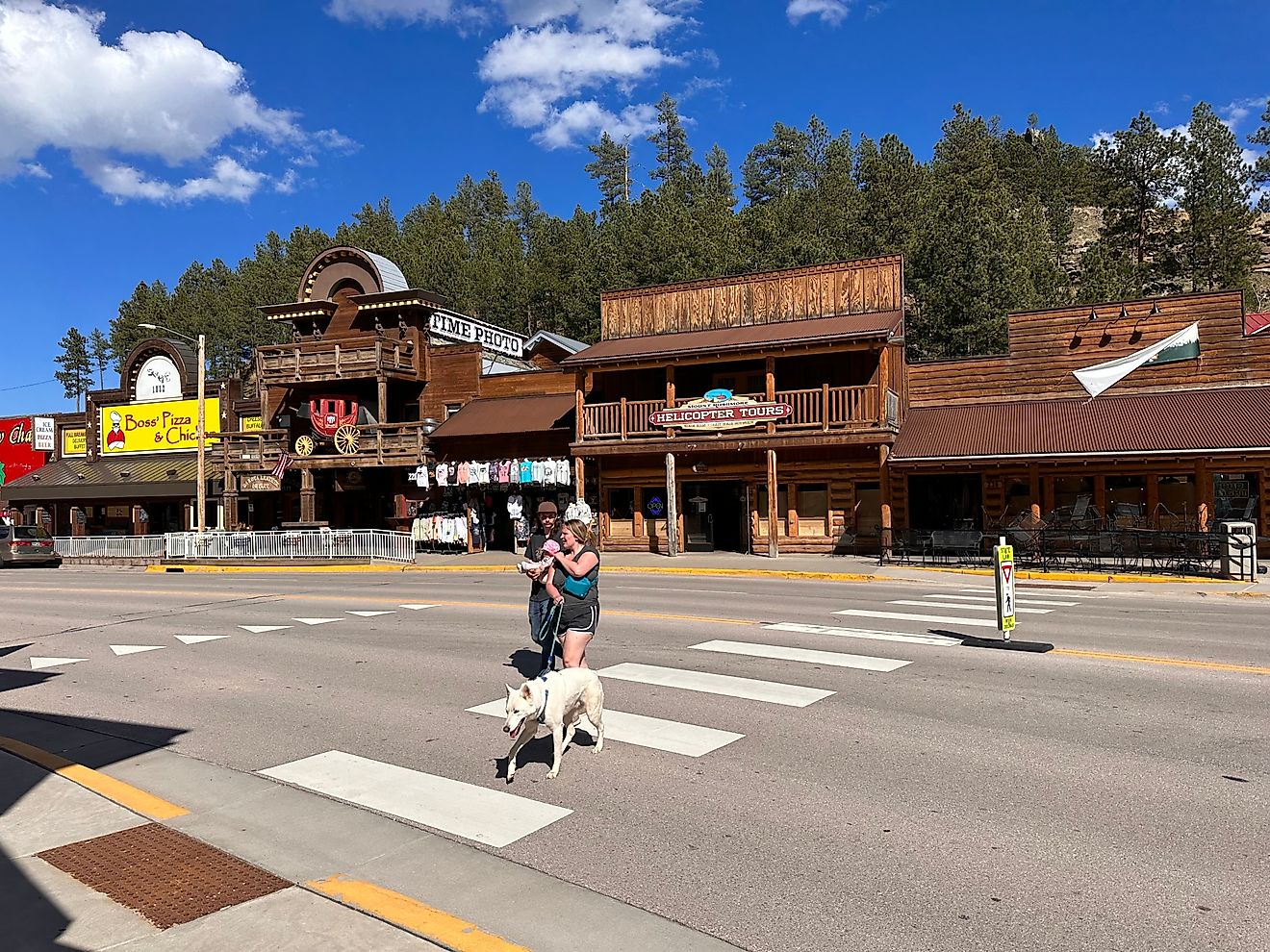
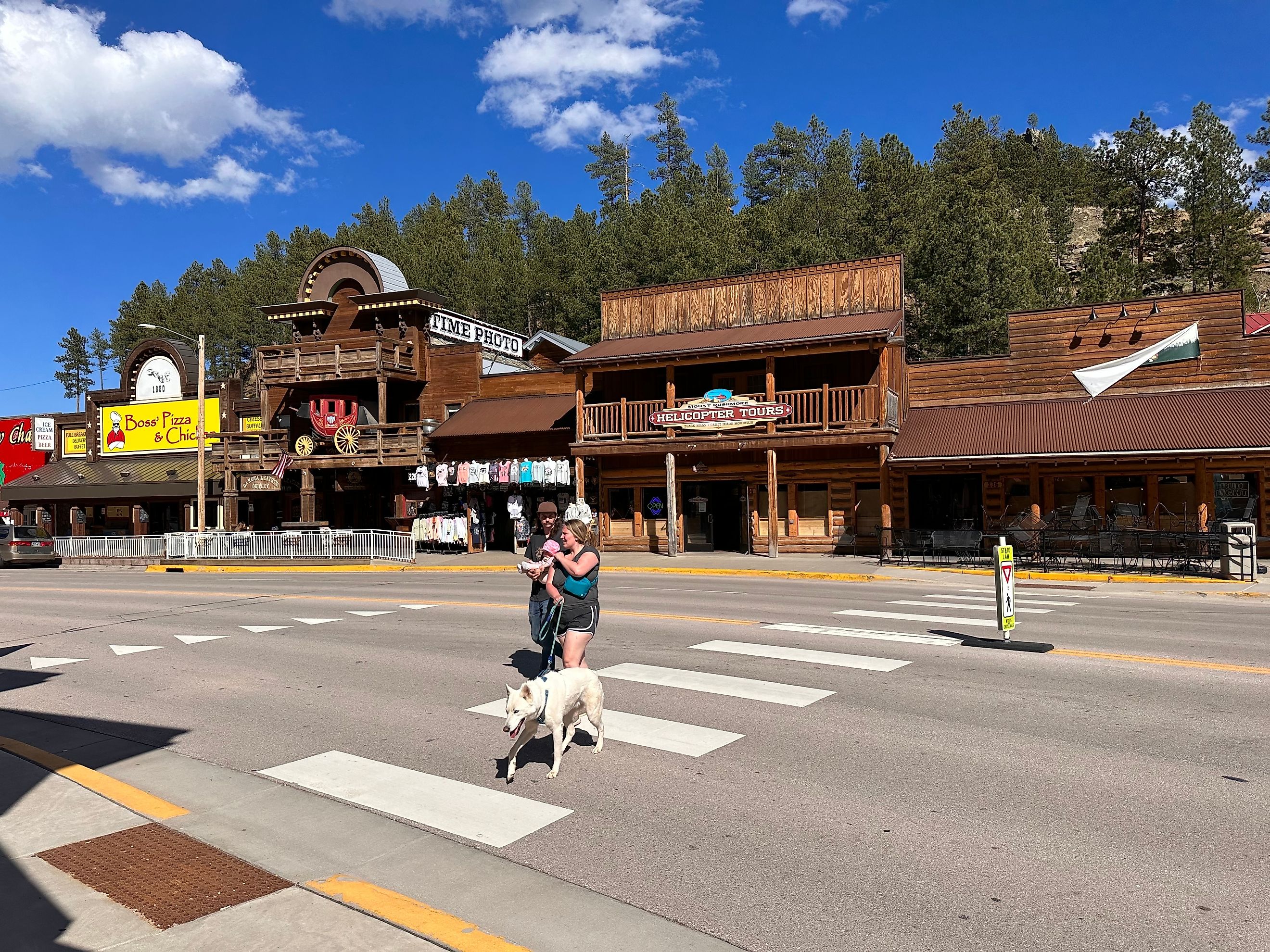
Keystone is the "key" entry point into two of South Dakota's most famous landmarks. The first is the Mount Rushmore National Memorial. Sculptor Gutzon Borglum chose each of the four presidents on the monument to represent aspects of America. George Washington represents the birth of the nation, Thomas Jefferson represents the growth of the country, Theodore Roosevelt represents its development, and Abraham Lincoln represents the preservation of the country. The other landmark close by to Keystone is the Crazy Horse Memorial, an active site that is slowly shaping the mountain to represent the Lakota warrior who defeated George Custer in the Battle of the Little Bighorn. Keystone itself tells the story of Gutzon Borglum at the Rushmore Borglum Story Museum, along with offering scenic train rides on the 1880 Train Rides, which connect Keystone with Hill City.
Deadwood

Deadwood is one of the best Old Western towns in the entire United States. It was named Deadwood by miners who arrived and saw a field filled with dead trees. It would also attract legendary gunslingers such as Wild Bill Hickok and Calamity Jane, a markswoman, adventurer, and overall fascinating figure. Both are buried at the Mount Moriah Cemetery overlooking the town. It's not all rugged in Deadwood, as the town's gold mining also created a lot of wealth for some residents, such as Harris and Anna Franklin, who built the Historic Adams House in 1892. This home was called "the grandest house west of the Mississippi" for its Queen Anne style. Visitors can step into the world of the miners in the Broken Boot Gold Mine, which goes on ore car journeys through the Black Hills.
Wall

Wall gets its name from its close proximity to the hills of the Badlands National Park, hence the town being the wall of the Badlands. Drivers will go out of their way to find this town just to take a photo of the iconic Wall Drug Store. This pharmacy is a destination in itself for its fun souvenirs, treats, and heritage. The drug store was established in 1931 to offer free ice water to thirsty travellers, a tradition it keeps alive to this day. Wall also provides insightful information about the prairies at the National Grasslands Visitor Center, and includes a mixed-grass prairie right outside of it as a demonstration. From the Wall, hikers can easily reach the Pinnacles Overlook within the Badlands National Park. The views from this overlook are astonishing. Even Bighorn sheep are known to wander up to the overlook.
Hill City

The name Hill City suits this town, as it lies in the center of the Black Hills, a group of towering granite peaks that rise up like an island in the "sea" of the Great Plains. It's been called the Heart of the Black Hills due to its close proximity to many major attractions and its position on the Mickelson Trail. This is a 109-mile former railway turned hiking trail that meanders through historic tunnels and landscapes. Hill City is proud of its role in helping transform the natural resources into recreational facilities through the work of the Civilian Conservation Corps in the 1930s. The Civilian Conservation Corps Museum of South Dakota tells this fascinating story. Dinosaur lovers have good reason to come to Hill City as well, as it has a great deal of fossils, including a T. rex at the Museum at Black Hills Institute.
Mitchell

Mitchell is one of the most distinctive towns in the state of South Dakota, thanks in no small part to the World's Only Corn Palace. This artistic structure has been a major town attraction since 1892, with corn-shaped domes and regularly updated murals made of corn. The palace also serves as the town's event center, hosting theatrical and artistic performances. This isn't the only unique attraction in Mitchell: the other is the Mitchell Prehistoric Indigenous Archeological Site & Museum. This is the only archaeological site that allows visitors to come see experts uncover artifacts used by the Middle Missouri Natives dating back to 1,000 AD. Just a few minutes away from the Corn Palace, residents can be found boating, fishing, and kayaking at Lake Mitchell.
Spearfish

Spearfish is set in the far western section of the state within the Spearfish Canyon. It's one of the best towns in South Dakota to go exploring in the northern Black Hills, both on foot and via car. The Spearfish Canyon Scenic Byway goes through limestone cliffs and waterfalls, such as the multitiered Roughlock Falls Natural Area. Another populated waterfall is the approximately 50-foot-high Bridal Veil Falls, which is visible from an observation platform. The best time to see it is during the spring when the melting snow flows into it. One of the more challenging hikes in Spearfish is the 76 Trail, named after the miners who came to the Black Hills in 1876. It goes up to the rim of Spearfish Canyon, giving a commanding overlook into the canyon.
The Most Scenic Corners Of South Dakota
South Dakota clearly made a big impression on Laura Ingalls Wilder for it to be featured so prominently in so many of her books. It continues to make a big impression on many different people with its grand monuments to the U.S. Presidents and Native American warriors, the rejuvenating waters of Hot Springs, the waterfalls of Spearfish Canyon, and many other places. These scenic towns provide homes not just for people but for wildlife such as the bison herds that wander through Custer. These scenic communities provide the views in South Dakota in the prairies, the hills, and underground.