The Most Charming River Towns In Ohio
In Zanesville, the Lorena sternwheeler still carries passengers down the Muskingum every summer. Ripley's riverfront homes once sheltered people crossing the Ohio to freedom. Marietta's Boathouse Barbeque lets you dock your boat and stay for dinner. Each of these towns grew up on a river and never left it. Here are seven Ohio towns still living on the water.
Milan

The Huron River runs along the north side of this town in northern Ohio. Milan was established in 1817 and was home to the inventor Thomas Edison. See where he was born in 1847 at the Thomas Edison Birthplace Museum. The museum keeps original furnished rooms and Edison's personal items that point to the influences behind his inventions.
The Milan Museum presents more of the town's history across several exhibits. These include a glass gallery with pieces dating back to ancient Rome, a collection of over 350 dolls, and a European decorative arts collection that belonged to a Milan family. The self-guided walking tour of Milan's architecture describes the town's buildings and their histories, highlighting Greek Revival, Victorian, and Federal styles. Don't miss the 19th-century brick Milan Town Hall with its clock tower.
If you visit during Labor Day weekend, join the town's annual Milan Melon Festival, which celebrates the region's agricultural specialty, muskmelon cantaloupe. There is live music, an antique car show, a carnival, and food vendors offering items like melon ice cream, melon smoothies, and even melon pizza.
East Liverpool

Travel to the eastern border of the state, where the Ohio River runs along the south of this town known as the "Pottery Capital of the Nation." The Museum of Ceramics holds the biggest display of Lotus Ware, a delicate porcelain first made in East Liverpool in the late 19th century. The museum also keeps regional teapots and other decorative ceramic pieces. Then browse Pottery City Antique Mall's large collection of vintage ceramic and glassware.
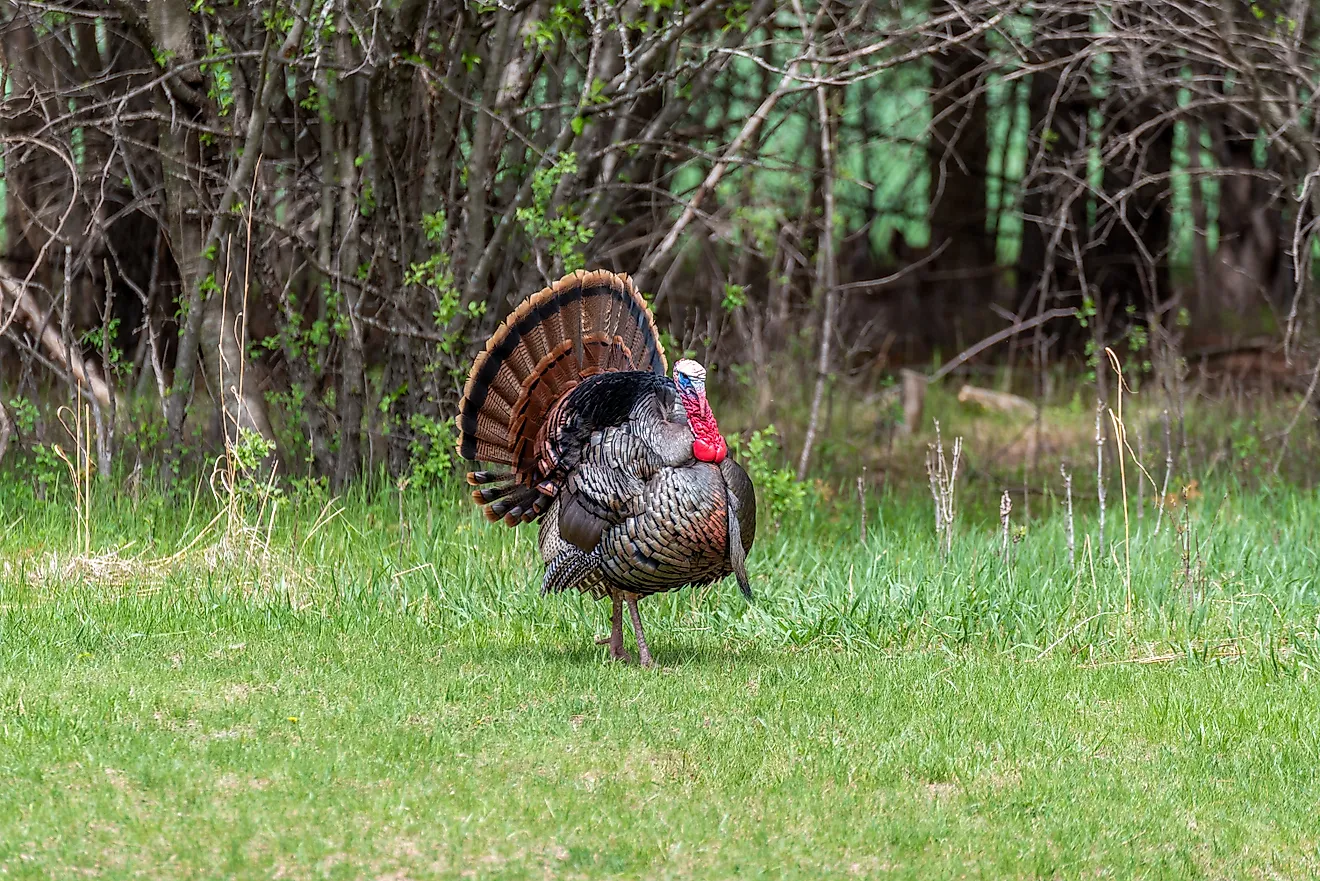
See the origins of much of the town's pottery at Beaver Creek State Park, home to the fine clay deposits that helped make East Liverpool the national center of pottery production. This park covers over 2,700 forested acres, with many trails for hiking and mountain biking, where visitors can spot deer, foxes, and wild turkeys. Little Beaver Creek flows through the park, giving canoeists a different view of the forest. The park also contains Gaston's Mill, built in 1837 and one of the last functioning mills in Ohio today.
Thompson Park, back in town, has walking paths, benches, and a disc golf course. It is a good place to catch nature within the town, where the trees bring springtime flowers, green summer leaves, and a range of autumn color.
Dover

Moving inland, you reach Dover on the Tuscarawas River near eastern Ohio's Amish country. The Ernest Warther Museum and Gardens is the family home of Ernest Warther, a former Dover resident known for his hand-carved sculptures. Visitors can view his 1910 home, its gardens, his 64 train sculptures, and his preserved workshop, which was retired in 1973.
Another former Dover residence open for tours is the Reeves Victorian Home and Carriage House Museum. The 19th-century mansion, once owned by Jeremiah E. Reeves, has 17 original furnished rooms with rich carpets, ornate wallpaper, decorative woodwork, and paintings. A highlight is the third-floor ballroom. The adjoining Carriage House Museum displays Reeves' vehicles, including his 1892 carriage, an electric car, and a sleigh. For Dover's outdoors, there is the Dover Dam, a concrete dam with a distinctive design. It rises 83 feet above the streambed and has arches with columns reminiscent of Renaissance architecture.
Taste the Amish country with wines made on-site at Breitenbach Wine Cellars. Try their dandelion wine with a pizza. For more Amish goods, stop into Yoder's Hometown Market for homemade apple butter and jams.
Zanesville

About an hour's drive south of Dover, Zanesville sits on the Muskingum River. The Zanesville Museum of Art holds a notable pottery collection among its more than 8,000 artworks, including American and European paintings, Asian sculpture, and African masks. The riverfront Dr. Increase Mathews House is the oldest building in Muskingum County. Built in 1805 with a second story added in 1884, the house offers tours of rooms in their original settings, plus exhibits of military history, Native American objects, and regional pottery.
When available, ride the Lorena Sternwheeler, a 104-foot boat inspired by 19th-century riverboats, for a view of Zanesville from the Muskingum River. For more nature, walk through seven acres of urban gardens at Mission Oaks Garden. On display are flowers, trees, waterfalls, a bog, and two acres dedicated to conifers. Back in the town's McIntire Historic District is Gale Garden, one acre of landscape that was once an early 19th-century farm pasture.
For a sweet treat, try Tom's Ice Cream Bowl, which has served homemade ice cream for over 70 years. Taste an unusual flavor like orange pineapple, Biscoff cookie, or maple nut.
Marietta

Travel further south to Ohio's southeast border and reach this town at the confluence of the Ohio and Muskingum rivers. At the confluence is the Historic Harmar Bridge, a 19th-century iron railroad bridge that is the oldest swinging railroad bridge in the U.S. Try to visit Marietta in September for the annual Ohio River Sternwheel Festival, a three-day event celebrating the sternwheel riverboats that helped make Marietta such a successful settlement. The Art Stroll happens on one day of the festival. Artists gather to showcase photography, pottery, paintings, woodworking, and jewelry, and some even demonstrate their techniques. The festival also features live music, food vendors, a car show, and fireworks.
Reach Boathouse Barbeque on foot or by boat, since it is Marietta's only restaurant where guests can dock on the river. Enjoy the river views with a meal of barbecue chicken, ribs, or brisket. On land, the Hidden Marietta Tour Company shows off the town's cobblestone streets and Victorian houses. They offer several walking tours, such as the Ancient Earthworks Tour, which reveals Marietta's Native American mounds.
Or take the guided or self-guided tour of the 1859 Anchorage Mansion, a sandstone Italian villa with more than 20 rooms. Learn about the mansion's history and ghost stories, then climb to the tower room to see both rivers.
Gallipolis

Gallipolis sits on the Ohio River in the Appalachian corner of southeast Ohio. A group of French settlers known as the French 500 founded the town in 1790, fleeing the French Revolution for the Northwest Territory. Gallipolis City Park keeps their memory on the riverbank where they first landed, with a bandstand, the Kerr Memorial Fountain, and benches that look across the water to the West Virginia hills.
Learn the settlers' story at Our House Tavern, a Federal-style brick inn built in 1819 by Henry Cushing. Cushing would meet arriving boats and invite travelers to "come over to our house," and the name stuck. The Marquis de Lafayette stopped here in 1825 during his tour of the country and left behind a jacket that the museum still displays. For more of the town's French heritage, visit the French Art Colony, an 1855 Greek Revival building that now holds revolving art exhibits and local performances.
The riverfront stays the center of things. Anglers fish from the banks below the park, and the Gallia County Hike and Bike Trail runs along the water toward Haskin Memorial Park. Downtown, Second Avenue lines up preserved 19th-century storefronts with shops and restaurants a short walk from the river.
Ripley

Ripley sits on Ohio's southern border along the Ohio River. Few historic river towns feel complete without a self-guided walking tour, and Ripley's Historic Homes Walking Tour leads past 19th-century Victorian and Queen Anne homes, houses that sheltered freedom seekers on escape routes, and the John Parker House, once home to the abolitionist John Parker. The house tells the story of Parker's life as an enslaved man and later as a free man, when he helped many others escape.
More of Ripley's past is on display at the Ohio Tobacco Museum. This museum, set in a former brick home from the 1850s, presents the history of Ohio's tobacco industry, along with artifacts such as production equipment, old cigars, and pipes. Another museum in a former 19th-century home is The Ripley Museum, which holds regional historical items such as clothing, furnishings, a piano, and Civil War memorabilia. Ripley's outdoors offers river activities like boating, paddleboarding, kayaking, and fishing. On land, there is hiking in Kope Hollow Nature Reserve. Here you can see waterfalls, many bird species, over 50 types of wildflowers, and the Kope Formation, a distinctive structure of shale and limestone that records the area's past over millions of years.
Guests in Ripley can get a taste of the past at Northern Yankee Moonshine, an old-fashioned distillery that offers traditional moonshine in flavors like salted caramel, root beer, and raspberry. Their award-winning honey peach brandy is also sure to please.
Where Ohio's Rivers Still Bring Towns To Life
Ohio's rivers still shape how these towns work. In Zanesville, you can ride the Lorena Sternwheeler down the Muskingum, and over Labor Day weekend, Milan throws its Melon Festival. Old mansions like Dover's Reeves Victorian Home hold onto the past, while Marietta lets you live a piece of it, arriving for dinner by boat at Boathouse Barbeque, the town's only restaurant on the water.