8 Best Washington Towns For Retirees
Washington levies no state income tax, so Social Security, pensions, and retirement-account withdrawals all go untaxed at the state level, which matters on a fixed income. Outside the Seattle metro, the state's smaller towns put that within reach, with home values running from $345,000 in Ocean Shores to $643,000 in Port Townsend. They span the coast, the farm valleys, and the Olympic Peninsula, and each one trades on a different combination of housing cost, climate, and walkable downtown. The sections below sort them by what a retiree gets for the price in each place.
Centralia

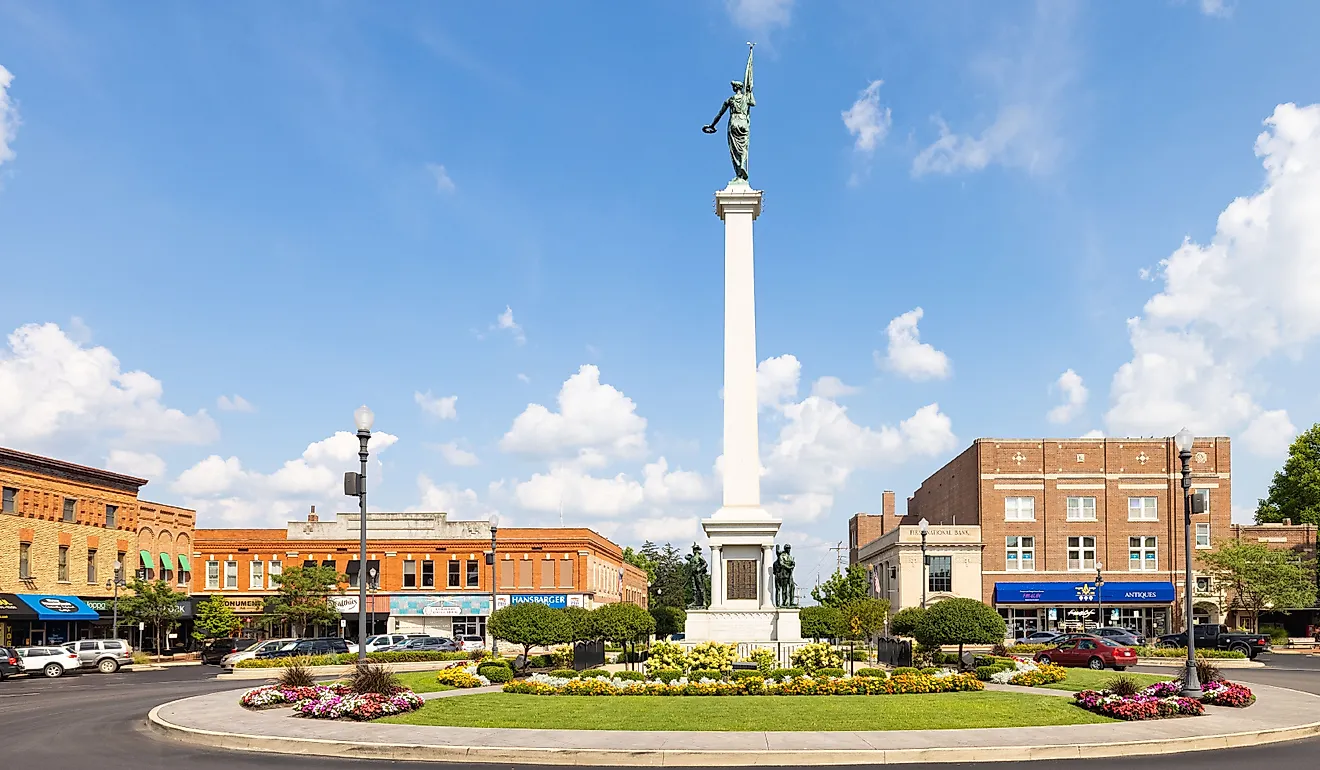
Sitting about 25 miles south of Olympia on Interstate 5, Centralia pairs some of the lowest housing costs on this list with a downtown built for browsing. The average home value runs about $399,000, well under the state figure, and the Centralia Factory Outlets handle everyday discount shopping a few minutes from the historic core. Downtown is where the town shows its character. Each October, the Ghost Walk and Dark Market route visitors through century-old storefronts and end at the Lewis and Clark Hotel, and Antique Fest fills the same streets with vintage dealers in August.
Outdoor space sits close to home as well. Riverside Rotary Park keeps walking trails, picnic areas, and fishing and kayaking access within town limits, which suits residents who want gentle activity without a long drive. The combination of outlets, downtown events, preserved architecture, and riverfront recreation in one compact place is what makes Centralia practical for a fixed income.
Tumwater

Brewery Park anchors daily life in Tumwater, where the Old Brewhouse Tower overlooks a half-mile trail beside Tumwater Falls. The park adds picnic areas and autumn salmon viewing, and it connects to the nearby Deschutes Valley Trail for more river-and-falls walking. The town sits in Thurston County right beside Olympia, so capital-region services and shopping are minutes away while Tumwater keeps its own smaller-city footing.
The Olympic Flight Museum, established in 1998 at the Olympia Regional Airport, gives the town a cultural draw, preserving vintage aircraft and running the annual Olympic Air Show. Tumwater is not the cheapest town here, with an average home value around $531,000, but the waterfall setting, paved and walkable recreation, and proximity to Olympia make it a calm base with regional amenities in reach.
Ellensburg

The Ellensburg Rodeo has been a Labor Day fixture since 1923, and it remains the event that defines the town's calendar, drawing parades, food trucks, and vendors into a week of community activity, with the Tough Enough to Wear Pink campaign tying the rodeo to breast cancer research. Set in the Kittitas Valley, Ellensburg combines that Western tradition with farming roots, dry and sunny summers, and a college-town energy from Central Washington University.
Housing is more manageable than in many larger Washington markets, with an average home value of about $457,000. The surrounding valley keeps farm stands and produce markets within easy reach, and the downtown stays active without feeling oversized, which is the balance retirees tend to want from a smaller city.
Port Townsend

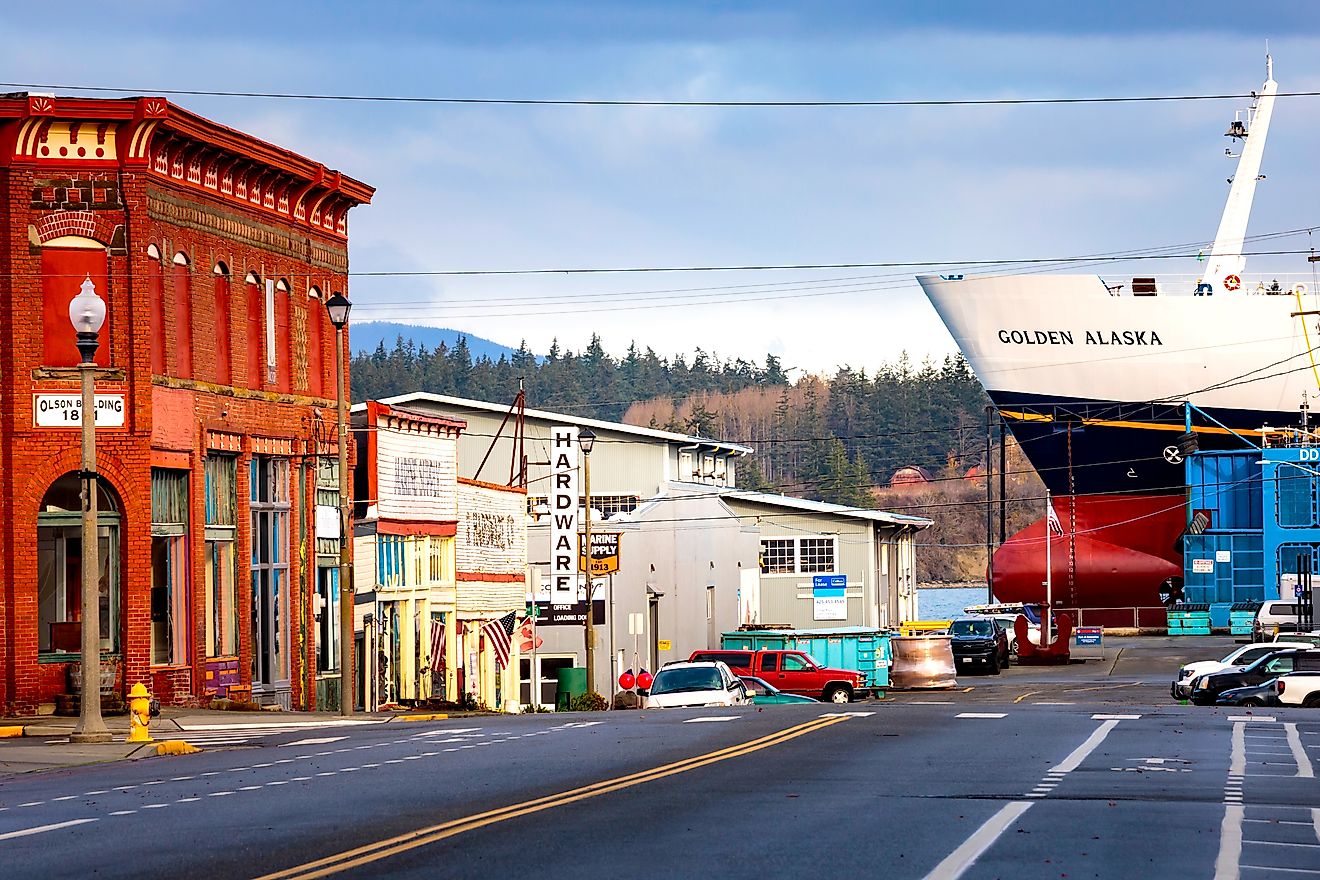
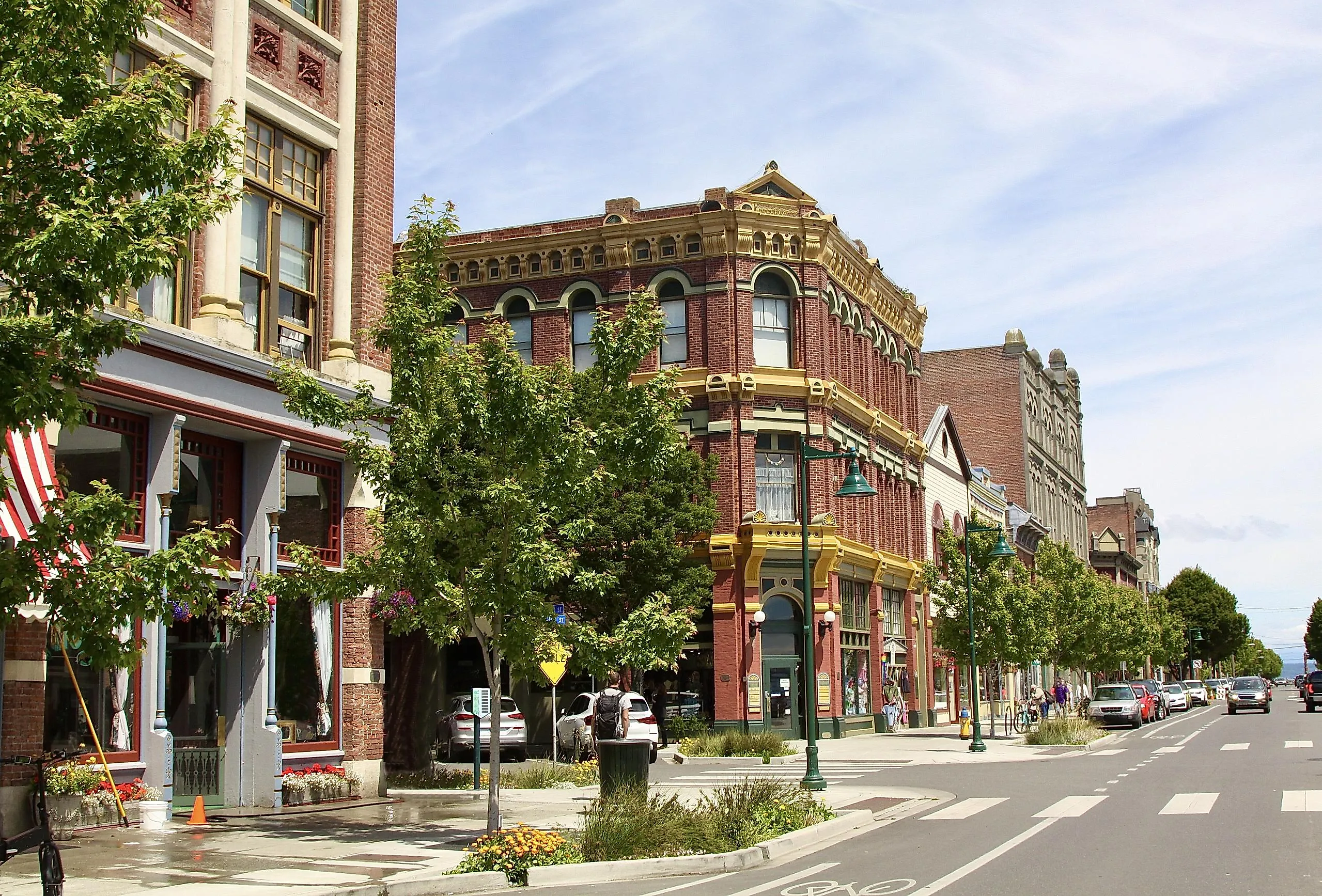
One of only three recognized Victorian seaports in the country, Port Townsend wears its late-1800s building boom in the preserved storefronts along Water Street and the captains' homes on the bluff above. The setting comes at a price: the average home value is about $643,000, the highest on this list and above the state figure, so the architecture, galleries, and walkable downtown have to be weighed against the cost. Cool summers and mild winters make the waterfront comfortable to walk year-round.
The maritime identity stays current through the annual Wooden Boat Festival, sponsored by the Northwest Maritime Center, which fills the waterfront with music, food, and boat rides. The center runs marine education programs, a maritime academy, and a library the rest of the year. Away from the water, boutiques, art galleries, and cafes give the downtown a steady cultural pulse rather than a seasonal one.
Sequim

Sequim sits in the rain shadow of the Olympic Mountains, which keeps it markedly drier and sunnier than most of western Washington, and the dry climate is part of why its lavender farms thrive. Seasonal lavender events bring color and local vendors into the town calendar each summer. Outdoor recreation stays close: Railroad Bridge Park follows the Dungeness River through wooded acreage to a historic railroad bridge.
The Dungeness Spit, one of the longest natural sand spits in the world, and the New Dungeness Lighthouse add beach walks and birdwatching nearby, while downtown Sequim covers shops, restaurants, and community events at a small-town scale. The average home value is about $567,000, below the state figure but higher than the cheaper towns here, so the scenery and services come at a middle-of-the-list cost.
Walla Walla

The Walla Walla Sweet onion, descended from seed a French soldier carried home from Corsica in the late 1800s, is the town's signature, and the Walla Walla Sweet Onion Festival celebrates it each summer with music, art, and food. Farmers' markets and produce stands keep the connection to the surrounding wheat-and-vegetable country tangible, and the town's housing stays comparatively moderate, with an average home value of about $420,000.
Fort Walla Walla Museum deepens the picture, holding one of the nation's largest collections of horse-era agricultural equipment, including life-size replicas of a 33-mule team hitched to a 1919 combine, which explains how farming worked here before machines took over. For an unpretentious meal, Tommy's Dutch Lunch has served generous plates since 1934. History, food, and farm country at a lower price than much of the state is the Walla Walla combination.
Ocean Shores

At an average home value of about $345,000, Ocean Shores is the most affordable town on this list, and the appeal is simple: it is built around the beach. The wide, flat shore runs for miles, and the days fill with beachcombing, clamming, fishing, boating, surfing, and kite flying, the ordinary rhythm of a Pacific coastal town rather than a resort.
The Sand & Sawdust Festival, held free each summer at the Ocean Shores Convention Center and nearby beaches, brings music, food vendors, games, sandcastle building, and chainsaw carving to the waterfront. On quieter days, boutiques, restaurants, and long beach walks fill the time without any need for a large downtown. The town's compact size is the point.
Port Angeles

Port Angeles puts more senior-specific infrastructure within reach than most coastal towns its size. The Port Angeles Senior & Community Center runs a dining room, coffee lounge, game and billiards rooms, meeting and activity spaces, and a kitchen that supports classes and social programming, all built around residents 45 and older. Housing stays moderate for the coast, with an average home value of about $461,000.
The waterfront carries the rest of the day. The City Pier opens onto views, restaurants, and shops, and the Feiro Marine Life Center runs a small aquarium focused on local marine life and watershed education. Port Angeles Wharf adds boutique shops, restaurants, and an arcade a short walk away. Set on the Strait of Juan de Fuca at the edge of the Olympic Peninsula, the town offers water and services in a genuine small-city setting.
Choosing Among Them
The eight divide cleanly by what a retiree wants most. Ocean Shores and Centralia are the affordability picks, both near or below $400,000, one coastal and one inland on the I-5 corridor. Walla Walla and Ellensburg trade ocean access for sun, farm country, and a defining annual event. Tumwater buys proximity to Olympia's services and a waterfall setting at a higher price. Port Townsend and Sequim sit at the top of the range, paying for preserved architecture and Olympic Peninsula scenery rather than a low entry cost. Port Angeles lands in the middle on price while offering the most developed senior infrastructure of the group. With no state income tax pulling at retirement income anywhere in Washington, the deciding factor across all eight comes down to climate, setting, and how much house the budget has to cover.