Where People Are Moving To In New England In 2026
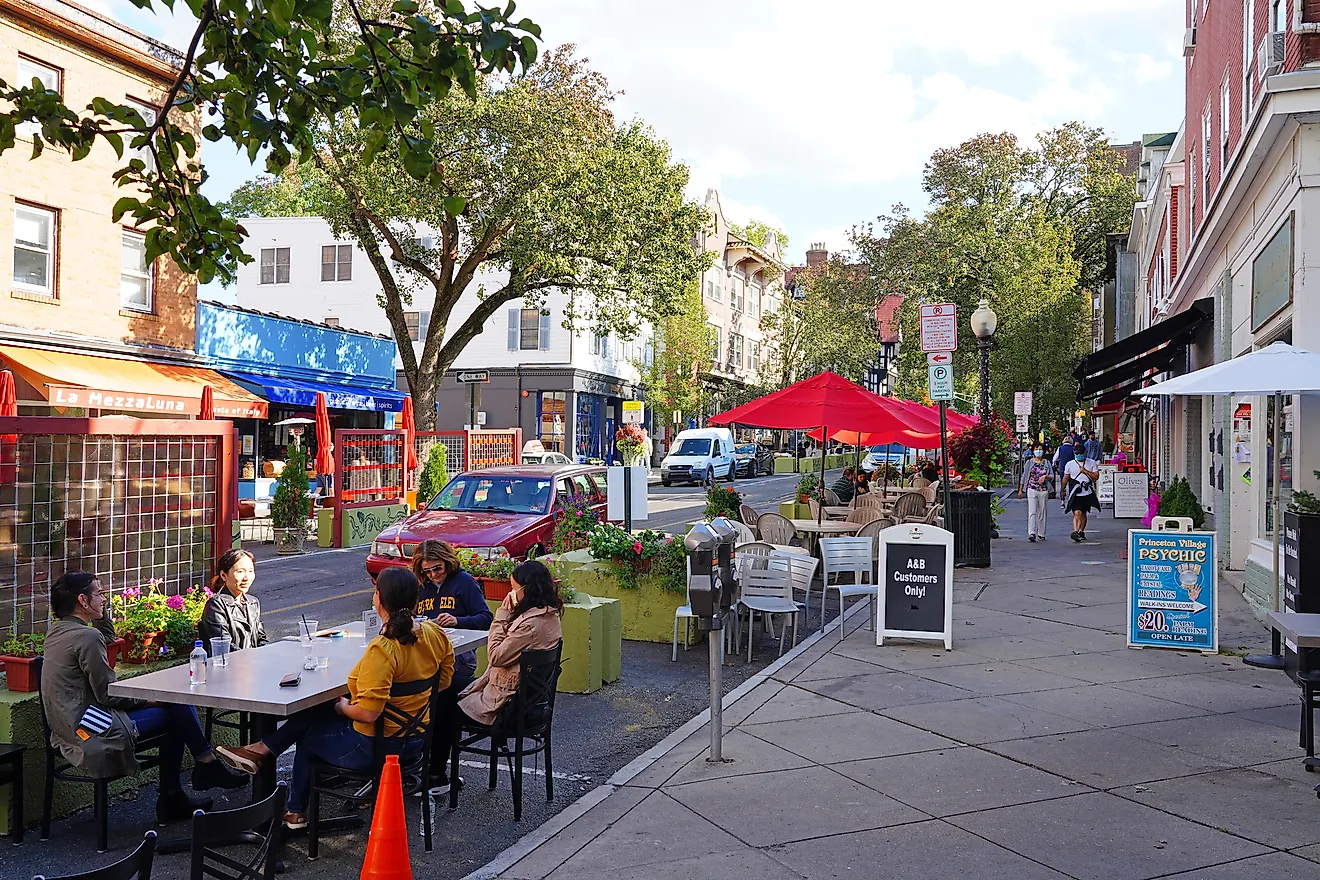
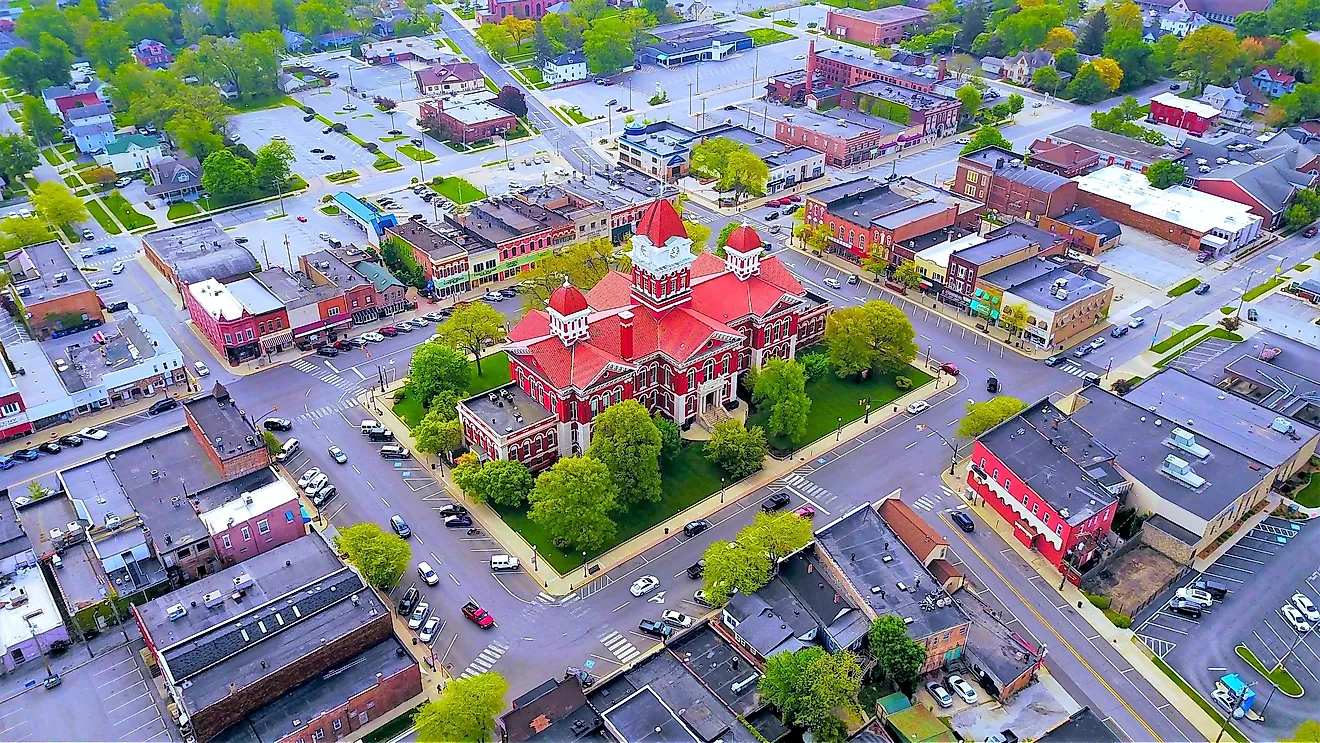
New England is drawing new residents faster than it has in years. The strongest growth is in towns that offer room to live and short trips to work. In Scarborough, the beaches and a fast-growing town center sit minutes from Portland. In Dover, a riverfront downtown and an Amtrak stop put Seacoast jobs within a few blocks. In Lebanon, new apartments keep workers close to Dartmouth College and a major hospital. These seven towns are where New Englanders are choosing to settle in 2026.
Scarborough, Maine

The old harness-racing track is gone, and in its place sits the largest building project in southern Maine. The Downs, a mixed-use redevelopment on the former Scarborough Downs land, has already added hundreds of homes and businesses, with a town center of shops and gathering space still taking shape. That single project explains most of why Scarborough is now among the fastest-growing towns around Portland. Its population has climbed past 23,000 from about 22,100 at the 2020 Census, a jump of roughly ten percent in five years. The town also sits minutes from the Maine Turnpike, the beaches, and the expanding MaineHealth campus. The strain shows up on the roads around The Downs, where traffic and service demand are climbing with the rooftops.
Windham, Maine

Route 302 is the whole story here, and right now it is lined with construction. North Windham, the town's main commercial strip, is absorbing new apartments, duplexes, and senior housing along that corridor. The town has grown to nearly 20,000 residents from roughly 18,400 in 2020, an increase of about eight percent. People come for the space and the Sebago Lake access while staying inside commuting range of Portland. The North Windham Moves project aims to fix the 302 bottleneck, add connecting side streets, and make the strip walkable. Demand here is plainly about housing that keeps work, errands, and the lake all close.
Dover, New Hampshire

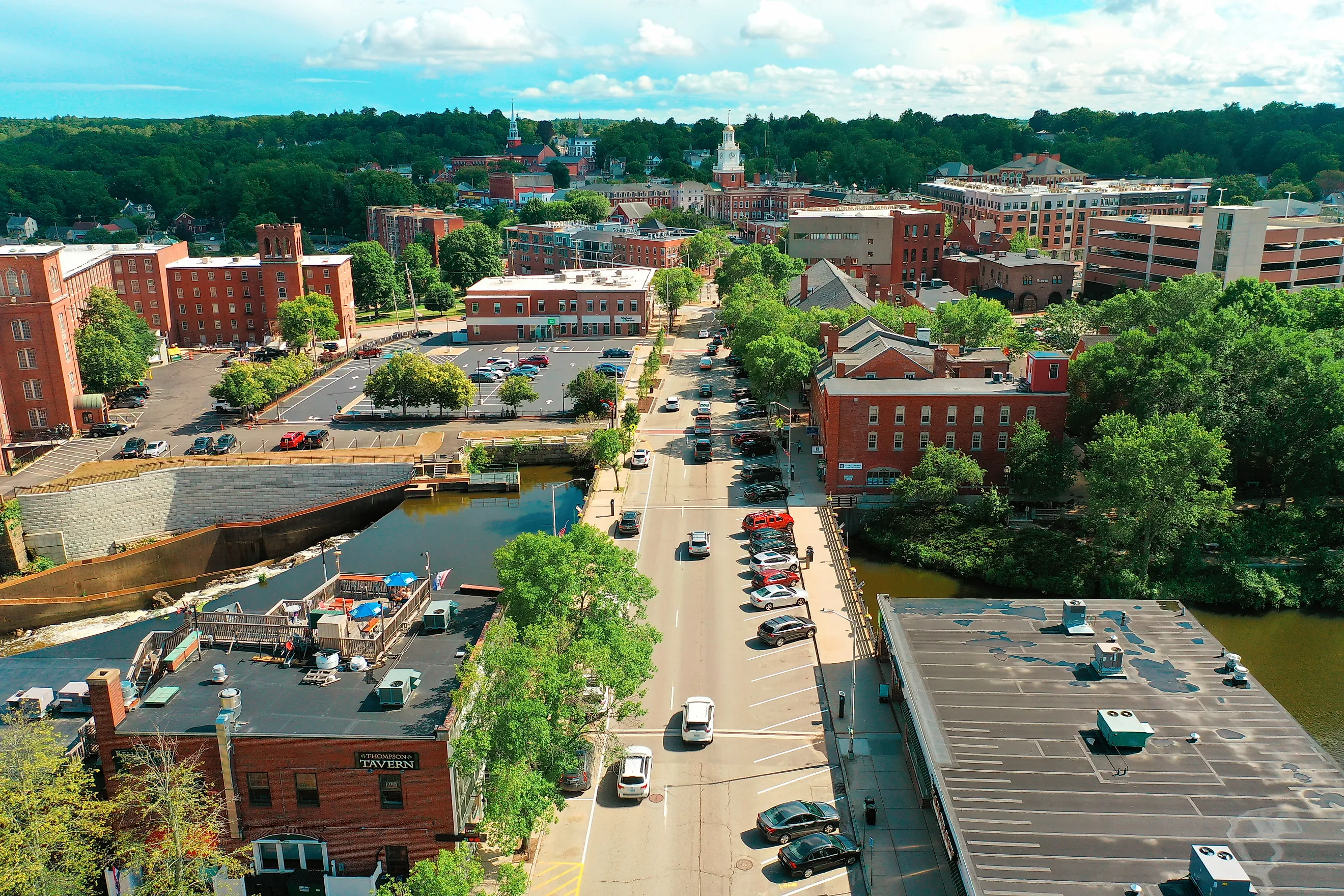
Dover is adding people without shoving all of them to the edge of town. The Cochecho Waterfront Development is bringing more than 400 homes and new commercial space to riverfront land steps from downtown. New residents land in a place where old mill buildings, restaurants, parks, and an Amtrak Downeaster stop already sit within a few blocks of each other. The population has grown to roughly 34,600 from about 32,800 in 2020, close to a six percent gain. The Spaulding Turnpike and the rail line keep Portsmouth and the rest of the Seacoast within easy reach. Growth clustered around an established downtown, rather than spreading outward, is the part worth watching.
Rochester, New Hampshire

Rochester's pitch is simple: the same regional job market, minus the Seacoast price tag. Housing costs less here than in Portsmouth or Dover to the south, and that gap is pulling in the workforce. The population has reached about 33,700 from roughly 32,500 in 2020, adding more than 1,200 residents. Tight housing supply across Strafford County has pushed the city to build, and it has the downtown redevelopment sites and open land to do it. The Spaulding Turnpike links it to Dover and Portsmouth while Route 125 runs toward inland employers. More attainable homes inside a strong job market are keeping the numbers moving up.
Lebanon, New Hampshire

Two employers drive nearly everything about Lebanon's growth. Dartmouth Hitchcock Medical Center is one of the region's largest workplaces, and Dartmouth College sits just up the road in Hanover. Housing has chased those jobs hard: city planning documents count hundreds of units under construction after more than 1,700 were approved since 2020. New apartments are going up around downtown Lebanon, West Lebanon, and the Route 120 corridor. The population has grown to roughly 15,500 from about 14,300 in 2020, better than an eight percent gain. The city is already planning hundreds more homes by 2030 to keep pace with the Upper Valley workforce.
Coventry, Rhode Island

Coventry offers something scarce closer to Providence: land, and room to spread new houses across it. Proposals around the Center of New England call for hundreds of homes, and a separate Coventry Center plan adds up to 220 residences plus retail. Interstate 95 keeps the state capital within a commute even as the town holds onto Johnson's Pond, the Coventry Greenway, and its older village pockets. The population has edged up to about 36,300 from roughly 35,700 in 2020, a smaller gain of under two percent. That variety is what separates Coventry from a single unbroken stretch of subdivisions. The real test will be matching new rooftops to road capacity, school seats, and local services.
Putnam, Connecticut

Putnam is betting its growth on the brick mills it already has rather than open farmland. The town is eyeing its vacant industrial buildings along the Quinebaug River for housing and mixed-use conversion. The draw is a walkable downtown of restaurants, antique shops, galleries, and the 1901 Bradley Playhouse on Front Street. The population has reached about 9,400 from roughly 9,200 in 2020, an increase near two percent that stands out in a slow-growing corner of Connecticut. Interstate 395 opens up Worcester, Providence, and southeastern Connecticut without the big-town price. Reinvestment downtown, not expansion outward, is where this growth is coming from.
Where New England's Growth Is Taking Shape
The pattern across these seven communities is consistent: they grew because they made room to grow. Southern Maine and New Hampshire carried most of it, in towns and small cities near Portland, the Seacoast, and the region's biggest employers. Coventry and Putnam show the same forces reaching into southern New England's outer suburbs and mill towns. For people already living in these places, the effects will land in home prices, school enrollment, traffic, and the wait for local services. The harder work now is making sure roads, schools, and budgets grow alongside the neighborhoods going up.