The One South Dakota Town Everyone Should Visit At Least Once
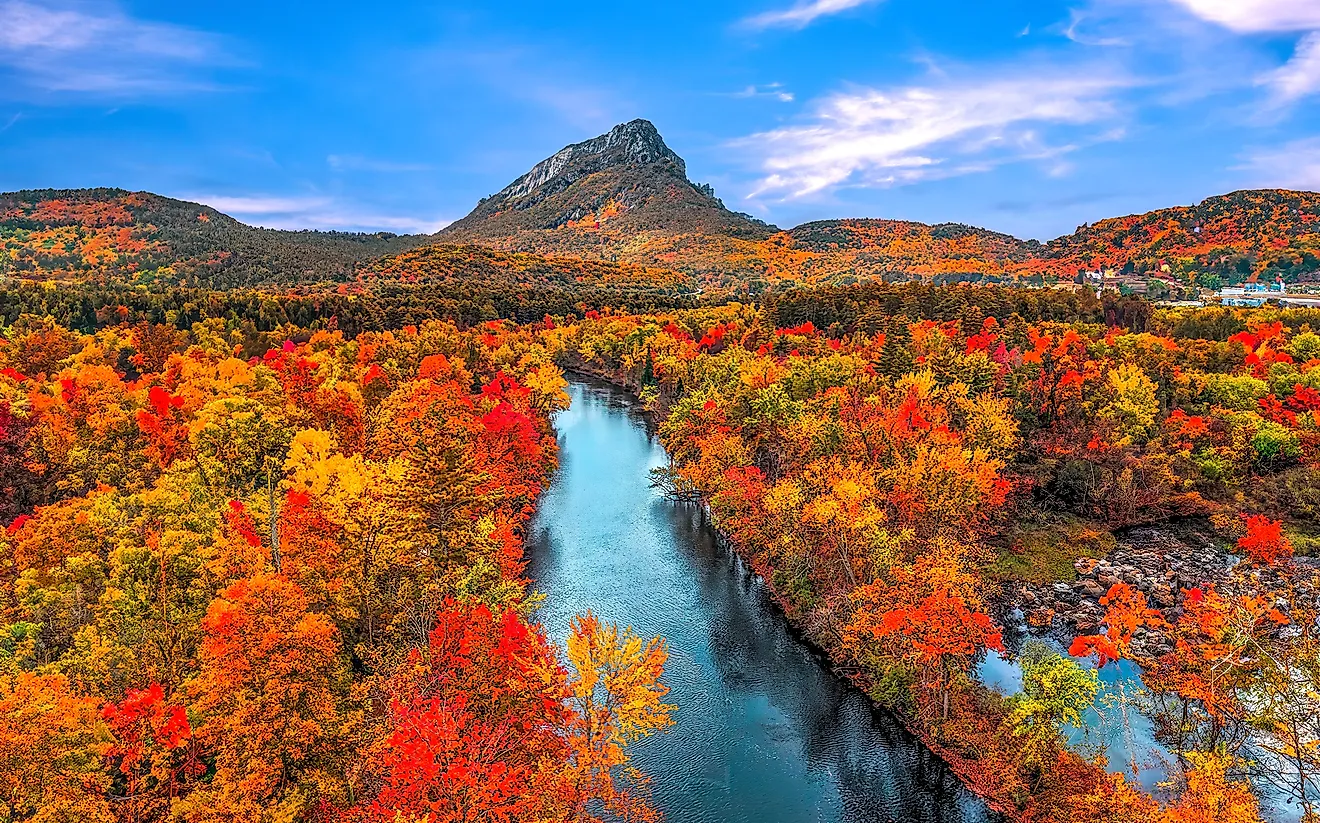
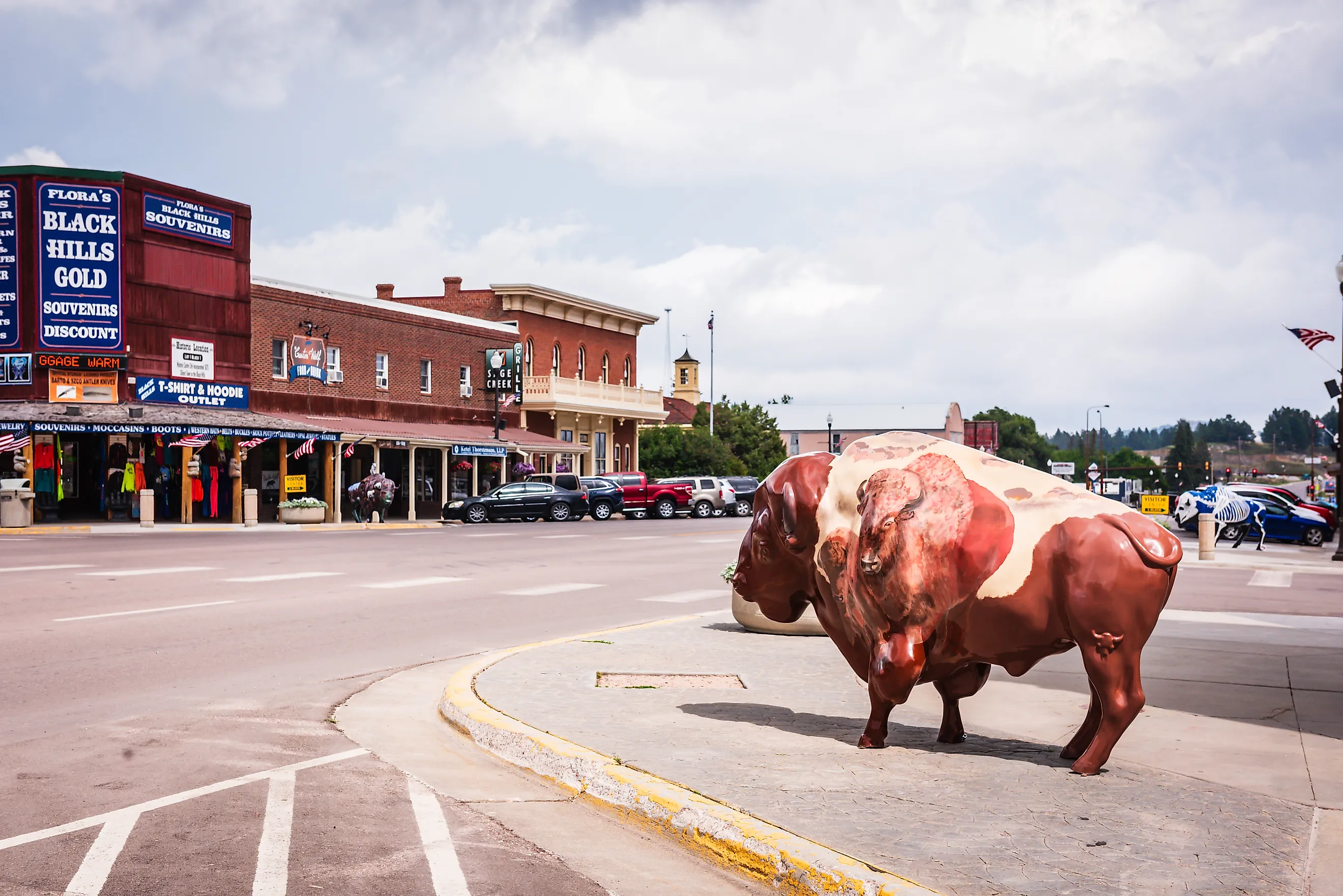
The oldest settlement in the Black Hills, Custer, was established after gold was discovered on the French Creek. Named for Lt. Colonel George Armstrong Custer, who led the expedition that sparked the Black Hills Gold Rush, the town still maintains its charming, historic small-town atmosphere. Being located in the Black Hills, Custer maintains a diverse geographical region containing rocky terrain, pine-covered slopes, profound valleys, and momentous geological formations of granite peaks and limestone caves. Learn about the historical event of the Gold Rush, hike through Custer State Park, or count how many bison you can encounter in this one South Dakota town everyone should visit at least once.
Get Outside

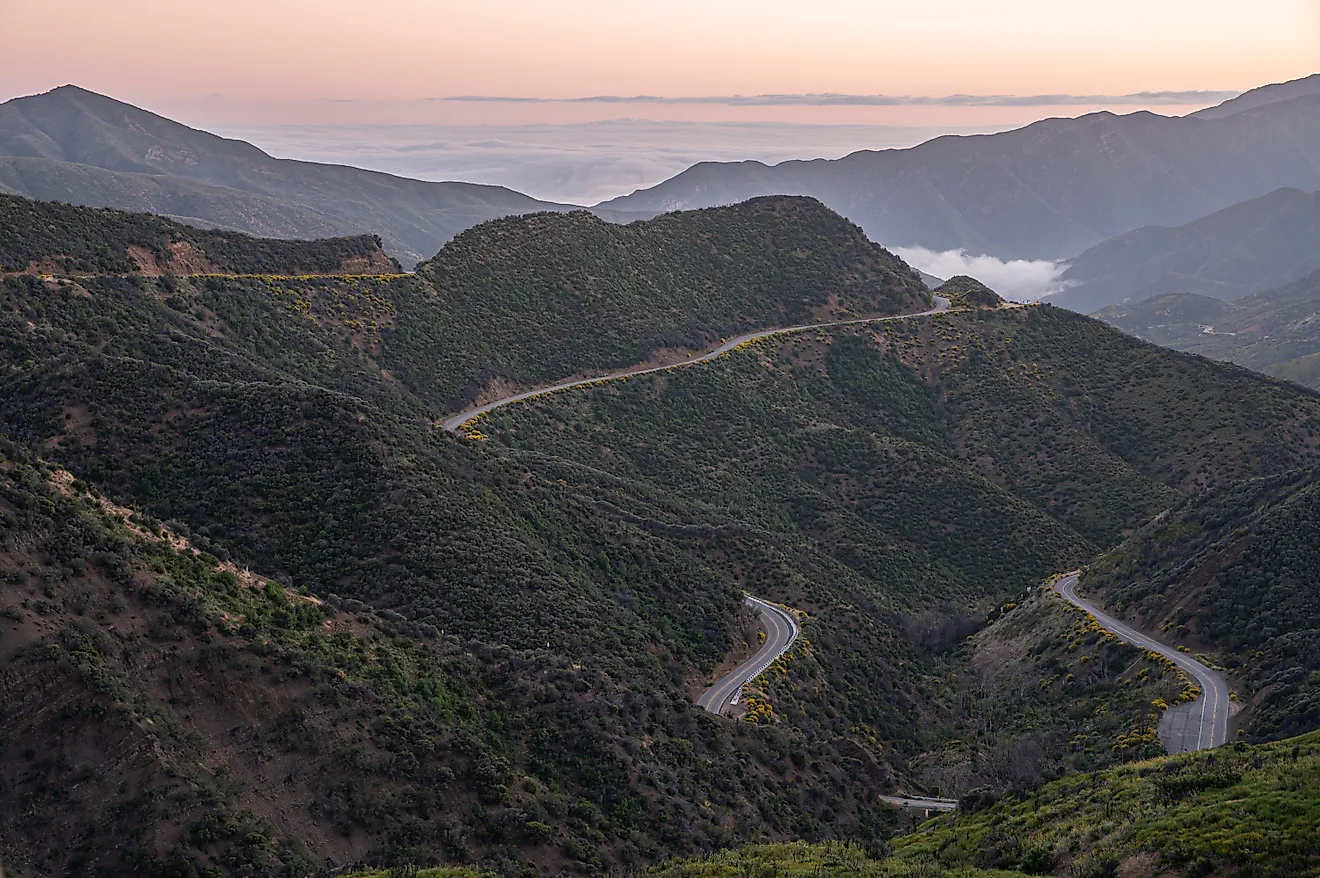
Explore the land with the creatures that inhabit it across the 71,000 acres of Custer State Park. With nearly 1,300 bison sharing the land with pronghorn antelope, elk, mountain goats, and possibly the most popular, the begging burros. The begging burros, or small donkeys, are famous for just that. Begging. Although the phrase “Do Not Feed the Wildlife” is practiced at most parks and wildlife areas, these animals can't seem to stop themselves from approaching vehicles looking for food. They are generally found alongside the bison on the Wildlife Loop Road that runs through the park. Visitors can take the Wildlife Loop Road to explore the park, or either of the other two options, Iron Mountain Road or Needles Highway, or they can discover the park on foot on any of the available trails. For a challenging hike, opt for the 4-mile Sunday Gulch Trail that ventures near Sylvan Lake, traversing boulders through a valley to towering spires, eventually leading to the northern Black Hills. For a less strenuous hike, with just as immaculate views, stick to the Cathedral Spires Trail. The 1.5 miles lead to the uniquely formed Cathedral Spires that form the Black Hills.
For adrenaline junkies who would rather get a view of the Black Hills from an aerial view, book an excursion with Black Hills Balloons. Flying through the southern Black Hills over Custer State Park, the hot air balloon ride will take visitors over mountains, valleys, lakes, and prairies while searching for wildlife, possibly even a mountain lion! Enjoy a sunrise ride and cap off the trip with a celebratory champagne toast.
There's Gold In Them Thar Hills

It was Lt. Colonel George Armstrong Custer’s expedition in 1874 that prompted the Black Hills Gold Rush, a pivotal moment in the western expansion of gold mining. The expedition was so significant to the town and its development that it was named after the prospector who led it. And to commemorate that achievement, Custer hosts the annual Gold Discovery Days. The three-day fest, hosted every July, features a carnival, car show, arts & crafts fair, volleyball tournament, 5K race, cornhole tournament, golf scramble, one of the largest parades in the Black Hills, and, most notably, a hot air balloon rally.

Another tribute to the pioneers of the Gold Rush days is the Anna Donna Tallent Marker. Anna Donna Tallent was a teacher and author who was momentous to Custer as she was the first white woman to enter the Black Hills. She arrived with a prospecting party that ventured over 400 from New York. The only female in the Gordon Party, the gold prospecting party she arrived with, Tallent arrived in the Black Hills in 1874, wrote The Black Hills; or, the Last Hunting Ground of the Dakotahs, a complete history of the region. Today, near the French Creek, the marker stands to honor this valiant woman. The Gordon Stockade Historical Landmark is another homage to the Gold Rush days. Honoring the pioneers of this momentous movement. The Gordon Party arrived and settled on the Great Sioux Reservation, which was prohibited at the time, and lived in an illegally built log fortress along the French Creek, where they lived for five months until the U.S. Cavalry removed them. The stockade, found within Custer State Park, is the third replica, built on the original site. The outer walls and cabins have weathered away over the years until the stockade eventually was closed for safety concerns.
Stay A While

With the vast amount of land waiting to be explored and the wildlife waiting to be viewed, visitors will want to spend multiple days in Custer. Check into a lodge, cabin, or even a tent and enjoy the rugged, mountainous terrain of the Black Hills. Found within Custer State Park, the State Game Lodge is the first and largest lodge in the park and can be found right off Wildlife Loop. The grand native stone and wood lodge was established in 1920 and is acknowledged for its majestic historical character and heritage. Part of the historical appeal of the lodge is the former presidential guests it has hosted. In 1927, the lodge served as the Summer White House for Calvin Coolidge, and in 1953 was visited by Dwight D. Eisenhower. For another charming establishment right in the heart of the Black Hills, spend the weekend at the Chalet Motel. The small, old-fashioned cabins provide coziness, comfort, and warmth to provide extra charm to all visitors. Established in 1938, the landmark hotel site was originally called Ben’s Cabins and has served the Black Hills for over 80 years. The cabins are conveniently located near some of the area’s most prolific landmarks, Custer State Park, Crazy Horse Memorial, Mount Rushmore, Jewel Cave National Monument, Wind Cave National Park, and more.
For the ultimate overnight experience, visit Buffalo Ridge Camp Resort and enjoy a stay in a cabin, tent, teepee, or treehouse. The 85 acres of unspoiled wilderness provide ample opportunities for exploration for guests, as well as the amenities of a heated pool, fire pits, and a general store.
Nearby Towns

Travel just over half an hour outside of Custer to Hot Springs, South Dakota, and explore geographical sites that have lasted thousands of years. Take a self-guided tour through the Mammoth Site and get an up-close look at unearthed animal remains from the Late Ice Age. The active dig site has excavated over 60 mammoths and no fewer than 87 other animals from the Late Ice Age. For more discovery, visit Wind Cave National Park, located just outside the city limits. Wind Cave features two parks in one, one of them above ground, and the other underground. Take a guided tour through one of the world's longest and most complex cave systems. For those who want to stick to above-ground activities, peek your head into one of the only naturally formed entrances into the cave. The 10-inch-wide entrance is considered a spiritual place to different native people and the birthplace of the Lakota Nation.

Explore more historical attractions and learn more about the Gold Rush in Keystone. Quite arguably, the biggest, figuratively and literally, destination in Keystone is Mount Rushmore National Memorial. The colossal sculpture, depicting four of the U.S. presidents, took 14 years to carve into the granite face of Mount Rushmore. Featuring the likenesses of George Washington, Thomas Jefferson, Theodore Roosevelt, and Abraham Lincoln on the 60-foot sculpture, the monument represents the nation's foundation, expansion, development, and preservation. A big part of the nation’s expansion came during the Gold Rush, and Keyston features a learning and adventure center to allow visitors to catch a glimpse of life back then at the Big Thunder Gold Mine. Take a guided tour through the historic gold mine, try panning for gold onsite, or opt for even more adventure by joining the Black Hills wilderness team and pan by Battle Creek, just like the pioneers did.
Gold wasn’t the only thing discovered in the Black Hills of Custer. Dinosaurs, mammoths, and fossils are just a few of this town's groundbreaking discoveries. And guests are invited and encouraged to visit, view, and learn from all these discoveries. Plan a trip to the Mammoth Site to see skeletons of giant Late Ice Age Mammoths, plan a hot air balloon ride over Custer State Park, pan for gold, and so much more. Come to Custer and see for yourself why this is the one South Dakota town everyone should visit at least once.