The Cheapest Beautiful Towns To Live In Indiana
Owning a home feels out of reach for a lot of Americans right now. In Marion a median house still runs under $100,000. Madison wraps its low prices around the largest historic district in the country. Property taxes stay low and the state charges one flat income tax. Fort Wayne folds 25 miles of riverfront trail into small-city costs. Every town here proves a cheap address can still be a beautiful one.
Madison

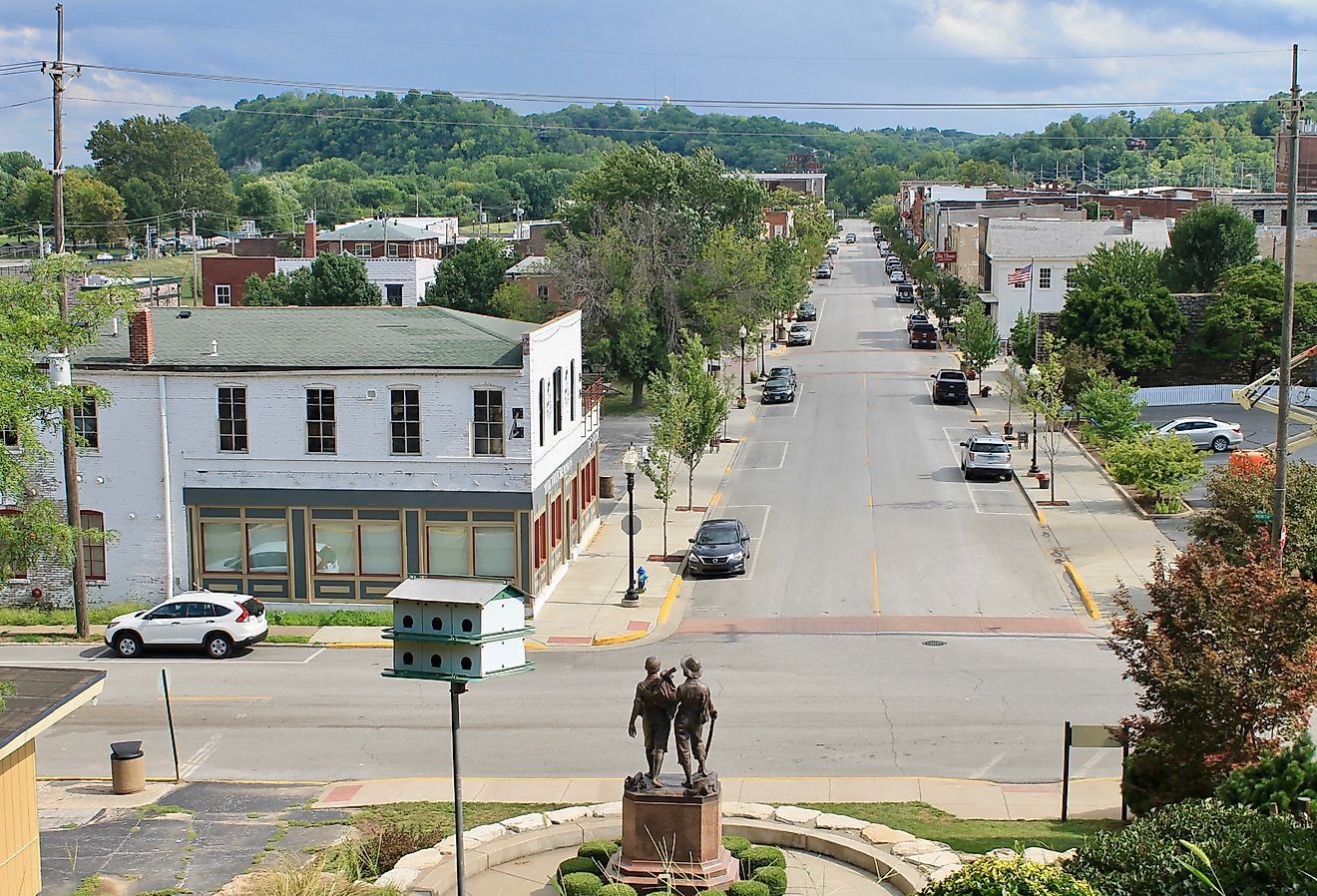
Madison is one of the most affordable places to settle in southern Indiana, with a cost of living roughly 14% below the national average. The median home value sits around $169,900, and rents average about $589 per month. Indiana's flat state income tax and relatively low property taxes help too, and groceries, healthcare, and utilities all trend under the U.S. average. Wages run lower to match, with a median household income near $54,000, and you will want a car to manage the town's riverfront and hilly streets. What that low budget buys here is unusual. Madison has been named the #1 Best Small Town in the Midwest for two consecutive years in the USA Today 10Best Readers' Choice Awards. It also holds the largest contiguous National Historic Landmark District in the country, more than 130 blocks of preserved 19th-century architecture, antebellum homes, and tree-lined streets along the Ohio River. Just outside town, Clifty Falls State Park adds deep canyons, hiking trails, and waterfalls.
Terre Haute

Terre Haute ranks among the least expensive places to live in the state, with a cost of living index between 72 and 74. Median home prices sit around $97,000 to $98,000, rent averages between $850 and $890 per month, and property taxes run about $850 per year, roughly 5% under the U.S. average on housing. The affordability comes with a genuinely active downtown. It holds 12 museums, more than 25 murals, and an outdoor sculpture collection. Along the Wabash River, the Wabash Iki Fish and Wildlife Area and a large network of city and county parks open up the outdoors, while Griffin Bike Park draws cyclists from across the region. Trails and lakes at Deming Park and Fowler Park round out the options, and sports fans have modern venues to fill the calendar.
Angola

Angola keeps its costs about 10 to 15% below the national average while sitting in the middle of northeast Indiana's lake country. The average home price is around $169,000, and rent runs $1,025 to $1,050 per month, well under national figures. Groceries come in below average, and residents pay Indiana's flat 3.05% income tax. What sets the town apart is water. Surrounding Steuben County holds more than 100 natural lakes, and nearby Pokagon State Park offers hiking and lakeside trails. The city center anchors it all with a walkable historic district built around the Steuben County Soldiers Monument.
Fort Wayne

Fort Wayne is the largest city on this list, with a population of about 263,000, yet it holds onto low living costs. Median home values range between $157,000 and $160,000, rent averages $950 to $1,050 per month, and the cost of living index falls between 78 and 82, below many similarly sized cities. Its rivers and green spaces do a lot of the work here. The riverfront at Promenade Park has treetop canopy trails, kayak rentals, and a splash pad, and the Rivergreenway offers 25 miles of paved, tree-lined paths for biking and walking. The Lakeside Rose Garden adds thousands of roses and historic garden grounds a short drive from downtown.
Kokomo

Kokomo balances low costs with steady work, which makes it a practical pick for anyone who wants both. Median home values range around $146,000 to $147,000, average rent sits near $1,090 per month, and property taxes average about $869 annually. The cost of living index runs between 75 and 78, comfortably below national figures. Downtown carries the town's character, set against historic buildings and public art spaces that give the center a lived-in feel rather than a passed-through one.
Evansville

Evansville rates as one of the most affordable cities in the state once housing, rent, and economic stability are weighed together. Median home values sit around $170,000 to $171,000, rent averages $900 to $910 per month, and property taxes run about $1,240 per year. The cost of living index falls between 80 and 83, still under the national average. The payoff is a riverfront city with real range. The Pigeon Creek Greenway Passage carries walkers and cyclists along the water, and Wesselman Woods protects one of the largest urban old-growth forests in the country. Downtown, the Haynie's Corner Arts District pairs historic homes with regular art walks.
Marion

Marion posts some of the lowest housing costs anywhere in Indiana, with median home values around $96,000 to $97,000 and rent between $750 and $850 per month. The cost of living index runs between 70 and 73, among the lowest in the state. Household incomes sit lower here as well, a trade-off worth naming, but for anyone focused on keeping monthly expenses minimal, the math is hard to beat. The town still finds room for green space. Its 100-acre Matter Park holds butterfly gardens, walking trails, and a wave pool that gives the low cost of living somewhere pleasant to land.
Greenfield

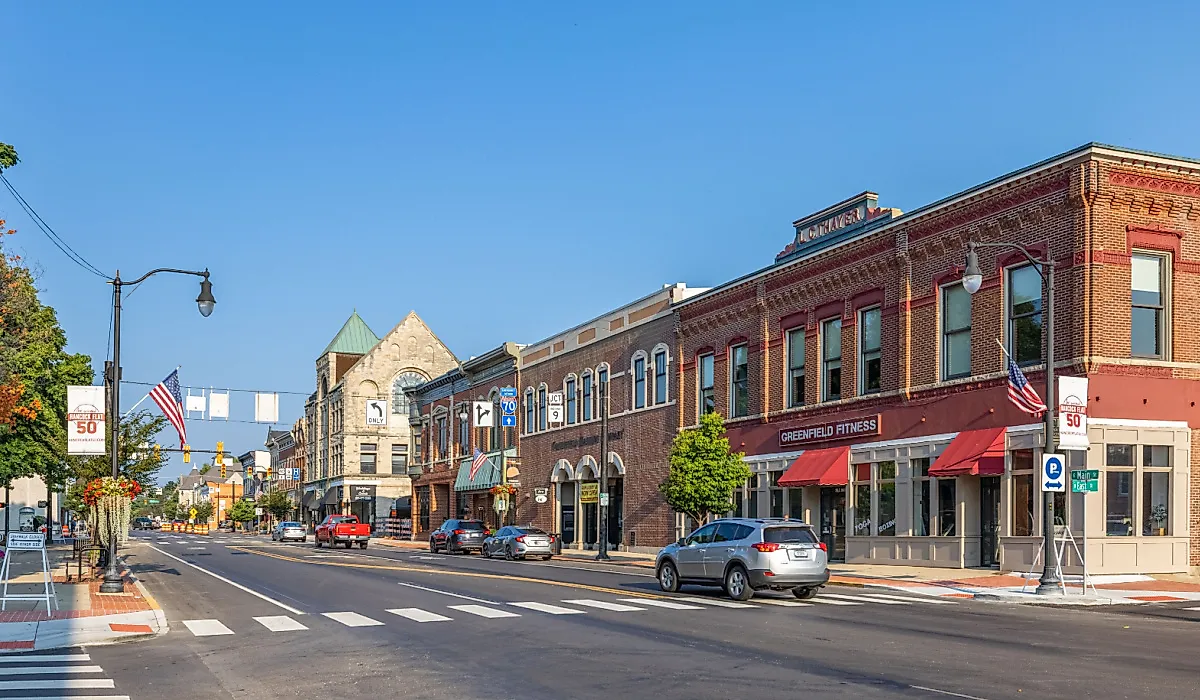
Greenfield is the closest town on this list to Indianapolis, about 20 miles east, so its home prices run higher, with a median near $245,000. Property taxes stay light, at an effective rate around 0.91%, and the location trades a little affordability for an easy commute and steady local jobs at employers like Hancock Regional Hospital. The draw here is literary. Greenfield is the birthplace of James Whitcomb Riley, the "Hoosier Poet" behind Little Orphan Annie and Raggedy Ann, and the town honors him every October with the Riley Festival on the courthouse square. That square is a historic district of more than 70 buildings dating to the 1800s, and Riley Park along Brandywine Creek adds walking paths, a splash pad, and the 5.5-mile Pennsy Trail on the old railroad line.
What Cheap Really Buys in Indiana
The savings across these towns are real, but the point is what sits behind the price tag. A median home under $170,000 in Madison comes with the largest historic district in the country. Marion's rock-bottom index shares a town with a 100-acre park, and Fort Wayne holds big-city amenities at small-city costs. Greenfield asks a little more for its closeness to Indianapolis and its literary roots. For a buyer priced out elsewhere, Indiana shows that owning a home and living somewhere worth photographing do not have to be separate goals.