11 Of The Best Affordable Towns To Retire In Indiana
For many people planning retirement, especially in an uncertain economy, housing costs shape everything else, from travel budgets to day-to-day breathing room. Indiana helps the numbers work in smaller communities where home prices often fall below the U.S. median, and daily life still comes with walkable streets, local events, and dependable services.
Affordability is only part of the appeal. These towns also offer scenic trails, inviting main streets, and year-round gathering places, where an easy outing can look like grabbing breakfast at The Press Coffee Co. in New Castle or a drink at Roscoe's Coffee Bar & Tap Room in Richmond. To help guide this next stage of life, here are 11 of Indiana's best affordable small towns, each with housing prices below the state median of about $267,000.
Madison

Madison delivers river scenery that feels special without forcing a big-city budget. Homes here run around $232,343, leaving more room for hobbies and getaways than for constant mortgage math. Much of the town’s character gathers in the Madison Historic District, a nationally recognized preservation success where a loop past 19th-century streetscapes makes even a simple walk feel like a purposeful outing.
When the day calls for bigger views, Clifty Falls State Park adds waterfalls and gorge trails that shift with the seasons, making return trips feel fresh rather than repetitive. For an indoor anchor, Lanier Mansion State Historic Site rewards slower touring with architectural detail and local history that holds interest beyond the first visit. Evenings naturally drift back toward the Ohio River, where the view is often enough.
Vincennes

Vincennes offers substantial history without upscale pricing. Local house values sit around $157,805, comfortably below the state benchmark, and the town’s best “bring visitors here” destination is George Rogers Clark National Historical Park. Its memorial and visitor center turn an ordinary afternoon into something memorable, which is exactly why visiting family tends to ask for it again.
On the cultural side, the Red Skelton Museum of American Comedy is built for lingering, with memorabilia, exhibits, and programming that works as a repeatable rainy-day plan rather than a one-time stop. Grouseland adds another standout: a preserved presidential-era home that functions as a true local landmark when guests are in town. Vincennes University rounds out the rhythm with campus talks, performances, and the sense that something is regularly happening close to home.
Richmond

Richmond stands out for how easily nature fits into everyday life. With home values around $149,198, the cost stays modest, yet the town still offers an “out-the-door” landscape in Whitewater Valley Gorge Park. The gorge cuts right through town, wide enough for unhurried walks and interesting enough to feel different as the seasons shift.
For an indoor counterbalance, the Richmond Art Museum is a place people return to, including classes, events, and a collection that rewards more than a quick loop. Movement-minded days often center on the Cardinal Greenway, a long, paved rail-trail that makes cycling and walking easy to keep up with at any pace. Add in the gorge-side connectors and Richmond earns something rare: a real trail system and a real downtown, where Roscoe's Coffee Bar & Tap Room makes a natural post-walk stop for house-roasted coffee and unhurried conversation.
Wabash

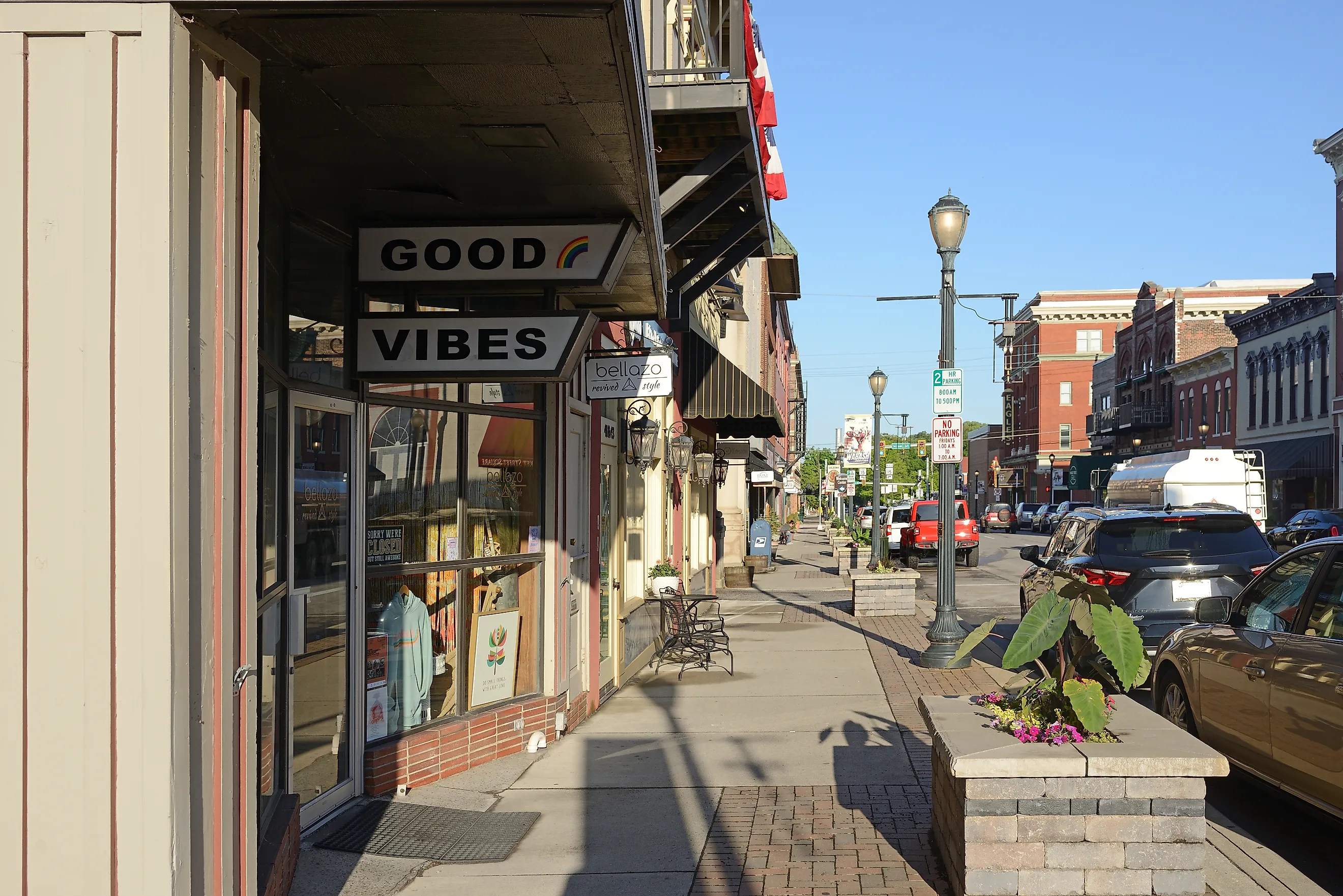
Wabash suits anyone who wants a small-town pace with a reliable arts calendar. Housing runs around $176,131, well under the state line, yet the town feels polished and active. The Honeywell Center is the main anchor, drawing serious programming and giving the year a built-in lineup of concerts and performances to look forward to.
On quieter days, Charley Creek Gardens offers a calm place to return to repeatedly with free, walkable, and designed for sitting, reading, and letting time stretch out. A simple walk along the Wabash River adds the everyday water views many people crave, without the price tag that usually comes with living near a shoreline.
Bedford

Bedford’s appeal is nature plus heritage, with the cost of settling in still manageable at around $199,547. The go-to escape is Spring Mill State Park, close enough for frequent use and varied enough, caves, trails, and historic elements, that repeat visits do not feel like reruns.
Back in town, limestone shapes the identity. The Land of Limestone Museum offers a clear lens on why the region matters, turning local material into a story worth sharing with visiting family. The Bedford Limestone Walking Tour keeps that character visible on foot, transforming a casual stroll into an architecture-and-history loop. For something more unusual and low-impact, Bluespring Caverns adds a boat tour through an underground river—an experience that tends to become a favorite “when guests are here” plan.
New Castle

New Castle works well for anyone who likes daily life organized around a strong community institution. The Indiana Basketball Hall of Fame is the signature draw, less about nostalgia and more about a deep, local-to-the-bone museum experience that Indiana visitors genuinely seek out. The budget case is equally strong: housing sits around $158,767, leaving room for living, not just paying.
Westwood Park covers the outdoors with trails, lake views, and quiet recreation that can become a weekly habit. Add a compact downtown for errands and social stops, and the town’s rhythm stays steady. The Press Coffee Co. helps with that routine, functioning as an easy “third place” where a quick coffee can naturally stretch into a standing weekly ritual.
Huntington

Huntington offers a small-city mix of diversions at a grounded price point, with local housing around $191,489. The town’s most quietly impressive feature is the Sunken Gardens, a former quarry turned landscaped retreat where it is easy to walk, sit, and reset without planning a whole day around it.
The Quayle Vice Presidential Learning Center adds an indoor option with exhibits and programming tied to Dan Quayle, plus a broader civics lens that stays engaging over multiple visits. Day-to-day routines come together easily here, parks, errands, and local events that do not require a long commute, especially when an outing can include a stop at Coffee Bean Counter, a coffee shop at 10 W Franklin St across from the courthouse.
Logansport

Logansport combines water, woods, and a truly rare landmark while keeping costs low, with home values around $149,390. The Cass County Dentzel Carousel is the signature attraction, a National Historic Landmark that turns a park visit into something people happily repeat with friends and family. Because it sits at Riverside Park, the surrounding area becomes an easy default for walking and people-watching, with the carousel giving the park a steady pulse.
For a bigger change of scenery, France Park stands out as a former quarry turned recreation area with cliffs, trails, and water features that feel far more dramatic than the region’s flatland reputation suggests. With two rivers meeting in town, it is also easy to work the waterfront into the week, short walks along the banks and seasonal drives that keep everyday life from feeling boxed in.
Peru

Peru is a good match for anyone who wants a small-town routine with a streak of the unexpected. The International Circus Hall of Fame is central to the town’s identity, set on historic winter-quarters grounds that turn local history into a story worth revisiting and sharing with visitors.
Better still, the tradition extends beyond a museum. The Peru Amateur Circus gives summer a real event season, with performances and community energy that can become a yearly highlight. For a quieter cultural thread, the town continues to celebrate its connection to Cole Porter. Housing stays within reach here as well, with prices hovering around $144,614, proof that a distinctive place does not have to come with an inflated cost.
Crawfordsville

Crawfordsville offers intellectual and historical depth without the premium pricing that often comes with college towns. Local housing sits around $214,601, still under the state’s typical figure, and the town’s standout cultural site is the General Lew Wallace Study & Museum. Preserved around Lew Wallace and his novel Ben-Hur: A Tale of the Christ, it feels genuinely singular rather than interchangeable with other small museums.
Wabash College adds energy to the calendar with events and campus life that are easy to tap into. For something memorable because it is so unusual, the Rotary Jail Museum delivers, using its rotating design to make local history feel tangible instead of abstract.
Michigan City

Michigan City delivers a lakefront feel without Chicago-area pricing. With housing around $178,959, the water-adjacent lifestyle stays realistic, and Washington Park and Beach gives the shoreline an everyday role, pier walks, beach afternoons, and simple people-watching whenever the weather cooperates.
The Old Michigan City Light provides the town’s visual icon, turning a waterfront stroll into a signature experience. Nearby, the Old Lighthouse Museum works well as a compact rainy-day option that pairs naturally with time by the lake. And when a bigger landscape day sounds right, Indiana Dunes National Park is close enough to visit often, with trails, dunes, and birding that feel substantial without demanding an overnight trip.