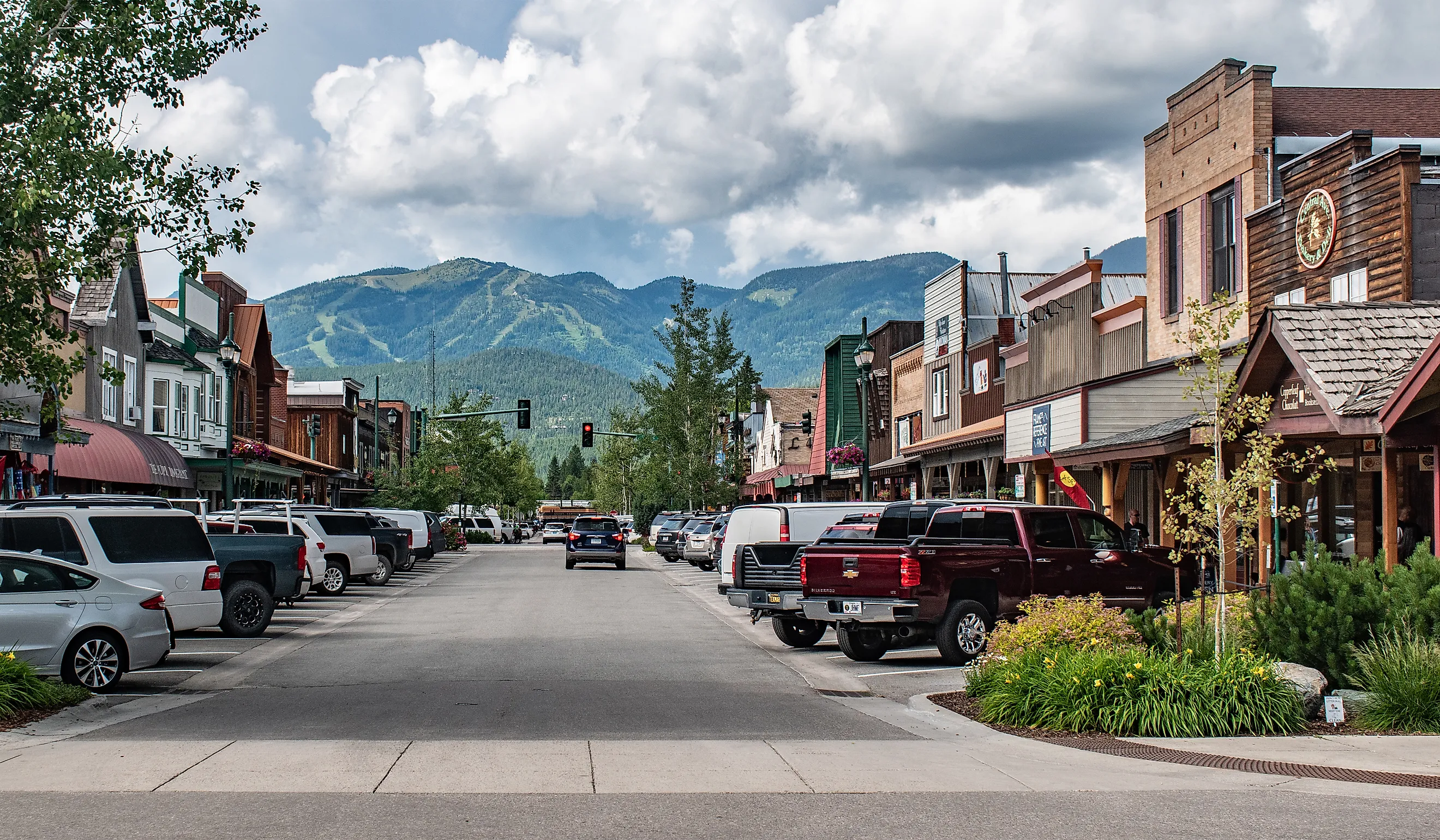
9 Prettiest Small Towns In Montana
Montana’s millions of acres of designated wilderness are home to some of its prettiest small towns, with communities along the Yellowstone River and near Flathead Lake, where the scenery alone is stunning. Stevensville, for example, is home to a historic mission and fort with the backdrop of the Bitterroot Mountains. Big Arm sits on the shores of one of the cleanest lakes in the world, which is also home to horses that went wild centuries ago. Read on to see why these are the nine prettiest small towns in Montana.
Ennis

Nestled in southwestern Montana, Ennis has long served as a key stop for supplies for pioneers and prospectors looking for gold during the Gold Rush of 1863. The Madison River, mountain lakes, and streams in town make it a rich fishing destination, with clear, fast-moving waters cutting through open valleys backed by distant mountain ridgelines. In fact, it's a part of the Gold Triangle of the Madison River for fly fishing. To the north of Ennis is the shallow Ennis Lake, where fishers can take out drift boats to catch trout while taking in wide views of the Gravelly Range.
The wild lands of Montana aren't far from Ennis; you just have to drive out to the Bear Creek Wildlife Management Area, a 3,450-acre facility that contains alpine forests, shrub-steppe foothills, and prairie grasslands. Hunters come here to hunt elk, deer, grouse, and other creatures. If you're feeling thirsty after all that time outdoors, try out a bottle of spirits from Willie's Distillery in a rustic western-style building that reflects the town’s frontier roots.
Fort Benton

Founded in 1846 on the Missouri River, it has been called the world's innermost port and the birthplace of Montana as the oldest continuously occupied settlement in the state. Its historic attractions, stories, and views of the Missouri River have given it a noteworthy spot on many lists of the best Montana towns. Begin your journey by hiking across the Old Fort Benton Bridge, the first steel bridge across the Missouri River in Montana. Opened in 1888, the scenic bridge is now listed on the National Register of Historic Places. One can learn more about the region's history at the Museum of the Northern Great Plains, which features exhibits on how determined settlers persevered in the cold climate of the upper prairies. Not far from this museum is Homestead Village, with a drugstore, City Hall, a one-room school, and other dwellings in a recreated prairie town. Many of these buildings were originally from ghost towns before being brought to Fort Benton.
West Yellowstone

Yellowstone National Park is the biggest attraction in Montana by far, and the best place to stay to reach the park is West Yellowstone. From this resort town, you can see some of Yellowstone’s most iconic sights, including the Old Faithful Geyser, which erupts water around 140 feet into the air every 90 minutes or so. You can also take in the 1,000-foot-deep Grand Canyon of the Yellowstone River, where waterfalls cut through layered canyon walls, as well as Mammoth Hot Springs with its terraced mineral formations.
You don't have to leave West Yellowstone to explore serene places, as you can bike through the Yellowstone Shortline Trail, an abandoned railroad bed turned biking path with open forest views, or the Boundary Trail, which traces the border of the Yellowstone National Park through pine forests and wide open plains. For those who want to see Yellowstone's wildlife in a safe setting, West Yellowstone has the Grizzly & Wolf Discovery Center, home to grizzlies, otters, wolves, and more.
Ekalaka

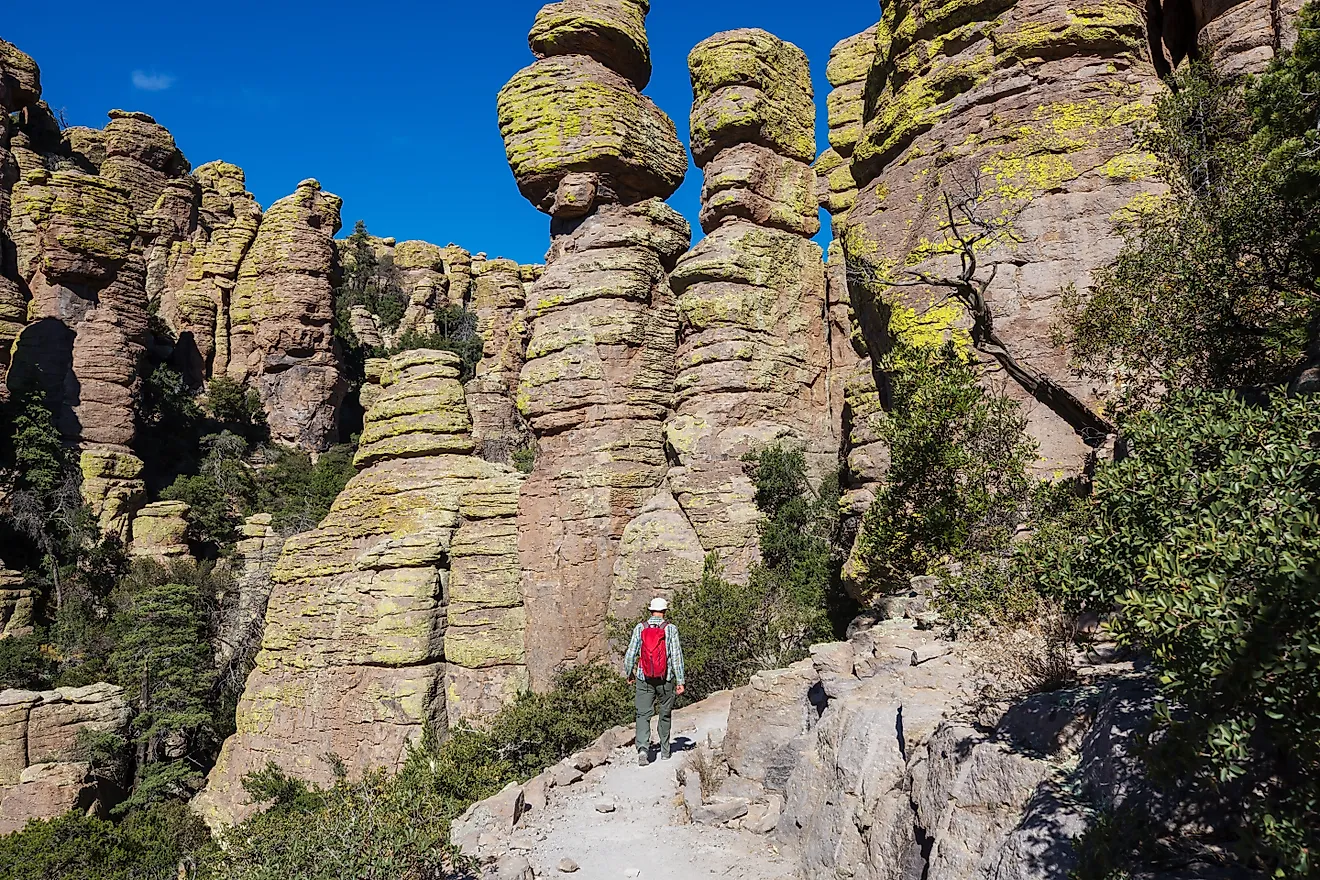
This lesser-known Montana town was named after a Sioux woman, Ijkalak, who was married to a scout in the region. Ekalaka has always played an important role in Native American life, as seen in a place Teddy Roosevelt once called "as fantastically beautiful a place as I have ever seen." This spot is the Medicine Rocks State Park, which is filled with weathered sandstone rock formations that resemble Swiss cheese, rising from open prairie and casting shifting shadows throughout the day. It is called Medicine Rocks, as many Native American hunting parties gathered here. There are inscriptions on these rocks that date back hundreds of years.
If you visit at night, you'll be greeted by a fantastic display of stars, as this park is a certified Dark Sky Sanctuary, with minimal light pollution and wide-open skies. In the town proper, there are many places to learn and relax, from the Carter County Museum that houses dinosaur exhibits, to the Wagon Wheel Cafe for breakfast, lunch, and dinner.
Big Sky

Big Sky is named after one of Montana's nicknames: Big Sky Country. However, if you come here to ski, you'll want to keep your eyes on the snowy trails rather than the sky, as Big Sky Resort offers 5,800 acres of Nordic ski trails and snowshoeing, set against wide alpine slopes and rugged peaks. The resort is located within the Custer Gallatin National Forest, a more than 3 million-acre natural retreat with thousands of miles of hiking trails connecting to Yellowstone National Park and other recreation areas, such as the Bad Canyon Trail and the Beaver Creek Trailhead, which leads to Avalanche Lake.
Climbers also visit this national park for its world-renowned frozen waterfalls within Hyalite Canyon, where ice formations line steep canyon walls in winter. Before you leave the Big Sky behind, check out a historic ranch at the Crail Ranch Homestead.
Big Arm

Just over 200 people call this tiny community home, but what it lacks in population it makes up for in a serene lake that contains a population of wild horses. It is named after a bay on Flathead Lake, where open water stretches toward distant mountain ranges. This lake is one of the cleanest freshwater bodies in the world, given its size, with an average depth of 165 feet and notably clear water.
Not far from town is the Big Arm/Flathead Lake State Park for fishing, hiking, and taking in the mountain views. If you rent a boat from Boat Rental and Rides, you can sail through the waters to Wild Horse Island. This untamed wilderness is home to a population of wild horses and a landing area at Skeeko Bay.
Livingston

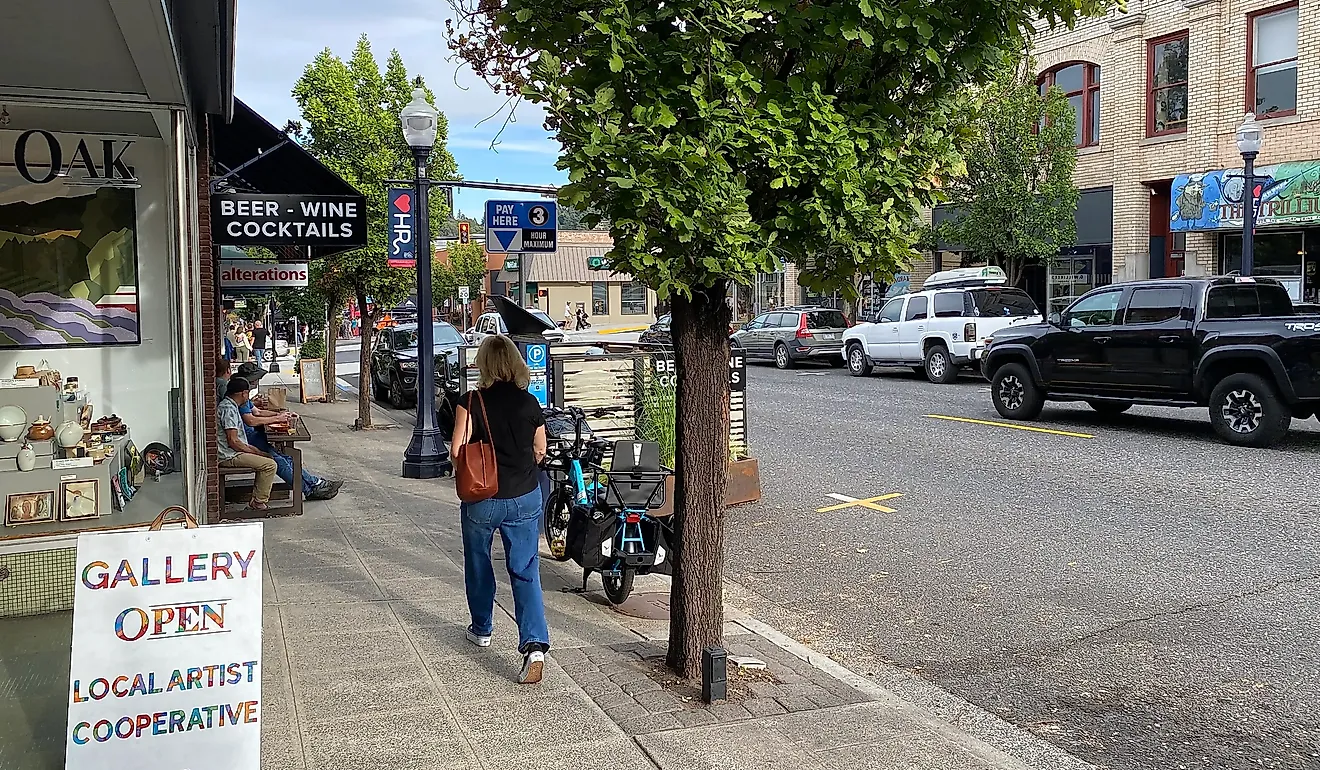
This Yellowstone River town isn't just a gateway to Yellowstone National Park like many others on this list; it's also a bustling arts town, with trails winding through the Montana countryside and wide river views. Downtown Livingston is filled with art museums and galleries on Main Street, from the Danforth Museum of Art to the Medicine Bird Gallery, inspired by Montana birds and Native American culture.
Livingston is also home to an expertly designed railroad depot, built in 1902 by the architects of NYC's Grand Central Station, and today serves as the Livingston Depot Center, a museum. Lastly, the town maintains several trails connecting the community to nature, such as the Myers' River View Trail, which follows the Yellowstone River with open views across the valley.
Stevensville

Founded as a Catholic missionary outpost in 1841, Stevensville is the oldest town in Montana. Most of the original buildings are still here, such as St. Mary's Mission, a simple white structure set against the Bitterroot Mountains. Established by Jesuits, this rustic white church sits against the backdrop of the Bitterroot Mountains, reflecting its origins as a mission established among the Salish people.
Not far from the mission is Fort Owen State Park, with a preserved East Barracks, root cellar, and well. Surrounding these historic sites are the Bitterroot Mountains, and at their foothills is a diverse array of wetlands, grasslands, and forests at the Lee Metcalf Wildlife Refuge, where trails offer clear views of the surrounding peaks. If you visit from May to October, you can purchase local produce and chat with residents at the Stevensville Harvest Valley Farmer's Market.
Whitefish

Whitefish is a gateway town to one of Montana's hidden gems: Glacier National Park. In this park, you can view glaciers atop mountaintops, hike through alpine forests, or go fishing at the many lakes in the park, such as Upper Kintla Lake, surrounded by steep mountain walls. The park has been called the Crown of the Continent for its more than 700 miles of trails passing through ice-covered caps.
Drivers can see all the park's landscapes along the Going-to-the-Sun Road, which spans 50 miles across the Continental Divide and overlooks steep rock cliffs rising to 6,646 feet. The town of Whitefish itself is also wrapped in nature, with a City Beach on the shores of Whitefish Lake and art inspired by Montana wildlife at the Dick Idol Signature Gallery.
Montana Getaways Full Of Beauty
Many of these towns are gateways to Montana's famous national parks, but they are destinations in and of themselves. In West Yellowstone, you can bike in peace across an old railroad line or view the grizzly bears and grey wolves in a wildlife center. In Livingston, you can spend a long weekend just viewing all the art galleries here or strolling by the Yellowstone River. These towns also include lesser-known natural wonders, such as Medicine Rocks beneath the dark skies of Ekalaka.