9 Off-The-Grid Florida Towns To Visit In 2026
An Old Florida atmosphere lingers in the streetscapes and waterways of off-the-grid towns across the state. The views go from underground caves at Florida Caverns State Park to the dark skies above Chiefland, whose uncrowded north-central location makes it well-suited for stargazing. Astor offers access to the St. Johns River and nature trails in Ocala National Forest, while Monticello's historic downtown and Micanopy's antique shops provide a glimpse into the state's past.Together, each town shares walkable main streets, working fishing village communities, and a slower pace of life set against a backdrop of natural beauty.
Micanopy

North-central Florida’s Micanopy retains its historic character as a laid-back settlement focused on nature and a relaxed way of life. The oldest inland town in Florida, it was established in 1821 and named for the Seminole chief Micanopy, preserving a strong connection to Florida’s Native American heritage. The walkable Micanopy Historic District is on the National Register of Historic Places, added in 1983. Framed by oak trees and Spanish moss, Cholokka Boulevard is lined with 19th-century architecture, hosting antique shops and cafes, as well as art galleries.
The population of Micanopy is about 656, offering parks and cultural landmarks that reflect its heritage. The more than 21,000-acre Paynes Prairie Preserve State Park has hiking trails for nature and wildlife viewing, with herds of American bison and Spanish colonial horses. The small Micanopy Historical Society Museum preserves the town’s history through toys, antique canoes, and vehicles.
Howey-In-The-Hills

In Central Florida, Howey-In-The-Hills was built on the citrus industry and maintains much of that Old Florida appeal in its Spanish mission architecture, citrus history, and lakefront way of life. Nicknamed the Florida Alps for its lakes and rolling sand ridges, a contrast to Florida's flat terrain, the town has a population of about 1,870.
William J. Howey, developer and citrus tycoon, founded Howey-In-The-Hills in the 1920s. He built the first juice bottling and canning plant in the state in 1921. Originally, there were several thousand acres of citrus orchards. These days, the industry is defined by a few local growers, such as A Natural Farm and Acres of Grace Family Farms. A Lake County Citrus tour shares the regional history of the packing plants and agricultural terrain. The 1925 Howey Mansion features Mediterranean Revival architecture and is listed on the National Register of Historic Places, added in 1983.
Set near several lakes, including Lake Harris and Lake Eustis, Howey-In-The-Hills is home to waterside restaurants and bakeries, including JB Boondocks Bar & Grill and Yalaha Bakery. Griffin Park has public boat ramps and piers for bass fishing in Little Lake Harris. Nearby, Sara Maud Mason Park contains hiking trails and elvated boardwalks over a floodplain forest. The 67-acre nature preserve protects local wildlife and natural habitats.
Chiefland

Chiefland, in north-central Florida, offers a rural, outdoor-focused lifestyle with plenty of opportunities for nature watching and adventure sports. With a population around 2,482 residents, Chiefland uses agricultural and close-knit community vibes to its advantage. Away from the lights and large population of a big city, Chiefland’s night skies are conducive to stargazing, whether in wide open fields or spaces like the privately owned Chiefland Astronomy Village. Nicknamed “Gem of the Suwannee Valley,” the town hosts annual festivals and weekend markets, including the Chiefland Farmers’ Flea Market, aiding in a friendly and welcoming atmosphere.
Florida’s unique wildlife and outdoor activities are highlights. Manatee Springs State Park is a popular swimming and snorkeling spot within a cypress forest. Along with the possibility of viewing manatees, there is an 800-foot boardwalk and 8.5 miles of nature trails. The park connects to the 32-mile Nature Coast State Trail for bicycling and hiking, as well as horseback riding.
Steinhatchee

Set on the Gulf of Mexico, in the Big Bend region near the Panhandle, Steinhatchee shares the laid-back aesthetic of a saltwater fishing and scalloping town. It has been called “The Best Kept Secret in Florida” for its low population and access to the state’s natural resources. The region produced salt during the Civil War. These days, it is more focused on producing fresh-off-the-boat seafood, found at local restaurants around town. Marinas and boats, including boat rental options, are more abundant than stoplights in this coastal community, offering a laid-back water setting with a population of about 706.
The Gulf and riverfront are the go-to areas for recreation in Steinhatchee. The Steinhatchee River is a setting for redfish and trout fishing, along with kayaking and canoeing. Nearby, the river’s Steinhatchee Falls is a waterfall that cascades over lime rocks. While it is only about three to four feet high, it makes a fine subject for photographs.
Cedar Key

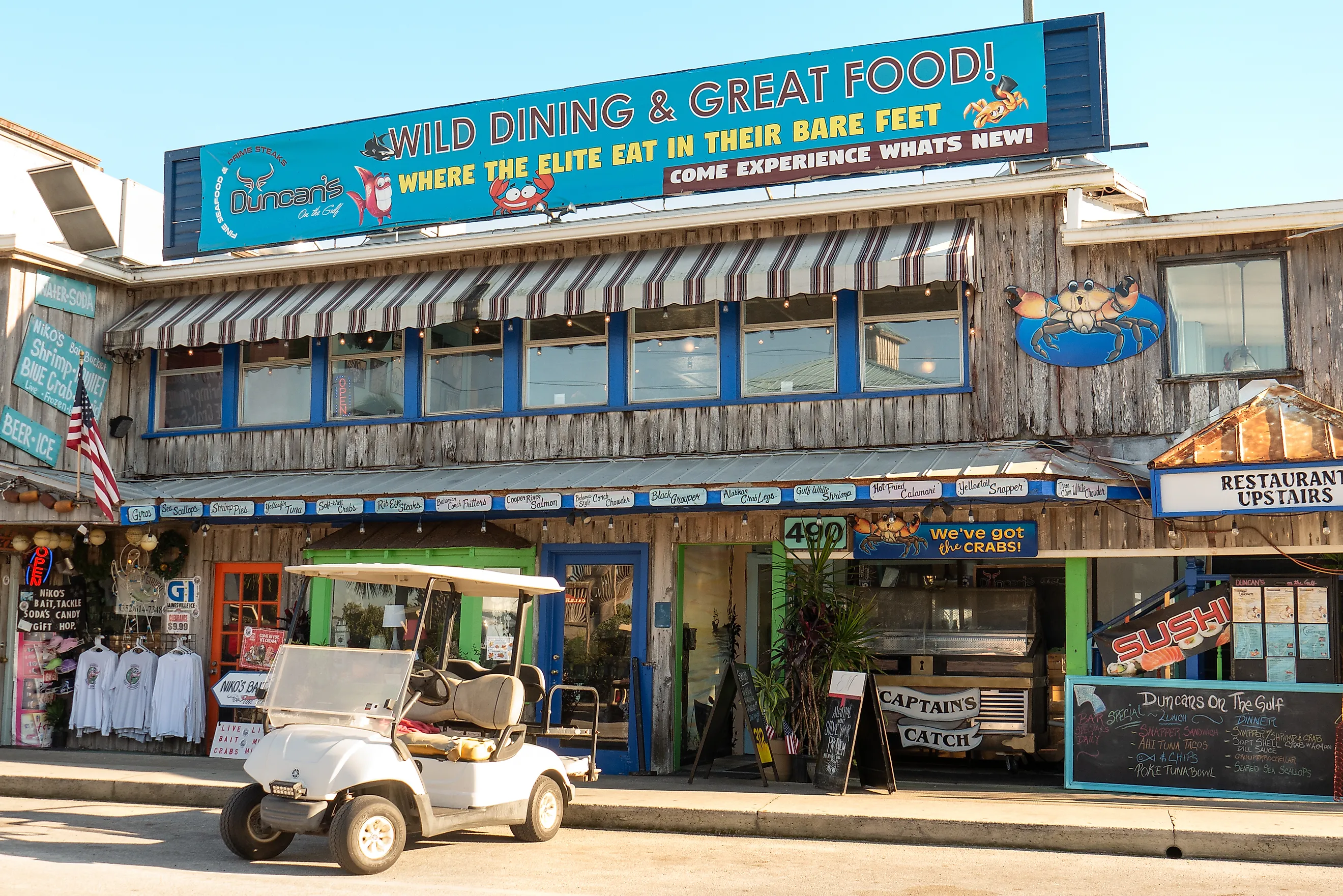
Cedar Key, on the state’s northwest Nature Coast, projects an Old Florida vibe, reflected in its coastal fishing community and waterfront lifestyle. Jutting out into the Gulf of Mexico, it has a historic downtown that is easily drivable with golf carts, enhancing the town’s laid-back setting and reflecting the small population of about 756. The walkable waterfront is complemented by local shops and art galleries, such as Island Arts.
President Herbert Hoover established Cedar Keys National Wildlife Refuge in 1929 to protect nesting migratory birds. Consisting of 13 islands, portions of the refuge can be reached by boat or kayak. Atsena Otie is the only one where visitors can hike the interior. The sand beaches of islands like North Key and Seashore Key can be visited, with the interior areas being off limits. Ospreys and bald eagles can sometimes be seen. The 18-acre Cedar Key Museum State Park is the place for kayaking through salt marshes and islands. Visitors can learn about Florida history and see Gulf Coast views, as naturalist and environmentalist John Muir did in 1867.
Carrabelle

Situated at the mouth of the Carrabelle River where it meets the Gulf of Mexico, Carrabelle has an unmistakable off-the-grid atmosphere. Its Old Florida charm is reflected in offbeat landmarks, most notably the World's Smallest Police Station on US 98. Additionally, the New River and the Crooked River flow into the Gulf near Carrabelle, increasing the town’s water-based outlook. Rather than large resorts and chain restaurants, Carrabelle offers small inns, vacation rentals, and locally owned seafood restaurants. The population of Carrabelle is around 2,556.
Scenic beaches and natural areas are trademarks of this coastal town as Carrabelle Beach stretches along Gulf Coast waters. Nearby, Dog Island sits between St. George Sound and the Gulf of Mexico, offering another scenic, remote location accessible only by boat, kayak, or private aircraft. The Dog Island Ferry provides access as well. Tate’s Hell State Forest preserves more than 200,000 acres of uncrowded forest and areas for hiking, kayaking, and camping.
Apalachicola

Apalachicola’s location on the “Forgotten Coast” of the Florida Panhandle is known for its maritime heritage and seafood industry, most notably Apalachicola Bay oysters. Off-the-grid living comes naturally along wide stretches of beaches and remote wildlife refuges. The downtown area has 1800s-era structures, home to small boutiques and local seafood restaurants. A population of approximately 2,503 ensures a small-town vibe.
The 12,492-acre St. Vincent National Wildlife Refuge was established in 1968 as a protective site for migrating birds. It is only accessible by boat, adding a secluded feel to the site. The refuge provides habitat for a wide range of wildlife and has played a role in endangered species conservation efforts. St. George Island, a barrier island about 28 miles long and accessible via the St. George Island Bridge across Apalachicola Bay, features scenic beaches, St. George Island State Park, and the reconstructed St. George Lighthouse.
Marianna

Marianna, in the Florida Panhandle, takes a nature-focused turn with its unique natural landmarks, while its architecture displays the origins of its City of Southern Charm nickname. The historic downtown district is lined with boutiques and Queen Anne and Colonial-revival architecture, such as the circa-1895 Joseph W. Russ Jr. House, placed on the National Register of Historic Places in 1983. With a population of about 7,715 residents, a close-knit community vibe is seen in events like outdoor movie nights and weekly farmers’ markets.
Florida Caverns State Park has a guided cave system complete with limestone stalagmites, stalactites, and columns. It is Florida’s only publicly accessible air-filled cave system. Blue Springs Recreation Area, a first-magnitude spring, has campsites and clear natural springs for swimming and fishing. The spring-fed Chipola River, a tributary of the Apalachicola River, is ideal for kayaking and fishing for bluegill and shoal bass.
Monticello

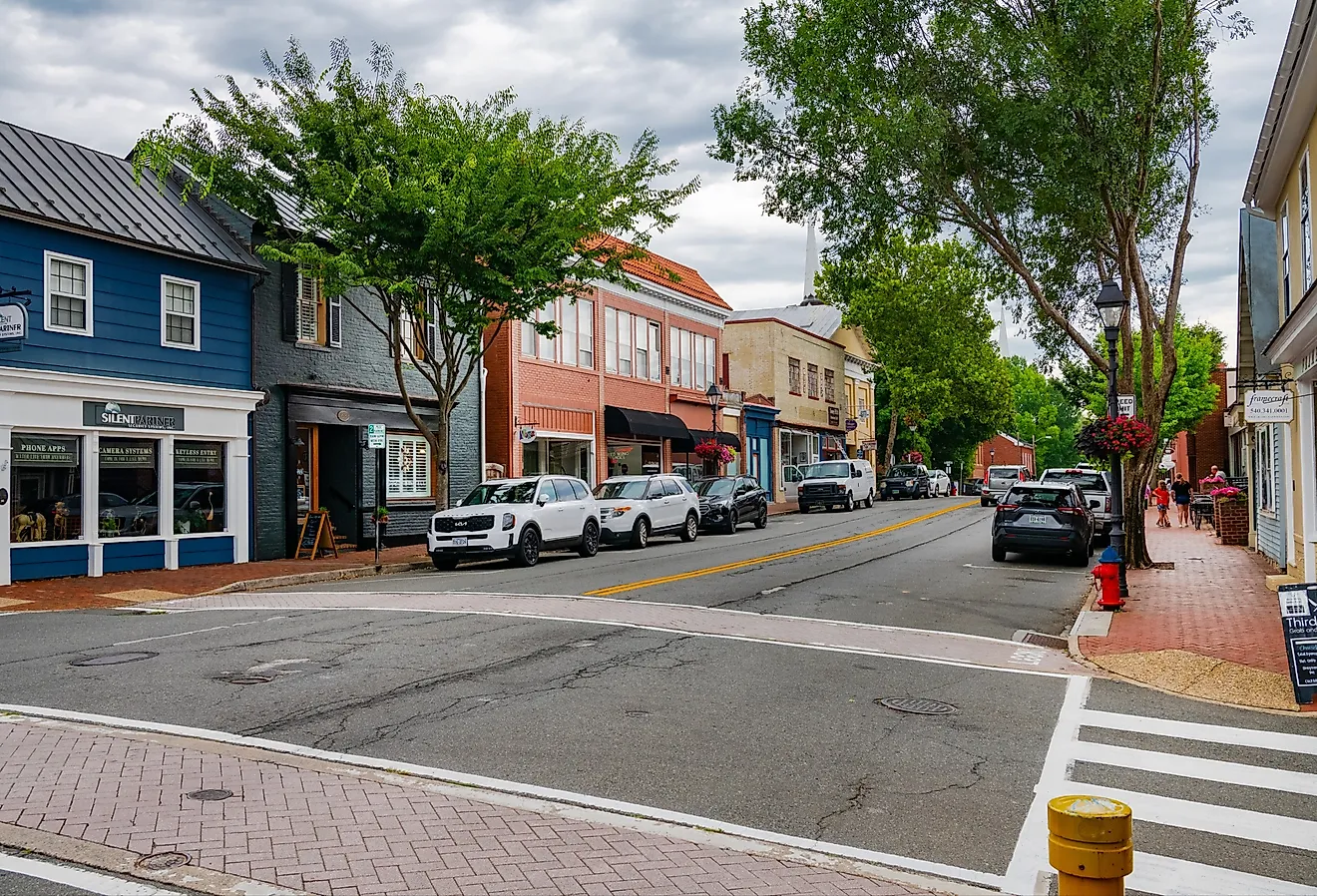
North Florida’s Monticello, in the rolling countryside of the rural Tallahassee Red Hills region, is small and unhurried, with a population of about 2,808 residents. The downtown district, with 27 blocks on the National Register of Historic Places, has an array of family-owned restaurants and small boutiques, set against 19th-century architecture. Spanish moss-draped live oak trees line limestone streets.
Nearby, the Monticello Ecological Park spans 28 acres of protected old-growth forests, with boardwalk trails running through wetland ecosystems. At 188 acres, Letchworth-Love Mounds Archaeological State Park has the state’s tallest Native American ceremonial mound, at 46 feet tall. Activities include hiking and wildlife viewing, such as the possibility of seeing bobcats, gopher tortoises, and armadillos.
Florida’s Off-the-Grid Towns
These Florida towns deliver a comfortable dose of natural beauty, each with its own approach to off-the-grid living. Carrabelle’s offbeat attractions and beaches invite both relaxation and curiosity, while Cedar Key’s salt marshes and coastal islands appeal to hikers and kayakers. Meanwhile, in the Panhandle, Apalachicola defines the character of a remote fishing community with its waterfront atmosphere. Elsewhere in the state, Monticello shares Spanish moss-draped streets and opportunities for wildlife observation at Monticello Ecological Park. Taken together, these small communities show the appeal of off-the-grid living in some of Florida’s most peaceful settings.